
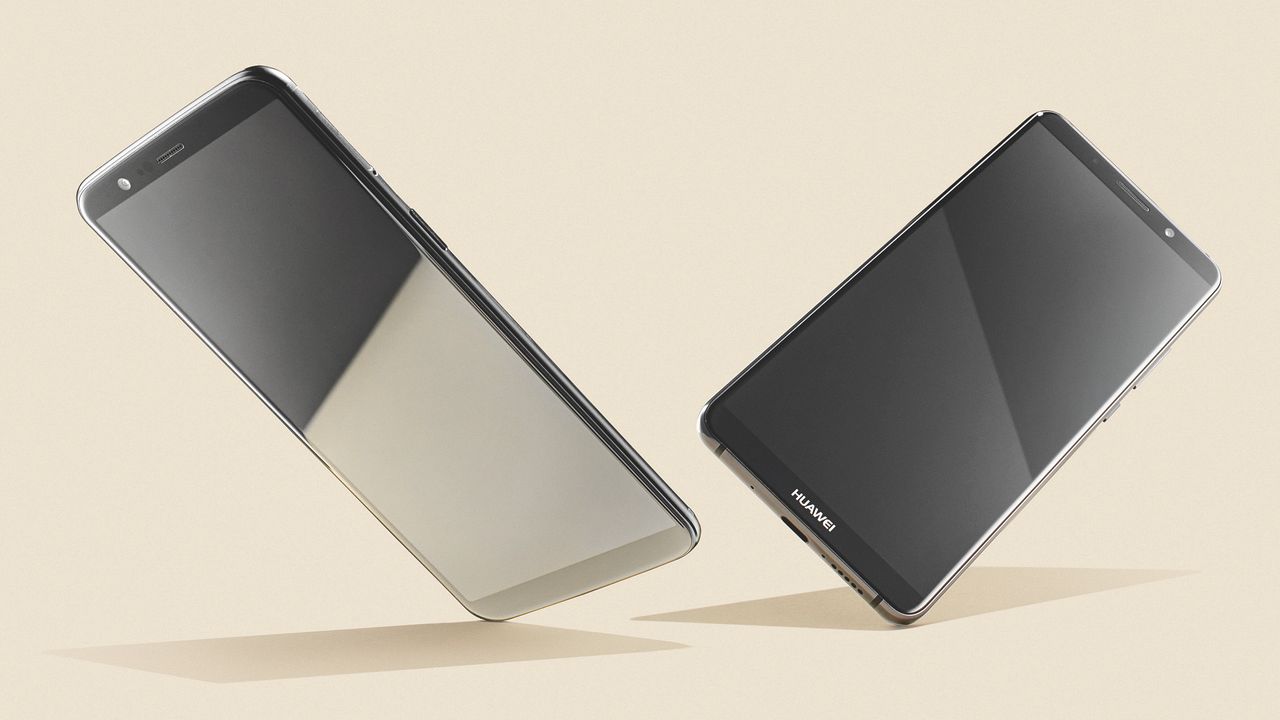
Huawei is reportedly working on a new type of battery tech that could mean normal sized phones come packing 10,000mAh batteries.
The new battery material is currently claimed to be in testing in China, where similar new battery tech has previously been put to the test.
Huawei is reportedly working on a new battery that could mean smartphones offer beyond 10,000mAh for longer than all day life.
Crucially, these batteries are expected to not massively increase the size of phones, only to extend lifetimes. This is thanks to the battery type.
While big name brands like Apple and Samsung have stuck to lithium-ion batteries, Huawei is apparently working on newer tech. This makes sense as Chinese brands have already begun looking into silicon-carbon cells, which can offer the same life as lithium, only in a smaller space.
So while there are currently smartphones with 10,000mAh batteries already out there, you generally have to lug around a pretty big phone. These sizes are usually found in tough phone brands like Oukitel and Ulefone.
The move to this new tech could mean those larger batteries become accessible in more lifestyle friendly devices, that still slide into your pocket with ease.
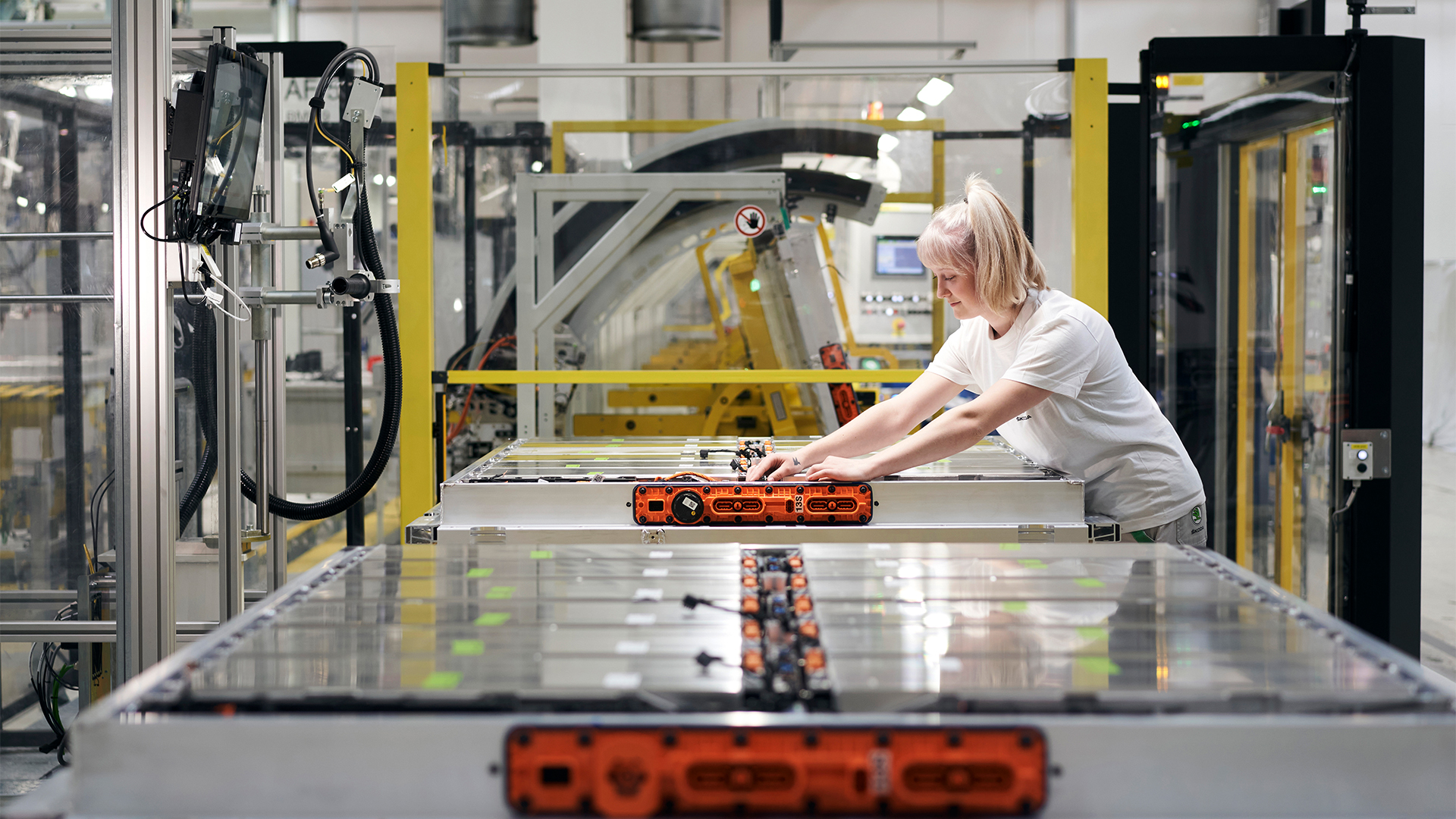
At this stage the news comes from a Weibo post where the individual claims the new battery material is in testing and it could lead to 10,000mAh+ batteries. So we're still taking this with a pinch of salt. That said, China has form for testing new battery tech so it makes sense this would be in the pipeline.
Other rumours suggest that brands including Huawei, Honor and Xiaomi are working on a double-layer coating battery tech. This could be used to increase battery life while also keeping the size to a minimum.
This double-layer battery tech is currently being tested and refined for electric vehicles. There it can mean better range, faster charging and longer life as well as improved safety. So better all round then.
If this technology can be brought to smartphones, we can expect all round better performance. Although, initially at least, you can expect this to appear in mid-range phones as manufacturers generally like to test out the new tech before unleashing it on the flagship smartphones.
All that should mean we won't see this in an iPhone anytime soon then.