“Bangkok is amazing, absolutely wonderful.” “It’s easy to build a future.” “The number one problem is traffic jams.” “Bangkok is great if you have money.” These were some of the responses we heard when we asked the question: Is Bangkok a good place to live?
Thailand’s capital, a city of opportunities, convenience and possibilities, is home to 5.4 million people, according to official 2026 data from the Department of Provincial Administration. Unofficially, the figure is twice that.
Though the official figure has dropped by about 3% over the past five years, Bangkok remains one of the world’s most densely populated cities, with the daytime population of workers, travellers and commuters estimated at 10 to 11 million.
The city leaves a different impression on everyone who passes through it. And despite daily reports of traffic accidents, yearly pollution crises and rising living costs, it consistently ranks among the world’s premier cities in international media outlets.
From lifelong locals to newcomers and people who moved to the city in search of new prospects, this episode of the Bangkok Post’s Why Bangkok gathered perspectives on how people view the city. (Story continues below)
‘Yes, it is’
The majority answered yes when asked the thematic question, citing prosperity and convenience among the city’s biggest advantages.
“I think it’s a good place to live. Things are convenient and modern … It’s the centre of prosperity,” said Jele, a Bangkok-born 17-year-old.
Many praised the city’s convenient transport system, which allows them to travel easily by bus or electric train, including the commuting support for people with disabilities.
“Most disabled people stay in Bangkok and never move to the provinces because the facilities there just aren’t sufficient,” said Khaophong, a 42-year-old lottery seller in a wheelchair in Yaowarat.
Food unsurprisingly got votes. “It’s easy to find food, even when I finish work late,” said Torfhan, a 29-year-old walking around Siam Center in Pathum Wan.
The development of public spaces, particularly parks, was also mentioned as it has fulfilled the need of Thais who in recent years have shifted to prioritise health and wellness, with younger people increasingly engaging in activities such as running.
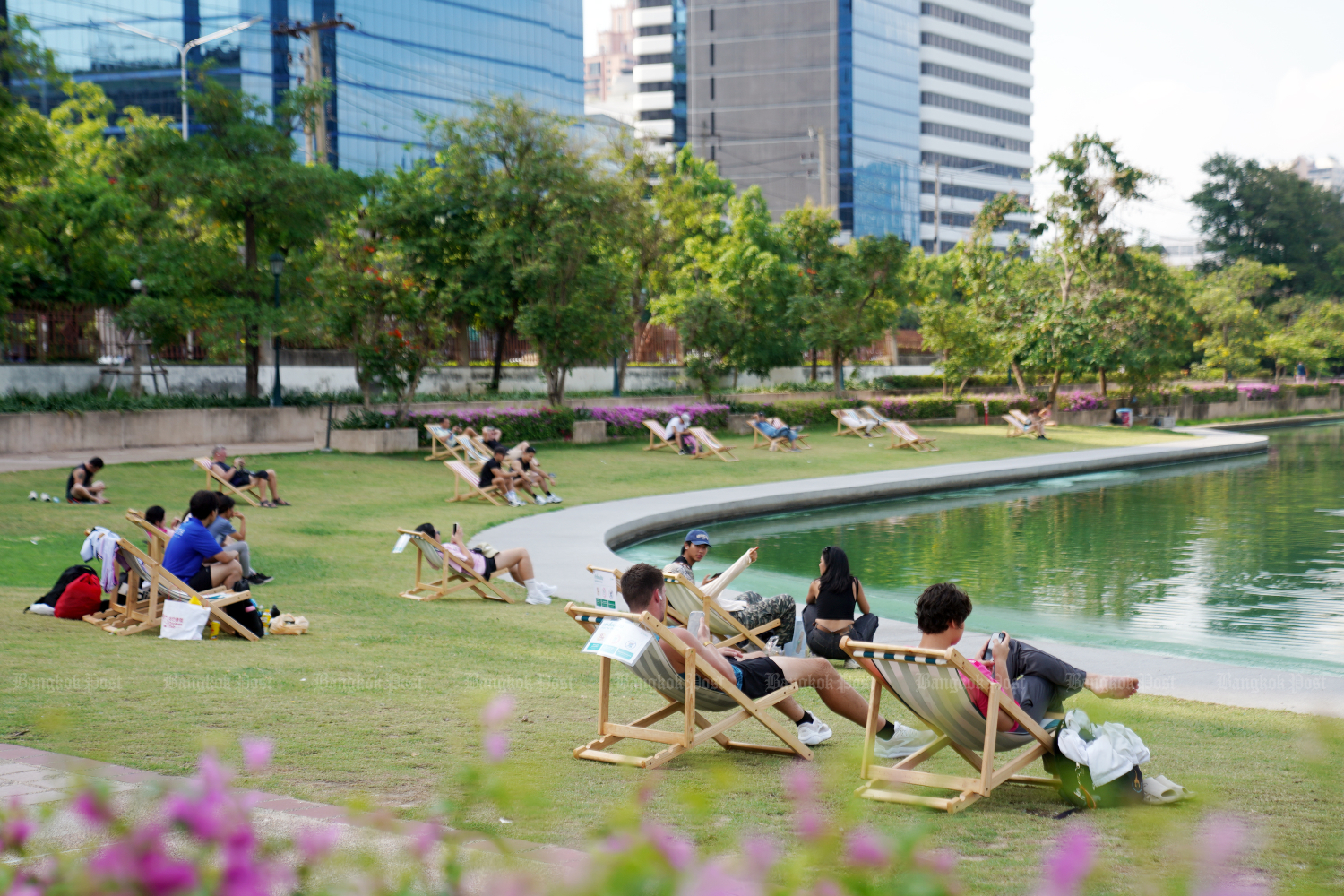
Among foreigners, interviewees who had spent only a short time in the city also described Bangkok positively. “It’s really fun. I’m having a great time here … it’s sunny, it’s hot, so I’m happy to be here,” said Brian from France, who was in his third week in Bangkok.
A German expat who had previously lived in Turkey compared his experiences. “Istanbul is very different from living in Bangkok because people really want to take your money. They really want to cheat you and scam you,” he said. “But here I can leave my bag on the street and it’s okay. No one will take it.”
Traffic tops concerns, rising living costs worry residents
What should be improved? Traffic congestion was the top answer, an issue that has also been singled out as a major contributor to the second problem — air pollution.
“People in Bangkok don’t really use public transport like buses. They use personal vehicles, which create traffic jams. I think traffic jams are the number one problem, followed by air pollution,” said Fueng, 25, a Bangkok-born office worker.
Acknowledging that fine-dust pollution known as PM2.5 is a national crisis, she suggested improving public transport and encouraging urban people to use more electric vehicles, which could help reduce emissions and air pollution in the city.
“Probably the construction that disrupts traffic,” said a 23-year-old university student, singling out another issue. “I understand that construction takes up space, but it shouldn’t take so much time.”
“The traffic jams that last too long are exhausting,” said another teenager.
Beyond these issues, many also voiced concerns about the financial burden of living in the capital.
“The expenses are high, rent and everything. In Bangkok, you have to pay for everything yourself,” said a noodle vendor in Khlong Toey originally from Phitsanulok, expressing weariness after 20 years in Bangkok. “Everyone from every province ends up here. You get both the good and the bad,” he added.
“The cost of living is so high now. One hundred baht a day just isn’t enough anymore. It used to be, but now you need two hundred,” said another vendor who has lived in Bangkok for 40 years.
Many said rising fuel prices have also made urban life more difficult, urging the government to address the issue. “I’m just an ordinary employee, so I’m affected too. Rising fuel prices, transport costs — all of that,” said a 30-year-old from Samut Prakan.
‘There’s no work at home’
For many people from the provinces, viewing Bangkok as a liveable city reflects a larger national reality, as moving here was less a choice than a necessity.
The city gives them hope, a future and possibilities in ways their hometowns struggle to match.
“Bangkok is good. Everyone has moved here. I’d be dead living in the countryside. No one would hire me. In Bangkok, I can earn money for my family,” said Samai, 67, a motorcycle taxi driver from the Northeast who has lived in Bangkok since 1994.
Another tuk-tuk driver from the same region said: “In the countryside, there would only be farming. In Bangkok, at least there are things to do. I make a thousand baht a day driving a tuk-tuk. It’s enough.”
A 31-year-old named Got, from Hua Hin, who works in online retail, said the city offers many business opportunities because of its dense population and higher income levels compared with the provinces.
“Bangkok is where opportunities are easier to grab,” said another resident from Phetchabun. “The provinces are modernising, but they still can’t match the capital.”
However, she noted that better prospects do not mean surviving in the city is easy, and that greater opportunities also create a more competitive society.
“In Bangkok, you really have to grind. Back in the provinces, you could walk into any neighbour’s house and share a meal. Here, it’s every person for themselves.”
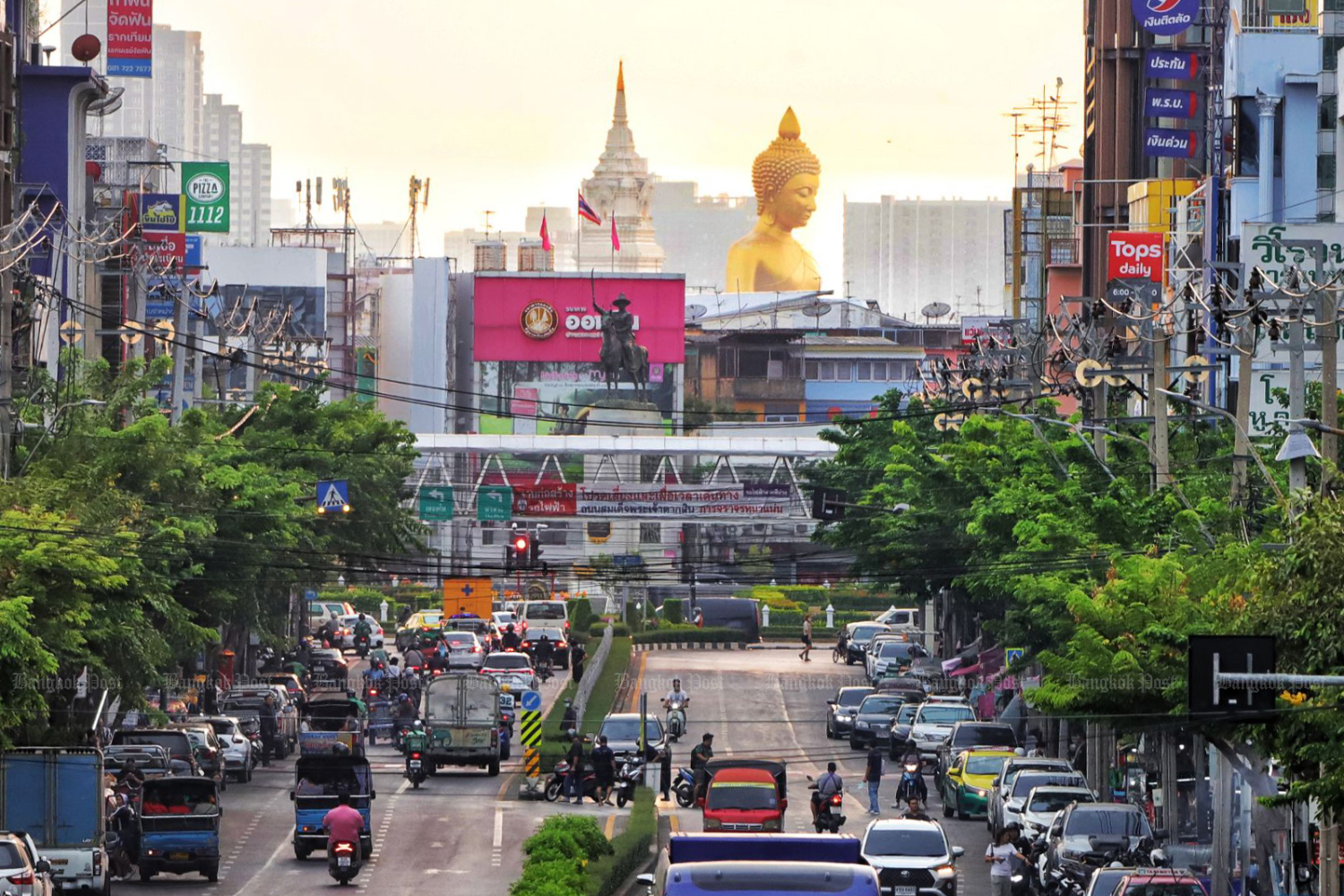
Bangkok — known in Thai as Krung Thep or the “City of Angels” — means different things to different people. Many opinions overlap, yet each is shaped by different experiences.
So, with its familiar ups and downs, where is Bangkok headed?
The Bangkok gubernatorial election, which will take place on June 28, could become an important milestone. Visions, policies and solutions are being promoted by a total of 16 candidates.
Whoever wins — former governor Chadchart Sittipunt or his closest rival, Chaiwat Sathawornwichit of the People’s Party — the result will add another layer to responses to a question that appears simple, yet remains complicated to answer, “Is Bangkok a good place to live?”