An Iranian drone attack on the US Embassy in Saudi Arabia last month caused significantly more damage than previously acknowledged by authorities in the Kingdom and also struck a Central Intelligence Agency (CIA) facility within the compound, according to a latest report by The Wall Street Journal, citing current and former American officials.
The attack took place in Riyadh on March 3, when a drone breached air defences protecting the Saudi capital’s Diplomatic Quarter and struck the US compound. Officials said a second drone followed shortly after, flying into the breach created by the first and detonating.
The strikes occurred at around 1.30am and hit a secure section of the embassy complex. According to officials, three floors sustained heavy damage, and areas including the Central Intelligence Agency (CIA) station were affected.
While Saudi authorities initially described the incident as causing only minor material damage and a limited fire, sources told The Wall Street Journal that the blaze lasted for nearly half a day and left parts of the embassy beyond repair.
No casualties were reported, but officials said the timing prevented what could have been a mass-casualty event had the attack taken place during the working hours.
Additional drones were intercepted later that night, with debris falling near a preschool. One drone was believed to have been targeting the residence of the senior-most US diplomat in Saudi Arabia.
“It was able to produce an indigenously made weapon, fire it across hundreds of miles and put it into the embassy of their top opponent, which means they could have hit anything they wanted in the city,” said Bernard Hudson, a former CIA counterterrorism chief.
“There’s been a complete blackout on the actual amount of damage done to these places,” he added. “That feeds suspicions that a lot more damage may have actually happened.”
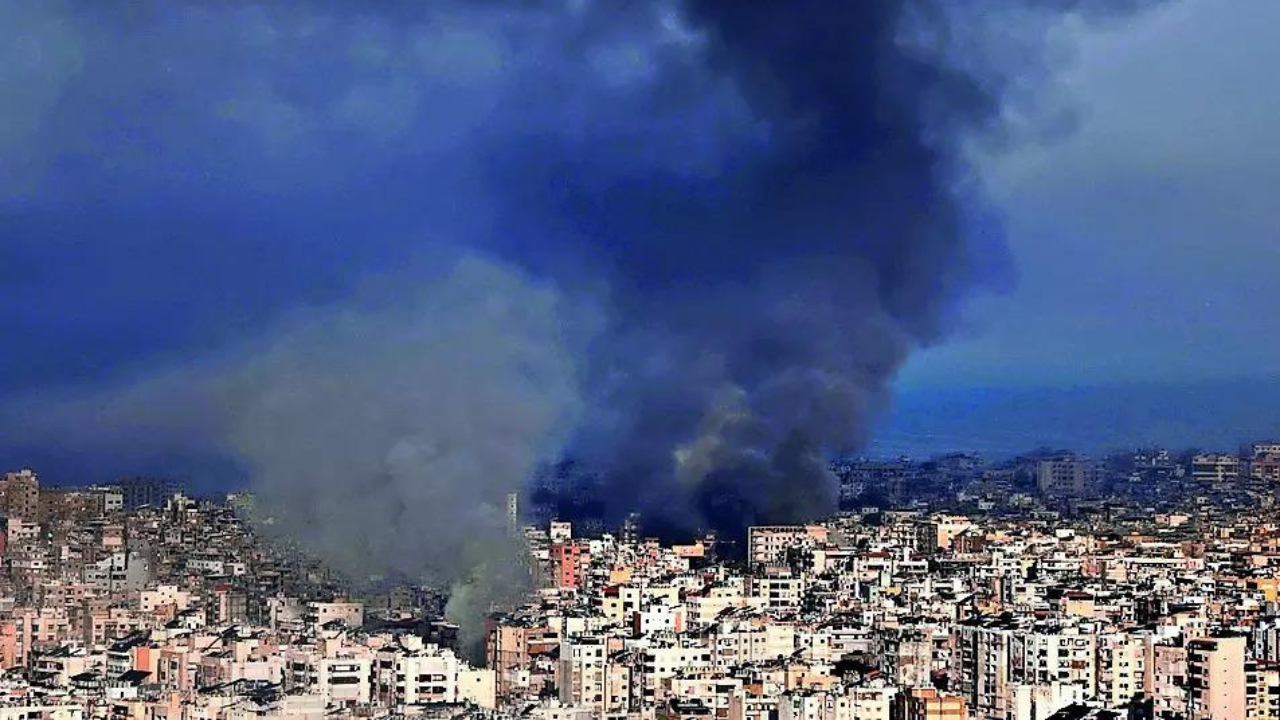
The incident is part of a broader escalation in which Iran and allied groups have targeted US diplomatic and military sites across the region. Embassies and consulates in Baghdad, Dubai, Kuwait City, Riyadh and Erbil have faced missile or drone attacks, though none caused American fatalities.
The US State Department said it does not disclose specific security measures but confirmed it is monitoring threats in Saudi Arabia and has advised citizens to avoid locations associated with Americans.
The widening conflict involving Iran, the United States and Israel that began on February 28 has now entered its second month, driving up tensions across the Middle East and raising concerns of a broader regional escalation. The confrontation began with joint US-Israel strikes on Iranian military and security infrastructure, prompting Tehran to retaliate with missile and drone attacks on American bases across the Gulf and other regional targets, setting off sustained exchanges between the sides.
Not just Riyadh, US embassies and consulates in Baghdad and Erbil in Iraqi Kurdistan have also been targeted, with attacks reported near American diplomatic facilities amid the ongoing conflict. Similar threats and attempted strikes have extended across the Gulf, including Kuwait and the UAE, according to multiple reports.