
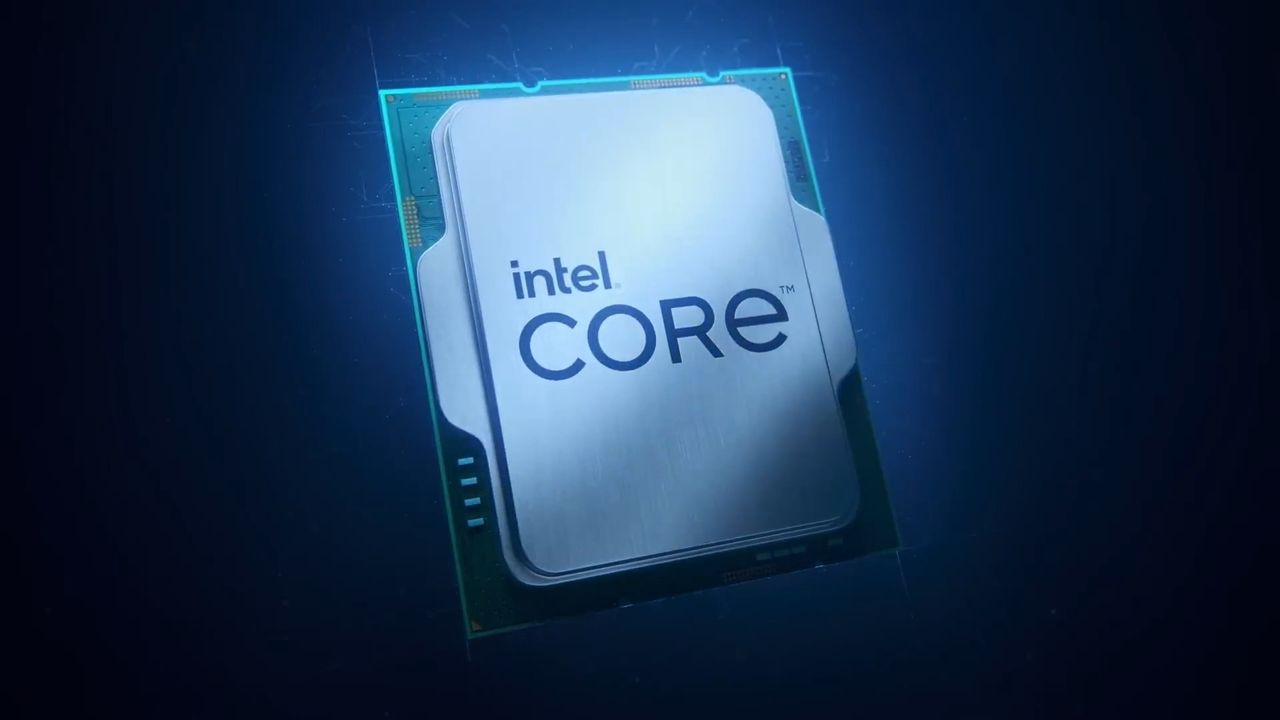
Yesterday, we broke news of a third Raptor Lake refresh in the works from Intel, dubbed "Raptor Lake Next." Following that, new leaks have emerged from reliable tipster Jaykihn confirming the codename and detailing the upcoming family. Raptor Lake Next is slated for early 2027 and will land on the LGA 1700 socket as reported previously, but some outlets say it will also retain the existing Core 200 branding.
- Raptor Lake silicon, not Bartlett Lake- Early next year- Desktop and mobile (125W, 65W; HX)- Coexists with 14th generation availability- No fresh features from RPL-R. For comparison, RPL-R had many from RPL, such as WiFi 7, Fast Throttle, APO, etc.Specs soon.June 13, 2026
According to the rumors, Raptor Lake Next doesn't use Bartlett Lake silicon, which is Intel's special lineup for edge and embedded devices with only P-cores. That means a 12 P-core SKU has been ruled out for now, and that Raptor Lake Next will stick to the usual hybrid config. It's expected to scale across mobile and desktop with up to 125W parts and HX models as well, but it won't bring any new notable features.
Essentially, we're looking at rebranded 14th Gen CPUs that are likely being re-released because of their high yields. Intel spent a considerable amount of time and effort fixing the stability issues with 13th and 14th Gen families, so it makes sense the company wants to maximize its returns here. The Core-i9 14900K is still the most performant gaming CPU Intel has ever released, so calling this leftover silicon doesn't feel right either.
Jaykihn also provided further specs for the Raptor Lake Next, claiming it will only spread across Core 3, Core 5, and Core 7; no Core 9 SKUs in sight at the moment. At the top sits a Core 7 part with 8 P-cores and 12 E-cores, totaling out to 20 cores rated at 65W, same as the Core i7-14700. Then there's a 16-core 125W processor, which is identical to the Core i7-13700K, but it's counted as "Core 5" for Raptor Lake Next.
Raptor Lake Next Desktop iGPU Enabled SKUsC7 8+12 65WC5 8+8 125WC5 6+4 65W 24MB L3C3 4+0 65WThe i5 6+4 65W 24MB L3 is a new configuration (Default 20MB L3 for 6+4).The closest alternatives are the 13490f/14490f, which do not have integrated graphics enabled. https://t.co/Q5nzFtSMTvJune 14, 2026
There's a special 10-core 65W part with 24MB of L3 cache because the previous 10-core silicon only had 20MB. It looks like the cache from disabled core clusters will still be accessible in certain Raptor Lake Next SKUs, and this might become a trend going forward. Lastly, we have a Core 3 CPU with 4 P-cores and no E-cores, running at 65W as well. Since all these chips are based on Raptor Lake silicon, they use Raptor Cove P-cores and Gracemont E-cores.
Keep in mind that RTL and RTL-R both came with Intel HD 700 series integrated graphics; the new Arc Xe architecture debuted with Arrow Lake on desktop. Nonetheless, Raptor Lake Next will work with DDR4 memory because it uses the LGA 1700 platform. That could help alleviate at least some of the burden of building a PC today as DDR5 RAM doesn't seem to be getting cheaper anytime soon.
Raptor Lake Next is apparently going into production in January 2027 so it could be available in Q1 2027, coexisting with Nova Lake as perhaps the value-focused option from the Blue Team. All rumors point toward Nova Lake being delayed to next year, but officially we still expect an announcement later this year. Regardless, the two families sure look like they'll overlap, which is why the Core 200 vs Core 400 distinction would be important for consumers.