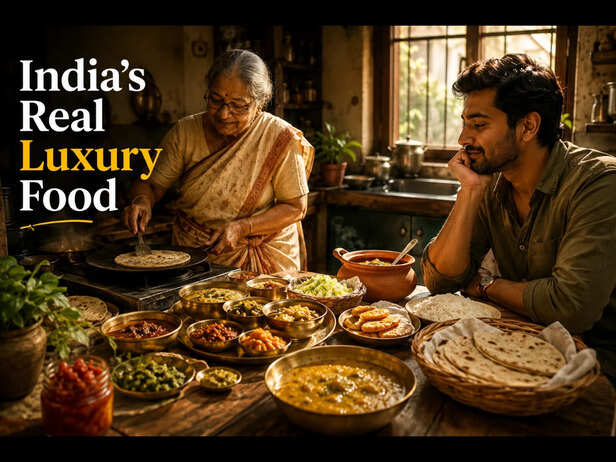
The richest food experience in India right now might be sitting in your nani’s kitchen. For years, luxury dining in India meant imported ingredients, celebrity chefs, rooftop restaurants, and cuisines that sounded foreign. The richer the experience looked on Instagram, the more desirable it became. But something unexpected is happening now. Young Indians are travelling back to their roots. They are searching for recipes their grandmothers once made without measurements, timers, or fancy plating. Suddenly, hand rolled rotis with homemade white butter feel more luxurious than gold leaf desserts. A forgotten pickle recipe from a village in Rajasthan carries more emotional value than a ten course tasting menu. India’s newest luxury food movement is not built around excess. It is built around memory.
The Emotional Comfort of Grandmother Food
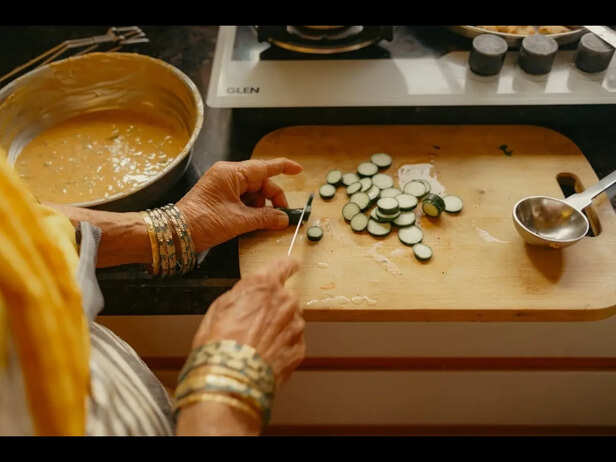
There is something deeply personal about food cooked by grandmothers. It is never just about taste. It carries stories of migration, family traditions, festivals, hardships, and love. A bowl of dal made by a grandmother often tastes different because it comes with patience that modern life rarely allows. In many Indian homes, these recipes were never written down. They survived through observation and repetition. A pinch of spice added by instinct. Dough kneaded by feel. Pickles dried according to sunlight instead of clocks. That emotional depth is becoming rare in urban life. Today’s generation spends most of its time surrounded by fast food apps, packaged snacks, and rushed meals. In contrast, grandmother recipes feel grounding. They remind people of slower afternoons, crowded kitchens, steel utensils, and family conversations. Food is becoming a way to reconnect with identity.
Regional Indian Recipes Are Finally Getting Attention
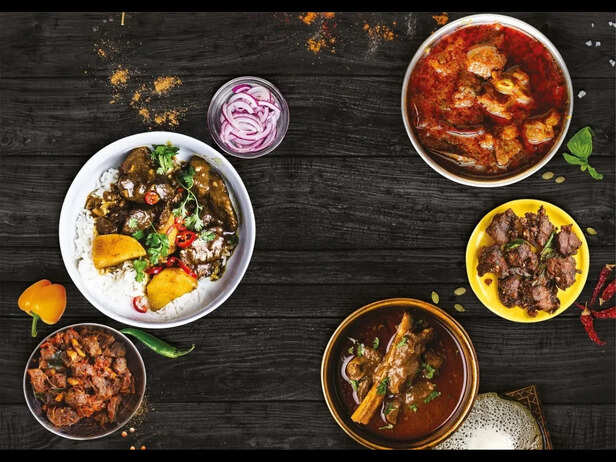
For decades, only a small part of Indian cuisine dominated restaurant culture. Butter chicken, naan, paneer tikka, and biryani became the default face of Indian food. But India’s real culinary richness has always lived inside homes. Now, regional recipes are finally stepping into the spotlight. Forgotten dishes from Assam, Uttarakhand, Odisha, Kerala, and small towns across the country are finding admiration again. People are talking about bamboo shoot curries from the Northeast, smoked chutneys from Himachal, traditional millet rotis from Karnataka, and old Kashmiri recipes cooked during winters. The appeal lies in authenticity. Unlike commercial food trends, these dishes carry geography, climate, and history within them. A grandmother recipe often reflects what a region grew naturally, what families could preserve without refrigeration, and how communities survived changing seasons. This is not just food revival. It is cultural preservation.
Why Young Indians Are Craving Nostalgia
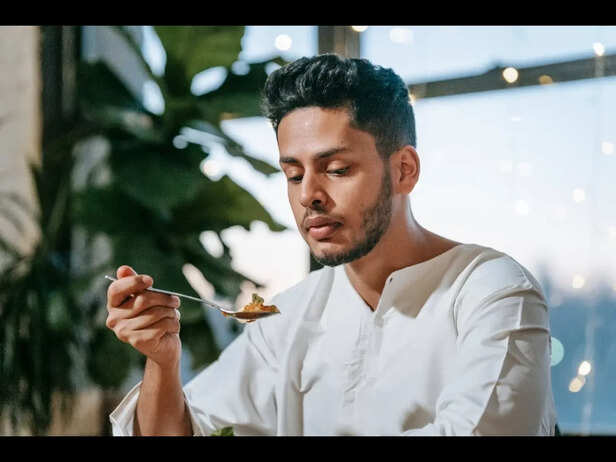
Modern Indian life is becoming increasingly digital and fast paced. Most young professionals live away from home. Meals are often eaten alone, quickly, or while multitasking. In that environment, nostalgia becomes powerful. People are now romanticising old Indian kitchens because they represent emotional security. Copper utensils, handwritten recipes, spice boxes, and slow cooking are becoming symbols of warmth and belonging. Social media has amplified this feeling. Videos of grandmothers making traditional recipes regularly go viral online. Millions watch elderly women cook over wood fires, explain forgotten techniques, or prepare festive sweets by hand. These videos feel calming in a world driven by speed and overstimulation. Even luxury brands have noticed the shift. Boutique cafes and curated dining experiences now market “grandmother style meals” and “heritage thalis” because emotional authenticity sells better than flashy presentation. The emotional connection matters more than perfection.
Slow Cooking Is Becoming the New Status Symbol
There was a time when convenience represented progress. Instant noodles, frozen foods, and quick delivery apps symbolised modern life. Now, people are beginning to admire slowness again. A curry simmered for hours feels more valuable than something prepared in ten minutes. Homemade ghee, stone ground spices, fermented batters, and sun dried papads are becoming markers of care and craftsmanship. In many urban homes, traditional cooking methods are returning. Young adults are asking parents and grandparents for recipes that were once ignored. Some are documenting family food traditions before they disappear forever. The idea of luxury itself is changing. True luxury today is not always about rarity or price. Sometimes it is about time, effort, emotional warmth, and authenticity. A meal that takes two days to prepare carries a kind of richness money cannot easily replicate. That is why grandmother recipes are gaining respect again.
The Future of Indian Food May Actually Be Its Past
India’s food future may not depend on importing global trends. It may depend on rediscovering its own forgotten wisdom. Traditional Indian kitchens understood sustainability long before it became fashionable. Seasonal eating, zero waste cooking, fermentation, local grains, and natural preservation methods were already part of everyday life. Grandmothers cooked according to weather, health, and local availability. Their recipes were practical, nourishing, and deeply connected to nature. Today, many chefs and food researchers are revisiting these traditions for inspiration. Culinary schools are studying regional techniques. Food creators are documenting disappearing recipes from villages and older generations. There is also a growing awareness that once these grandmothers are gone, many recipes may vanish with them. That urgency is making people pay attention. Food is no longer viewed only as consumption. It is becoming memory, heritage, storytelling, and identity.
The Most Valuable Indian Recipes Were Never Written in Cookbooks
India’s biggest luxury food trend is not hidden inside expensive restaurants. It lives inside homes, handwritten notebooks, steel containers, and the memories of grandmothers who cooked without seeking recognition. In a world obsessed with speed and spectacle, people are craving food that feels human again. Regional grandmother recipes offer something modern dining often cannot. Comfort. History. Belonging. Emotional warmth. And perhaps that is why the most luxurious meal in India today may not cost thousands of rupees. It may simply be the food your grandmother once made for you without ever calling it special.
Unlock insightful tips and inspiration on personal growth, productivity, and well-being. Stay motivated and updated with the latest at My Life XP.