A woman has been placed in quarantine in the Indian city of Bengaluru with a suspected case of Ebola, after she travelled to the country from Uganda.
Local health authorities said the 28-year-old woman developed body ache after she arrived in Bengaluru, having transited through Ahmedabad in western India.
An initial sample that was sent to the National Institute of Virology for testing has come back negative for Ebola, but health officials said the woman would be kept in isolation and not released until she has tested negative a second time after 48 hours.
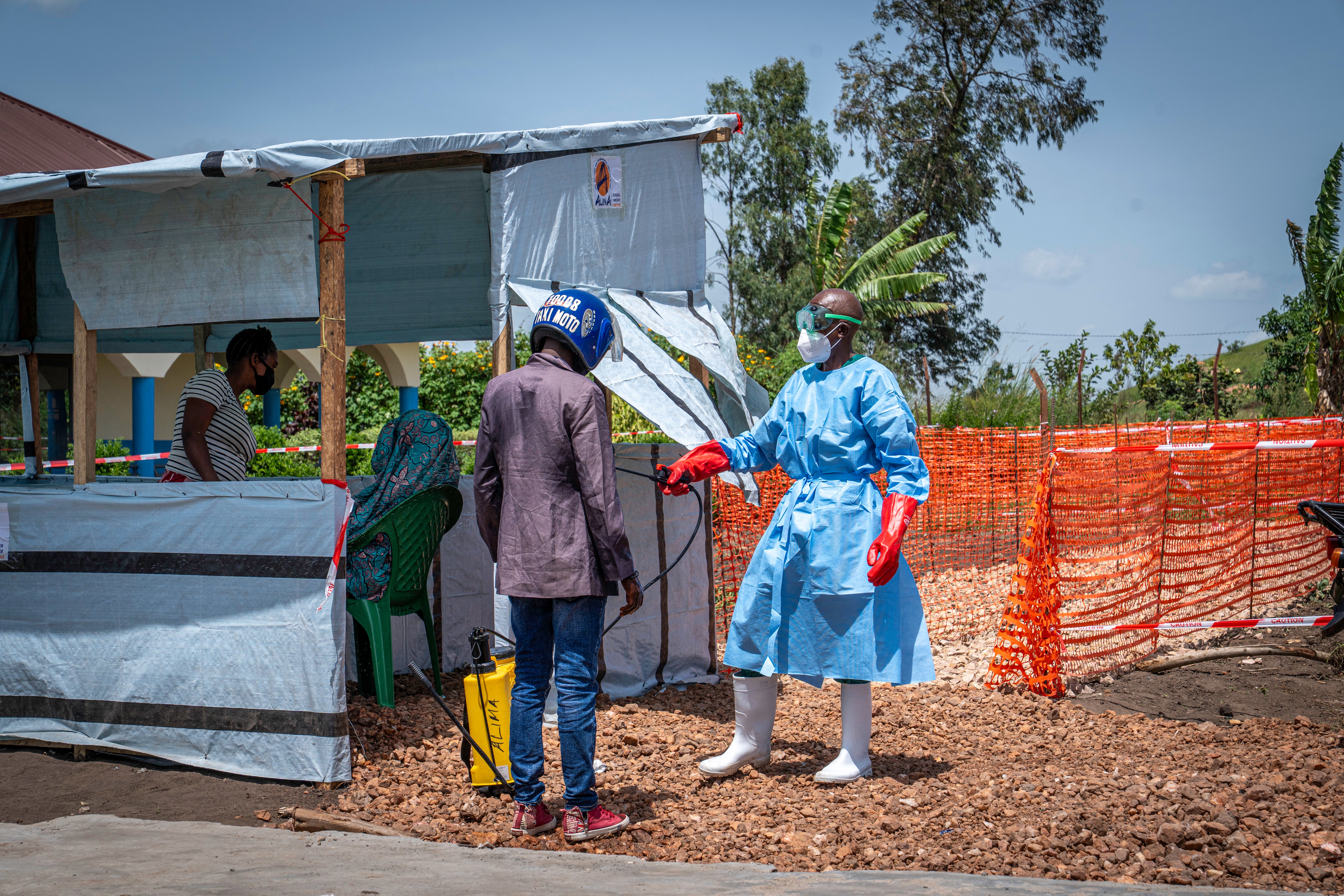
Wednesday’s health alert came just a day after health minister Jagat Prakash Nadda said India had reported no Ebola cases in the current Bundibugyo outbreak, which has largely affected Uganda and the DRC and been declared a public health emergency of international concern by the WHO.
It has been 12 years since India last reported an Ebola case in a previous outbreak in 2014.
Officials said surveillance and screening measures are being intensified in coordination with the Karnataka state authorities and in line with WHO guidelines, and urged the public not to panic or spread misinformation.
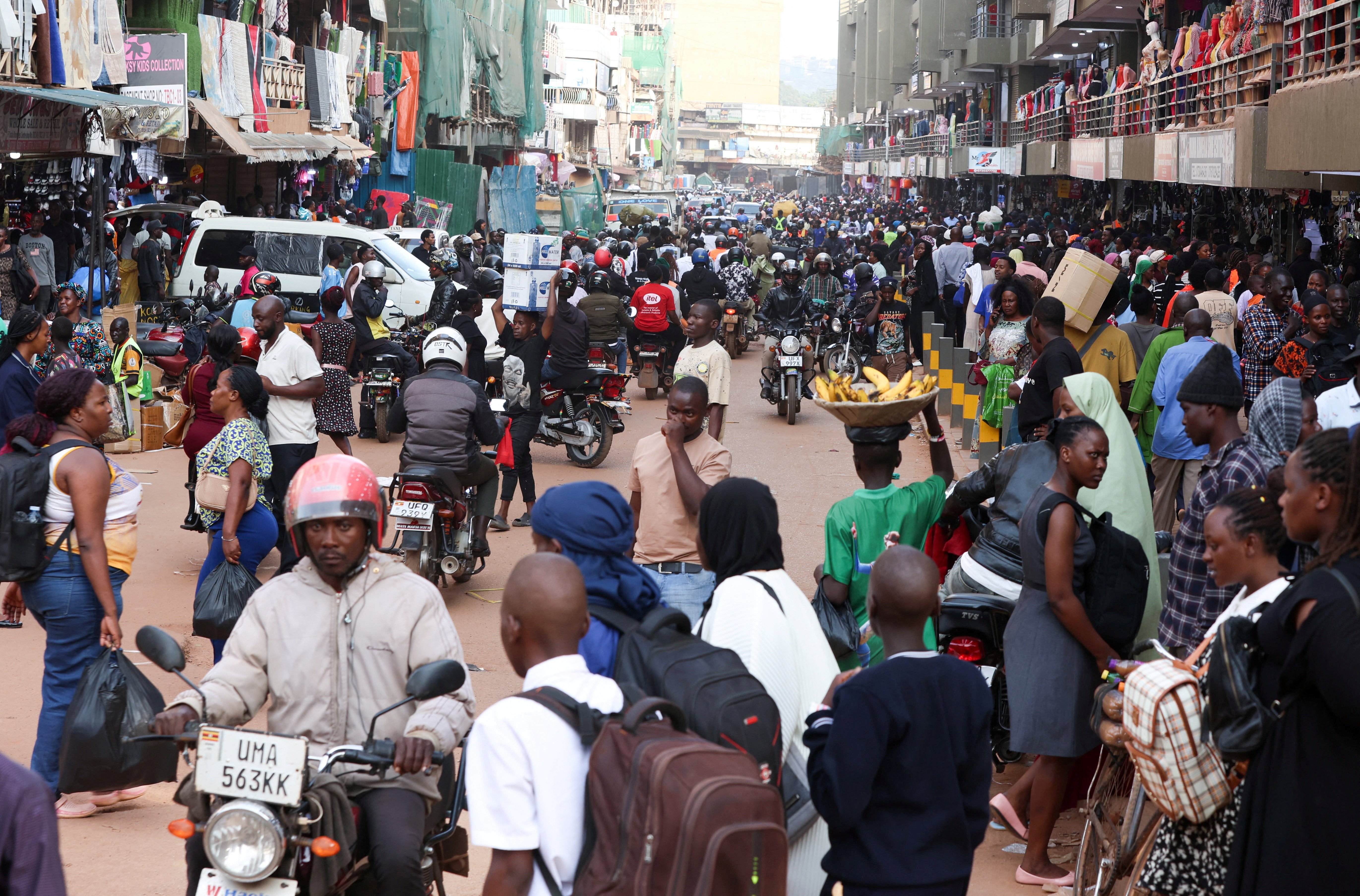
Anul Kumar Banagar, the medical superintendent of the state-run Epidemic Diseases Hospital, said that the 28-year-old woman had showed no symptoms during airport screening after her arrival in India, but the authorities continued monitoring her due to her recent travel to an Ebola-hit nation.
“The District Surveillance team and airport health officials were tracking her condition. She developed a mild body ache nearly 24 hours later, following which samples were collected and sent to the National Institute of Virology (NIV), Pune,” Dr Banagar was quoted as saying by The Hindu.
“Even if the result is negative, as per protocol, a repeat test will be conducted after 48 hours of observation,” he said. “She will be discharged only after testing negative twice.”
According to the World Health Organisation website, the average Ebola disease fatality rate is around 50 per cent, varying from 25-90 per cent in past outbreaks.
Earlier this month, the WHO said that the disease caused by the Bundibugyo virus in the Democratic Republic of the Congo and Uganda “constitutes a public health emergency of international concern (PHEIC)”. Neighbouring countries Rwanda and South Sudan are on high alert, while nations around the world have introduced additional checks for travellers coming from the affected region in Africa.
Last week, it was reported that an American doctor was among the latest confirmed cases in an Ebola outbreak in DRC, testing positive in Bunia, the capital of the country’s Ituri province.
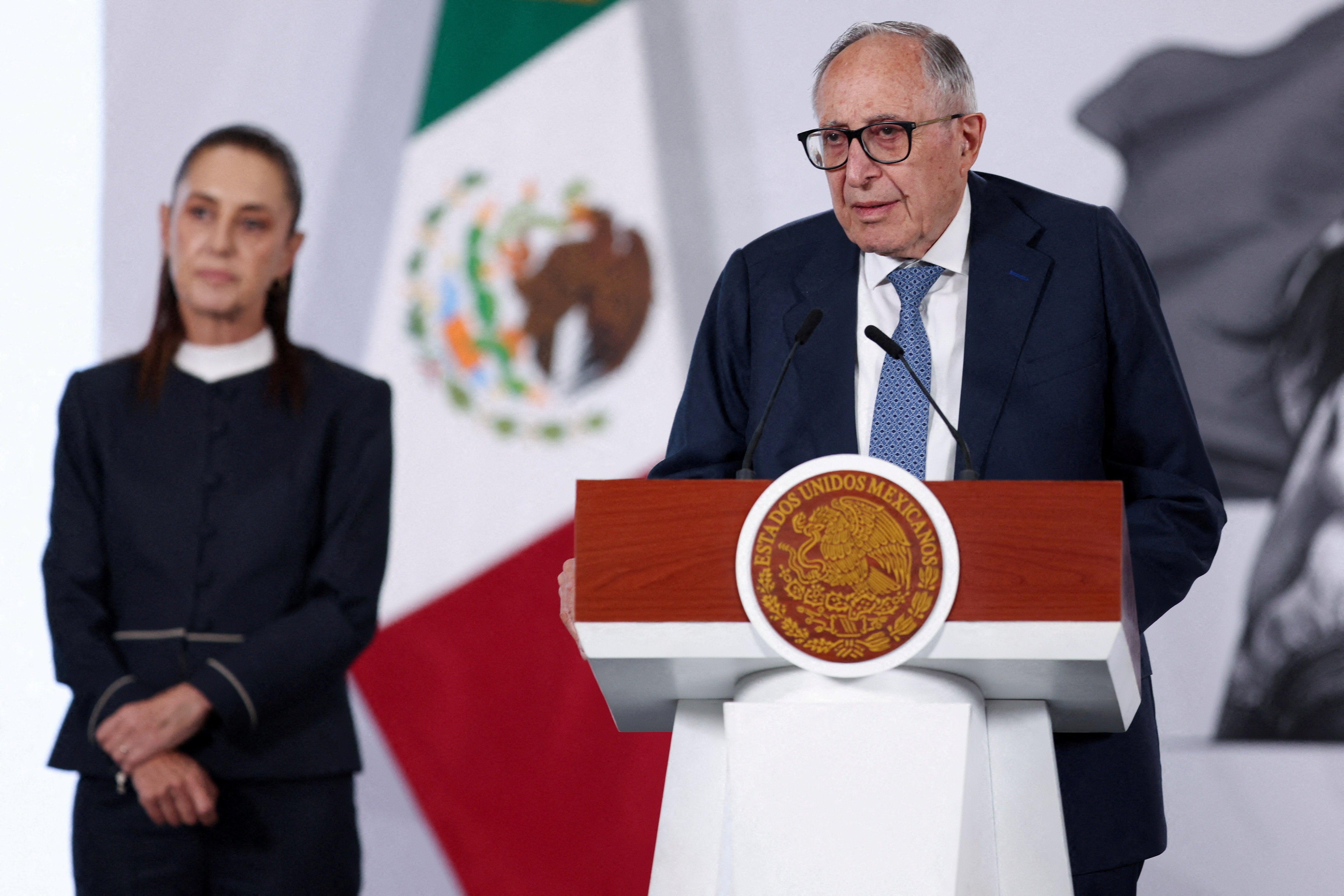
Mexico is stepping up Ebola screening ahead of the 2026 World Cup. The country’s health secretary David Kershenovich said that the country is coordinating health surveillance measures with the United States and Canada amid the outbreak in central Africa. He also said that Mexico will start screening measures at airports and urged the public to avoid travelling to the Congo. Those arriving from the country have been asked to undergo a 21-day quarantine.