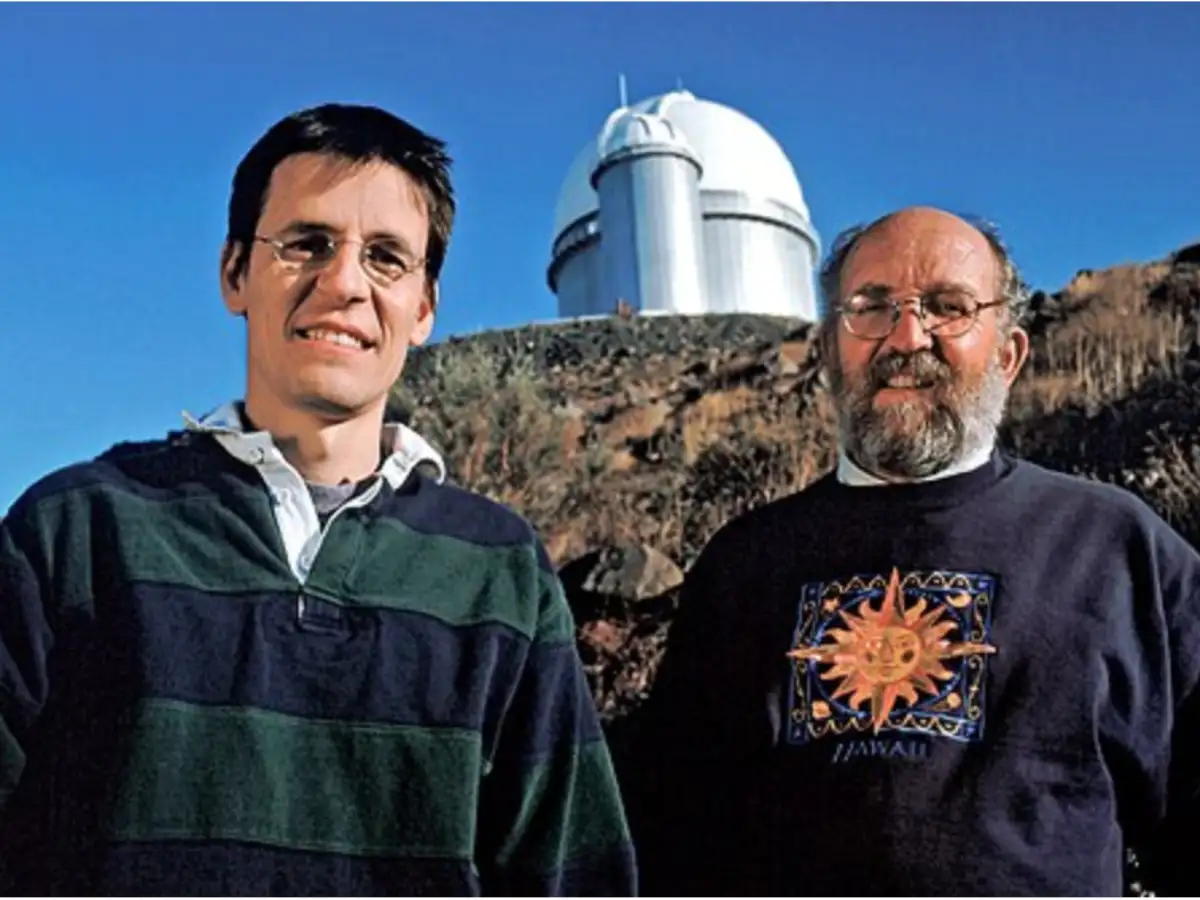
For most of modern scientific history, the Solar System served as humanity’s only example of how a planetary system might be organized. Astronomers could theorize about worlds orbiting distant stars, but they had no confirmed examples to study, and that changed dramatically in October 1995 when Swiss astronomers Michel Mayor and Didier Queloz announced the discovery of a planet orbiting 51 Pegasi, a Sun-like star roughly 50 light-years from Earth.
The planet, later named 51 Pegasi b, immediately surprised scientists because it was unlike anything found in our own Solar System. According to NASA and the European Space Agency, it was a giant gas planet orbiting extremely close to its star, completing a full orbit in just over four days. The discovery did more than add a new planet to astronomy’s catalog. It fundamentally changed how scientists thought planetary systems could form and evolve.