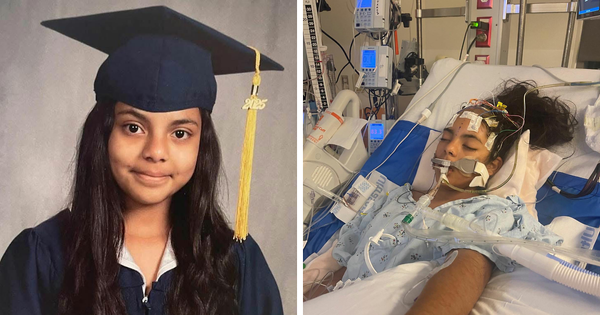
An immigrant family in Texas has alleged that a 3-year-old girl was sexually abused while in US federal custody after being separated from her mother at the border, with the child's father saying he only learned what had allegedly happened after turning to the courts for help.
The case, reported this week in McAllen, centres on a months-long delay in reunifying the girl with her father, a legal permanent resident living in the United States.
For context, the child entered the US near El Paso with her mother on 16 September last year, according to the Associated Press. After the mother was charged with making false statements, the pair was separated, and the girl was placed into the care of the Office of Refugee Resettlement, the federal agency responsible for migrant children who arrive without a parent or legal guardian immediately able to take custody.
Court Action Exposed What Happened in Custody
The father told AP he spent five months trying to bring his daughter home, only to face repeated delays during the sponsorship process. According to the report, officials said they could not schedule fingerprinting appointments needed for his background checks, leaving the child in government care for far longer than the family expected.
During that time, court documents cited by AP say the girl was placed in a foster home in Harlingen, Texas, where she later disclosed alleged sexual abuse by an older child also staying there. A caregiver reportedly became concerned after noticing the child's underwear was on backwards. The girl then allegedly said she had been abused more than once and that it had caused bleeding.
The father said he was not initially told the full nature of what had happened. Instead, he said that officials informed him only that there had been an 'accident' and that his daughter would be examined. When he pressed for details, he said he was told the matter was under investigation.
The family says the most serious part of the case was not clearly disclosed to the child's own parent until lawyers became involved and began preparing an emergency petition in federal court.
According to the lawsuit, the girl later underwent a forensic medical examination and interview, and the older child accused in the case was removed from that foster programme. The allegations were referred to local law enforcement, according to the family's lawyer, though the outcome of any investigation was not detailed in the report.
Children Spend Longer in US Custody
The case has also drawn attention because it sits inside a much bigger immigration story. Under changes introduced during Trump's second administration, legal advocates say children are spending much longer in federal custody before being released to parents or sponsors.
According to AP, average custody times for children in ORR care rose from 37 days when Trump took office in January 2025 to nearly 200 days by February this year. Over that same period, the number of children in ORR custody fell by roughly half, suggesting that while fewer children were being held, many of those who remained were staying there far longer.
That is the bureaucratic backdrop to this family's ordeal. Lawyers working with detained children say the release process has become more difficult, with tougher document requirements and delays that can leave children stuck in custody for months. The American Bar Association's ProBar project has handled eight habeas corpus petitions this year for children held an average of 225 days, a legal route it had not needed to use in the same way before this administration.
The father's legal team says court action finally forced movement. After attorneys sent a letter in February, he was eventually allowed to complete fingerprinting, a home visit, and DNA testing. But even then, no release date was given. It was only after lawyers filed a habeas petition in federal court that the girl was released to him two days later.
The Office of Refugee Resettlement and its parent agency, the Department of Health and Human Services, were named in the child's lawsuit but did not respond to AP's requests for comment. That means some of the central questions in the case remain unresolved, including what officials knew, when they knew it, and why the father says he was not clearly informed sooner.
Now living in Chicago with her father and grandparents while her immigration case continues, the girl is said to have shown signs of trauma after her release. Her father said she has nightmares and becomes upset easily, changes he said were not there before.