I’ve been keeping a secret for a decade. It’s about an experience I had in 2016, and a story I wasn’t sure I’d ever tell.
It’s been 10 years since my brush with reality TV, when I joined Channel 5’s dating show Strip Date. After it aired, I wanted to put as much distance as possible between myself and the experience. But after serious allegations this week against former Married At First Sight contestants, I’ve found myself reflecting on what my own experience taught me — not only about sexism, but about an industry that has repeatedly prioritised entertainment over women’s wellbeing.
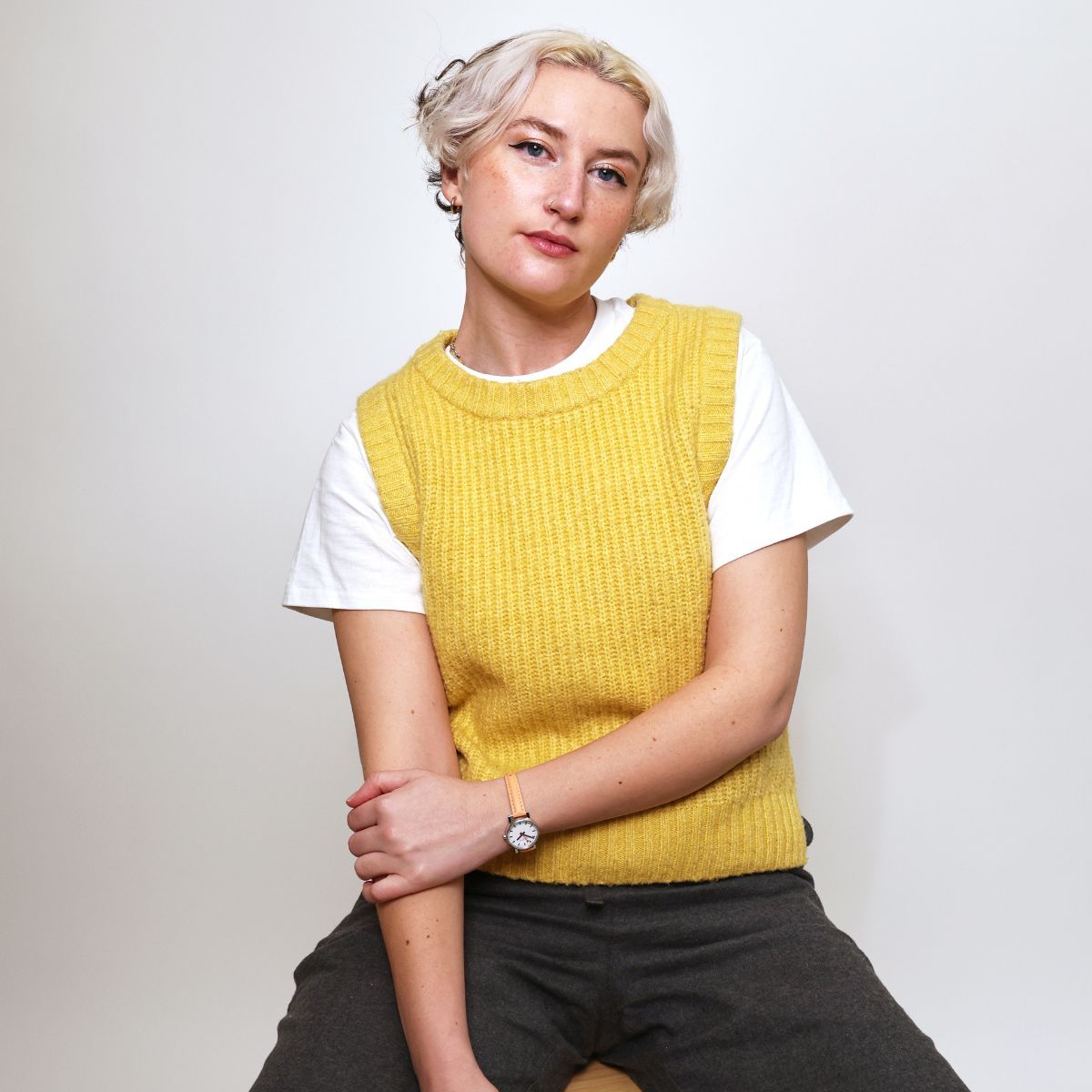
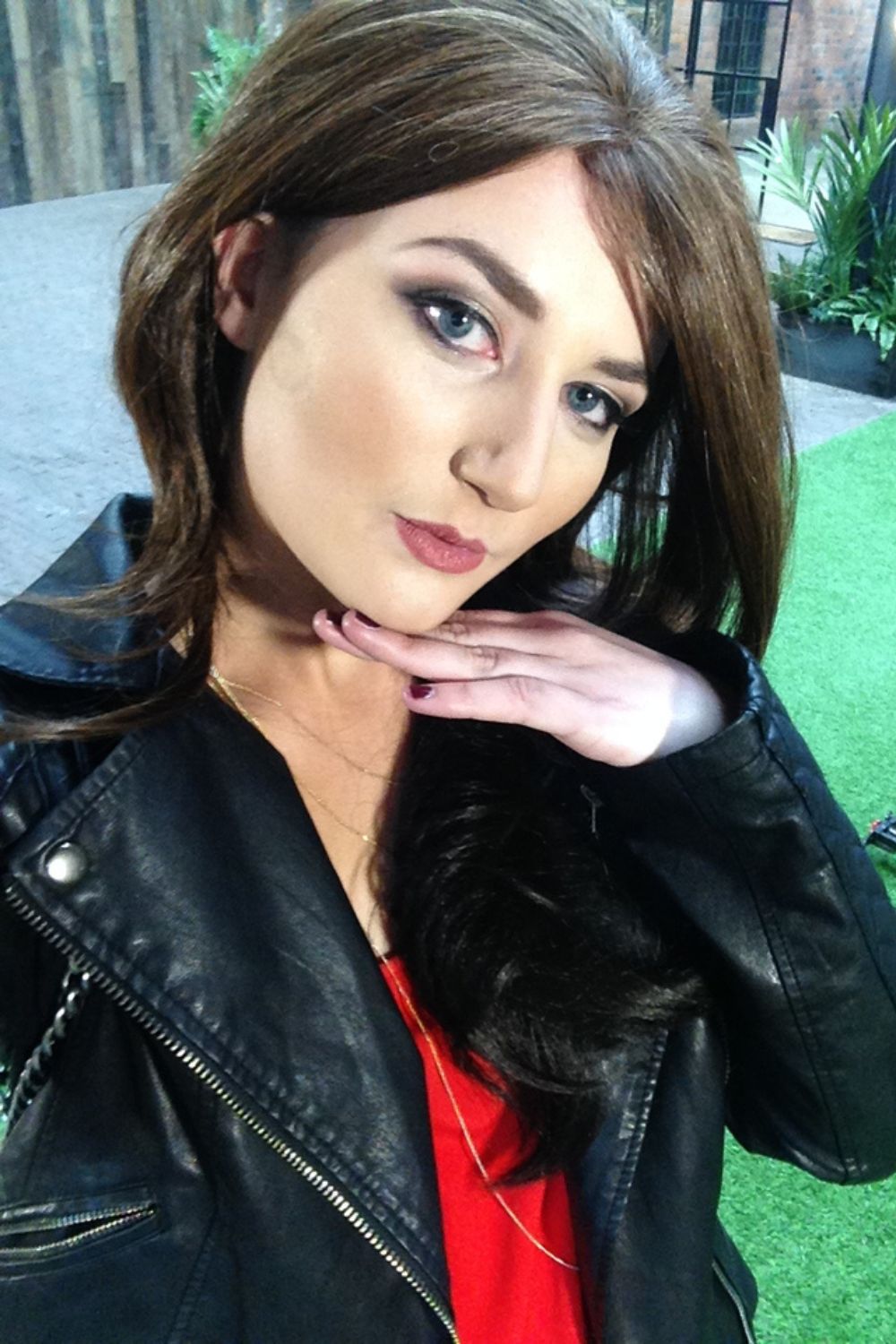
You might struggle to recognise the person in the image below, as I certainly do. I was about three seconds away from bursting into tears, and I’m amazed that the professional shot is still being used as a placeholder for the show today.
BBC Panorama reports allegations from two women who say they were raped during filming of Married At First Sight UK. While the TV industry’s shocked response may seem sincere, the entertainment industry has consistently prioritised ratings over women’s safety.
Shows such as Love Island, Love is Blind and MAFS Australia have all faced allegations of misconduct and poor aftercare. Many of these formats are exploitative by design. The MAFS contestant the BBC called “Lizzie” said her screen partner threatened, “You can’t say no, you’re my wife”.
No amount of vetting can ethically guarantee protection when vulnerability itself is part of the entertainment.
If a show asks contestants to share a bed the day they meet, it’s hardly surprising that those environments can become unsafe. No amount of vetting can ethically guarantee protection when vulnerability itself is part of the entertainment.
My experience on Strip Date was nowhere near comparable to the allegations surrounding MAFS, but it left me deeply uncomfortable. In hindsight, the reason I can share this unlikely backstory is that it’s become much harder to ignore the impact it had on my feminist values today.
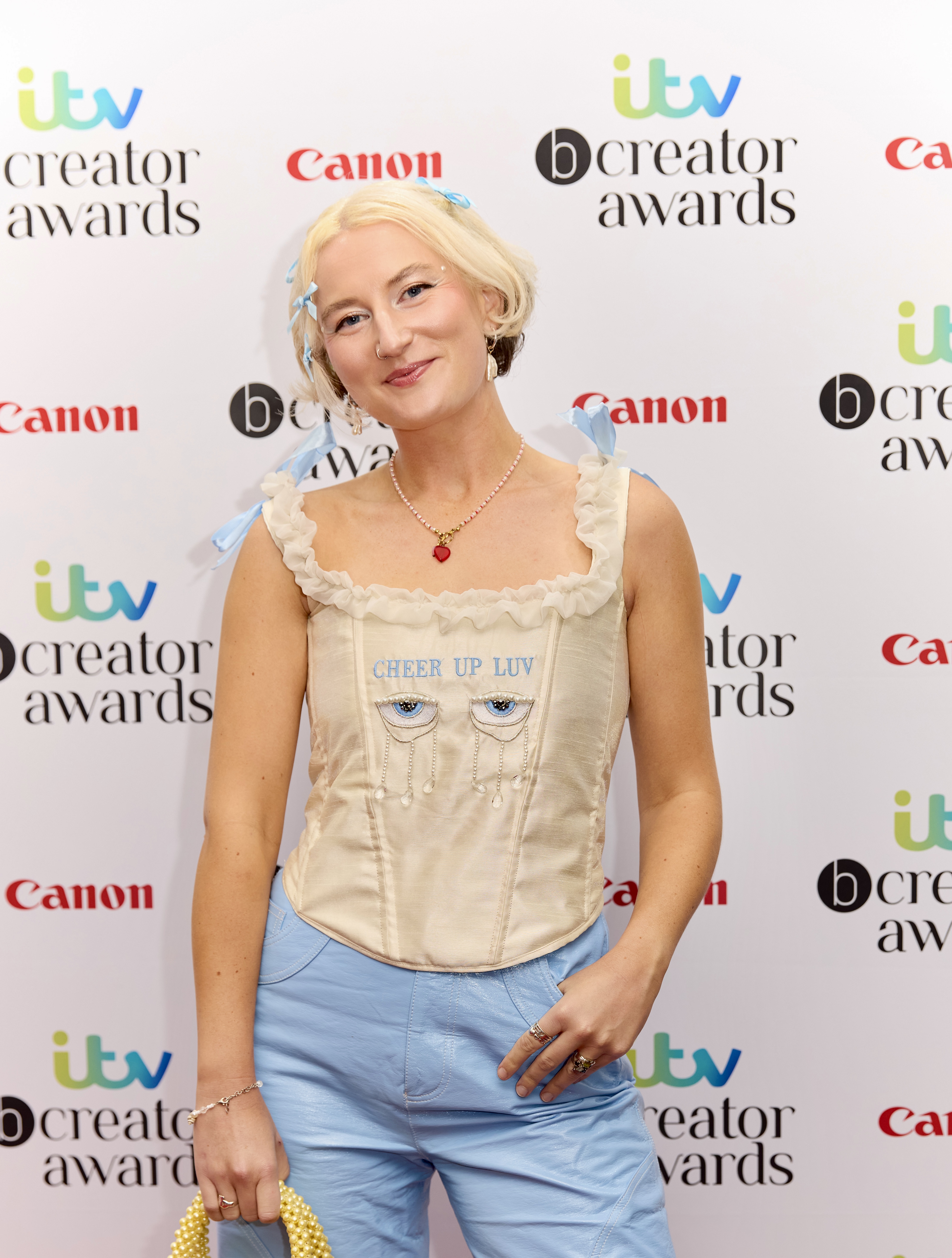
I’m now a feminist activist and founder of the platform Cheer Up Luv, which documents survivors’ experiences of sexual harassment in public spaces. But back in 2016, I was a newly single 21-year-old in my final year of university, making a project about dating culture.
My tutor suggested I go one step further and try to get onto a real dating show and document the whole thing to bolster my portfolio. Producers casting for a new programme were looking for applicants with a “unique style”. My tutor sent me the details, I applied, and landed a place on the show.
To my great relief, there was no actual stripping involved. You did, however, have to dress a stranger as your “ideal date”, go on a blind date, and then there was a “big reveal” where you dressed normally. The more visually opposite the pairings, the better television. The question the show clumsily asked was: if you strip away someone's identifying characteristics — their fashion, tattoos, hairstyles, piercings — and swap their identity, how does that affect attraction?
At the time, I had no understanding of what made “good television” or how storylines could be manipulated and influenced behind the scenes. Before filming, producers begged me to come on a specific day because they had found someone “perfect”. Naively, I thought they meant perfect for me. In reality, they meant perfect TV.
He wasted no time telling me he would cross the street if he saw me in public.
Contestants were kept apart throughout production. We travelled in different cars, stayed in different parts of the hotel and were shepherded separately to different parts of the studio. Blissfully unaware of what was going on behind the scenes, I began getting myself ready for the “big reveal”. Unbeknownst to me, in a different corner of the studio, producers were plotting something very different and were encouraging my date to perform an elaborate reaction.
Standing behind the curtain, I was excited and nervous. It never crossed my mind that the opposing difference wouldn’t be our style, but our inherent values. As the curtain dropped, so did my date’s face, and I was surprised to see a relatively normally dressed man. Laughing as I approached him for a hug, he promptly declined and offered me his hand instead, despite having hugged me the previous day. He wasted no time telling me he would cross the street if he saw me in public.
A post shared by Cheer Up Luv (@cheerupluv)
A photo posted by on
From the “reveal” onwards, I was treated like a different person. Off camera, he didn’t acknowledge me; when the cameras were on, he was all “I-wouldn’t-be-seen-dead-with-you”. He refused to even meet my eye on the train home. I had taken part in this strange show for a bit of a laugh, but his motives, I couldn’t work out.
That was until the show aired, and my friends alerted me to some tweets. It turned out my date and his friends live-tweeted the show, trolling me and trying to make a viral moment out of his five minutes of fame. The double whammy of a public shaming, followed by a swathe of online harassment, opened my eyes to the double standards women face.
It also left me with uncomfortable questions about how contestants are manipulated for “good television” — questions many viewers may now be asking of reality TV more broadly.
I’m immensely grateful I didn’t have social media at the time, and that I got off lightly by comparison. I’m also sure that going on Strip Date contributed significantly to my life’s work campaigning against sexism.
It’s only now that I can take the pieces of the puzzle and put them together. I can make sense of something I never wanted to acknowledge. Importantly, I can forgive my younger self and my shame, and tell that young woman that one day she will channel that rage and turn it into something powerful.