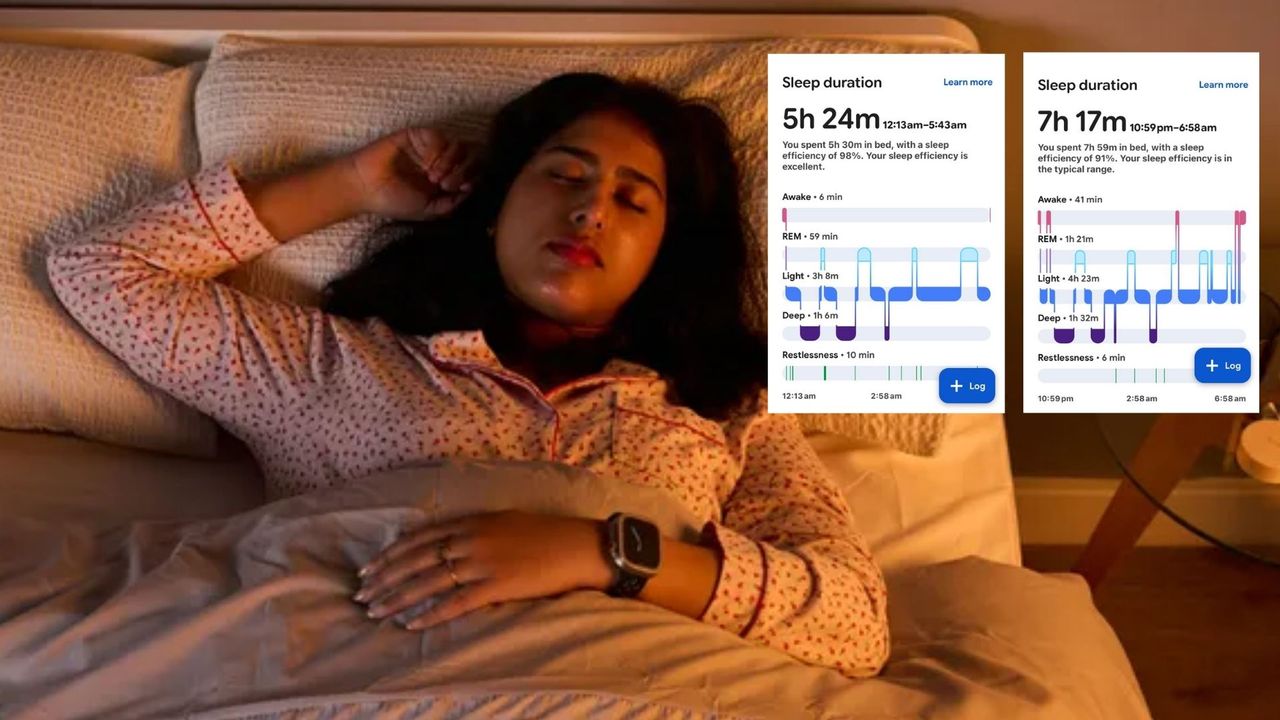
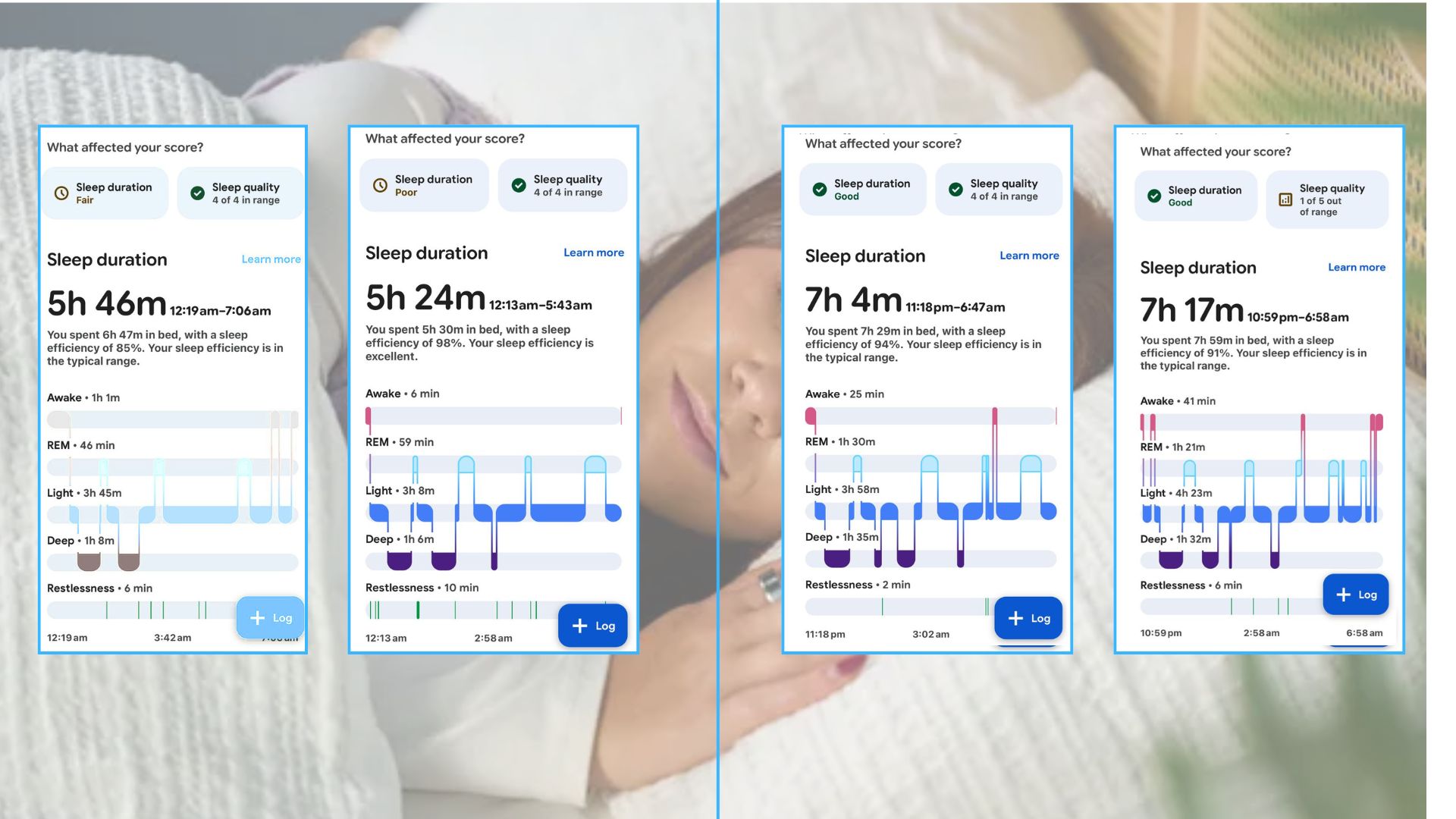
For me, decent sleep is hard to come by. I wake most mornings feeling like I haven’t slept enough and vow to make a change. And yet, more often than not, I clock around five hours of broken sleep a night. Juggling work, life and parenthood means my to-do list never ends and sleep-disrupting nighttime anxiety is the result.
However, with multiple studies pointing towards the poor health outcomes associated with people who sleep less than six hours a night, I’m making a concerted effort to sort out my sleep. I’ve started with the 7:1 sleep rule, where the aim is to get seven hours of sleep per night and go to bed within the same one hour window.
At first, I found it difficult to stick to until a doctor suggested a simple routine switch: stop obsessing over bedtime and anchor my wake time instead. Once I made this shift, I went from sleeping five hours a night to seven — and now I feel like I’ve finally cracked the code to sleeping better and for longer. Here's what happened...
Key takeaways: At a glance
- The 7:1 sleep rule recommends regularly getting at least seven hours of sleep a night, and going to bed within the same one-hour window at least five nights a week.
- At first I found the 7:1 sleep rule hard to stick to, until sleep doctors told me to focus on my wake time – and not both my bedtime and wake time.
- Once my wake time was anchored and I had a consistent schedule, my sleep duration has increased from five hours a night to seven.
What is the 7:1 sleep rule?
The 7:1 sleep rule is a snappy term to describe the practice of achieving a minimum of seven hours of sleep and going to bed within the same one hour window (half an hour on each side), at least five times a week.
It is a concept developed by researchers from Vitality and The London School of Economics and Political Science (LSE) who, after analyzing 47 million nights of sleep data as part of a groundbreaking study, found that those who followed this sleep hygiene rule could live up to four years longer.
How I used the 7:1 sleep rule to go from 5 hours sleep a night to 7 hours
Once I had decided to make my sleep a priority, I turned my attention to the 7:1 sleep rule. However, I initially found it difficult to stick to it as I rarely felt tired at the same time every night.
And that’s because of a sleep routine mistake I didn’t even know I was making — waking up at a different time each morning.
While the 7:1 sleep rule focuses on falling asleep within the same one hour window, little mention is made of how important it is to anchor your wake-up time.
According to experts, a regular wake time is the best place to start when attempting to add consistency to your sleep schedule.
“A consistent wake time is arguably one of the most important anchors of the body's circadian rhythm because it helps set the timing of hormone release, body temperature cycles, alertness, and subsequent sleep pressure,” Dr. Joshua Roland, a Board-Certified Sleep Medicine Physician and medical director at Dreem Health, tells me.
So, instead of focusing solely on the time I fall to sleep — which can be influenced by all sorts of external factors, like the temperature, whether I’m feeling particularly anxious or whether I have plans that might mean I stay up later — I switched my attention to regulating my wake time. And that’s when I began to see an uptick in my sleep duration.
'While a regular bedtime is beneficial, wake time tends to have a stronger influence on stabilizing your internal body clock'
Dr. Joshua Roland, Board-Certified Sleep Medicine Physician
By stipulating a wake time and (mostly, I’m not perfect) sticking to it, I feel tired around the same time each night. Which meant I started to fall asleep faster and clock up more time asleep.

From someone who got in the region of five to six hours per night, I’m now getting seven. According to Dr. Roland, that’s entirely expected.
“While a regular bedtime is beneficial, wake time tends to have a stronger influence on stabilizing your internal body clock, and is easier to control than when we fall asleep,” says the sleep expert.
“Even after a poor night's sleep, maintaining a consistent wake time can help restore healthy sleep patterns more effectively than sleeping in.”
3 other routine changes I made to get more sleep
As well as following the 7:1 sleep rule in my quest for better sleep, I’ve also been paying close attention to my sleep pressure. Sleep pressure, also referred to as homeostatic sleep drive or sleep hunger, is a term that essentially describes your urge for sleep.
It begins to build from the moment you open your eyes and starts to drop when you go to sleep. The higher your sleep pressure, the easier it is for you to fall asleep. So, with that in mind, here’s what I’m doing to make sure I have enough sleep pressure in the tank to fall asleep within that golden one-hour window.
1. Getting plenty of exercise

First, a quick bit of science. Your sleep pressure is largely fuelled by a neurotransmitter called adenosine. And adenosine is a byproduct of, among other things, physical movement.
That means that even though sleep pressure naturally builds over the course of the day until you feel tired at night, moving your body helps push it even higher.
So, getting plenty of exercise — whether it’s walking, running or just taking the stairs in the office — helps contribute to your homeostatic sleep drive, helping you to later feel tired at the right time.
As someone with a desk job and therefore fairly sedentary for a large part of the day, I know that incorporating movement into my daily schedule is helping me to get more rest.
2. Natural daylight, especially in the morning

Most of us are lucky that, during the spring and summer months, it’s light when we wake up. — and that sends a strong signal to our circadian rhythms that it’s time to be awake.
Exposure to natural light, particularly within the first 30-60 minutes, helps suppress the ‘sleep’ hormone melatonin and boost the production of get-up-and-go hormones, like cortisol and serotonin.
So, instead of spending twenty minutes scrolling on my phone, I open the curtains wide and allow light into my room. If I have time, I’ll drink my first cup of tea in the garden.
Much like lowering the lights and avoiding screens in the evening helps prepare us for sleep, natural daylight helps us feel alert and ready to take on the day. And that helps build sleep pressure so we can feel tired at night, and stick to our one-hour sleep window.
3. No more lie-ins

Dr. Roland cites sleeping in on the weekend as one of the worst habits you can form when attempting to stick to a consistent sleep schedule. For me, the opportunity for a long and leisurely lie-in are few and far between.
However, after a rough night’s sleep on the weekend, I would often rely on staying in bed longer to try to make up for lost sleep — and, according to the experts, that’s a big no-no for sticking to a consistent sleep schedule like the 7:1 sleep rule.
While waking up early on the weekend initially felt like a wrench, they’re starting to feel easier and I’m now starting the day with much more energy.
How sticking to the 7:1 rule helped me get more sleep: My verdict
By making a few small tweaks to my daily routine, like waking up at roughly the same time every day and making the time for exercise, I’ve managed to increase my overall sleep duration considerably.
And, as someone who previously often slept for less than six hours a night, that feels like a significant achievement.
My sleep routine is by no means perfect. And I’m still making plenty of mistakes along the way (like the recent night that I spent scrolling on my phone instead of sleeping).
However, one of the most important things I'm realizing is that consistently great sleep doesn't happen overnight. And I'm reminded that sticking with it and trying again the following night is another step towards better sleep and overall health.
Sleep products we love right now