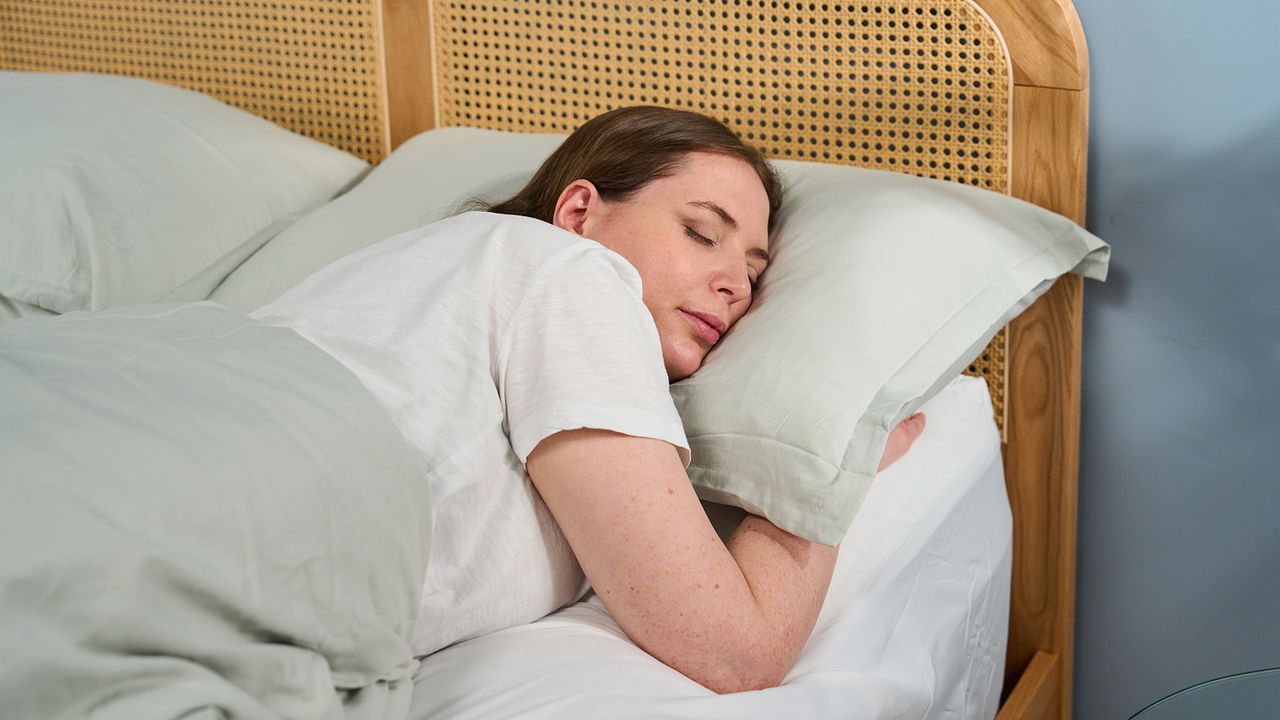
I haven’t had a consistently decent stint of quality sleep in over a decade. A combination of parenthood, the stressors of daily life and a poor late night social media habit (my willpower is no match for Meta) mean it’s fairly standard for me to clock anywhere between 5-6+ hours of sleep.
However, a recent epiphany means I think I’ve finally cracked the code to tackling my sleep issues. And the ‘trick’ to being able to fall asleep fast and skip the 3 a.m. wake-ups was staring me in the face all along. It all comes down to sleep pressure.
Sleep pressure, sleep drive, sleep hunger — they’re all terms used interchangeably that mean the same thing. It’s basically your biological urge to want to go to sleep. What experts have been telling me for years, and what I’ve only just fully grasped, is that there’s plenty you can do to increase your sleep pressure, which makes it easier to fall asleep.
Key takeaways: At a glance
- Sleep pressure is your biological urge to want sleep. It begins building from the moment you wake up, before dropping again once you fall asleep.
- Exercise, a consistent sleep schedule , an adequate window between your wake and sleep time are all ways to increase your sleep pressure
- Sedentary lifestyles, excess caffeine and lack of natural light are examples of how your sleep pressure can be impacted
- After taking steps to increase my daily sleep pressure, I’ve noticed that I sleep better and for longer
What is sleep pressure?

Sleep pressure, also referred to as homeostatic sleep drive and sleep hunger, is essentially your biological urge for sleep. Your sleep pressure begins building from the moment you open your eyes before reaching its peak when you fall asleep.
Once asleep, this sleep pressure begins to drop. That’s why it’s hard to fall back to sleep when you wake in the early hours, as your sleep pressure isn’t as high as it was when you initially fell asleep.
Your level of sleep pressure is largely dictated by a neurotransmitter called adenosine. As well as regulating other bodily functions, adenosine helps promote your sleep pressure.
Essentially, adenosine is a byproduct of physical and brain activity. So the more you move or challenge yourself intellectually, the higher your level of adenosine — which means a higher sleep drive that helps you fall and stay asleep all night.
How paying attention to sleep pressure has improved my sleep
After tracking my sleep for the past few weeks, I noticed a pattern begin to emerge. On the days that I was fairly active, walking the kids to school, cycling alongside them to various after school activities, I slept better.
But on the flip side, the fairly sedentary days that I spent working in the office — sitting at my desk and moving infrequently — I went to bed later and clocked up less overall rest.
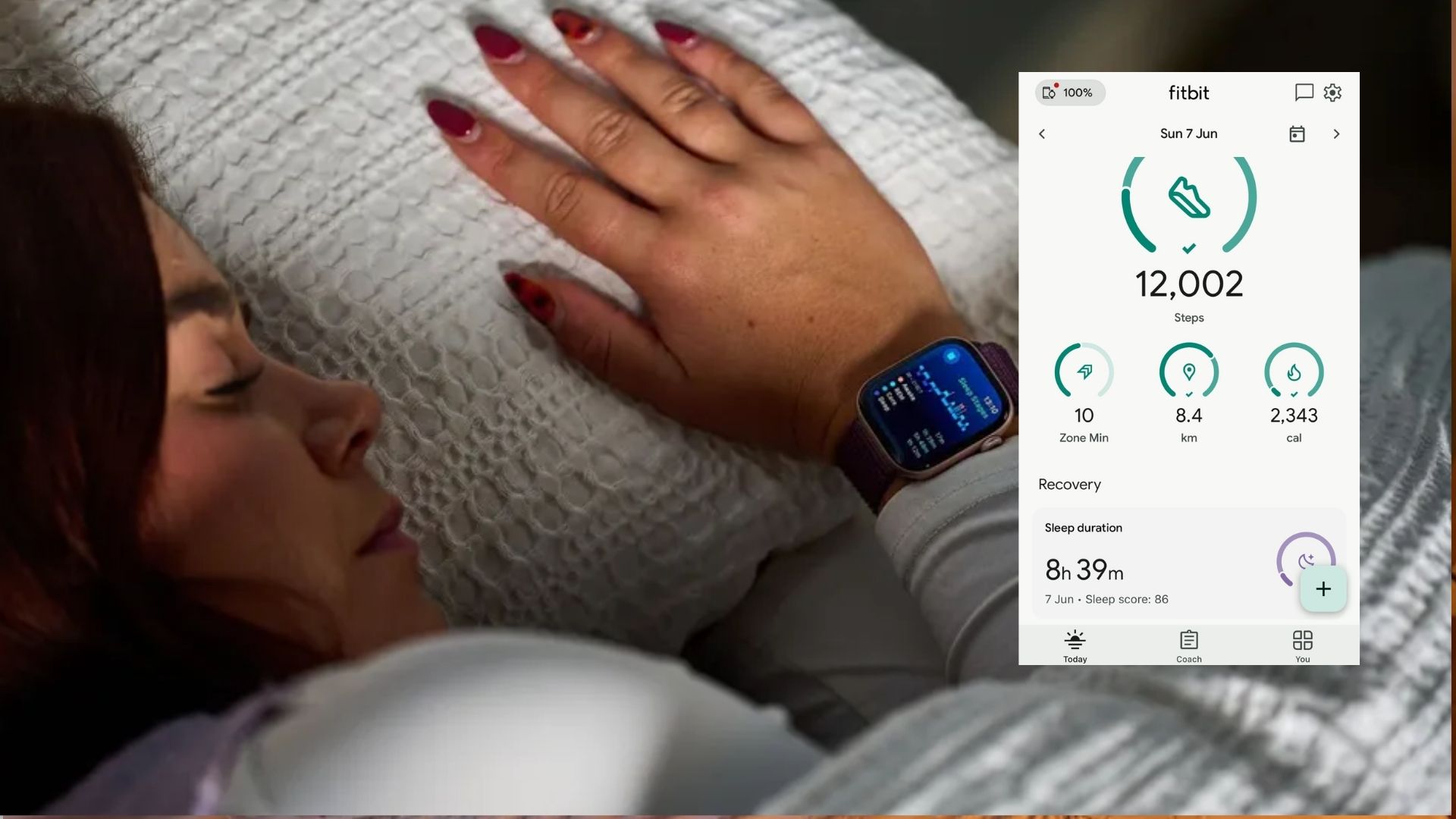
Historically, Sundays are my worst days for getting adequate sleep. Unexplained anxiety usually means I find it hard to nod off, and often wake in the early hours of the morning. However, this past Sunday, after an intentionally busy day on my feet — working in the garden, weeding, sweeping, mowing and clearing — meant I fell into bed at 9.45 p.m. and slept straight through until my sunrise alarm woke me at 6 a.m.
“I tell my patients they need to be vertical by day, so they can sleep better horizontally at night"
Dr. Alex Dimitriu, a dual board certified psychiatrist and sleep doctor
For this borderline insomniac who frequently wakes up at 3 a.m., this was unprecedented. However, according to Dr. Alex Dimitriu, a dual board certified psychiatrist and sleep doctor, it’s entirely expected. “I tell my patients they need to be vertical by day, so they can sleep better horizontally at night," he says.
Taking that on board, waking relatively early and being active outside throughout the day meant I was actively building my homeostatic sleep drive. That meant that once bedtime rolled around, I was more than ready to fall into bed, where I dropped off within minutes and stayed asleep all night.
3 ways to build healthy sleep pressure
If, like me, falling asleep is something you struggle with, there are several simple changes you can in your daily routine to ensure you get better rest at night.
"Sleep pressure builds naturally the longer you're awake, so the most effective strategies are maintaining a consistent wake time, getting regular physical activity, exposing yourself to bright light in the morning, staying mentally engaged during the day, and avoiding long or late naps," explains Dr. Joshua Roland, a board-certified sleep medicine physician and medical director at Dreem Health.
Let's take a closer look at why each daily strategy helps increase sleep pressure...
1. Move your body

Every time you move a muscle, adenosine is created as a byproduct. So, the more you move, the greater the buildup of adenosine. Which, come bedtime, helps you feel ready for sleep.
While it's easy to get hung up on trending exercises that promise different health benefits, the most important thing for building sleep pressure is that you simply move. Whether that's walking, running or dancing around the kitchen with your toddler.
"Get up and get moving, go outside, get light and get sweaty. All of that helps," says Dr. Dimitriu, the founder of Menlo Park Psychiatry and Sleep Medicine.
Research suggests that adenosine is linked to how much time we spend in deep sleep per night. Spending a decent amount of time in deep sleep helps your body restore and repair muscles, as well as clearing metabolic waste from the brain. So, the more you move, the more time you spend in deep sleep, and the more refreshed you feel the following day.
2. Get plenty of natural light
Exposure to natural sunlight, particularly in within the first 30-60 minutes of waking, helps cement your circadian rhythm. Alongside other functions, including temperature and metabolism, your circadian rhythm helps regulate when you feel tired and when you feel alert.
Morning sunlight kickstarts a chain reaction which, by suppressing key sleep hormones, like melatonin, and producing others, like cortisol and serotonin, helps your sleep pressure begin to build.
Morning sunlight exposure won't make you feel tired, but it will help you feel energized enough to take on the day. Which, in turn, will burn mental and physical energy, which increases adenosine. This, in turn, will help you feel tired closer to bedtime.
3. Stick to a consistent sleep schedule
How many times have you woken later than normal one morning (perhaps on the weekend) before deciding you'd like to have an early night that night, only to find it impossible to fall asleep?
That's because the longer you're awake, the more adenosine has had chance to accumulate in your brain. A late lie-in followed by an early night means you haven't allowed yourself enough time to build an adequate amount of sleep pressure.
On the flip side, a consistent sleep schedule will ensure that you're giving yourself enough time to clock up quality rest and build the required sleep pressure to fall (and stay) asleep all night.
"The most important part is when you wake up — that starts the timer for the night, and you can more easily control when you wake up, than when you fall asleep," says Dr. Dimitriu.
Daily habits quietly draining your sleep pressure
While there's plenty you can do to increase your sleep pressure, there's also a lot you could be doing by accident that is quietly draining you of your sleep drive, making it harder to fall (and stay) asleep.
"The biggest mistakes are sleeping in after a poor night, taking long naps — especially in the afternoon or evening — going to bed too early before feeling sleepy, and spending excessive time awake in bed," says Dr. Roland.
"Many people also compensate for sleepiness by resting on the couch or napping throughout the day, which can relieve sleep pressure and make nighttime sleep more fragmented."
Let's take a closer look at the habits to avoid...
- Long or late naps: When we nap, our adenosine levels (and sleep pressure) begin to drop, which can make it harder to fall asleep later that night. If you really need to nap, keep it between 10-20 minutes long and don't nap past 3 p.m.
- Sedentary lifestyle: On the days that I'm in the office and I barely move, my sleep suffers that night. Plenty of movement, ideally outside in natural light, builds sleep pressure, which helps you fall asleep quickly.
- Lack of mental stimulation: Your brain is a muscle that needs exercise. Mental stimulation, provided that it's not too late into the evening, can also help produce adenosine, which fuels your sleep pressure.
- Weekend lie-ins: A late start on the weekend can feel like a treat, but it's actually sabotaging your sleep. When we wake up later and aim for an early night, the window in which we need to build sleep pressure is too short, which makes it difficult to fall asleep.
- Caffeine too close to bedtime: Caffeine blocks our adenosine receptors, which is why it's a go-to drink for helping us feel alert. However, it also has a half life, which means its stimulating effects will be kicking around in your blood stream up to 8 hours after drinking it.