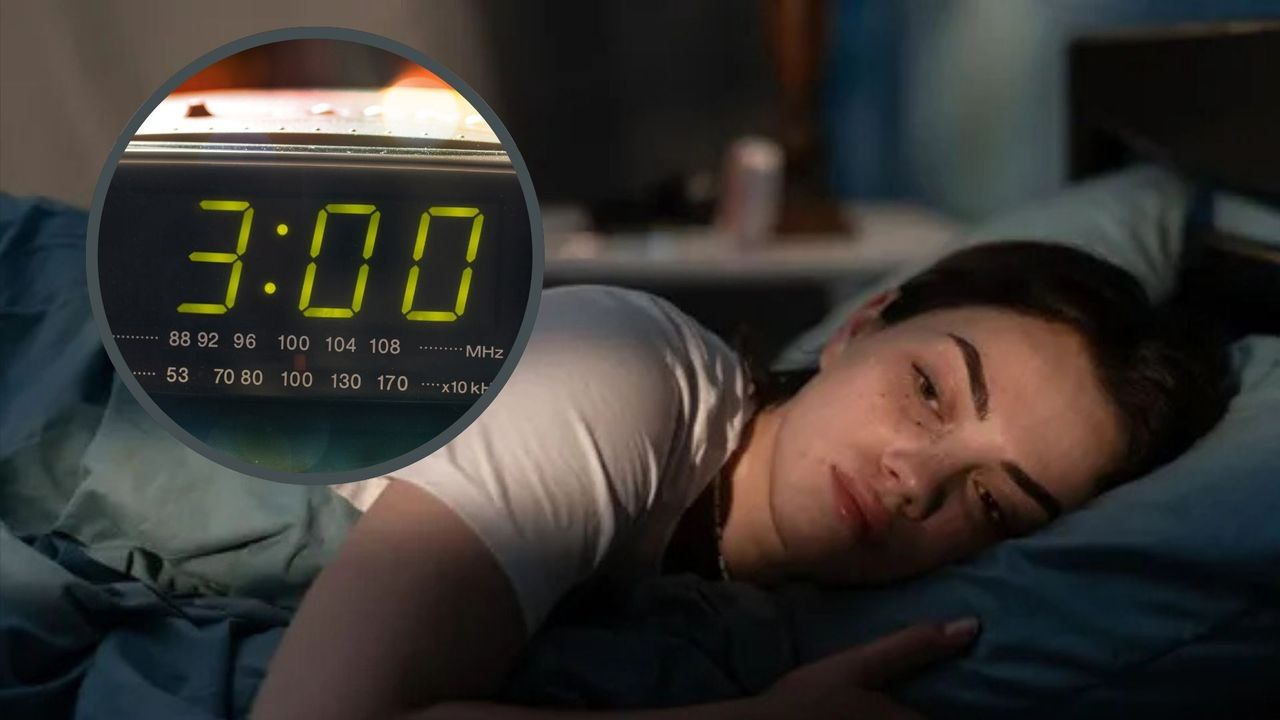
It's impressive how quickly my brain can pick up a thread of anxious thoughts when I find myself awake at 3 a.m. Known as middle insomnia, these late night wake-ups are plagued by a busy mind, making it hard to fall back to sleep and leaving me exhausted the next day.
I needed a technique that could put the brakes on anxieties so I could actually fall back to sleep at 3 a.m. That's when I was introduced to cognitive shuffling by Dr. Carlos Nunez Chief Medical Officer at Resmed.
This technique 'shuffles' your thoughts like a deck of cards, distracting your brain without overstimulating it. Instead of deadlines and debts, I'm thinking about ducks, dandelions, doorbells... Next thing you know, I'm snoozing. Here's how it works.
Key takeaways: At a glance
- Stress and anxiety causes cortisol levels to rise, keeping you alert. This makes it harder to fall asleep and leaves you prone to late night wake-ups.
- Cognitive shuffling randomizes your thoughts, as you focus on finding words beginning with a certain letter. This keeps your brain occupied, so it can't focus on anxieties.
- Using cognitive shuffling helps me fall back to sleep quickly. And on the nights it doesn't work, I get out of bed and relax until sleep pressure builds up enough that I'm ready to sleep.
What is cognitive shuffling?

I turn to cognitive shuffling on those nights when my thoughts are running around so fast sleep can't get a look in. Cognitive shuffling puts a stop to anxieties by simply directing your brain to random places. And I mean random.
I was introduced to the method by Dr. Carlos Nunez when discussing how stress is ruining sleep, who in turn was passed on the tip by a sleep doctor.
"I use it religiously," he explains, "because it works for me... even on the nights that I have the most trouble falling asleep."
Here's how to do it...
- Start by picking a random word — nothing that might trigger stressful or anxious thoughts.
- Focus on the first letter of your chosen word and think of other words that begin with that letter.
- When you've run out of options, move on to the next letter in your starting word.
- Repeat until you've reached the end of your word, and then start again with another randomly selected word.
- Keep going until the repetitive patterns send you back to sleep.
So let's say your start word is teacup. You might go T is for telephone, top hat, turmeric... E is for elephant, elbow, eagle... and so on.
Dr. Nunez has another tip for those trying cognitive shuffling: focus on a specific room or place when choosing your words. He uses his workshop but it could be anywhere you're familiar with that won't result in stress (so you probably don't want to pick the office.)
It seems to work every time
Dr. Carlos Nunez
"As I do this, I'm so focused on finding the third or fourth letter, I'm asleep," he says. "You would think I'm getting stressed trying to find the letters, but it pulls your mind so far away from your daily stress."
Dr. William Lu, medical director at Dreem Health, explained to us that cognitive shuffling works because it occupies the brain just enough to prevent rumination, without causing extra stimulation; "essentially distracting your mind from stress while keeping your body relaxed."
"It seems to work every time," Dr. Nunez adds, "so I owe that sleep doctor a debt of gratitude."
Why does anxiety wake you up at 3 a.m.?
"When we experience stress — whether from a looming deadline, a difficult relationship, or financial worries — the body activates its fight-or-flight response," said Dr. Anita Raja, a sleep expert in partnership with Herbalife, to explain why stress keeps you awake.
Part of that response is flooding the body with the hormones cortisol and adrenaline. Which is terrible news for your sleep.
"These survival hormones are extraordinarily good at keeping us awake and alert," she said.
And they don't just stop you from falling asleep. This flood of cortisol might be the reason you find yourself waking up at 3 a.m. and unable to drift off again.
"Cortisol levels — which should naturally drop at night — remain elevated [when you're stressed], suppressing the production of melatonin and preventing you from reaching the deeper, restorative stages of sleep," Dr. Raja noted.
That means when your circadian rhythm causes your cortisol levels to naturally rise again at 3 a.m. (in preparation for the morning), you're already primed to wake up. And thanks to that increased alertness, you might find your mind immediately starts racing, making it harder to fall back to sleep.
More ways to fall asleep fast when you wake up at 3 a.m.
Dr. Nunez notes that cognitive shuffling might not be for everyone but it's important to find another method that can ease stress and help you sleep.
"Whatever you can do that hour before bed," he says. "Put down the screen. Don't perseverate on the stress. Calm your mind."
4-7-8 breathing technique
Described as the "perfect, portable stress antidote" by Dr. Andrew Weil, who popularized the trick, the 4-7-8 technique is a meditative breathing method that encourages repetitive breath control.
To use the 4-7-8 method, breathe in through your nose for a count of four, hold for seven, and exhale through your mouth for eight.
Repeat this 3-4 times, keeping the focus on your breath.
While cognitive shuffling is easy to learn, the 4-7-8 technique requires practice to see the biggest benefits. We recommend using it twice a day, to become familiar with the routine. And with time, it can calm your body and mind quickly during unwelcome 3 a.m. wake-ups.
@lisarose.yoga If you feel overwhelmed, do one round of this before anything else. 4-7-8 breathing is a quick way to tell your nervous system: we’re safe enough to come down a notch. It’s not magic, but it’s one of the fastest tools to shift how you feel in your body. What you might notice in around 2 minutes: 1. Easier to fall asleep: longer exhale helps you downshift. 2. Clearer head: steadier breathing = less mental noise. 3. Less “wired” energy: brings you out of fight/flight mode. 4. Calmer body signals: that settling reflex kicks in. 5. Looser jaw + shoulders: tension drops on the slow exhale. Do it with me (4 rounds): Inhale 4 → hold 7 (tongue relaxed) → exhale 8 (through your mouth) Save this for the moments when your brain won’t cooperate - but your body will.
♬ Originalton - lisarose.yoga
The military sleep method
Created for military personnel trying to sleep in high stress situations, the military sleep method can help you drift off quickly even during anxious late night wake ups.
It's the go-to method of our Sleep Editor (and Certified Sleep Science Coach) Claire Davies, who describes it as "a great way to reduce any stress or anxiety you might be feeling in bed."
To use it, picture yourself lying in a canoe on a still lake under a clear sky, or in a hammock in a pitch black room. Methodically drop tension from your muscles, working from the head down. Imagine a warm sensation spreading through your body, wiping away all thoughts.
As with the 4-7-8 method, the military sleep technique requires practice. But once you've mastered it, it can help you fall asleep in minutes.
The 15 minute rule
The 15 minute sleep technique is best employed when you've tried other calming methods but still find yourself lying awake. If after 15 minutes of lying in bed you feel no closer to sleep, get up and move to another room.
Getting out of bed helps prevent negative connections from forming. You want to see the bed as a place of sleep but the longer you spend lying awake, the more your brain associates it with stress.
When you leave the room, make sure to maintain a calm state. Keep the lights dim and pick up a relaxing hobby, like reading or stretching.
Once enough sleep pressure has built enough that you begin to feel tired again, return to bed and reengage with your preferred calming technique.
9 sleep products we're testing and loving