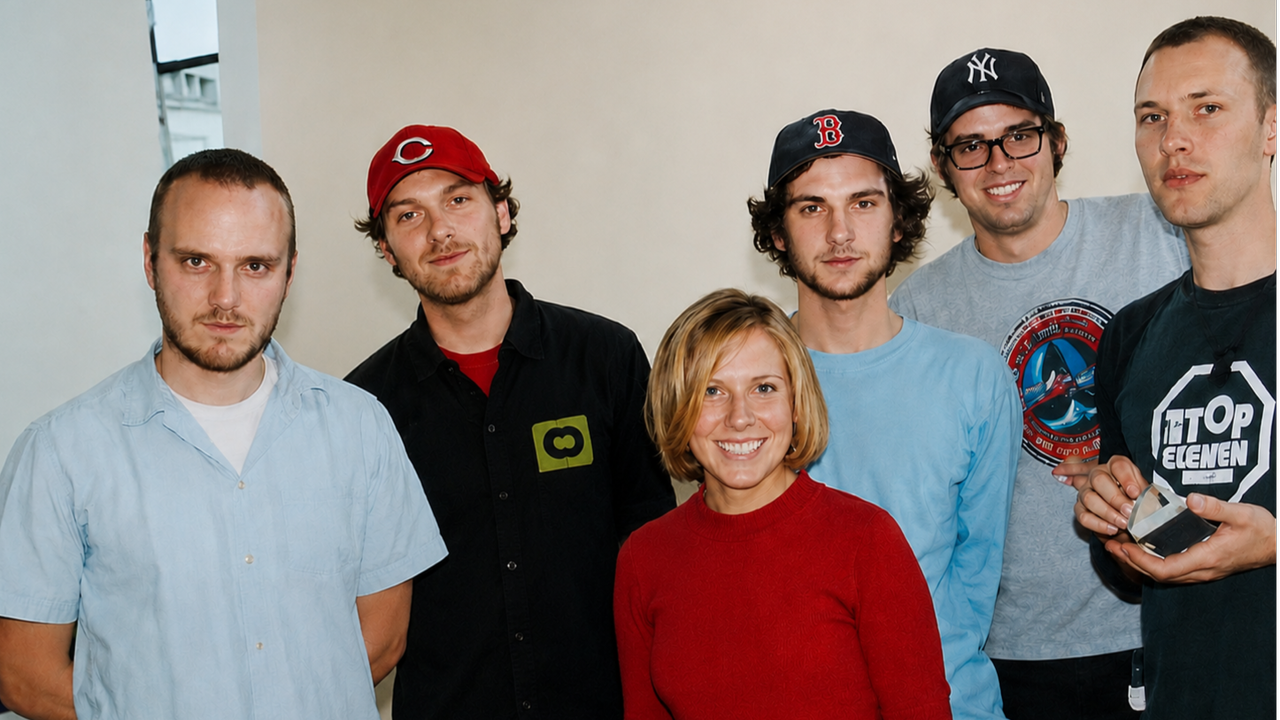
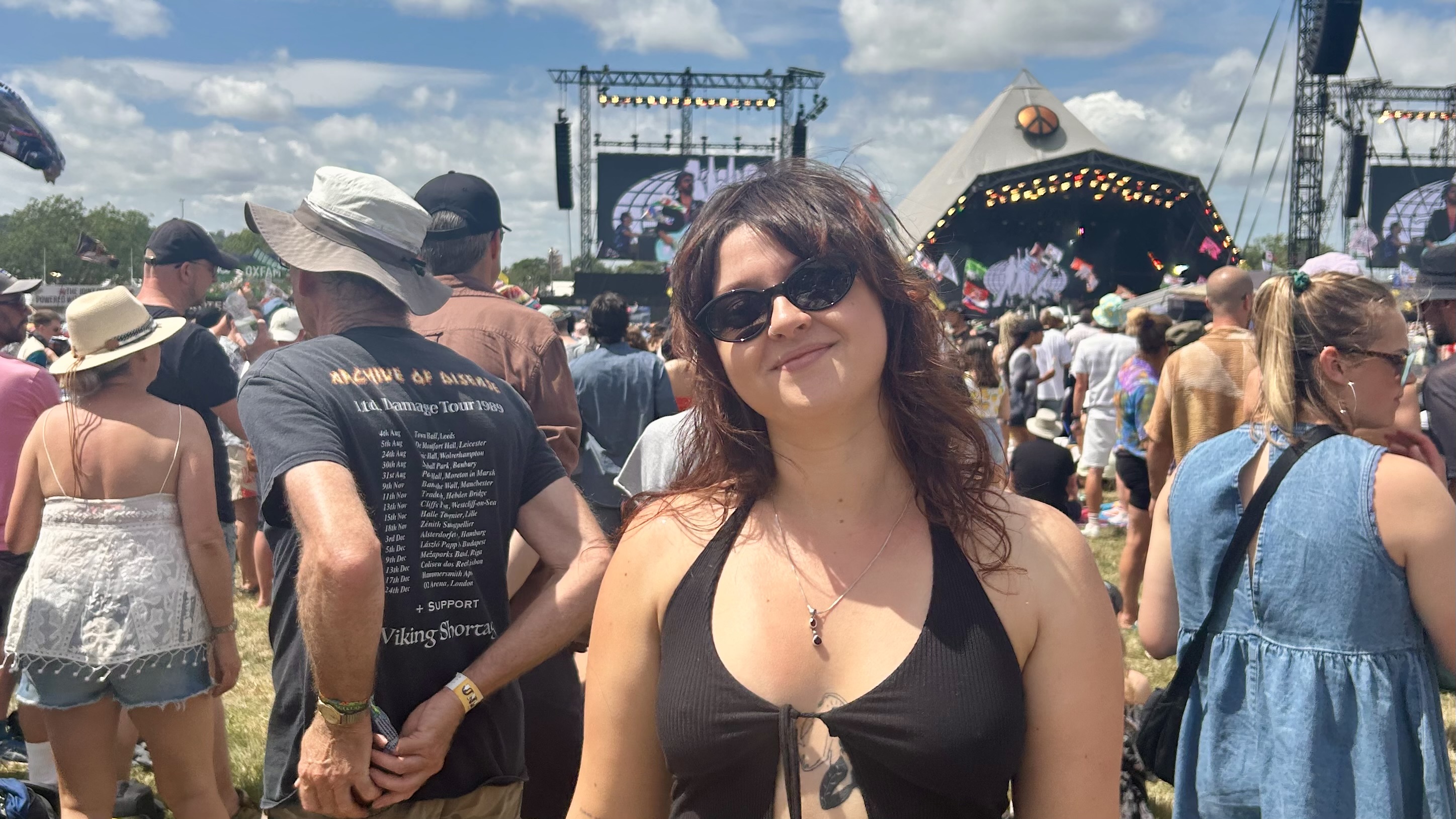
For a few years just after college, I sold merch for touring bands. It was a great gig because not only did I make a percentage of the sales, but I got to spend time with incredible musicians like John Legend, Amy Winehouse, Sia and Justin Timberlake.
Most of the time before and after the show, I hung in the lobby with fans willing to spend way too much on overpriced t-shirts, buttons, stickers, and other swag. Once, Citizen Cope asked me if $50 for a hoodie was too much. I laughed and said, "You should see what Aerosmith charges."
So, recently, as I was playing around with Gemini Lyria 3, I had to admit the AI-generated songs weren't terrible; they might even make it onto someone's playlist. Yet, I couldn't help but laugh thinking about the idea of someone spending $50 on an AI band hoodie.
My point is this: AI might be able to replicate the output of human creativity, but it can never manufacture the soul behind it. People don't buy merch for the logo, they buy it to hold onto a piece of the human being who made them something.
The AI-human connection nobody is talking about
At this point, the conversation around AI creativity has become almost routine. Every week seems to bring another viral AI-generated image, another synthetic pop song or another startup promising to replace human creators entirely.
But after spending hours testing AI tools— and watching AI-generated content flood the internet — I’ve started to notice a different problem surfacing. While I honestly believe AI can help boost creativity, it still lacks human connection.
Because while AI can increasingly imitate human creativity to a point it feels like a collaborator, it still struggles to recreate one of the most important parts of art in the first place: the emotional bond between creator and audience.
And oddly enough, almost nobody is talking about it. AI-generated music has improved dramatically over the past year. Some artists are now convincing enough that many listeners can’t immediately tell they aren't human.
The same thing is happening with books, visual art, TikTok creators and even AI influencers. Entire Instagram accounts and subscription-based creator pages are now powered by artificial people who don’t technically exist.
Yet despite all of this progress, something still feels strangely hollow. That’s because people don’t just become fans of content. They become fans of people.
We don’t obsess over musicians simply because a song sounds good. We care about the story behind the album, the heartbreak that inspired it (looking at you T-Swift!), the interviews, the personality, the live performances and the flaws.
The same applies to writers, YouTubers, actors and artists. Much of fandom is built around emotional attachment, not just output quality.
Nobody hangs posters of algorithms on their walls
A photo posted by on
The more I thought about it, the clearer the difference became. Human creators build mythology around themselves. Fans follow their careers for years. They grow attached to their personalities, struggles and evolution over time.
AI-generated creators like Aitana Lopez or Miquela don’t really have that. Even when AI-generated content is technically impressive, it often feels emotionally disposable. You might listen once, scroll once or laugh once, but it rarely creates the deeper connection that turns casual consumers into lifelong fans.
After spending so much time around true musicians and personal assisting for legends like Carly Simon, I find it hard to imagine anyone saying, “This AI-generated song got me through the hardest year of my life.”
Nobody waits outside a stadium hoping to meet a language model after a concert. And nobody hangs posters of algorithms on their bedroom walls. At least not yet?
Synthetic media is designed to capture attention
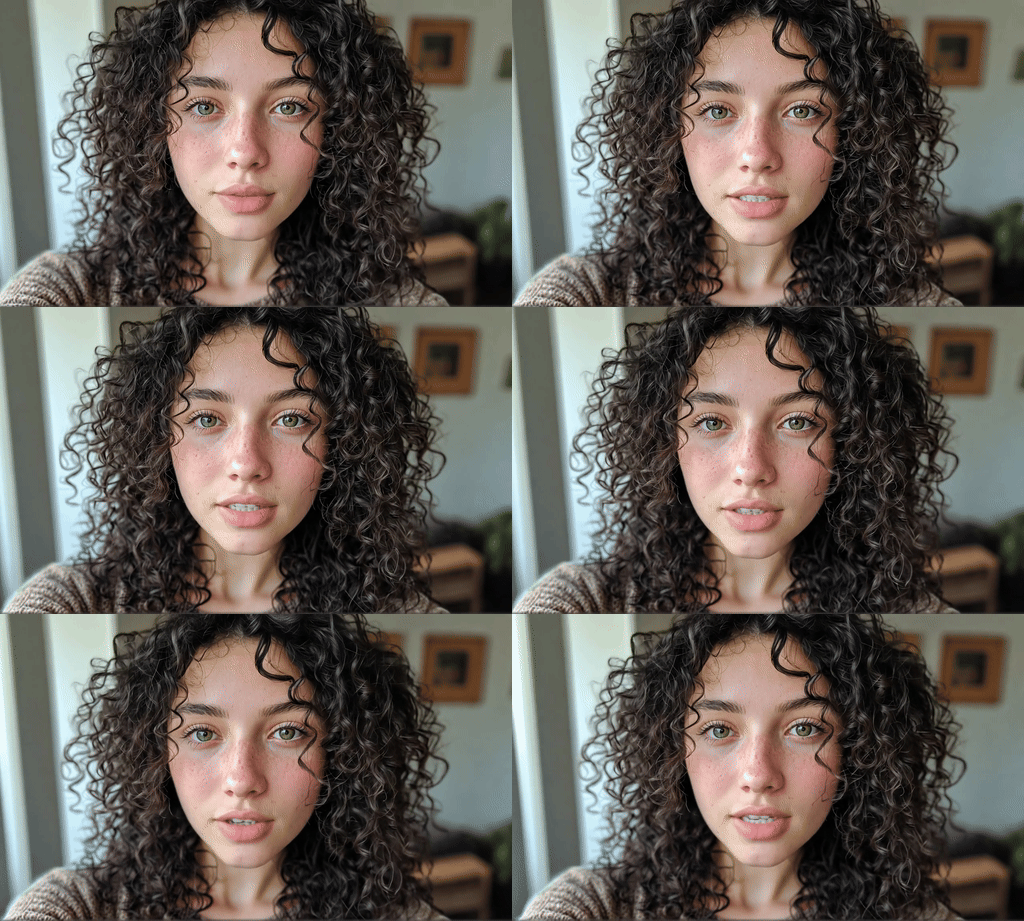
AI is making content dramatically easier and cheaper to produce. That means the internet is rapidly filling with synthetic media designed to capture attention as efficiently as possible. In some ways, AI-generated content feels like the fast food version of creativity. It's instantly available, optimized for engagement, endlessly scalable, quickly consumed and leaves you feeling unsatisfied most of the time.
That doesn’t mean all AI-assisted creativity is bad. Far from it. Hear me out. Many human creators are already using AI tools in genuinely interesting ways such as brainstorming ideas, editing videos, improving workflows, generating concepts, and experimenting creatively.
But there’s a major difference between using AI as a tool and replacing the human behind the work entirely.
Final thoughts
AI-generated content is becoming more impressive by the day. But as far as AI generated art making humans feel something real, I personally think we have a long way to go.
What do you think? Will you ever feel deeply or inspired because of AI-generated novel, art or music? Share your thoughts in the comments.
More from Tom’s Guide
- I almost gave up on Apple TV’s No. 1 show — then ChatGPT convinced me to keep watching
- I asked ChatGPT to apply Lewis Howes’ ‘Greatness’ mindset to my life — and it completely changed how I approach work
- I gave ChatGPT permission to disagree with me with this prompt — and its responses became dramatically better