
LA Golf has always thrived as a high-end disruptor, carving out a niche with radical shafts and avant-garde driver faces.
However, the brand’s recent trajectory has shifted from bold innovation to a series of sudden, strategic pivots. With the UK site in heavy clearance and the US site reduced to a minimal placeholder following reports of significant restructuring, the company’s future in hardware feels increasingly precarious.
This foray into clubs has been a rollercoaster. We watched the brand develop bespoke prototypes with Bryson DeChambeau, only for that high-profile partnership to dissolve before the clubs ever saw a tournament bag.
While the headlines focused on those experimental projects, I was quietly testing something much more refined: the CB-26 player’s cavity back. It was meant to be their mainstream masterpiece. But as the brand’s retail presence fades, these irons have effectively become ghosts of a release that may never truly arrive. Having already gone to the effort of testing them, I decided to put the review out there anyway - if only as a tribute to what could have been.
The previous iron efforts I had seen from LA Golf amounted to a brief glimpse of some curved face prototypes, specifically for DeChambeau; however, the more traditional MB and CB models have clearly struck a chord with Sergio Garcia, who has been spotted testing and gaming a combo set of both.
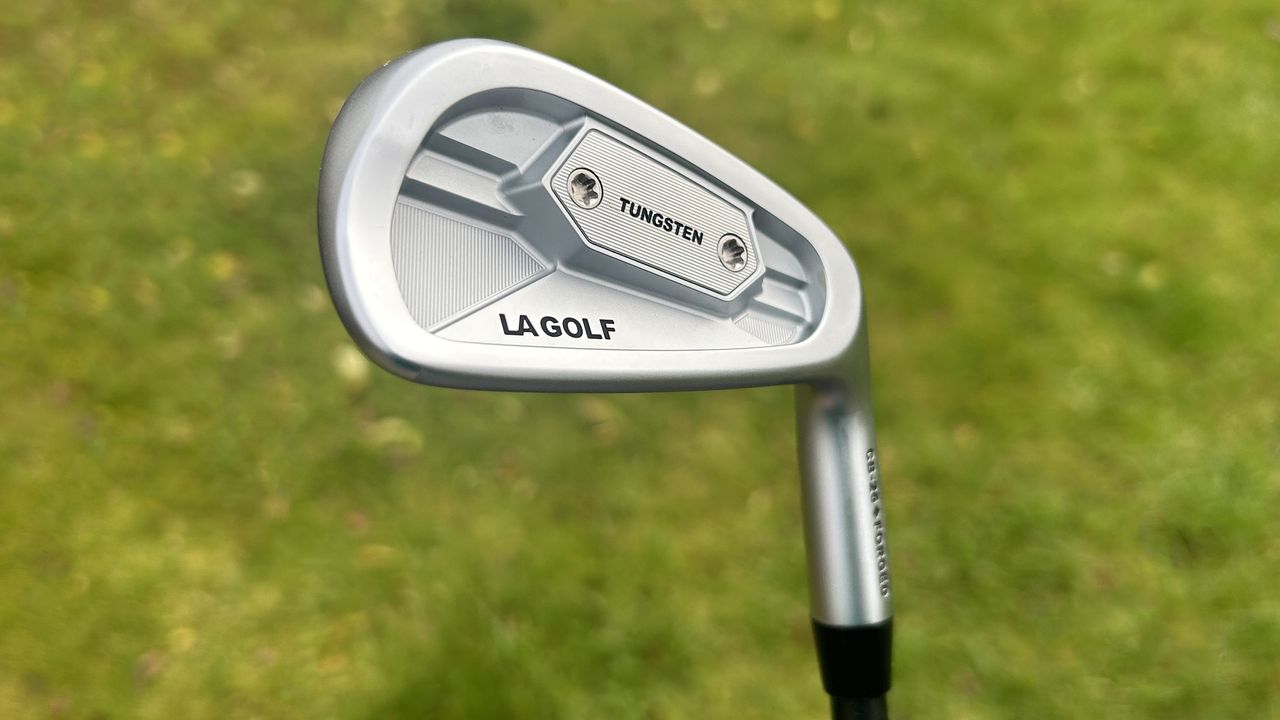
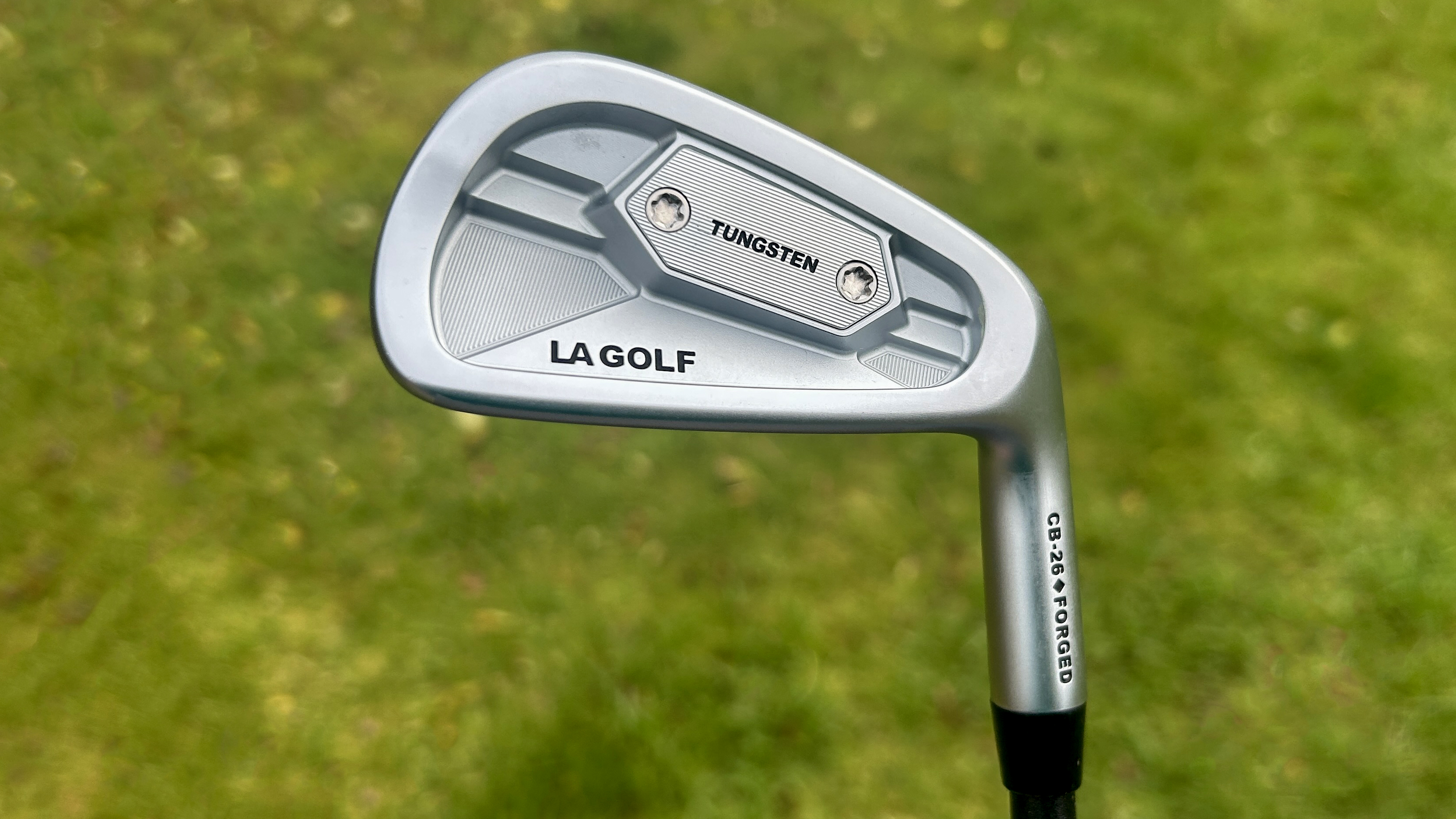
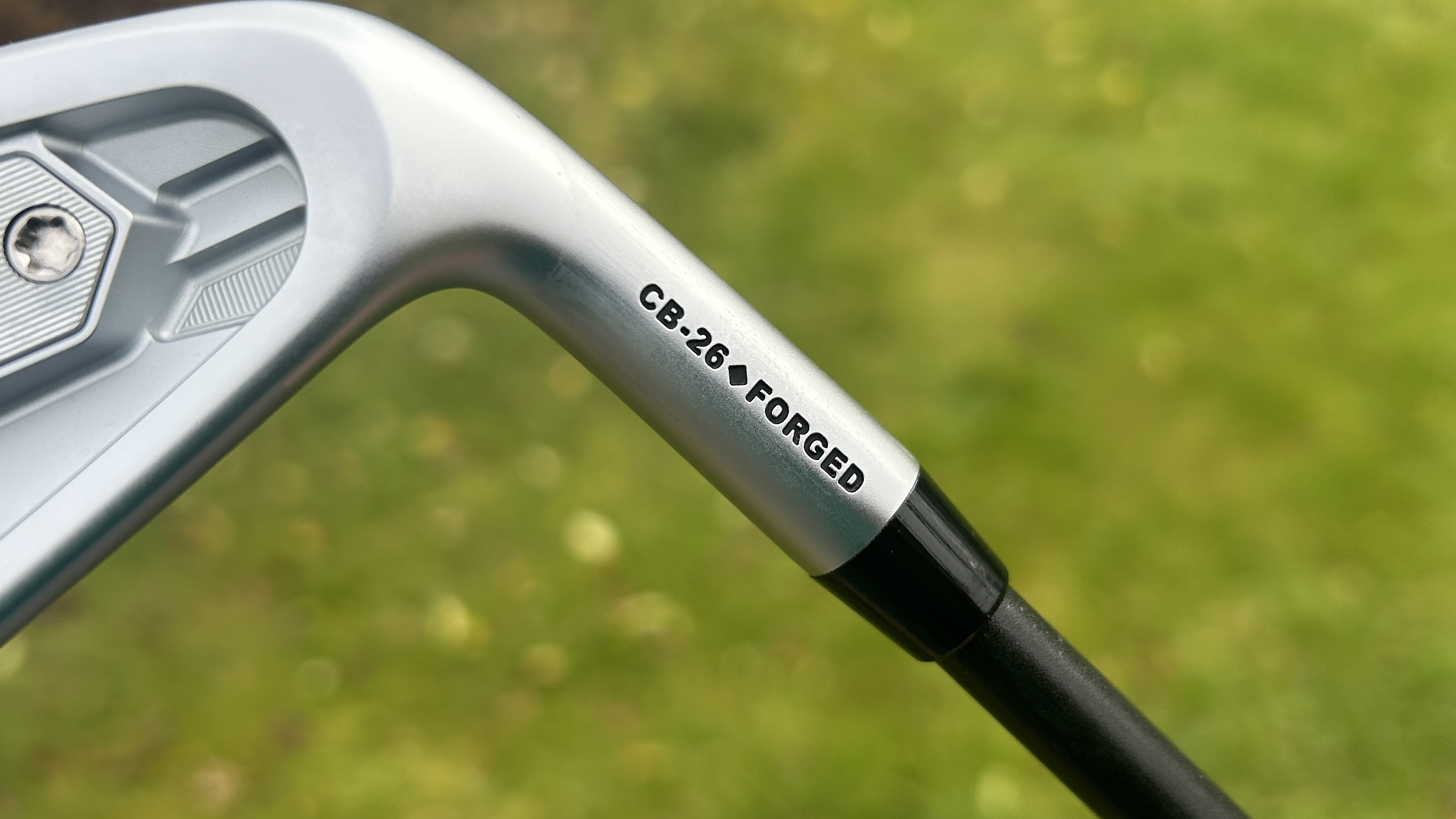
Sitting in the bag, the shelf appeal of the LA Golf CB-26 is undeniable. Forged from 1020 carbon steel, the CBs feature a gorgeous premium matte finish that reduces glare and looks very high-end. The visible weight port in the back cavity gives off a strong industrial vibe, reminiscent of the classic Callaway Apex CBs, which is meant as a definite compliment in my book.
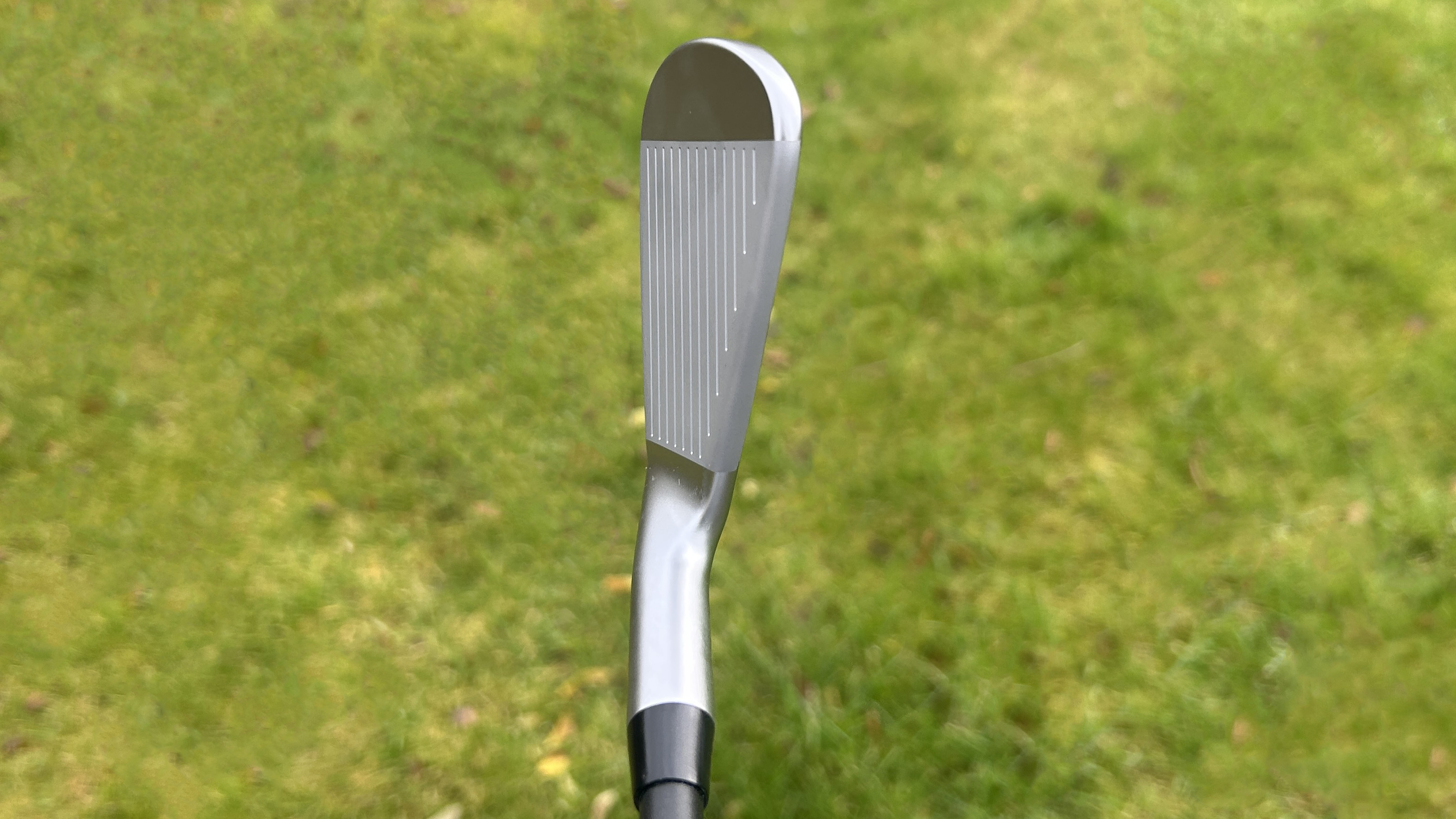
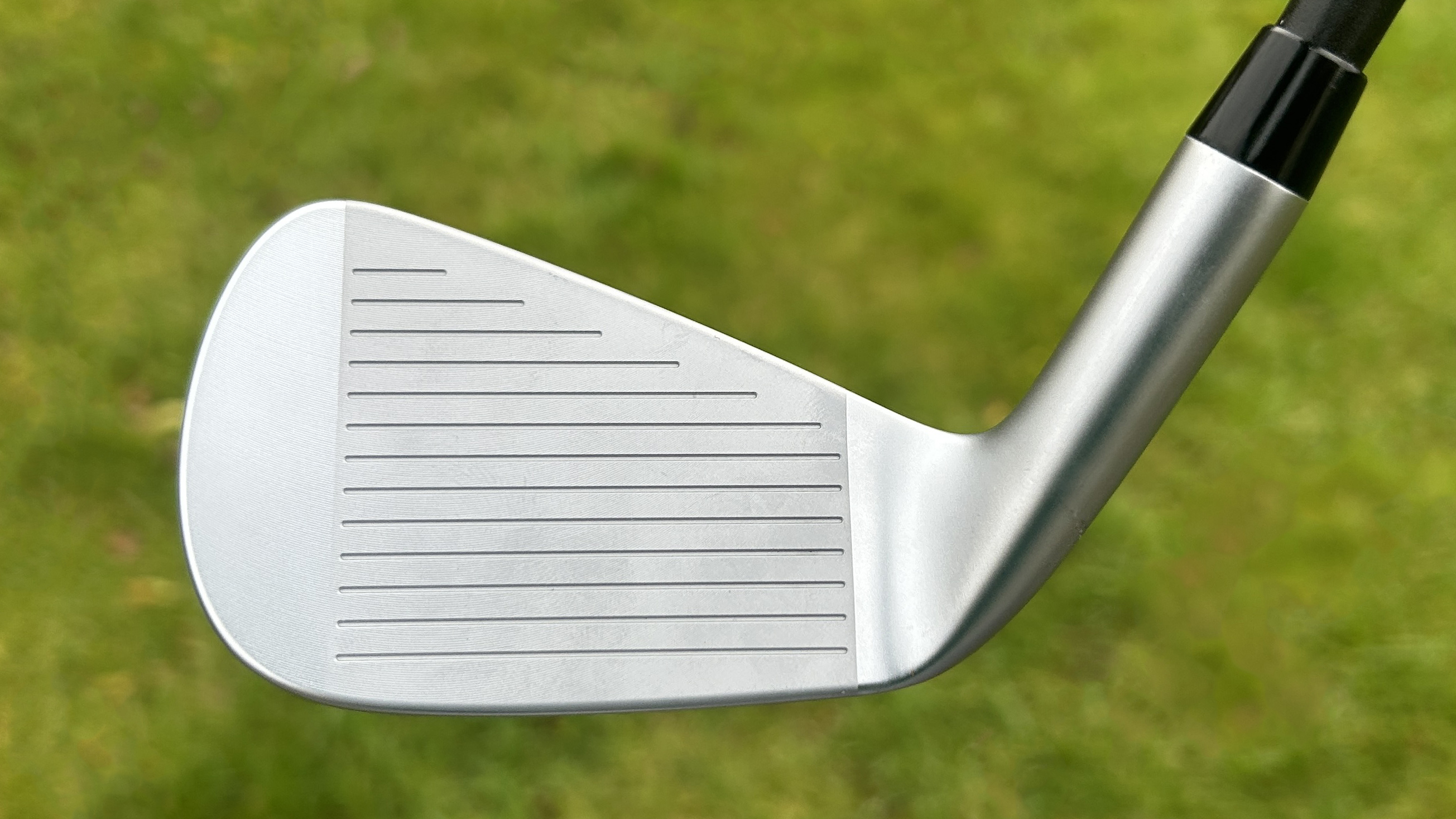
At the address, the club presents a profile that demands good ball striking. You get a fairly thin, rolled topline and minimal offset that frames the ball beautifully. However, I did find the toe profile slightly jarring. To my eye, the toe protrudes a bit too aggressively, creating a somewhat angular aesthetic rather than the soft, curved transition back to the topline that I usually prefer to see.
It’s a subjective critique - and perhaps I’m being overly fussy - but it’s a distinct visual trait that some may love, and others, such as myslef may question.
Strike the ball out of the middle of the CBs, and the sensation offers a good, solid thud. It is certainly not firm, but it doesn't quite possess that deep, melting softness you get from the absolute best-in-class forgings like the Mizuno Pro S3 or the TaylorMade P7CB. It’s a "business-like" feel - crisp, direct, and honest.
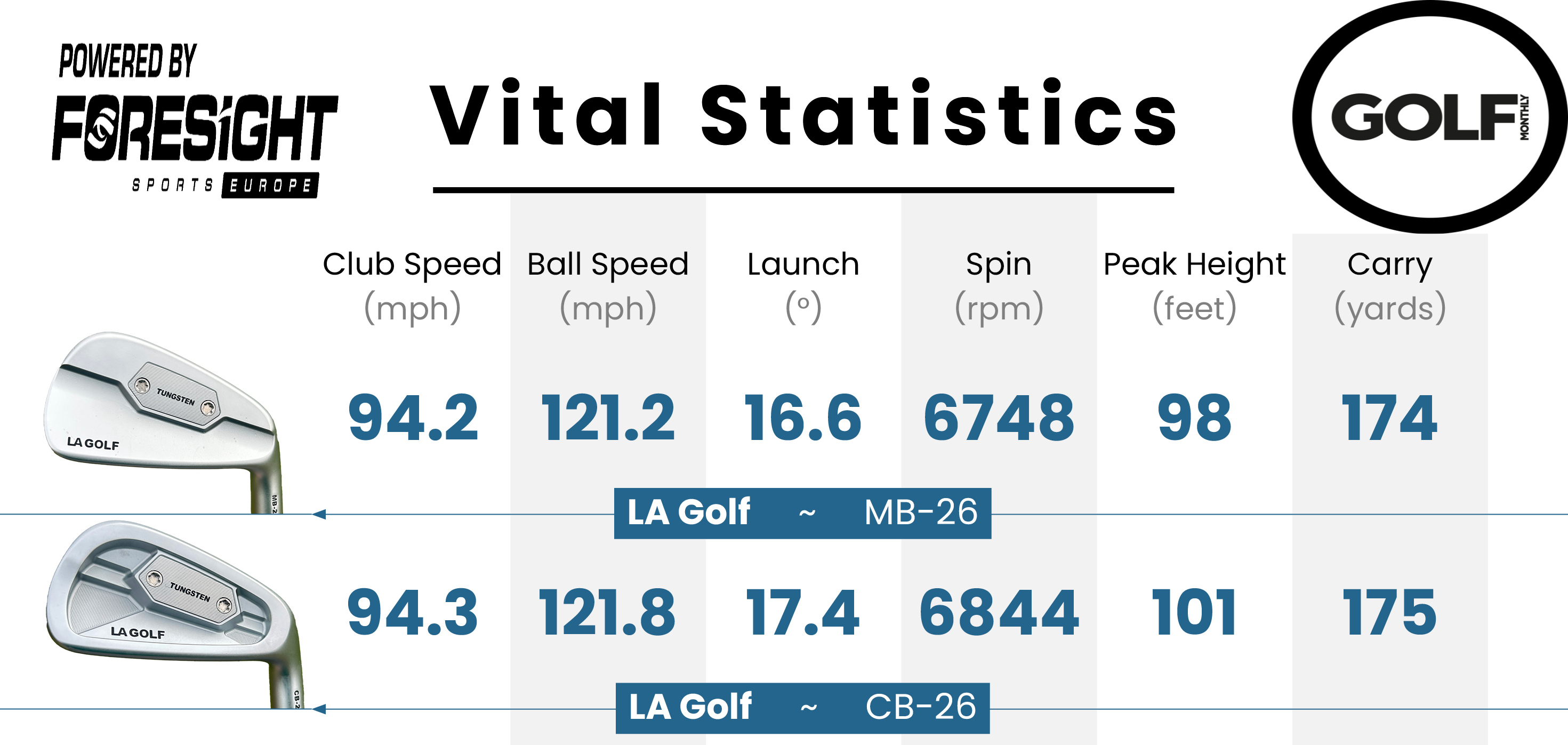
In terms of data, the results are exactly what you would anticipate from a classically lofted forged cavity iron (the 7-iron sits at a fairly traditional 33°). Nothing jumps off the page in terms of distance, but that isn't the point of this club.
What is fascinating is how closely the CB-26 mirrors the performance of its sibling, the MB-26. The feel and flight characteristics are almost identical, which may explain why Sergio Garcia found it so easy to blend them.
During my testing, the only discernible differences were a marginally (and I do mean minuscule) higher launch angle from the CB, and, if I am really clutching at straws, perhaps a touch more ball speed retention on mishits.
However, it is difficult to quantify the latter definitively, as no two mishits are created equal, and there is often a "placebo effect" of confidence when switching from a blade to a cavity back.
Where this iron truly separates itself is in the build quality and components. I am a huge fan of the weight ports allowing swing weight adjustments exactly where they should be - behind the strike. This avoids the need for tip weights, which can alter the CG or the application of unsightly lead tape.
Additionally, the stock shaft offering is tremendous. I tested the L-Series 120i graphite model in 5 flex (X-Stiff), and the stability was hugely impressive.
I've conducted several 'What's In The Bag' interviews over the past few years where players have been using the L-Series shafts, and it has now become clear why. It offers the tight dispersion of steel with the vibration-dampening qualities of graphite, making for a potent combination.
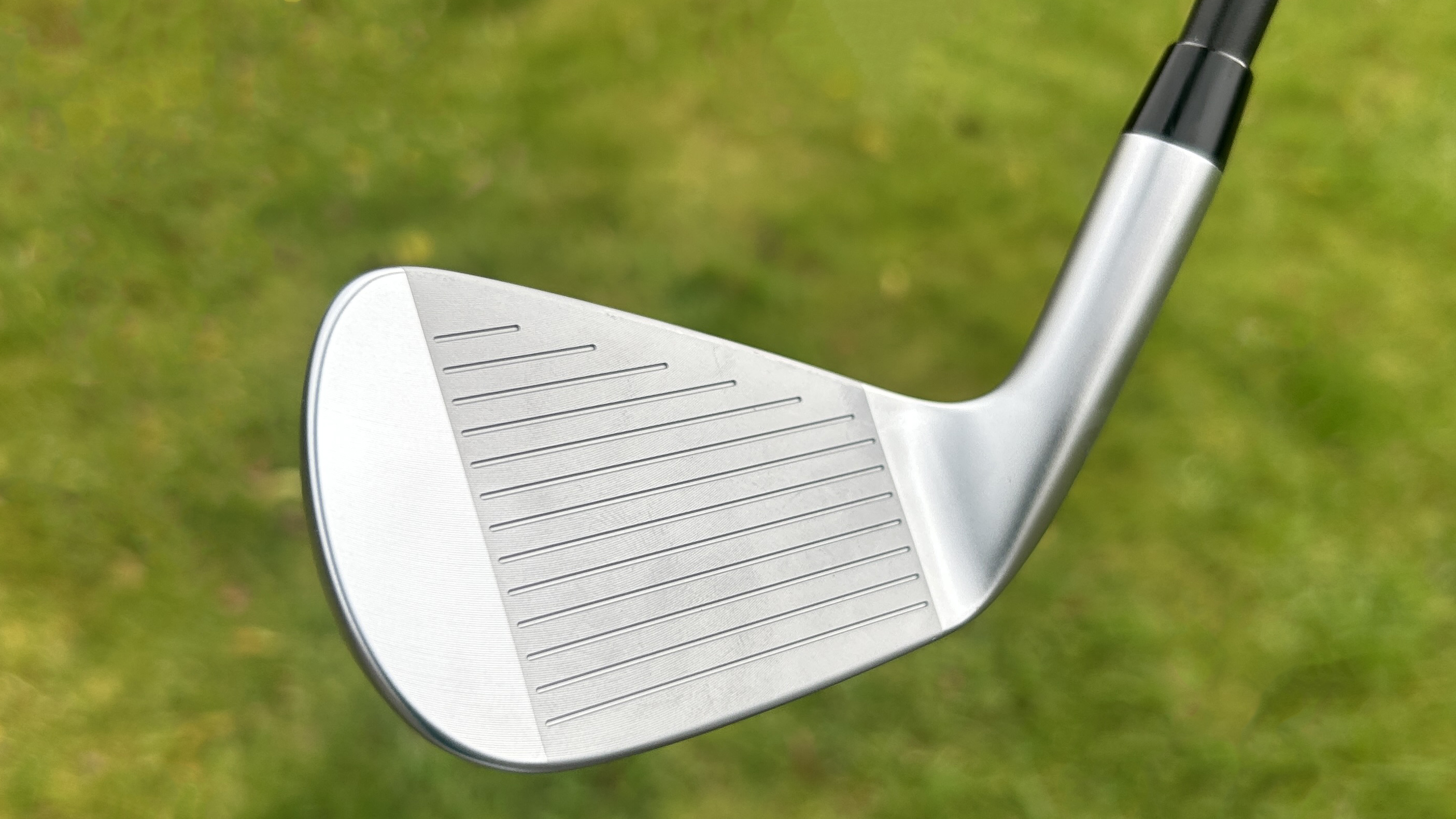
Overall, I thoroughly enjoyed my time with the LA Golf CB-26.
It is a genuine shame that these will likely never see a full public release. In a market crowded with "safe" designs from the major OEMs, the CB-26 was a sophisticated, high-performance alternative that allowed for incredible custom-build precision. To see such a polished product reach the finish line only to vanish into the vacuum of a corporate restructuring is a loss for gear enthusiasts.
The CB-26 isn't just a good iron; it’s a haunting reminder of a hardware dream that may be over before it truly began.