
So as you well know by now, the “intelligent eyewear” from Google and Samsung is launching this fall with designs by Gentle Monster and Warby Parker. While nobody was able to go actually hands (or eyes) on with these actual glasses, I did get to test the software that will be fuelling these specs and, well, the Ray-Ban Metas are kind of cooked.
Basically, everything AI-related that Meta has brought to the table in its past couple generations has been usurped by what is set to launch on Google’s glasses. We may not know what they will be called, and we don’t know the price. But if they’re competitive to Meta’s specs, Zuckerberg has a big problem on his hands.
@tomsguide ♬ original sound - Tom’s Guide
Judging the styles
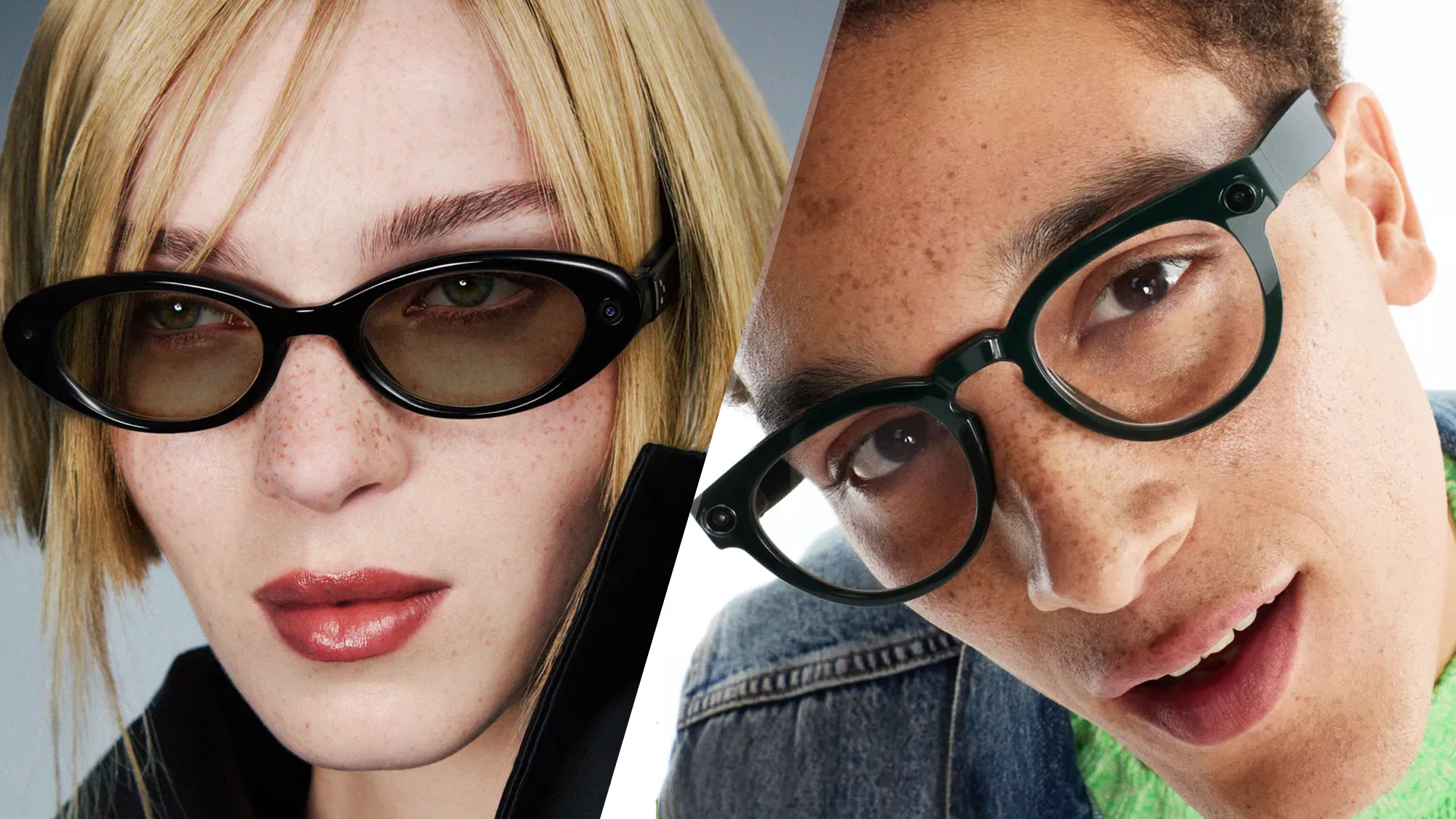
So we’ve got Warby Parker and Gentle Monster doing the designs, and I wouldn’t be surprised if most people went for the former. We only got to look at photos (ignore publications that said they got to “wear them all,” because they didn’t), so I can only give you my eyes-on perspective.
The Warby Parker frames look less daring and more subtle on your face, whereas Gentle Monster is looking to make a statement. Nothing wrong with that at all, but the aesthetic is not going to be for everyone.
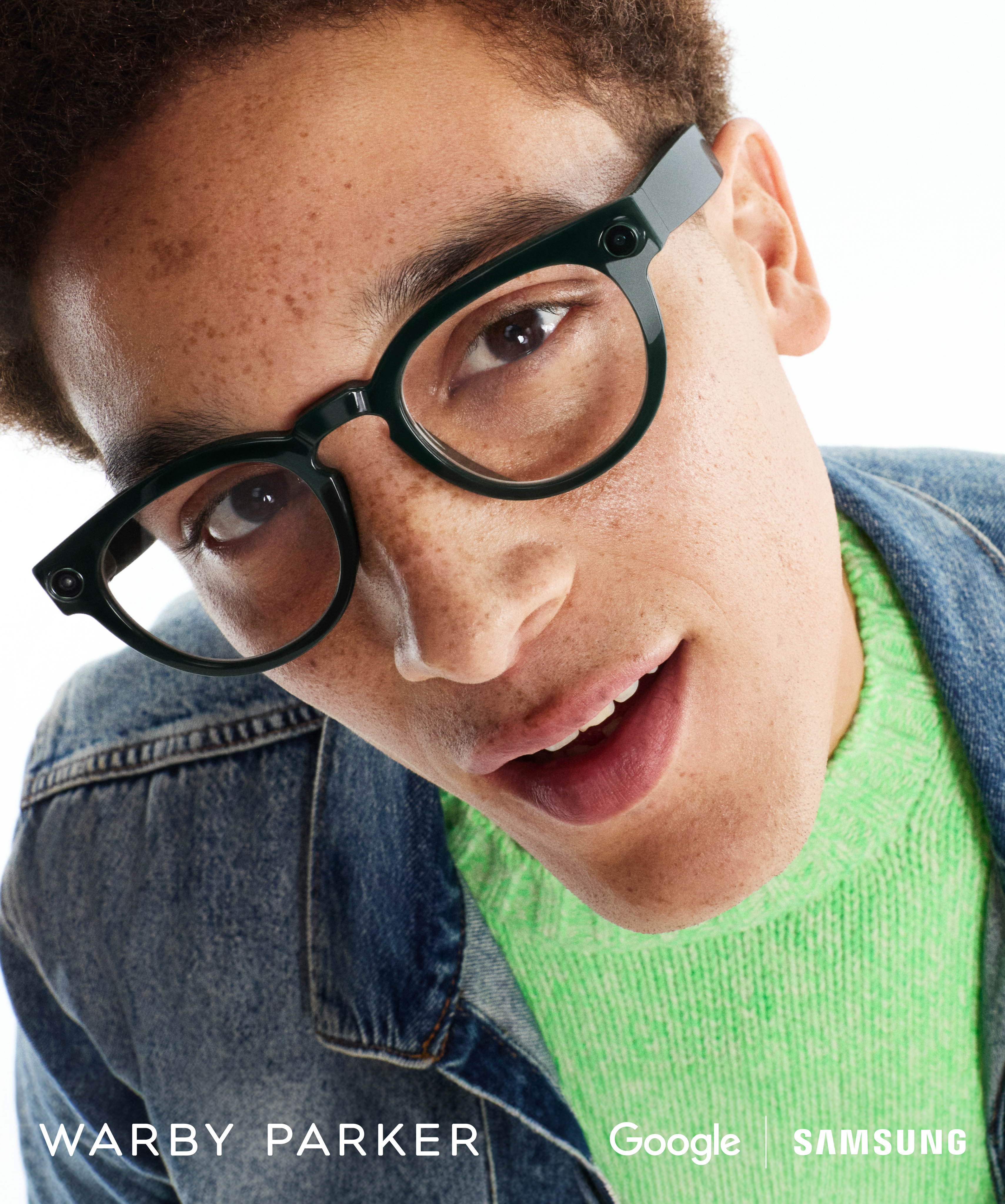
As for specifics on them, Google didn’t share much. But with these prototype specs weighing less than 50 grams, I’m quietly confident that they will also be lightweight and wearable in the very long-term. Plus, they’ll definitely be prescription-friendly, as has been confirmed extensively here at I/O.
All-round smoothness
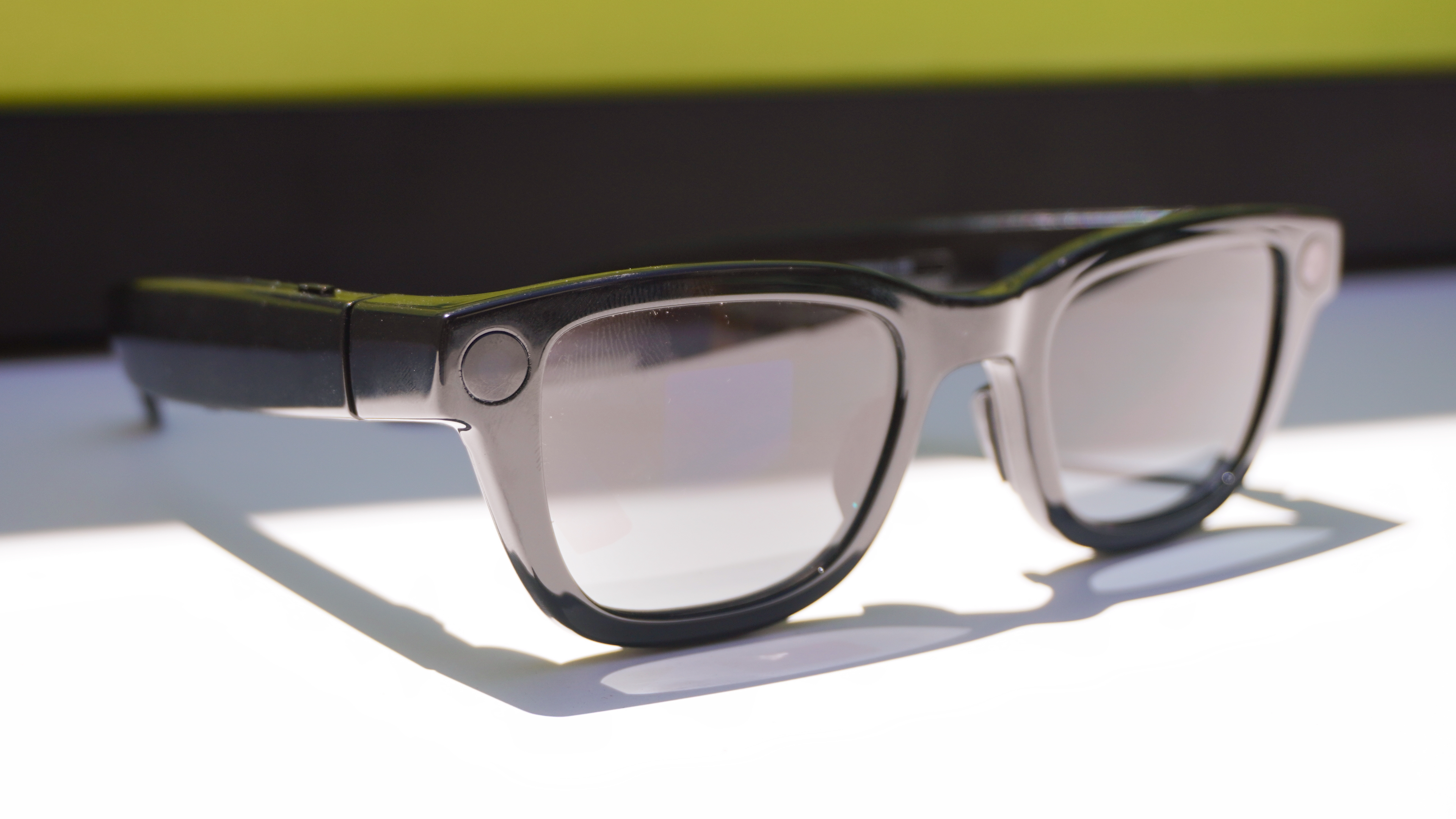
As for using them day-to-day, you’ll get your standard interface that uses your phone as the brains of your glasses, with a little bit of local AI to run the basics. It’s a method that has a proven track record so far, and they will be compatible with both Android and iOS devices.
Gemini Live is the key to making these true Ray-Ban Meta beaters, and it frankly makes Meta AI seem feeble in comparison. Rather than having to follow rudimentary vocal steps to do certain things, a press and hold on the stem turns it on and I’m having a full conversational interaction with the AI about the world around me.
As is the case with any of these demos, I had a bunch of props to work with — figuring out a Van Gogh painting, or going through a Korean cookbook and ensuring that the recipes are safe for my peanut-allergic friends to consume. In all of these, the AI voice is extra descriptive of its determination and provides a nice helping hand in a way Meta AI has never really done so.
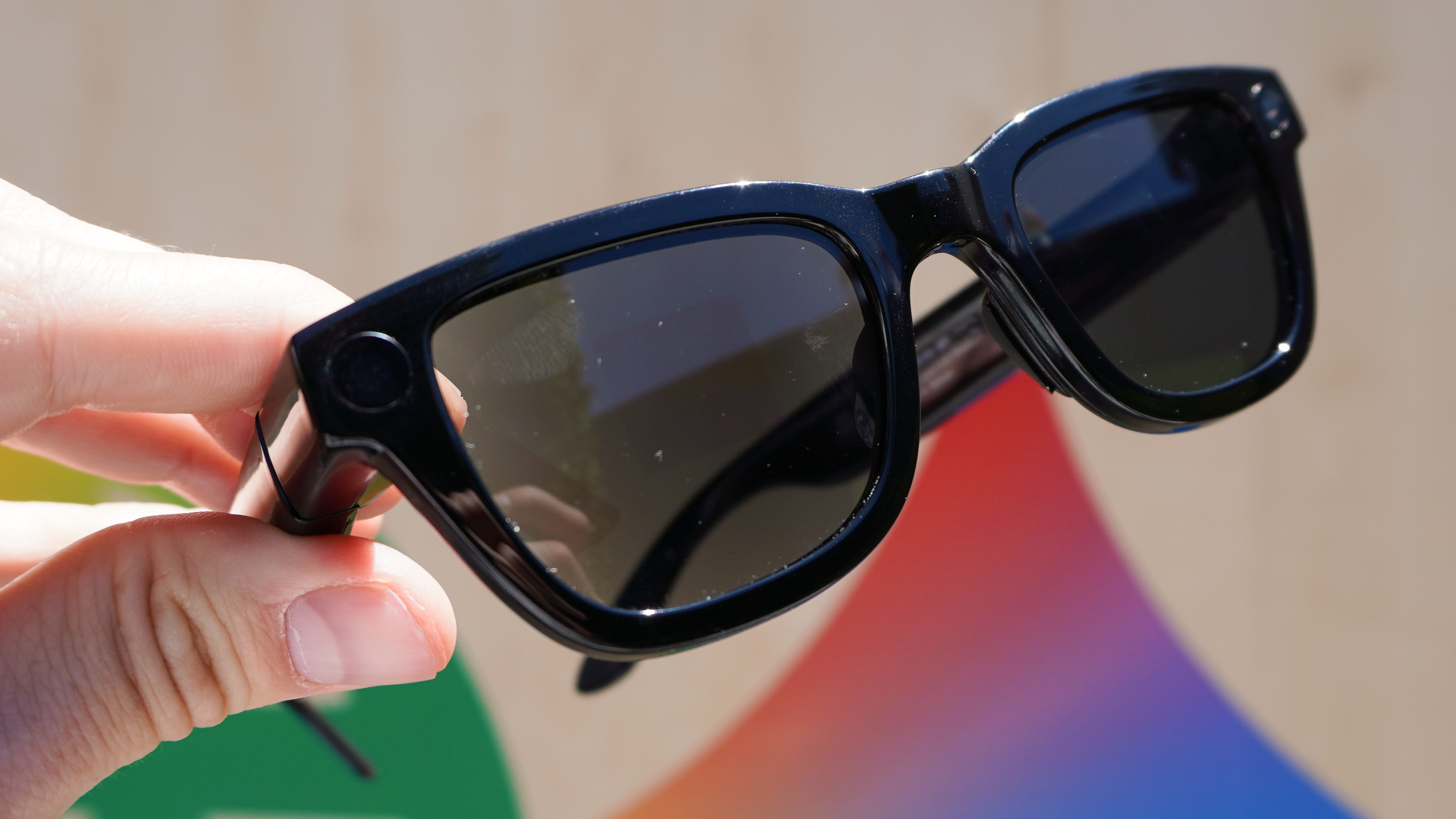
Throw in all the Google app integration in here too and it gets even more interesting. You can receive a summary of your latest messages or turn-by-turn directions to the nearest bar (it’s been a long day, don’t judge me). It’s clear that a real-time AI like Gemini has been the missing link that’s going to bring everything together in a way that can reduce the number of times you need to pull out your phone.
Turning on the display
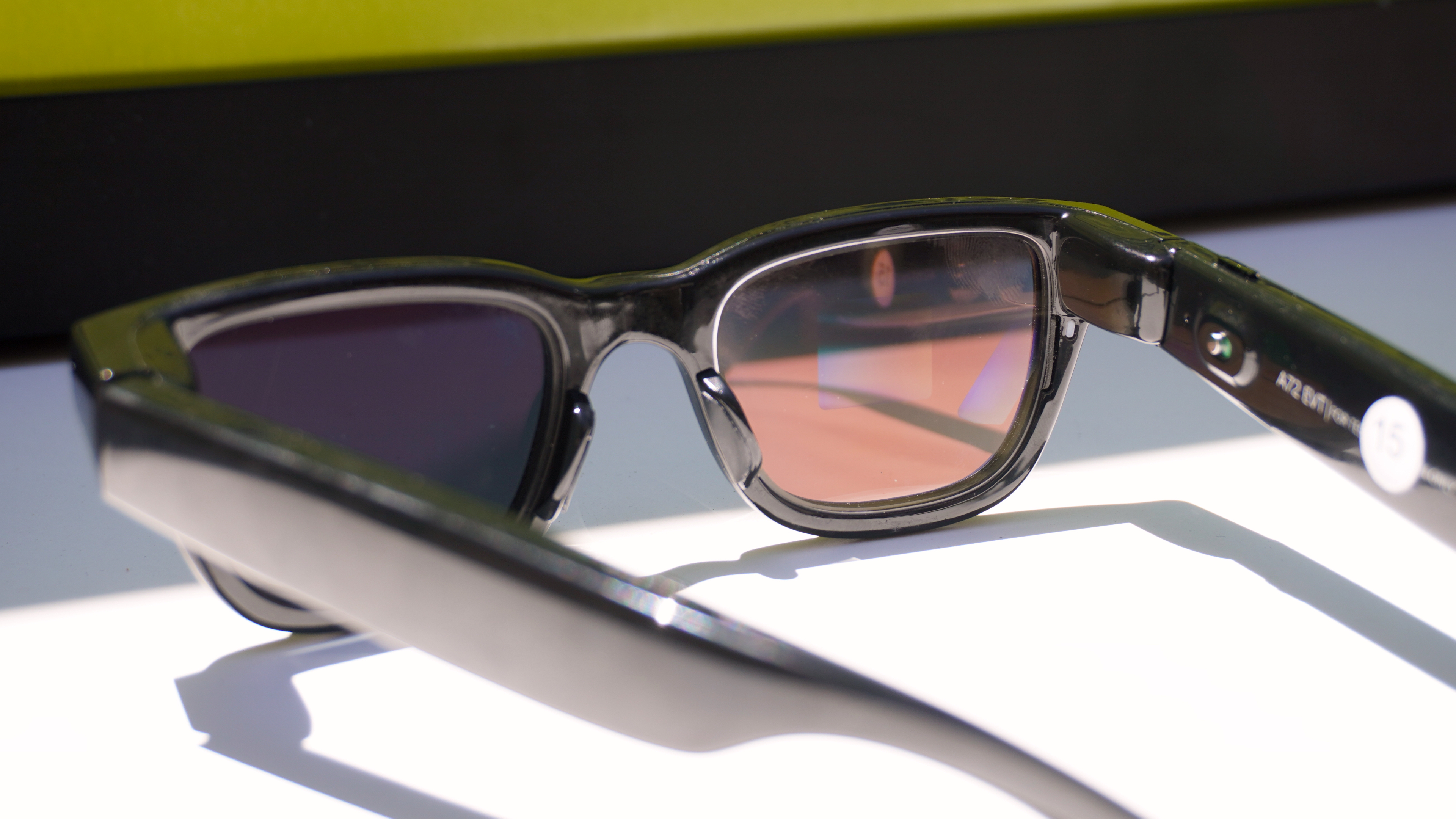
This is a feature that will not be coming to this first crop of smart glasses — they are all display-free. But the monocular waveguide display in this prototype does add some fantastic visual aids to some key use cases.
You’ve probably already read a lot about this when Mark went eyes-on with this same prototype last year. But to give you my thoughts, bringing Google services into a pair of smart glasses really brings a user-friendly advantage here with the likes of Google Maps and photo taking.
Seeing a little HUD give directions or a GTA-style radar when you look down for a nice street layout is a nice touch. Then the image generation efforts with Nano Banana were frankly hilarious. I took a picture of my camera guy and asked it to turn him into a superhero…what does GL mean? Also his name is Paul Antill as clearly stated on the badge, but now he’s Paul Arnold!?
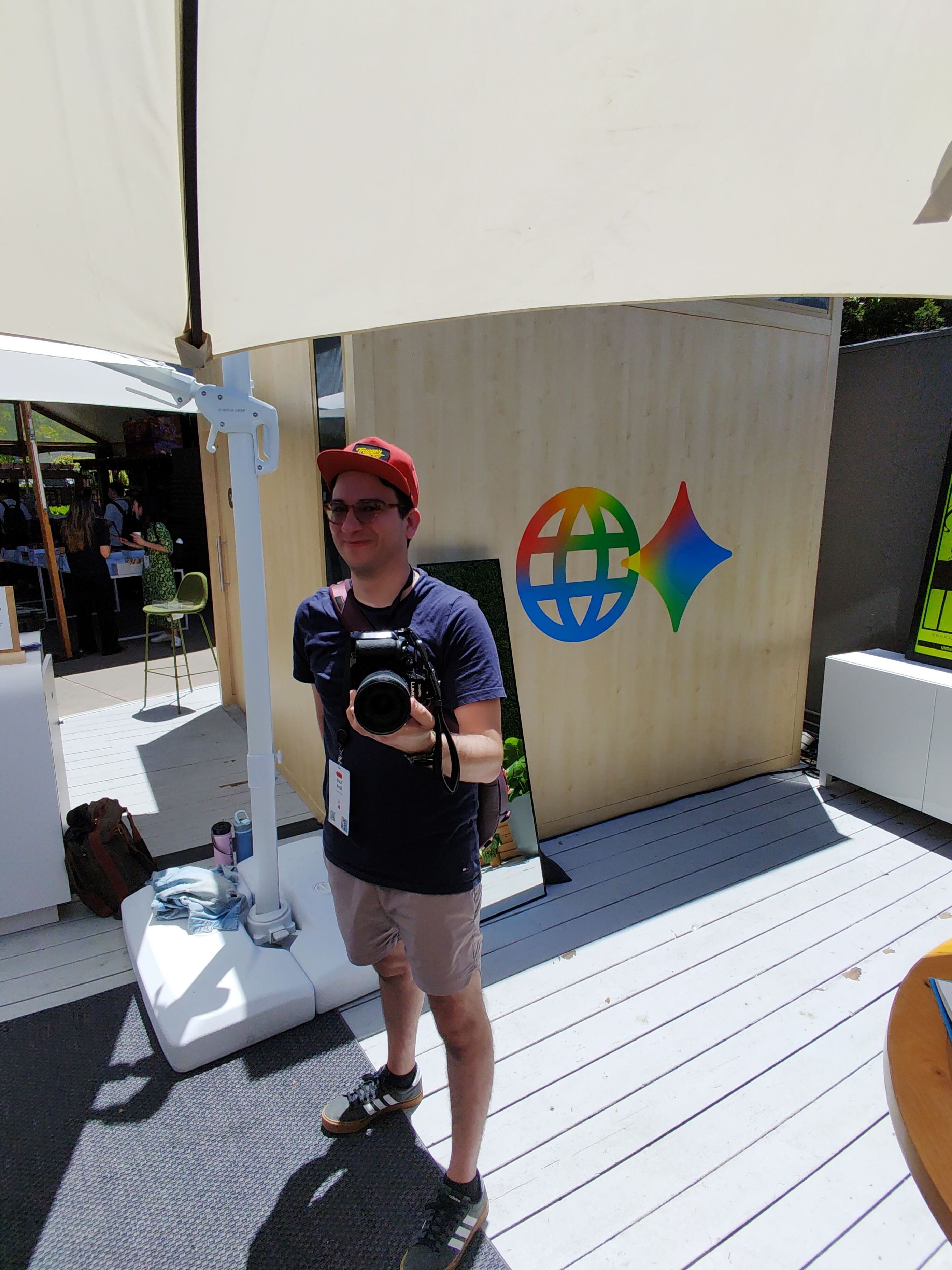
Regardless, it’s clear that you’ll have plenty of fun with the generative AI experiences of these specs.
Watch out, Meta!
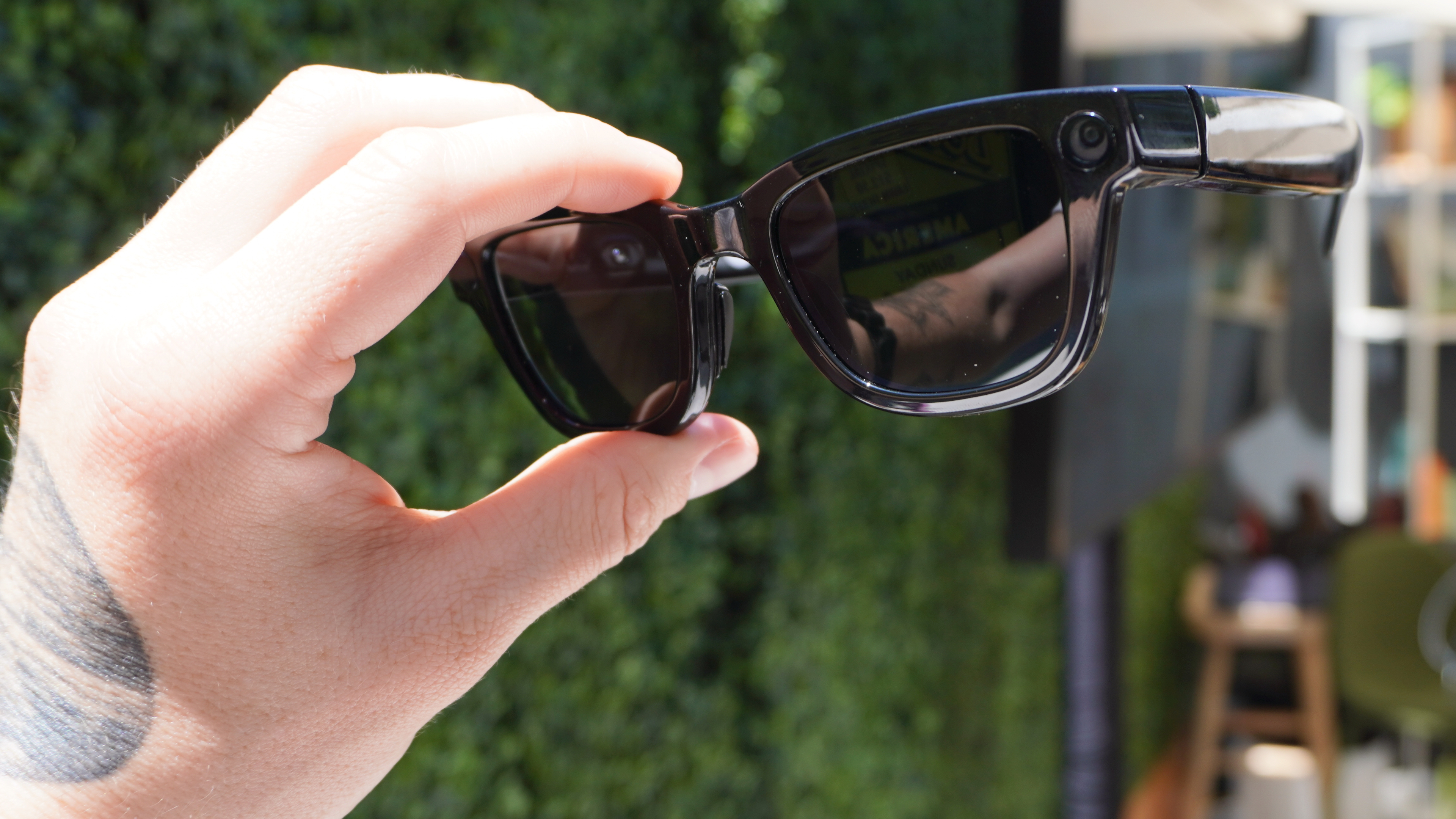
And all of this exposes that while the Ray-Ban Metas may have a couple of years headstart, the usefulness updates over time have been rather minor and slow in the progress of things.
I mean, sure, there are reminders of things, but do they actually mean something when they’re not integrated into your services that matter? Or do turn-by-turn directions really help when the mapping technology doesn’t hold a candle to Google Maps?
So, I say this to Zuck. You have about five months-ish to figure out how to compete with this. I’m not sure what the answer is, but Google is about to bring actually useful AI to smart glasses, and Meta AI needs to catch up fast in both a simple Q&A fashion and in agentic use, too.
More from Tom's Guide
- I lived in the Viture Beast for 10,000 miles, and it just ruined other AR glasses for me
- I just tested Xreal’s Android XR glasses, and they are an early glimpse of my dream future smart glasses
- I switched my Ray-Ban Metas for L’Atitude 52°N for a month, and while there’s cool features for explorers, it’s no contest