
With storage in the best laptops, you’ve got two options: either it’s memory chips soldered directly onto the board (not upgradeable), or you have an SSD slot (upgradeable).
The latter is better for repairability and boosting the storage after buying it, but to house that larger slot, it can compromise the size of the notebook and its internals (like a smaller battery).
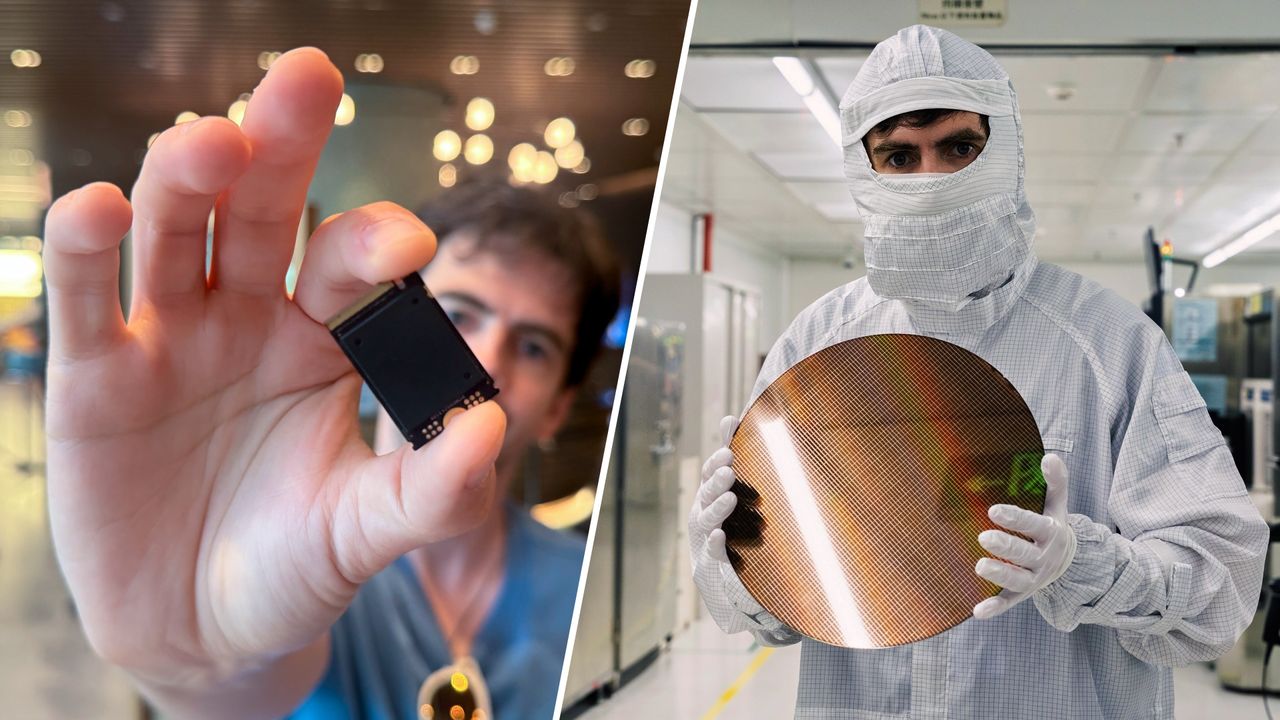
Lexar believes it has the answer, and it’s a Micro SSD named Play X: a world-first that shows what happens when you take all that storage tech, simplify the brains controlling it, and cram it all into something under half the size.
And even better? Not only can you buy one yourself that's compatible with both M.2 2230 and 2280 slots, laptop makers are sampling it right now and you could see them appear in notebooks this fall/early 2027. Let me show you how it’s made, and everything else you need to know about it!
How it’s made

I got to visit LongForce in Suzhou, China, to see the fascinatingly complex process of building these micro SSDs, and to help, I need to start with telling you how your traditional SSD works.
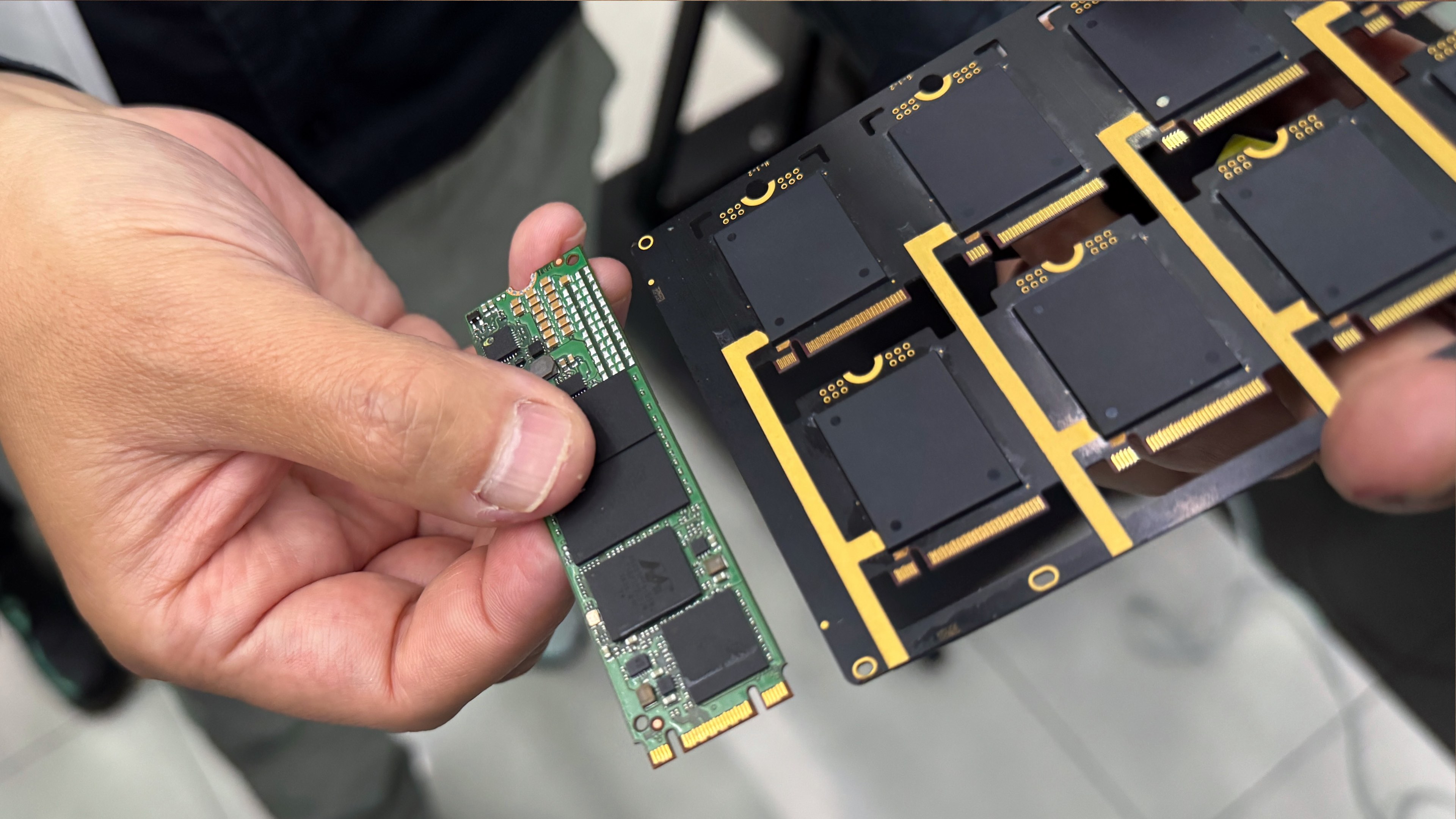
You’ve got the memory itself (the NAND chips), a DRAM cache that acts like a faster brain for key files you use a lot, and the memory controller that…well…controls things — what goes where, how fast, and making sure the thing doesn’t overheat.
Now imagine all those components, but squished into something over half the size…pretty cool, right? And yes, smaller SSDs already exist, but there are two ways this is different:
- The NAND chips, the controller and the power management brain (PMIC) are unified into one single module for a stable, streamlined chip.
- There's a theoretical 4TB of capacity in this mini drive (Play X will be sold at up to 2TB).
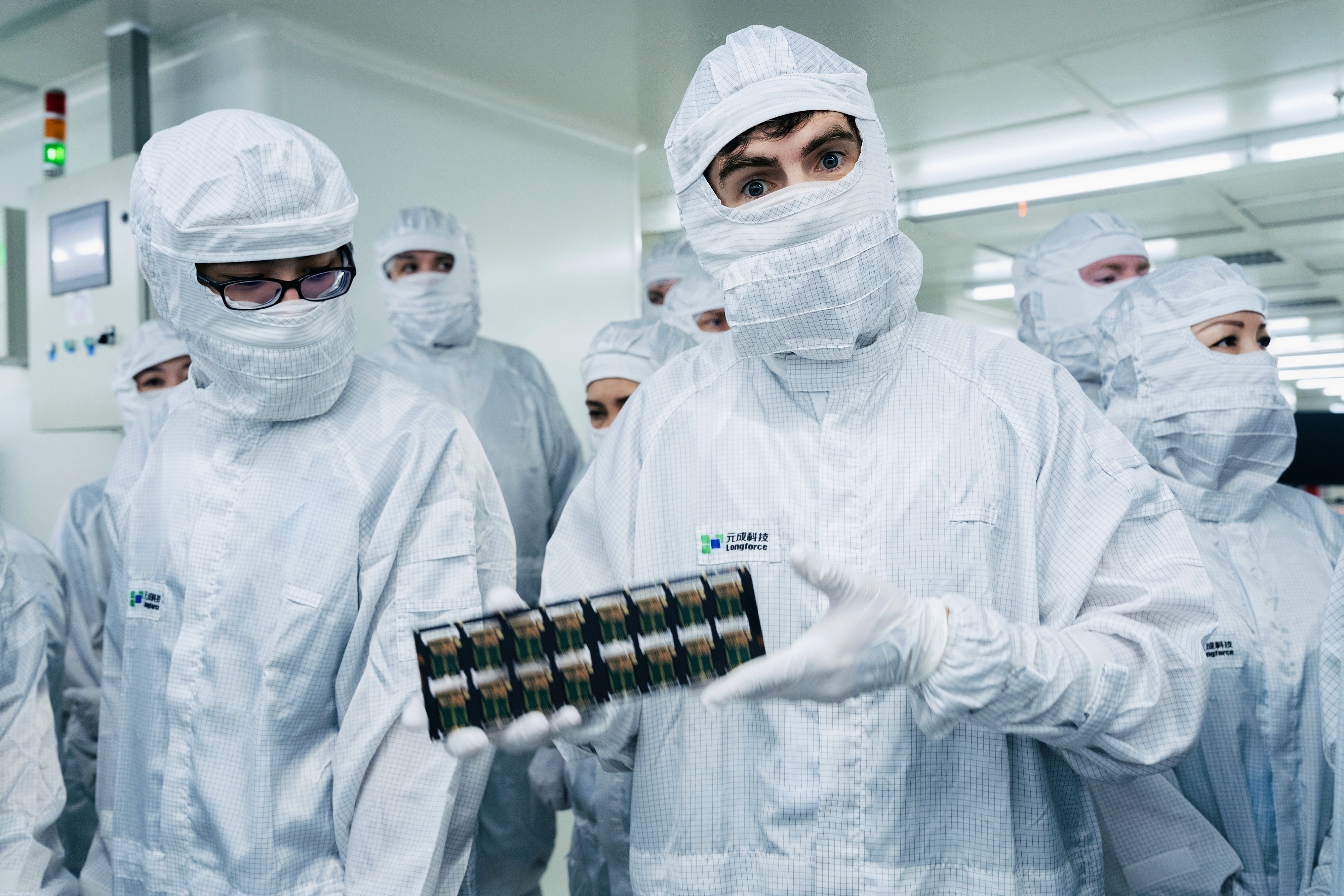
Lexar starts with the raw silicon wafer and they shave it down in machines worth in excess of $5 million — all the way down to something thinner than a human hair. Following this, lasers imprint what’s needed onto them and cut the wafer into the memory chipsets that are added onto the SSD.
Finally, what can only be described as a silicon sewing machine works autonomously to plug all the micro cables in, a heatsink is slapped on the top and then you have a micro SSD!
Speeds and feeds

Now when you take a look at the current crop of smaller SSDs, you’ll see they don’t have that DRAM cache for faster speeds, fewer NAND chips due to the limited size, and can be more likely to overheat.
Here, however, with the new manufacturing techniques on show here, Lexar is promising full-fat PCIe Gen 4.0 speeds, which means up to 7,400 MB/s read and 6,500 MB/s write speeds in something this tiny — all while better maintaining temperatures for sustained pressure.
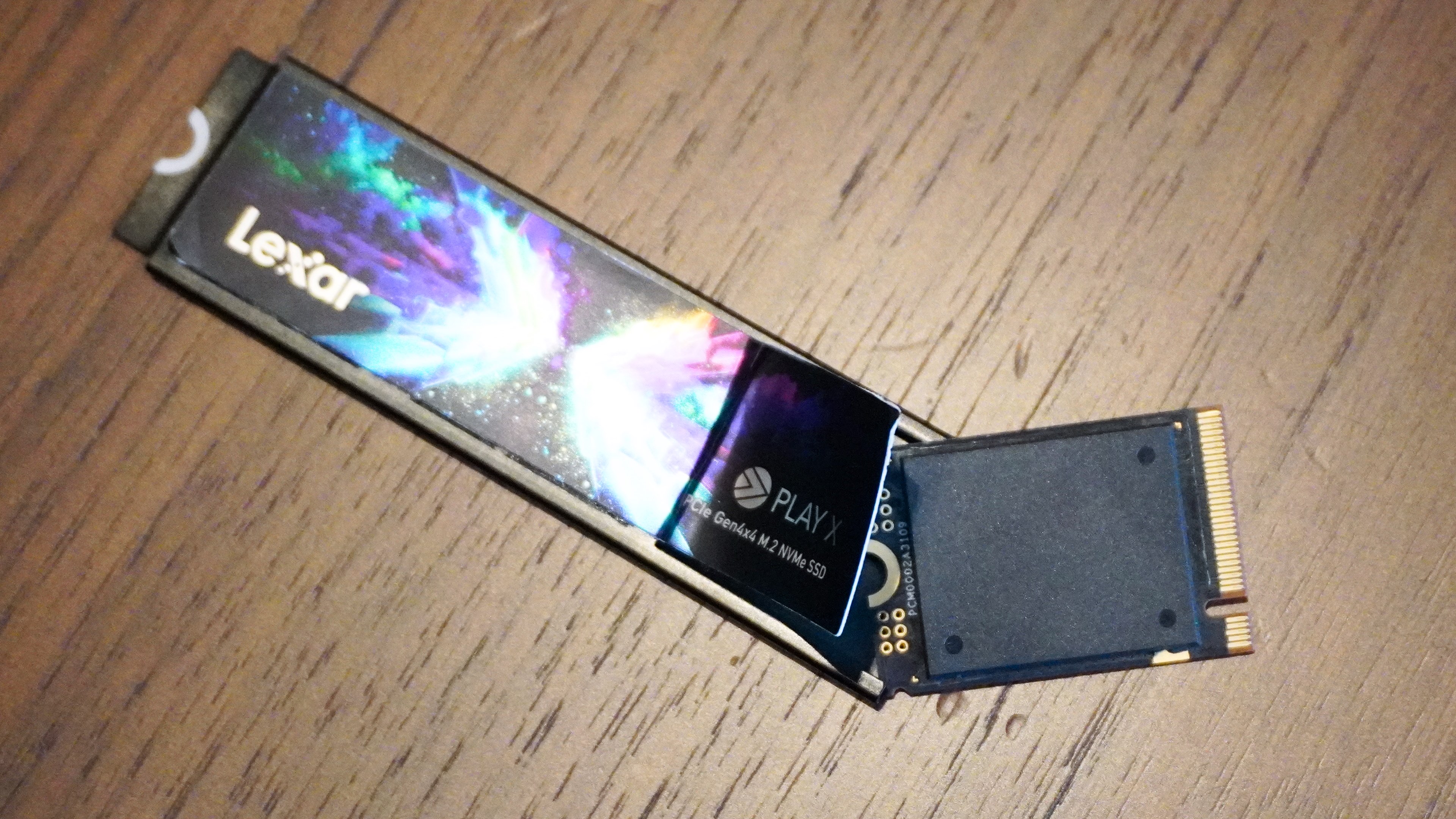
For compatibility across different builds, Play X can be plugged directly into a smaller M.2 2230 slot, while there is an M.2 2280 adaptor (the longer stick) if you need it. Of course, I’ll be the judge of these speeds when I can get my hands on one to test, but it’s setting a great first impression.
Coming sooner than you think (maybe)
So when can you expect to see this tech come to a notebook near you? Well, Lexar has confirmed that it is actively collaborating with laptop brands on mSSD products (such as Asus, Acer and Lenovo) — though the final solution might not necessarily be the Play X. Let's wait and see.
And the benefits are significant here — a smaller footprint means more room for other things like additional chips for connectivity, or even more battery capacity within a laptop. Where this could be even more enticing, come to think of it, is in gaming handhelds too. Space is a premium in these, and many are already using this smaller SSD size, so to upgrade the space and speed capabilities will be significant.
But the main question, as it inevitably has to be in the age of RAMageddon, is cost. The memory chips draw a high price, but will the miniaturization process create an additional cost too? It seems pretty inevitable that it will at first, but we’ll keep an eye on how things go price-wise.
More from Tom's Guide
- I got my ass handed to me by a chess-playing robot — and now I'm worried Magnus Carlsen may be cooked by AI
- Windows laptops are entering their MacBook Neo era, but is Windows 11 actually ready for it? 8GB of RAM has me worried
- I’ve gone hands-on with every Nvidia RTX Spark laptop coming this fall — here’s my brutal tier list of the best options