Having good neighbors' can make all the difference, especially if you want to get along well and live peacefully. However, it's not uncommon to come across certain anti-social behavior or annoying habits. From loud music at night and dogs barking to tall hedges blocking the natural light, neighbor disputes can really affect daily life.
And while I usually have no issues with my neighbors, there is one major gripe that I have with my neighbors across the road. Their bright outdoor/security lights are left on all night and happen to glare through my window. As a result, this has become a nuisance each night, disrupting my sleep routine.
Besides spending a fortune on blackout blinds, I asked the experts what I could do and best practices for approaching your neighbors' (without causing a rift!).
Similar to knowing your legal rights for cutting your neighbors' overhanging bushes or painting shared fences, are there any rules for dealing with a neighbors' blindingly bright outdoor lights? Here’s what they suggest.
Do I have any legal rights if my neighbor's lights are too bright?
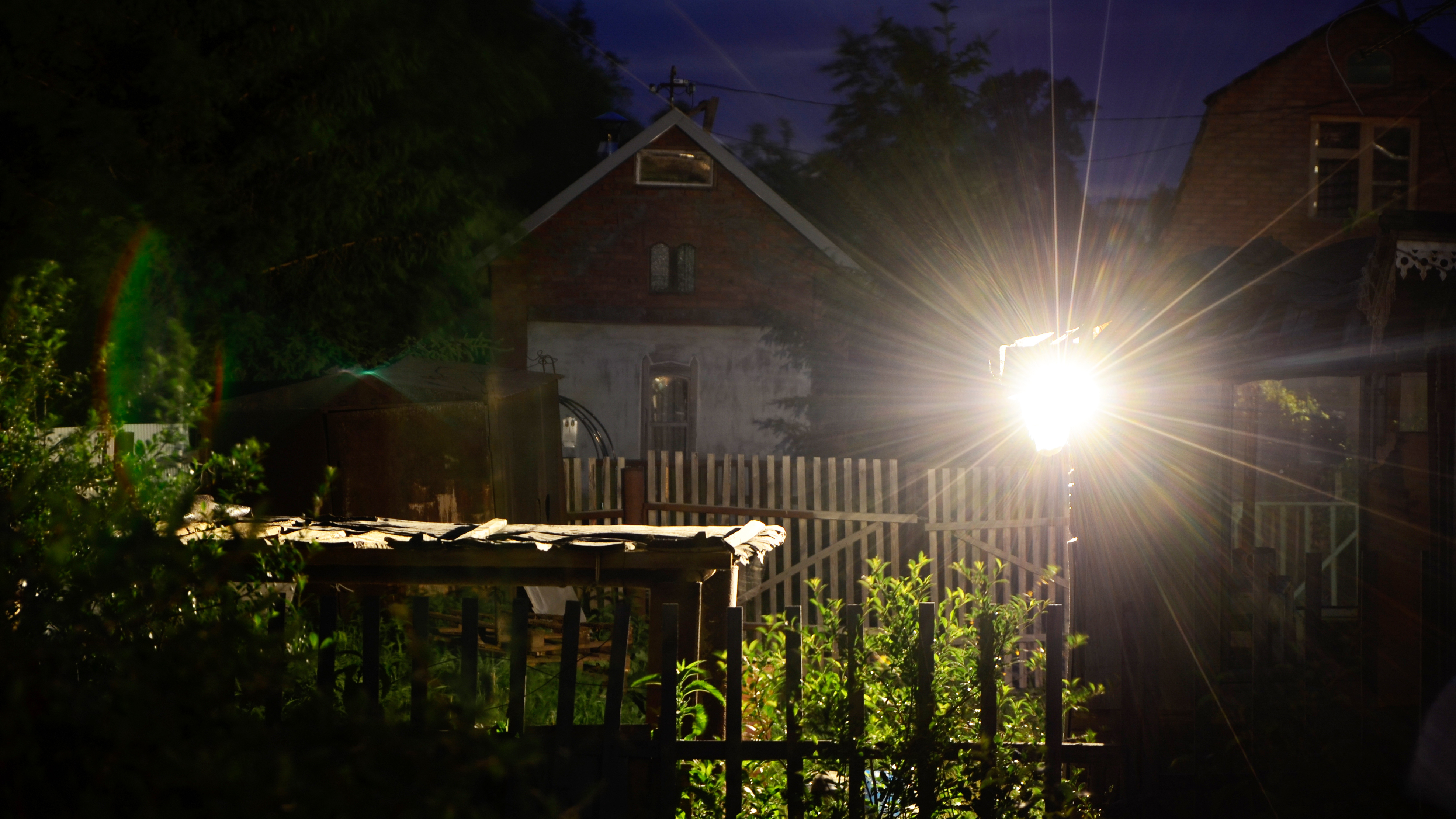
According to experts, we do have legal rights to protect our right to peacefully enjoy our property — but this will depend on the state laws/local councils.
“U.S. states broadly recognize the law of “nuisance” that protects an individual’s right to the peaceful use and enjoyment of their property,” states Rich Kingly, Home Improvement Expert and Owner of Driveway King. “Most city governments have no specific light pollution law, though in certain states you might be able to successfully argue for a common law “nuisance” case.
“This action could result in a Court order – called an “injunction” – preventing your neighbor from shining a light on your property, and may cause the local council to issue a “statutory nuisance abatement notice”.
Most city governments have no specific light pollution law, though in certain states you might be able to successfully argue for a common law “nuisance” case.
Rich Kingly, Home Improvement Expert
In addition, he advises documenting everything, which can also help to support your case or present to your neighbor.“Keep a diary to record the times that lights are shining into your home.
“Better still, take photos or videos of the offending lights to show your neighbors why you have an issue. This could help support your case when you go to speak to them.”
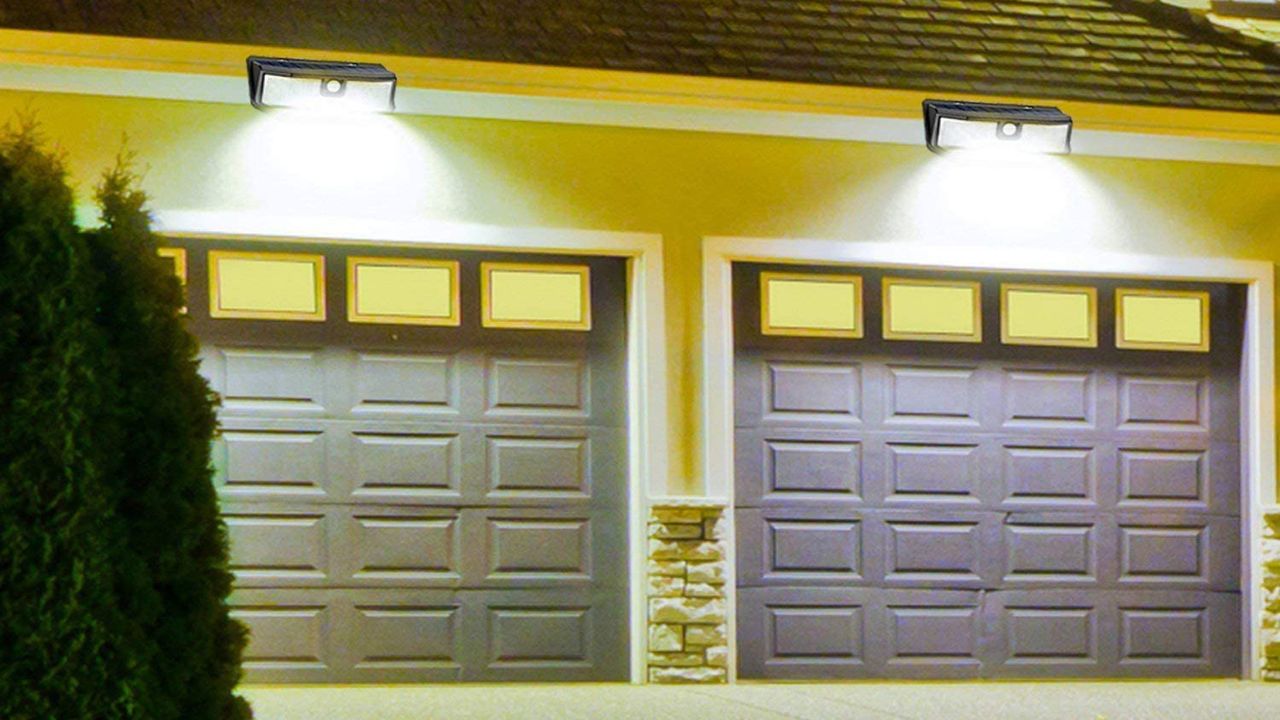
So, whether it's security lights on their garage doors or landscaping smart lights, you may have a legal case if these are directly affecting your home.
What’s the best way to approach your neighbor?

Perhaps the most effective way to avoid long-term tension is by initiating a polite chat with your neighbor to seek a compromise that works for everyone. But what is the best way to start the conversation?
“It's best to start these conversations from a point of positivity,” suggests Jonathan Palley, CEO of Clever Tiny Homes. “Compliment them on new improvements to their yard, chat about other things, and then get around to mentioning the light issue if they haven't.
“They undoubtedly had some reason for installing a light there, and getting to the bottom of that can help the conversation to move forward. Going straight for complaint or confrontation is just going to harden things and lead to a more contentious outcome.”
What’s more, if they are friendly or cooperative, you could even suggest ideas on ways to resolve the light issue. Simple adjustments, such as adjusting the light fixture or installing physical light shields over light fixtures, can help to reduce the bright glare.
Additionally, your neighbor may want to consider replacing lights with the ‘dark sky-friendly ones’. “In recent years, there has been an increase in great LED bulbs, but their intensity and spectrum can also cause issues,” adds Kingly.
“Warm colored LEDs or those in amber may be a better choice for neighbors because the warm tones are easier on the eyes than bluish-white ones. Using only the minimum amount of light you actually need can also solve the problem and save you money.”
Another option could be to set it on a timer to turn off, or replace it with motion sensor lights. That way, bright lights will go off at a suitable time at night, without constantly affecting your home. However, these are only feasible if your neighbors agree to these suggestions.
So if I want to reclaim my peaceful night's sleep (without being disrupted by bright lights), I'll be sure to have a friendly chat with my neighbor about it first.