
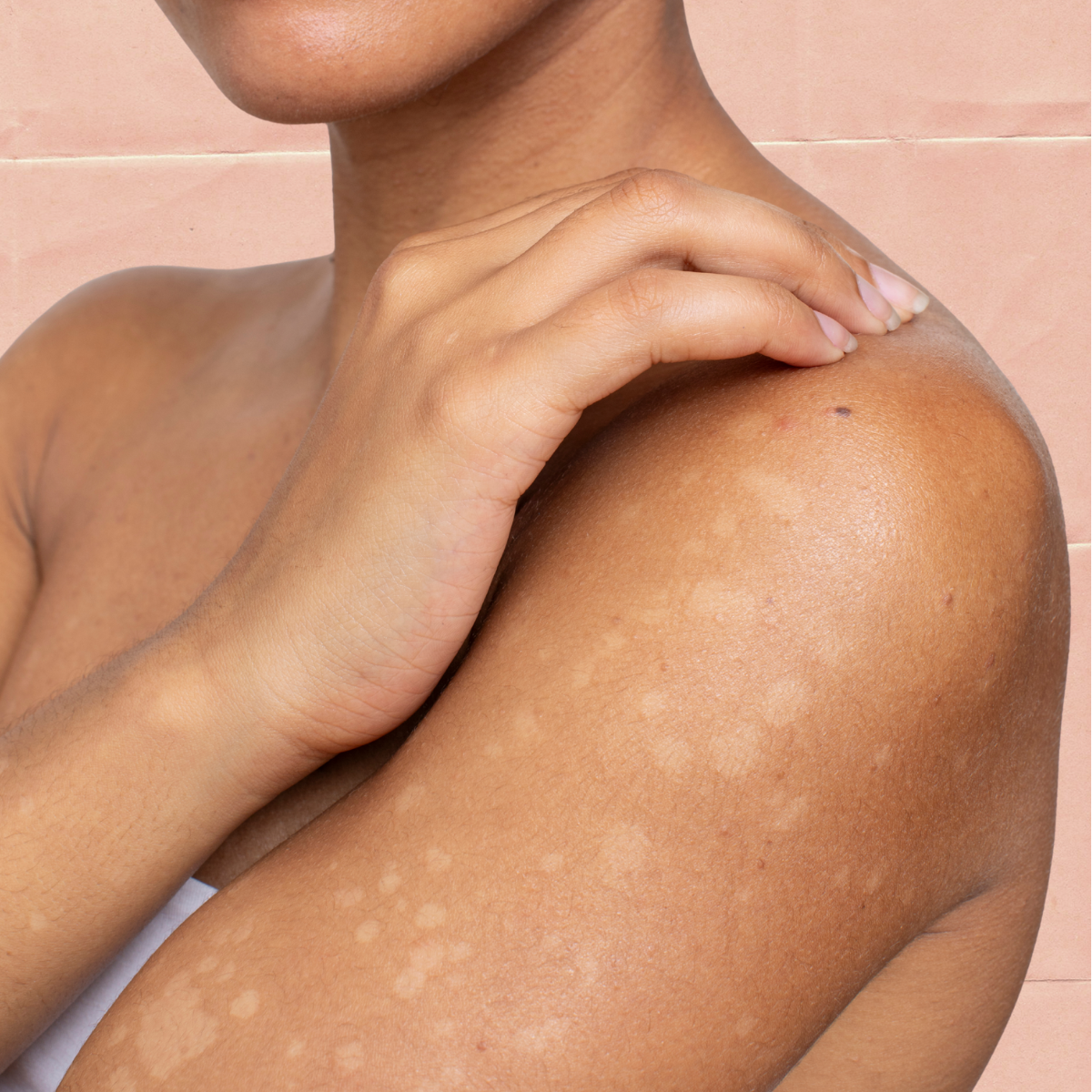
As a melanated girlie, I’ve always been conscious of hyperpigmentation—when patches of skin appear darker than the surrounding area. I’ve spent most of my life trying to avoid it—think sun protection, acne control, preventative skincare and steering clear of aesthetic treatments that could trigger it. On the occasions it did rear its head, I was armed and ready with a host of devices and actives to even out my skin tone.
What I wasn’t prepared for, and knew very little about, was hypopigmentation. So, when it happened to me, I was flummoxed about how it had happened and what exactly the correct course of action was to treat it.
Hypopigmentation decoded
“Hypopigmentation is a reduction in the skin’s natural pigment, melanin, resulting in patches that appear lighter than the baseline skin tone, but it still retains some melanin activity. It’s often confused with vitiligo, but the two are distinct. Vitiligo is a chronic and complex autoimmune condition that involves the complete loss of melanin-producing cells,” explains aesthetic practitioner and Ace Skin Health Clinic founder, Corina Mihalache.
Around two years ago, I developed a circle of skin on my calf that looks completely devoid of pigment, while a bite that turned into a blister, and a laser hair removal mishap that burnt my skin also left me with light patches that stand out like a lighthouse amongst my darker skin.
Pigment-producing cells, called melanocytes, located in the top layer of the skin can’t function as they should when inflammation, trauma or excessive stress comes their way. “These melanocytes may remain present but no longer produce enough melanin, or they fail to transfer pigment efficiently to surrounding cells, and more severe damage can result in partial or complete destruction of the melanocytes,” says Mihalachi.
Inflammation is one of the most significant triggers; think conditions like eczema, acne, psoriasis, burns and aggressive aesthetic procedures can all trigger inflammation and disrupt normal melanocyte activity. In small doses, inflammation promotes healing—the body releases inflammatory mediators, aka the chemical messengers like histamines, cytokines, prostaglandins and leukotrienes that are all essential for healing. The issue is that when inflammation becomes chronic—and we may be fuelling it with our collective obsession with achieving ‘perfect’ skin.
“I have also noticed an increase in pigment disruption caused by over-treated skin, linked to the overuse of active skincare ingredients, particularly in patients who have unintentionally damaged their skin barrier through excessive exfoliation, strong acids, or prescription products used without professional guidance,” says Mihalachi. And it’s not just at-home skincare that could be to blame.
Some aesthetic treatments carry significant risk too. “Cryotherapy, aggressive lasers, deep chemical peels and improperly used energy devices can all suppress or permanently damage melanocytes,” reveals Mihalachi.
Hypopigmentation in darker skin tones
Just as hyperpigmentation is more of a concern for melanin-rich skin due to our more active pigment-producing cells, which are more reactive to any form of inflammation, trauma or sun exposure. Hypopigmentation can also be more concerning. Not only are we more prone to the condition thanks to our overachieving pigment-producing cells, but because when skin is darker, a loss of pigment is also significantly more visible than it would be on our lighter-skinned counterparts.
To avoid this fate, Mihalache urges patients and practitioners to err on the side of caution when it comes to skincare and treatments. Ditch overly aggressive actives, use conservative settings during treatments and follow an intensive healing aftercare protocol.
How to treat hypopigmentation
Whatever your skin tone, the fundamentals of treating hypopigmentation remain the same. “It can still be challenging, but our understanding has improved considerably over recent years. Earlier intervention, better recognition of inflammatory triggers and more targeted therapies are helping to improve outcomes for many patients,” shares Teresa O’Nwere-Tan, Advanced Nurse Practitioner & Founder of Tan&Co
For post-inflammatory hypopigmentation, treatment focuses on calming inflammation, restoring the skin barrier and encouraging melanocyte recovery. “Depending on the individual case, this may include topical anti-inflammatory medications, carefully selected light-based therapies and anti-inflammatory and barrier supportive skincare,” says O’Nwere-Tan.
Light therapy, specifically controlled medical phototherapy, is one of the most exciting treatment options for hypopigmentation, as it's highly effective at stimulating melanin production. LED is a great supportive light treatment that helps reduce inflammation, supports healing, and strengthens the skin barrier.
“Gentle microneedling with the likes of exosomes, peptides, polynucleotides, can help encourage melanocyte activity and improve overall pigment blending too,” reveals O’Nwere-Tan.
At home, the priority is rebuilding a healthy skin environment rather than aggressively targeting pigment loss itself. “Start with the basics: a gentle, non-stripping cleanser, a ceramide-rich moisturiser to restore barrier function, and SPF 50 every single day without exception. Once the skin is calm and the barrier is intact, vitamin C is worth introducing gradually. It supports antioxidant defence and helps address the oxidative stress that contributes to melanocyte disruption. Azelaic acid at 10-20 per cent is another useful option as it has anti-inflammatory properties, helps regulate melanocyte activity and is well tolerated across skin tones. Once fully stabilised, a low-strength retinoid can be introduced to support cell turnover and improve overall pigment distribution,” explains O’Nwere-Tan.
Managing expectations
When it comes to repigmentation, patience is key. I’ve experienced this first-hand, as it’s taken a whopping two years to see an improvement in mine, and there’s still a way to go. In milder post-inflammatory cases, Mihalachi says, “melanocyte function may begin to recover within four to twelve weeks. More moderate cases can take months to a year. But severe cases involving deep trauma or melanocyte destruction may not fully resolve.”
My aim is to keep treating my hypopigmentation at home and in clinic for another year and then reevaluate. O’Nwere-Tan thinks that’s wise: “In some cases the goal may shift to blending and stabilisation rather than complete reversal.” And that’s where cosmetic camouflage comes in, think tattooing but skin tone matching rather than a pretty design to hide my hypopigmentation. Alternatively, acceptance that skin tone can change—it’s not always even, and there’s no such thing as perfect.
Your hypopigmentation recovery kit
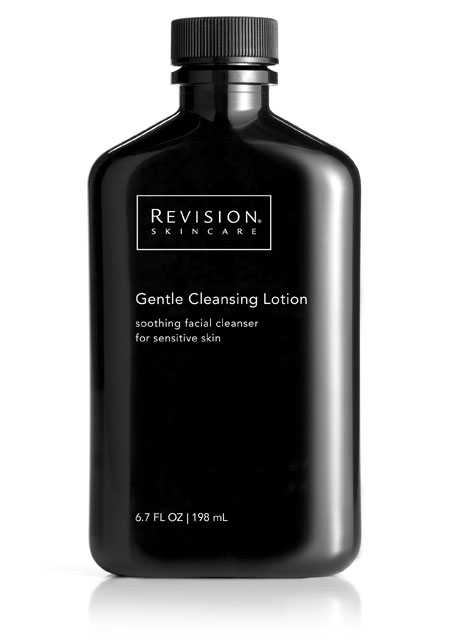
This gentle cleanser leaves skin refreshed, without stripping it completely.
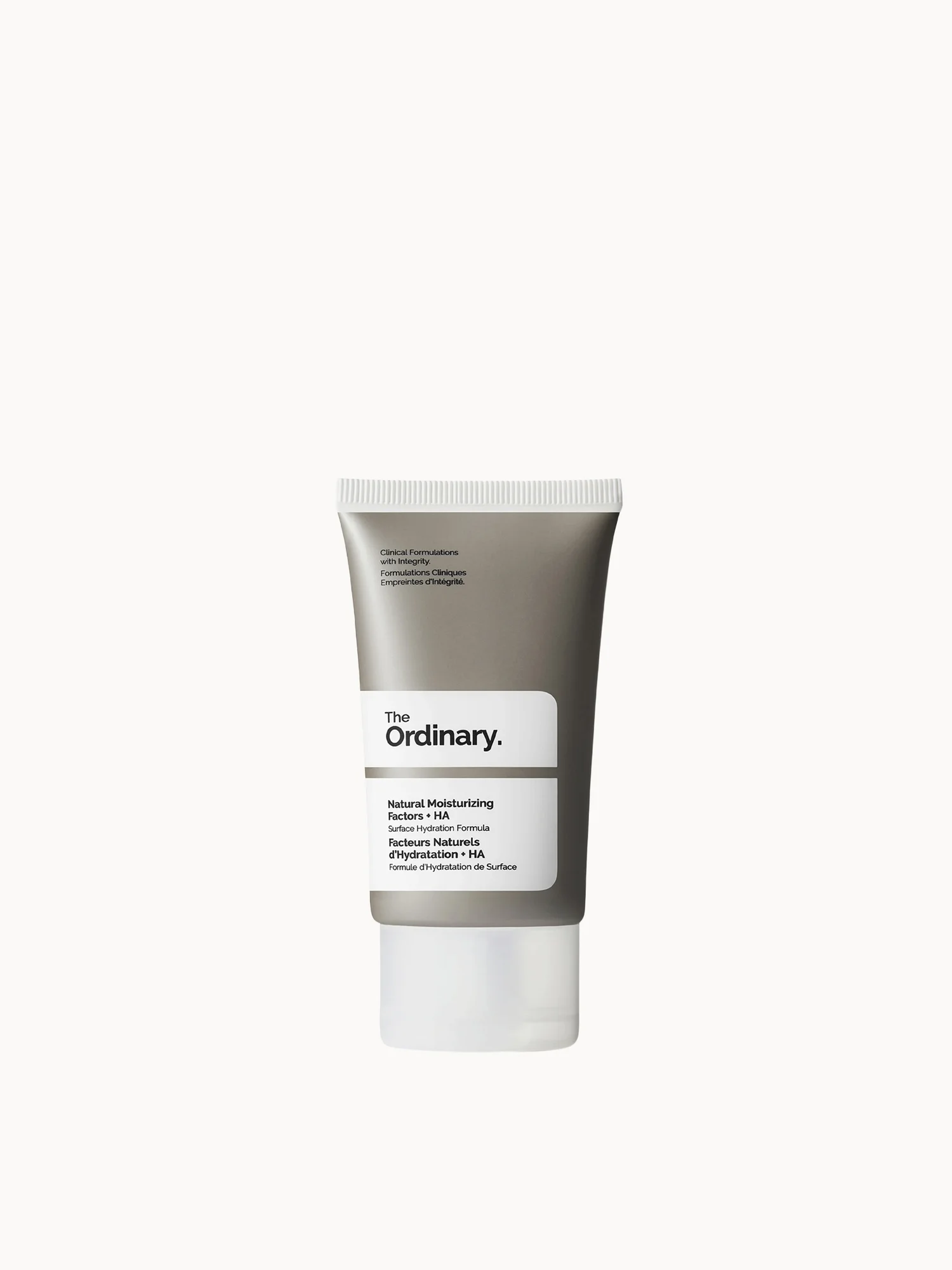
This moisturiser is packed with ceramides, fatty acids and hyaluronic acid to keep the outer layer if the skin hydrated, and protected.
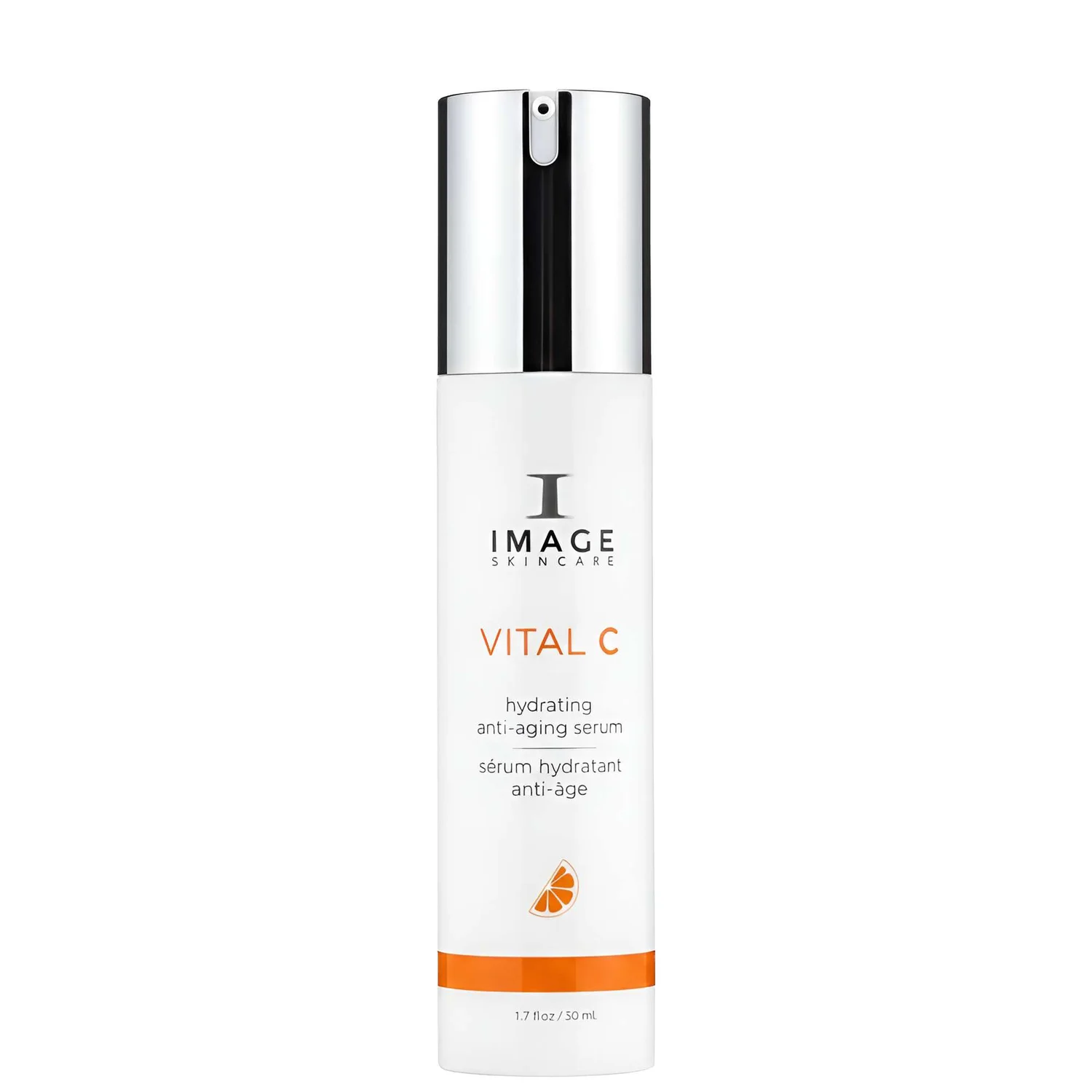
This serum contains multiple forms of vitamin C packing an major punch when it comes to treating damaged skin.
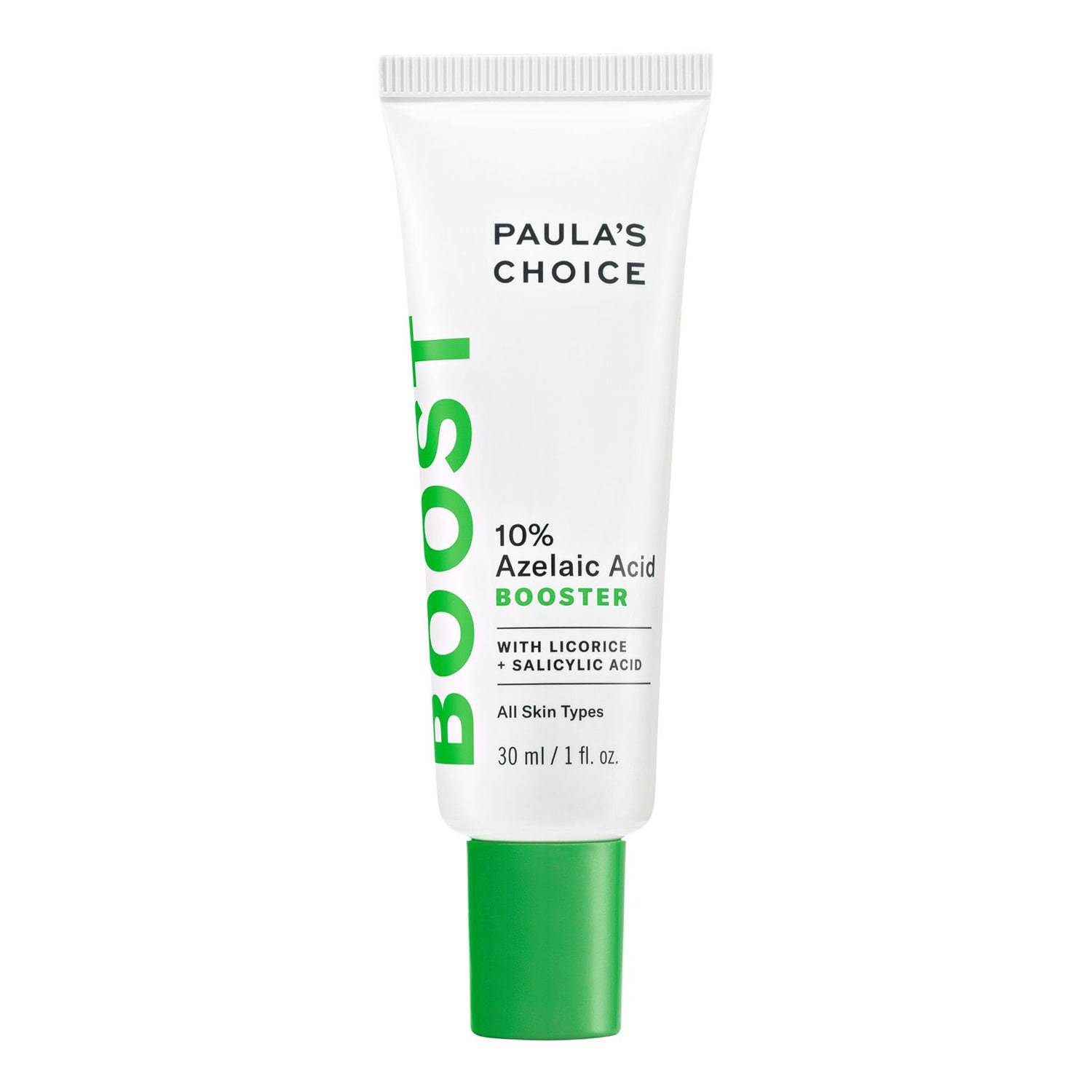
Use this booster to help clarify uneven skin tone, target stubborn spots of hyper- and hypo-pigmentation and soothe the skin.