HS2 will now cost over £100bn and will not start running until 2039 –13 years later and almost £60bn more than planned, the transport secretary has warned.
In an update on the beleaguered scheme, Heidi Alexander told the Commons on Tuesday that the expected costs of the high-speed railway have ballooned to between £87.7bn and £102.7bn – making it more expensive than Nasa’s Artemis II mission to send four astronauts to the Moon.
The timescale for completion has also been extended, with services now not expected to launch until sometime between May 2036 and October 2039, rather than in 2026 as initially planned.
The trains will also run slower than planned, with the maximum speed of services being 320kmh (199mph), down from the original design of 360kmh (224mph).
Earlier this year, it was reported that HS2 bosses would explore the possibility of making the trains slower as ministers consider ways to cut spiralling costs on the embattled scheme, in a move branded “unwise” by unions.
Government sources told The Independent that if the trains were built to current speed specifications, they would either have to be sent to China to be tested on existing tracks already engineered to run at that speed or wait until such a track was built in the UK.
Constructing the line from London to Birmingham – including the now-abandoned onward legs to Leeds and Manchester scrapped by the Conservatives, as first revealed by The Independent – was initially estimated to cost £32.7bn in 2011 prices, but the budget has spiralled.

Ms Alexander said the cost increase was mostly because of “past misunderstanding of the work required, underestimation and inefficiency, issues within the control of HS2 Ltd, some of its suppliers, and previous governments”.
She told MPs in the Commons that she was “angry” about the “obscene increase in time and costs”, which she blamed on “the failures of successive Conservative governments”.
In an extraordinary letter to the government before the new costs were revealed, the CEO of HS2 Mark Wild pleaded with ministers not to cancel the project altogether.
In a letter sent on Friday and published on Tuesday, he said the cost of cancellation and remediation works to areas where building has already started could range from £33bn to as high as £58bn.
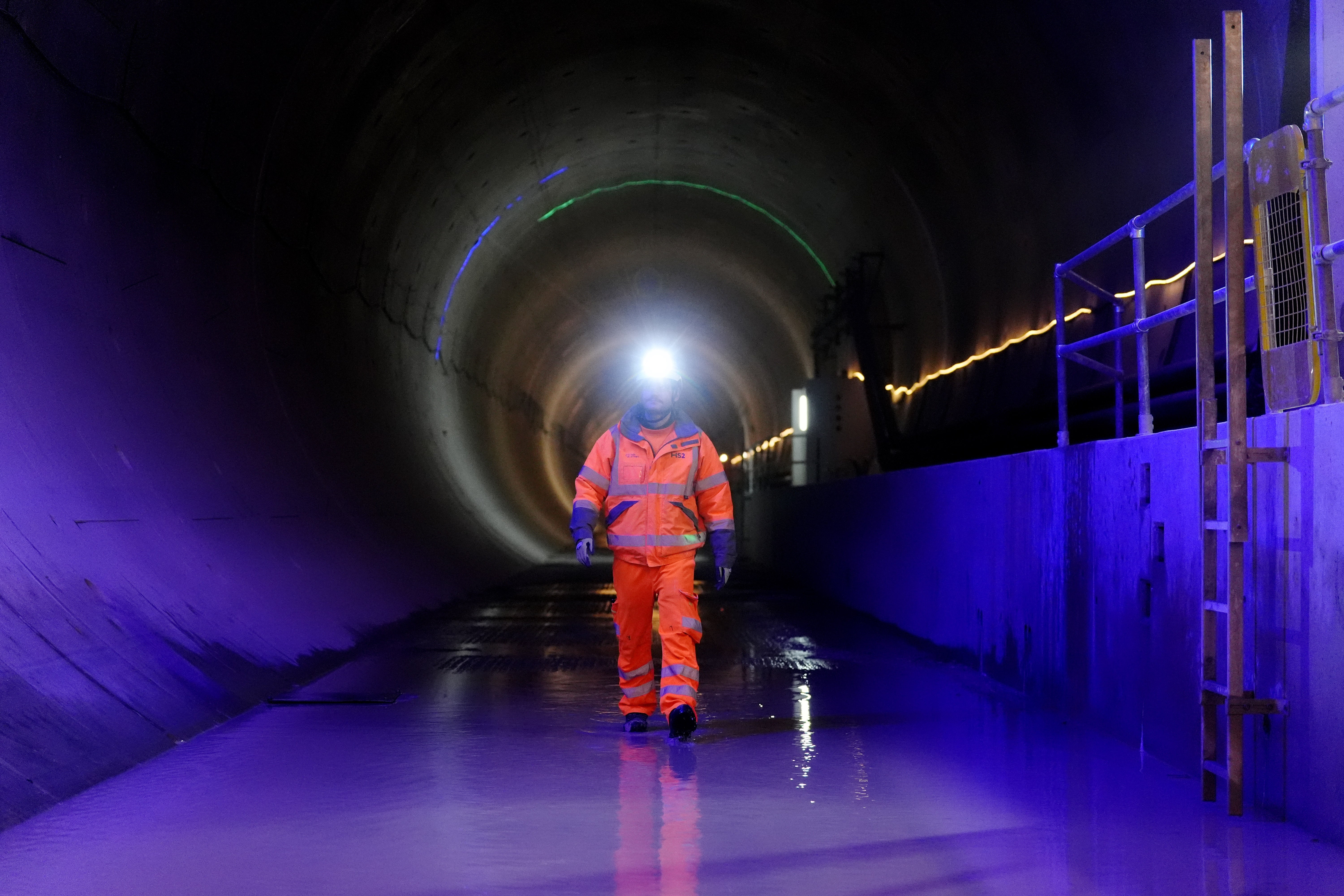
“Cancelling a programme of the scale of HS2 is unprecedented in the Western world. Accurate estimates are impossible to benchmark,” he wrote.
He said removing the assets already built could be “more complex”, as the structures “are designed to last for 120 years and not to be dismantled”.
Reacting to the increase in project time and costs, former Tory minister Sir Gavin Williamson, whose Staffordshire constituency has been heavily impacted by work on the line, said: "The cost and lack of control of HS2 is having an enormous impact not just on my constituents in terms of disruption but in terms of the pockets of everyone in this country.
"This is a busted project that has caused misery and just needs to be brought to a close as quickly as possible."
Lichfield MP Dave Robertson said: “The announcement will be a bitter pill to swallow for so many people in our part of Staffordshire. The scale of failings over more than a decade and a half are staggering.”
In Water Orton in Warwickshire, where HS2 changed its plan to extend a 3.5-mile tunnel, villagers claimed initial plans were “done on the back of a fag packet”.
Feli Freeman, who lives within sight of concrete works for the line, said: “The extra spend was foreseeable based on what we see here, where wild changes in specification have added incredible cost.
“Those initial sums, the plans, put forward to government, it was all done on the back of a fag packet. Now we're all paying for it, in money and disruption.”

In Wendover, a Buckinghamshire town next to the Chiltern Hills with a population of around 8,000 residents, reacted without surprise to Ms Alexander's announcement.
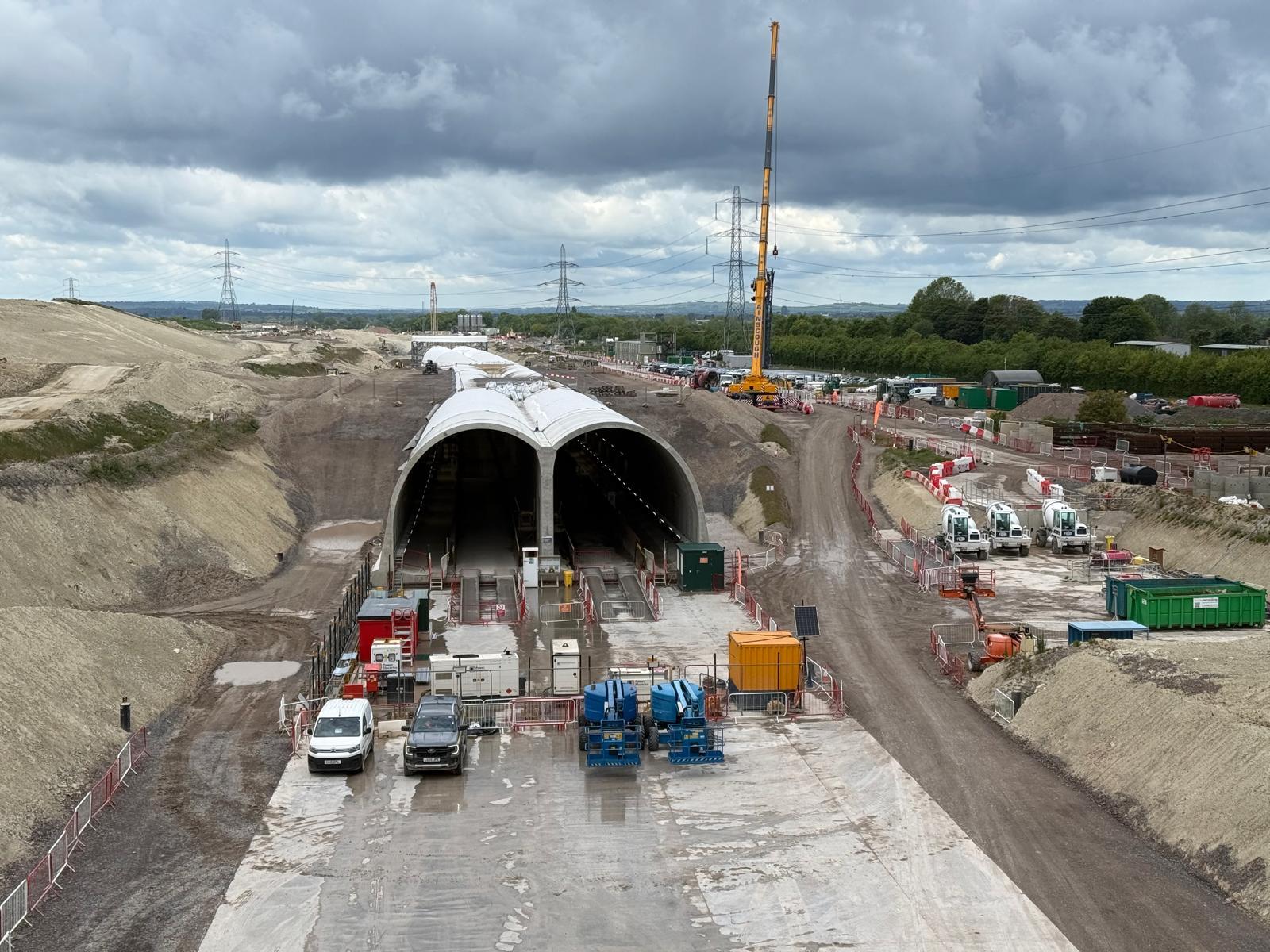
The community claims to have faced several years of disruption – HGV traffic, dust and noise – from work to build a viaduct and a mile-long tunnel. Murray Cooke, a retired engineer-turned secretary of the Wendover HS2 Mitigation Action Group, told The Independent the town had witnessed the “pure inefficiency” of the project.
“The delay and costs are all but predictable,” he added. “I’m only comforted by the fact we are slowly getting to the end of this and these people might go away in a few years’ time.
“It’s been a misery, and of no benefit with the nearest HS2 stations miles away from us.”
The TSSA union, which represents staff employed by HS2, called on the government to give “full and determined backing” to make HS2 a reality.
“We urgently need to see greater connectivity at local, regional and national levels – the UK is already far behind other major economies around the world when it comes to high-speed rail,” its general secretary, Maryam Eslamdoust, said.
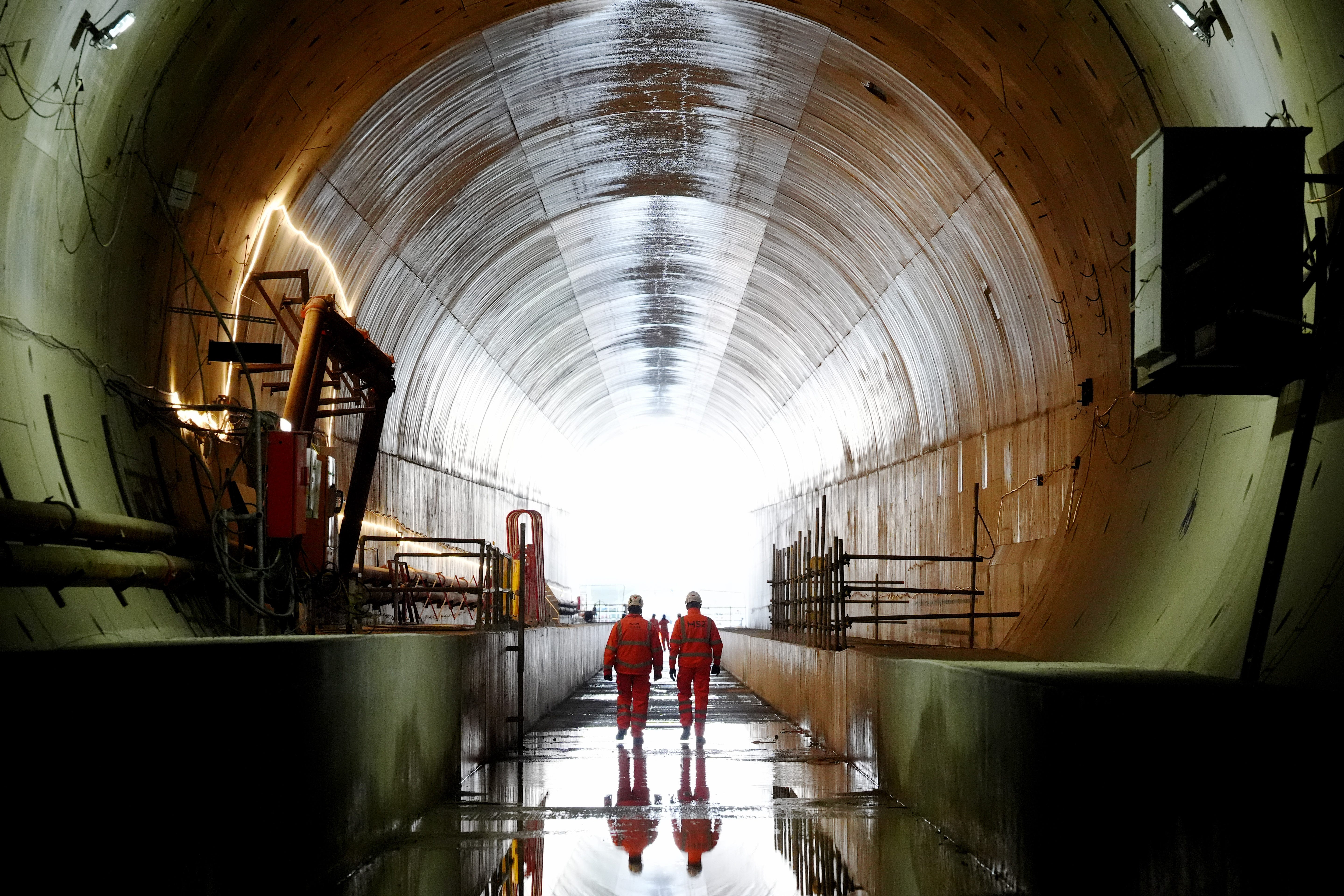
Services between Old Oak Common in west London and Birmingham’s Curzon Street station are expected to start running between May 2036 and October 2039.
But the high-speed trains will not run between Euston station in central London and Handsacre Junction in Staffordshire until between May 2040 and December 2043.
Handsacre Junction is where HS2 trains are planned to leave the dedicated high-speed tracks and merge onto the conventional West Coast Mainline.
Ms Alexander said the overall budget includes work at Euston, but the government was still seeking a private investor for the site.
Last year, Ms Alexander told the Commons she was drawing a “line in the sand” over the project, which she described as an “appalling mess”.