For decades, cracking India's toughest exams seemed impossible without joining a famous coaching institute. Students left their homes, moved to crowded coaching hubs, and families spent lakhs of rupees chasing a dream. Success appeared locked behind classroom walls.
Then something unexpected happened. A teacher with a smartphone could suddenly reach millions of students. A lecture once available to a few hundred learners became accessible to anyone with an internet connection. Slowly, the rules of education began to change.
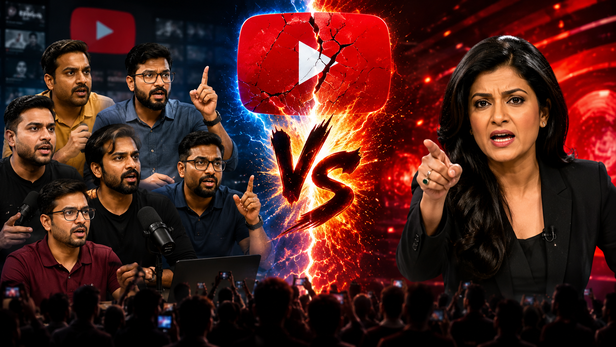
Today, as television anchors question YouTube educators and online teachers push back, the real story lies elsewhere. This is not merely a clash of opinions. It is a battle over who controls knowledge, trust, and the future of education in India.
When Education Stopped Belonging to Big Institutes
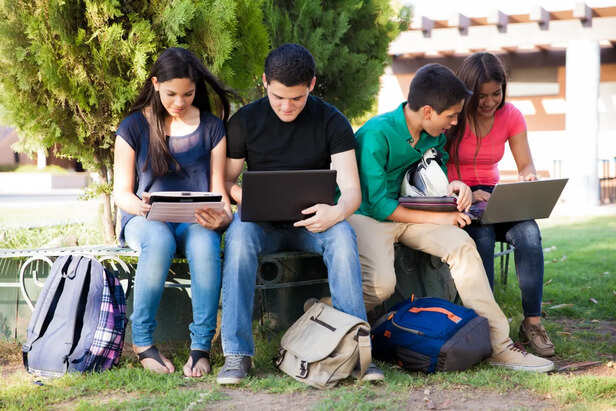
Affordable internet and smartphones have brought quality education to millions of students.
For years, coaching institutes held a powerful advantage because access to top teachers was limited. Students travelled to cities like Kota, Delhi, Hyderabad, and Patna to attend classes taught by renowned faculty members. The arrival of affordable smartphones and cheap internet changed everything. Suddenly, a student sitting in a small village could watch the same quality lecture available in a major coaching hub. Geography stopped being a barrier. Education became available anytime and anywhere, creating opportunities for students who previously could not afford expensive coaching programs.
The Free Content Formula That Changed the Game

Free educational content became the most powerful marketing tool in modern learning.
The biggest disruption was not online learning itself but the idea of giving away high-quality education for free. Traditional coaching centres depended on classroom capacity, while YouTube lectures could reach millions without additional costs. Educators discovered a powerful model: provide valuable free content and build trust with students. Once audiences grew, many students voluntarily purchased test series, mentorship programs, books, and premium courses. Instead of spending huge amounts on advertisements, teachers used free classes to attract learners. The classroom evolved into a digital community, and education became more accessible than ever before.
The Rise of Teachers Who Became National Icons
A decade ago, educational brands were often bigger than individual teachers. Today, many students discover educators before they discover institutions. Platforms like YouTube allowed teachers to build direct relationships with learners through daily classes, live sessions, and interactive communities. The success of PhysicsWallah and educator Alakh Pandey demonstrated how powerful this shift had become. What began as a simple YouTube channel eventually evolved into a major education company worth billions. This transformation proved that trust, consistency, and quality teaching could create influence rivaling even the largest coaching institutions.
Why Students Trust Screens More Than Buildings
Modern students do not simply consume content; they build relationships with educators. Through regular videos, doubt-solving sessions, and motivational interactions, teachers become familiar faces in students' daily lives. Unlike traditional classrooms, digital platforms allow continuous engagement. Students can pause lectures, revisit concepts, and learn at their own pace. This flexibility creates a sense of control and comfort. As a result, trust increasingly flows toward educators who consistently deliver value rather than institutions that rely solely on their reputation or infrastructure.
The Debate That Revealed a Bigger Power Shift
Mainstream media hasn't questioned Govt over NEET, CBSE & CEUT blunders
YouTube Teachers called out media for this, then Anjana Om Kashyap got triggered & started abusing them instead of introspection 🤡👋
— Veena Jain (@Vtxt21) May 31, 2026
Recent criticism of YouTube educators sparked widespread reactions online. Many creator-teachers argued that their success comes from results, expertise, and direct audience trust rather than media visibility. The controversy highlighted a larger reality: authority is no longer controlled by a handful of institutions or television studios. In the digital era, credibility is earned through performance and transparency. Students can compare teachers, watch free samples, and make independent decisions. The debate exposed how influence is increasingly shifting from traditional gatekeepers to creators who build genuine connections with their audiences.
Why Coaching Institutes Are Adapting Instead of Disappearing
Despite rapid digital growth, coaching institutes are not vanishing. Students still value mentorship, structured study plans, discipline, and peer competition. This is why many institutions are adopting hybrid models that combine online convenience with offline support. Recorded lectures, digital tests, physical classrooms, and mentorship programs now work together. The future belongs not to purely online or offline education but to systems that blend both effectively. Success increasingly depends on delivering measurable results rather than relying on location or legacy brand value.
The Revolution Has Only Just Begun
India's education revolution is still in its early stages. As internet access expands and digital tools improve, millions more students will gain opportunities once reserved for a privileged few. The most important change is not technological but cultural. Knowledge is no longer confined to classrooms, cities, or institutions. A motivated student can now learn from some of the country's best educators without leaving home. That shift has permanently altered the balance of power in education, and there is no turning back.
Unlock insightful tips and inspiration on personal growth, productivity, and well-being. Stay motivated and updated with the latest at My Life XP.
Frequently Asked Questions (FAQs)
1. Why are YouTube educators becoming so popular in India?YouTube educators offer free or affordable access to quality education. Students can learn from experienced teachers anytime, anywhere, without spending large amounts on coaching fees or relocation costs.
2. How has YouTube changed India's coaching industry?
YouTube has reduced the dependency on physical coaching centres by making lectures accessible online. Students can now learn from top educators through smartphones and the internet, regardless of their location.
3. What is the "Free Class Revolution"?
The Free Class Revolution refers to the rise of educators who provide high-quality educational content for free on platforms like YouTube, helping millions of students prepare for competitive exams.
4. Can free YouTube classes replace traditional coaching institutes?
Not entirely. While YouTube provides excellent learning resources, many students still benefit from structured study plans, mentorship, test series, and personal guidance offered by coaching institutes.
5. Why do students trust YouTube teachers?
Students often build a strong connection with online educators through regular lectures, live sessions, doubt-solving classes, and consistent engagement, which helps create trust and credibility.