
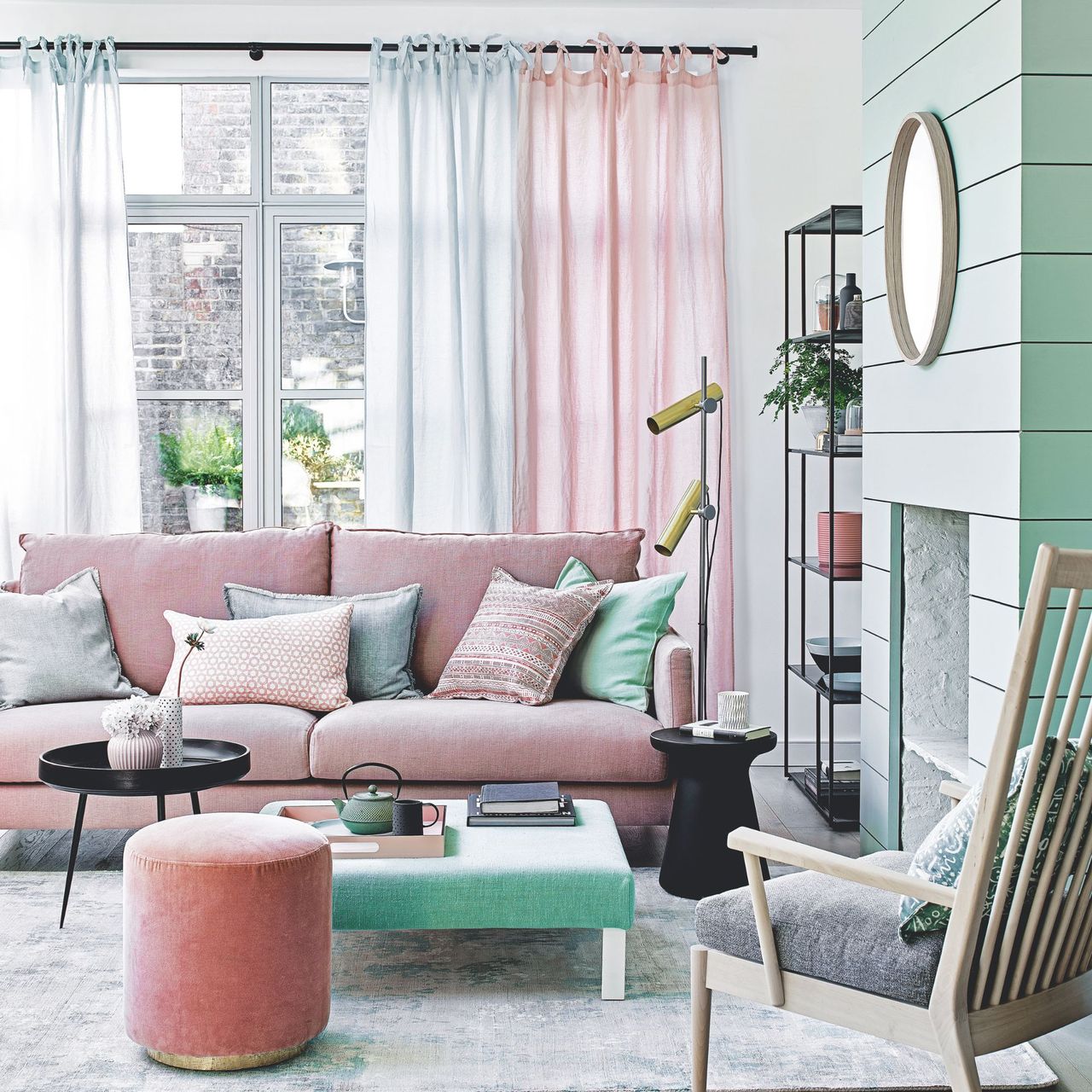
Everyone knows that colour is one of the key ingredients to creating a feel-good home. It’s the perfect way to refresh your space while boosting your mood. However, there is a lot to consider if you really want to benefit from the uplifting effects of colourful interiors.
As we have shifted away from minimal schemes over the past few years, colour is becoming commonplace within our spaces. In fact, research from Lust Home shows that there is a growing appetite for colour within the home. 46% of Brits are bored of neutrals, with 35% ditching them for something brighter and bolder.
And every year there are new colour trends that will to define our homes. But it’s important not to blindly follow the trends, especially if you want to create a home that feels as good as it looks.
Instead, you should take an intentional approach to colour. Stuck on where to start? I asked the experts for their top tips.
The importance of colour
While decor and layout are important factors to consider within the home, colour establishes a foundation.
‘Colour is one of the most powerful tools we have to influence how a home feels,’ says Emma Green, founder and creative director of Emma Green Design. ‘The right palette can make a space feel calmer, brighter and more uplifting.’
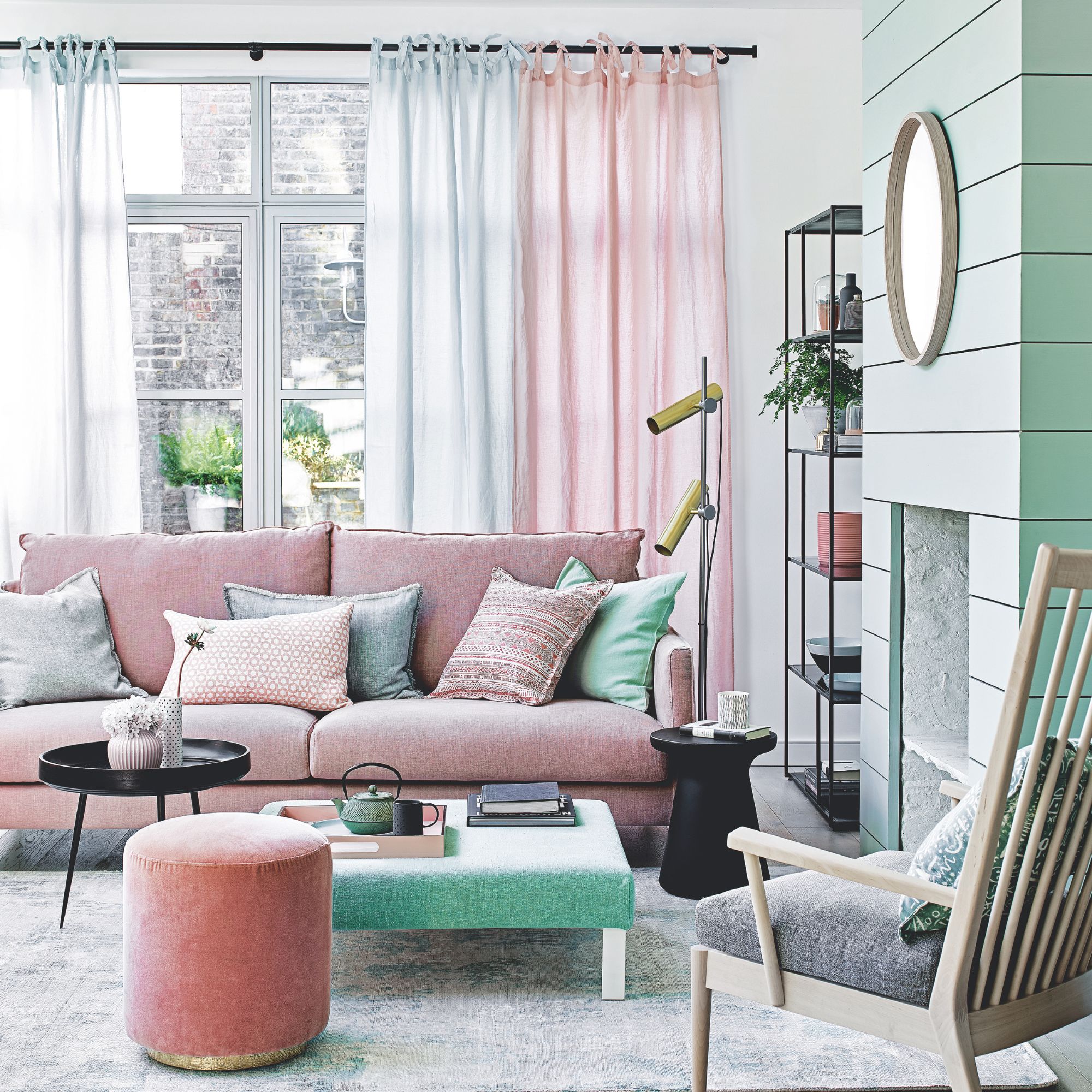
‘Colour sets the tone for your space,’ Florence Sherwood, colour consultant at Georgie Wykeham Designs, agrees. ‘Whether you want a backdrop for family life, or a relaxing safe haven, colour can reflect what you need from your home.’
And that’s not all. Colour has an undeniable ability to set the tone of a space, and this goes hand in hand with how each room will make you feel. ‘Colour influences us instantly, often without us realising,’ says Karen Haller, colour and design psychology expert, and Lust Home ambassador.
‘It bypasses logic and language, speaking directly to our emotions and shaping how we feel. The colours we choose to live and work with influence our mood, behaviour, sense of comfort, and how we interact with the world around us every day,’ she adds.
With this in mind, it’s important to remember that colour is personal and provokes different emotional responses in people. What feels like the ‘right’ shade for some, might not work as well for others. So, the colours you choose for your home should ultimately reflect your thoughts, feelings and emotions. And, no matter the paint you pick, there are some pointers to remember when it comes to using colour effectively.
How to use colour to create a happy home
Whether you choose a shade that will inject personality into your lounge, or pick a productive colour for your small kitchen, here’s how to style them – according to the experts.
1. Consider colour psychology
Colour psychology refers to the study of how different colours can influence our mood and emotion. And while the theories are complex, understanding a little bit about it will help you to effectively include colour in the home.
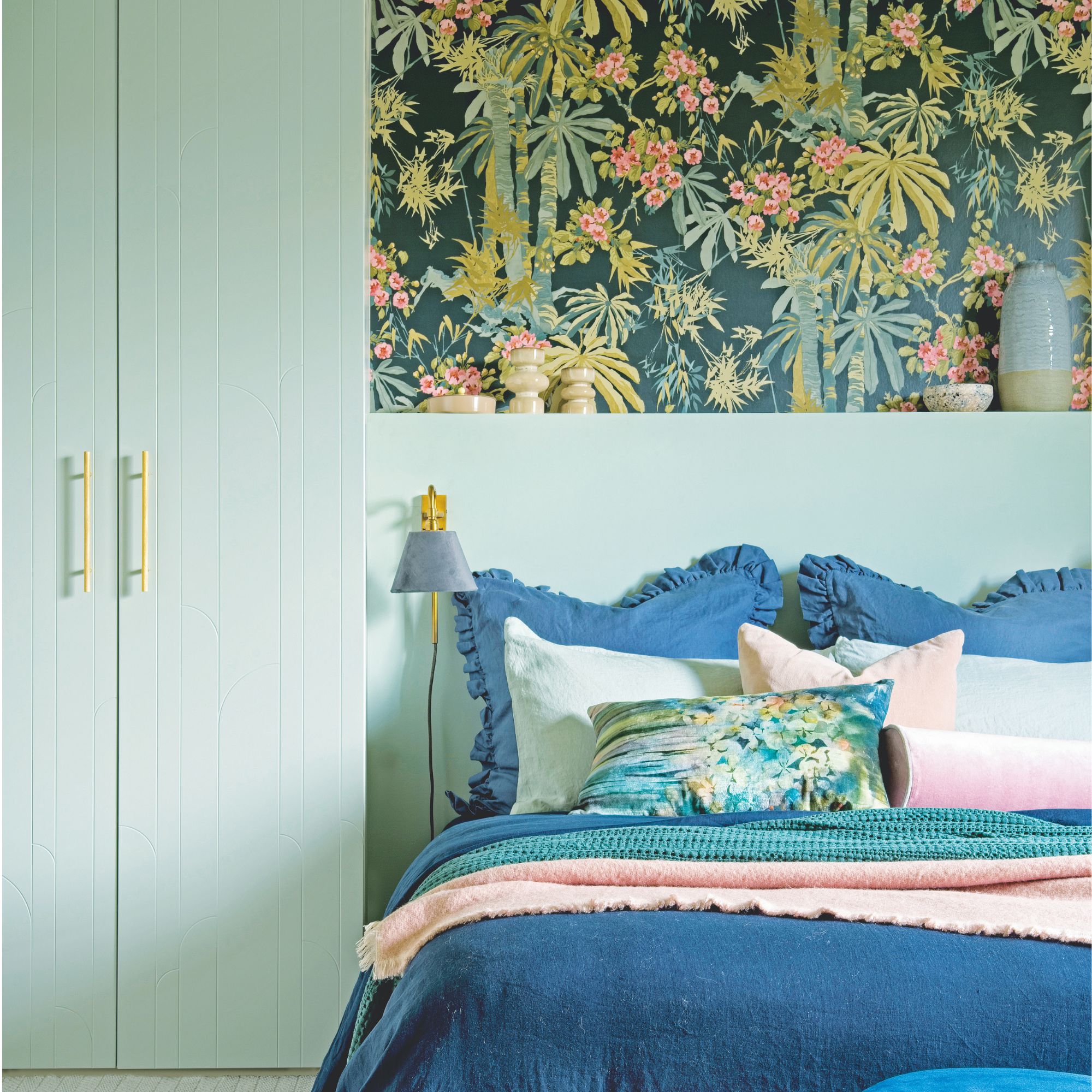
‘There is no single formula behind colour psychology. We all respond uniquely to colours that lift our mood,’ says Karen. ‘So start by noticing what you crave emotionally, and observe how specific colours affect you.'
'The key is to choose what genuinely brings you joy, because it’s your response to colour that creates the feeling.’
2. Start small
Once you’ve landed on the ‘right’ colour for your space, it’s important to take your time. ‘Instead of jumping straight in and drenching a room, take your time to see how it feels in your space,’ suggests Karen.
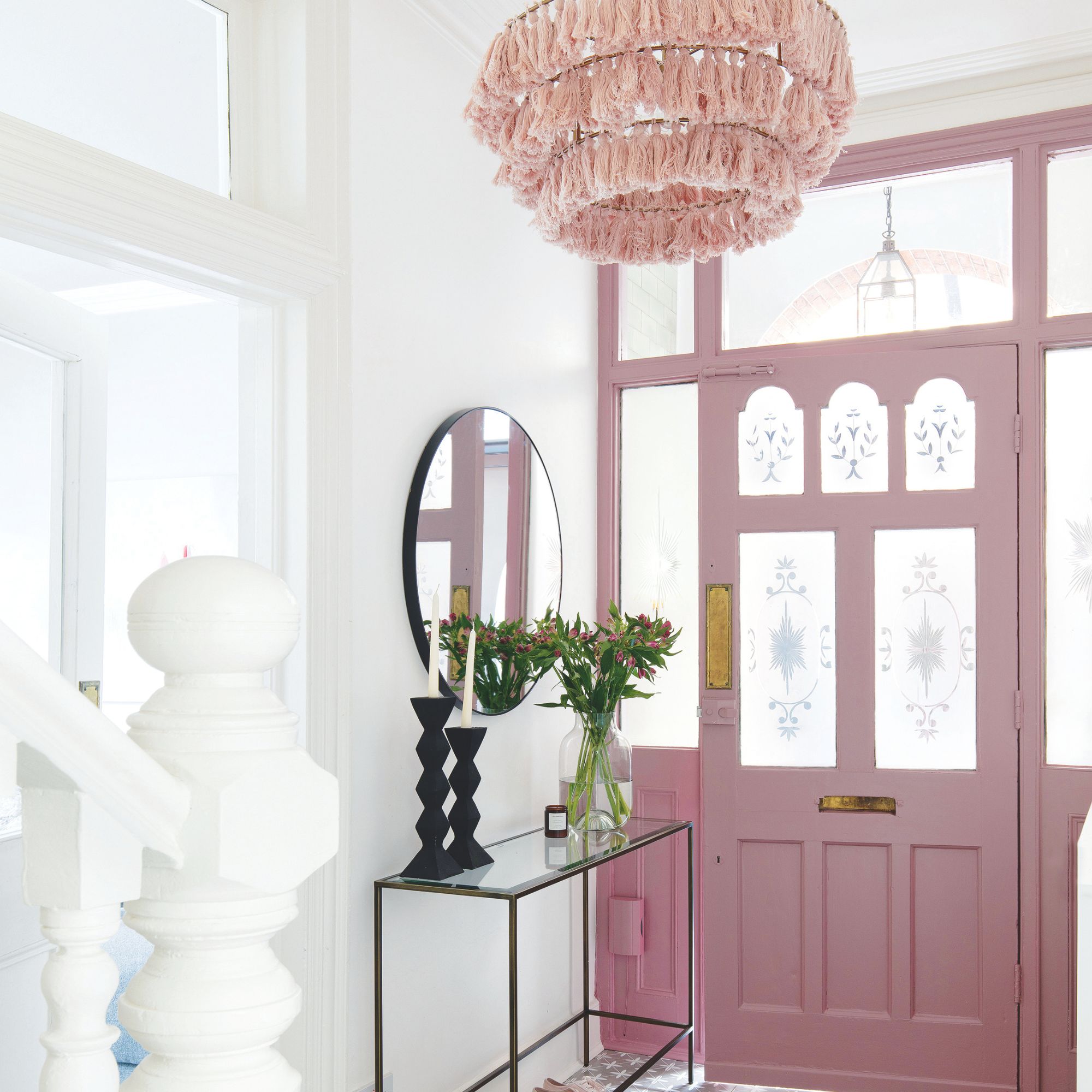
‘Decorate an accent wall, or choose a smaller area, like a downstairs loo or hallway, to build confidence. If you love the colour every time you walk in, you’ll know it’s right for you and your space.’
3. Create harmony
‘The relationship between colours in your home is just as important – if not more so – than the individual colours you use. So it’s useful to think about the colour journey of your home,’ explains Florence.
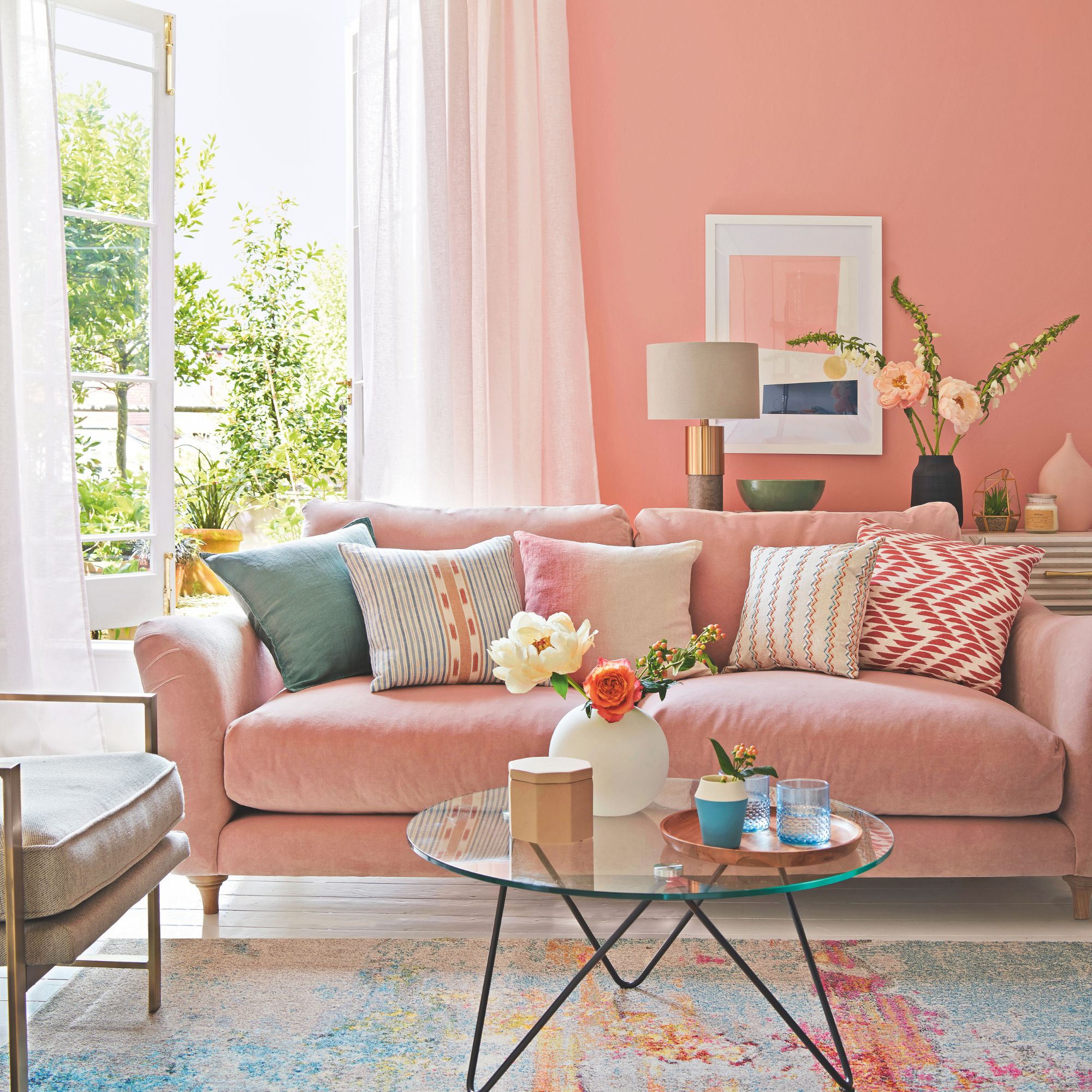
‘For instance, jolting from a warm, soft scheme to a bright, cool theme can feel disjointed.’ So, pair shades that feel natural together to reduce sharp contrast.
4. Lean into nature
‘Much of colour psychology is linked to our natural associations with the world around us,’ explains Emma.
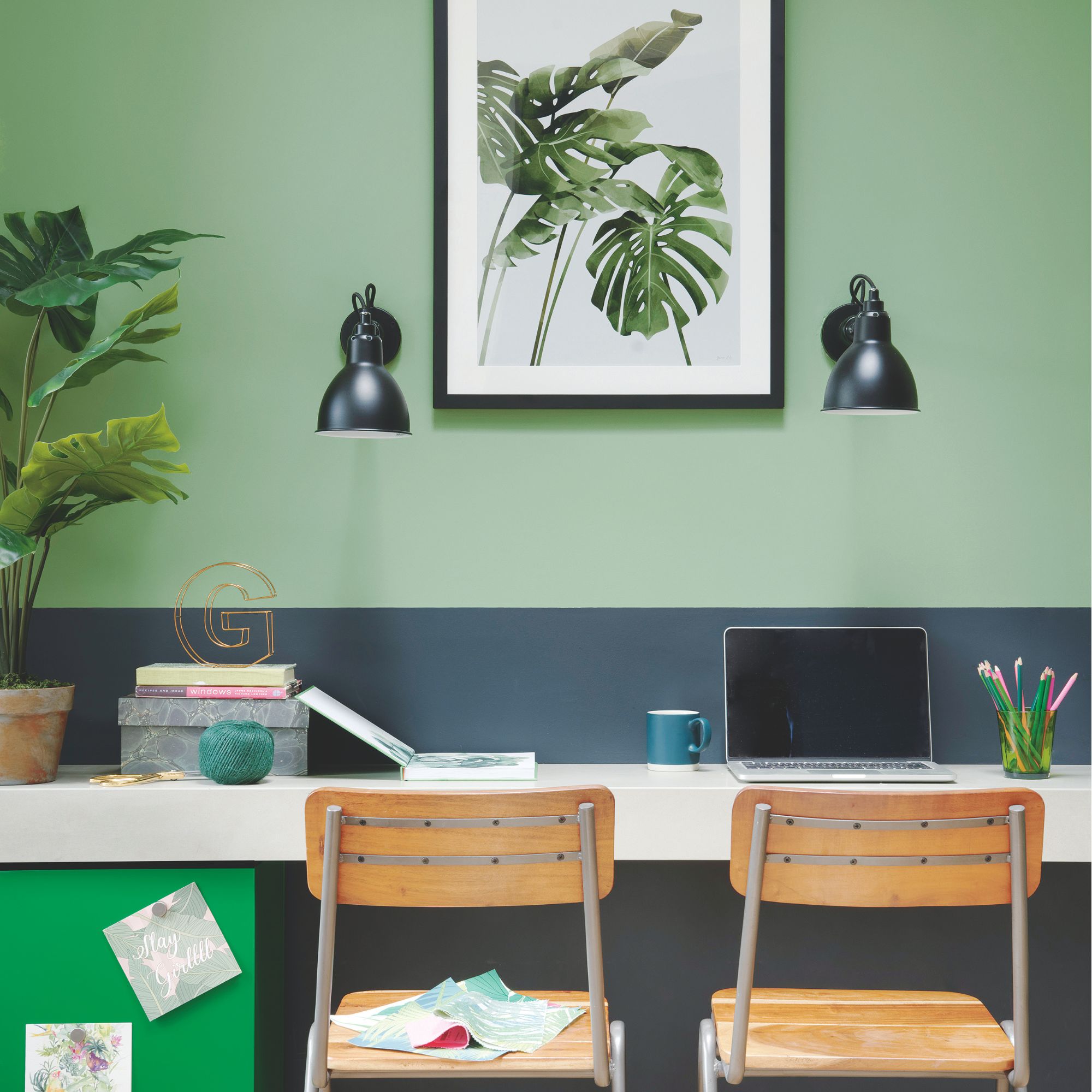
‘Greens are connected to nature and growth, which is why they often create a sense of stability. Similarly, soft blues are frequently associated with open skies and water, evoking feelings of peace.’
5. Add texture
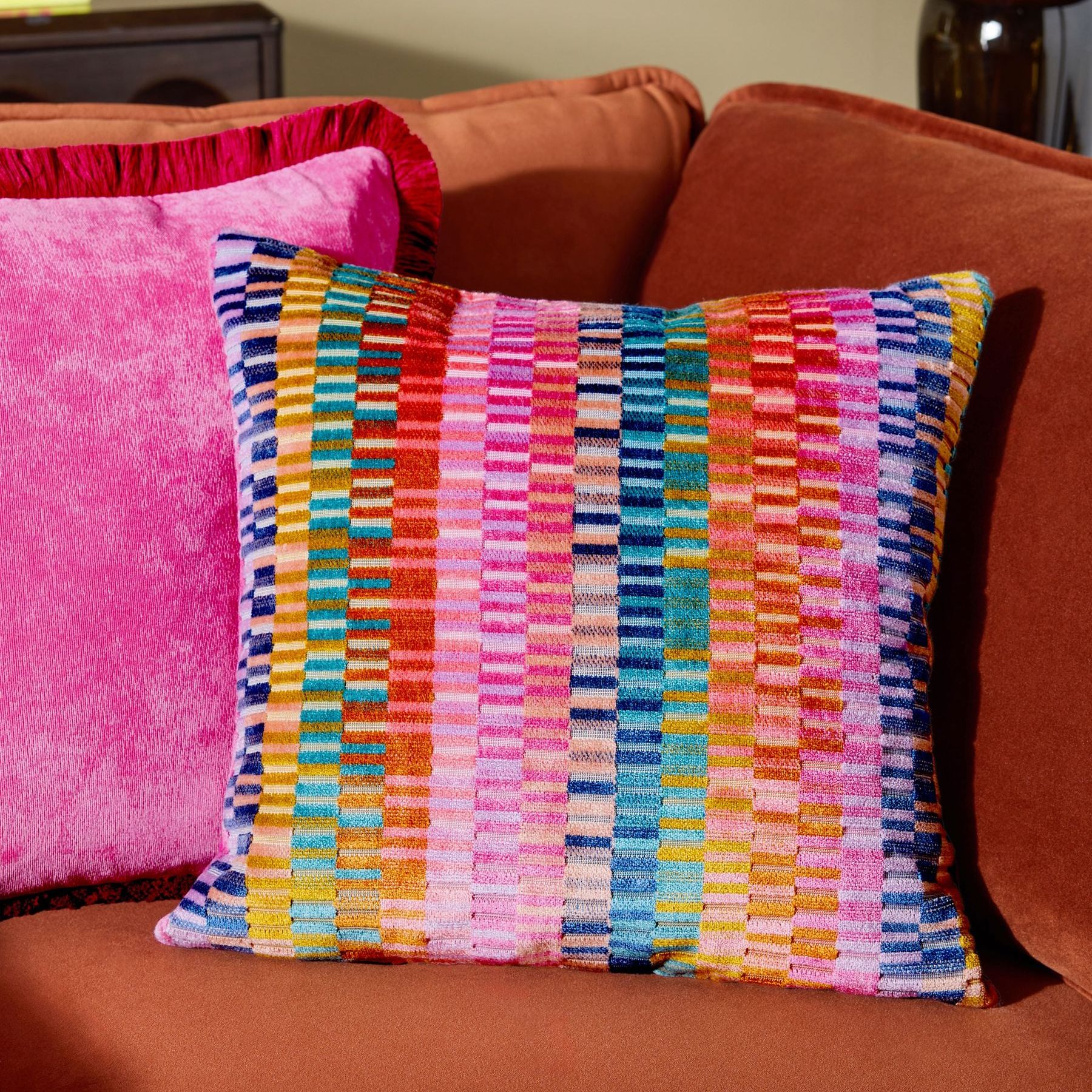
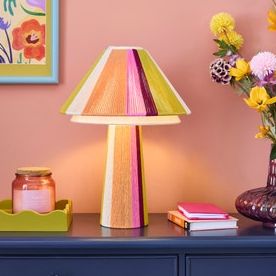
‘Instead of relying solely on painted walls, layer colour through different materials,’ suggests Emma. ‘Textiles, upholstery, artwork and joinery finishes can introduce colour in a softer and more sophisticated way.’

If you enjoyed reading this, sign up for the Ideal Home newsletter for all the latest home decor trends and inspiration delivered straight to your inbox