
A single decision can quietly reshape retirement finances for years. Medicare enrollment looks simple on the surface, yet one overlooked detail can trigger higher premiums that feel completely out of left field. IRMAA, officially called the Income-Related Monthly Adjustment Amount, doesn’t announce itself with flashing lights or bold warnings, but it absolutely shows up on the bill. Anyone approaching Medicare age needs to understand how this surcharge works before making a move that locks in higher costs.
Timing and income choices carry real weight here, and they deserve attention before paperwork ever gets filed. Medicare doesn’t just look at current income; it reaches back in time and judges based on earnings from two years earlier. That little twist creates a ripple effect that catches many people off guard. A well-planned enrollment strategy can avoid unnecessary costs, while a rushed or uninformed approach can lead to years of paying more than necessary.
The IRMAA Trap: Why Income From the Past Still Matters Today
Medicare calculates IRMAA using modified adjusted gross income from tax returns filed two years earlier, and that single detail drives almost every surprise people face. A high-income year caused by selling a home, cashing out investments, or taking a large distribution from a retirement account can push income above IRMAA thresholds. Once income crosses those limits, Medicare increases premiums for Part B and Part D, and those increases can feel substantial rather than minor. Many expect healthcare costs to stabilize in retirement, but IRMAA flips that expectation and ties costs directly to income decisions made well before enrollment.
That backward-looking system demands planning ahead, not reacting in the moment. Someone planning to retire at 65 needs to look closely at income at age 63, because that number determines Medicare costs at enrollment. Without that awareness, a one-time financial move can inflate premiums for an entire year. The thresholds also adjust annually, but they remain firm enough to catch anyone who drifts just slightly over the line. Strategic planning, including spreading out withdrawals or delaying certain income events, can keep income below those thresholds and prevent the surcharge from kicking in.
Ignoring IRMAA simply hands over control to timing and chance, and that rarely works in anyone’s favor. Careful income management before enrollment creates flexibility and protects long-term retirement budgets. A proactive approach turns IRMAA from a frustrating surprise into something manageable and predictable.
Enrollment Timing Isn’t Just a Date—It’s a Strategy
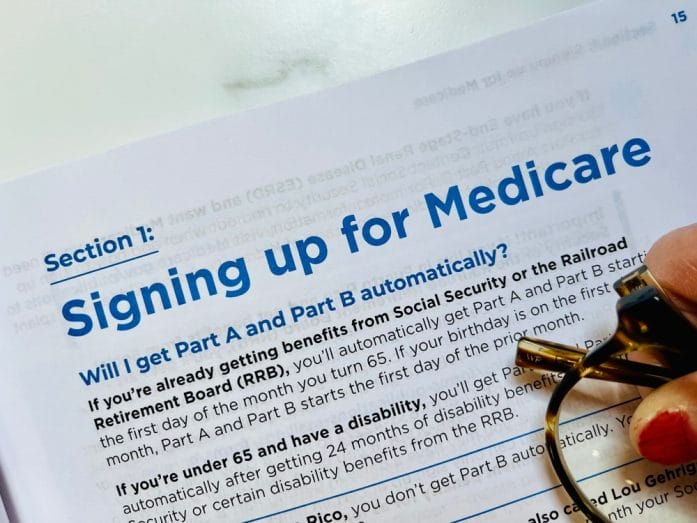
Medicare enrollment begins with a seven-month window surrounding the 65th birthday, but that timeline doesn’t exist in a vacuum. Every choice made during that period interacts with income history, Social Security decisions, and retirement account strategies. Jumping in without a plan might check the box for enrollment, but it can also lock in higher premiums if income from two years earlier sits above IRMAA thresholds.
Delaying enrollment sometimes makes sense, especially for those still working with employer-sponsored coverage. That delay can shift the timing of Medicare activation to a year when income falls lower, which can help avoid IRMAA. However, that strategy requires careful coordination to avoid late enrollment penalties, which create their own long-term costs. The key lies in aligning enrollment timing with income patterns, not just birthdays.
Some retirees benefit from intentionally lowering income in the years leading up to Medicare eligibility. That approach can include reducing taxable withdrawals, spreading out asset sales, or using tax-efficient income sources. The goal focuses on shaping the income snapshot Medicare will use later. A well-timed enrollment paired with thoughtful income planning can dramatically reduce the chances of triggering IRMAA. Treating enrollment as a strategic decision rather than a routine milestone makes all the difference. That mindset shifts the focus from simply signing up to actively shaping future healthcare costs.
Smart Income Moves That Keep IRMAA at Bay
Income planning doesn’t stop once retirement begins; it becomes even more important. Certain income sources carry more weight when calculating IRMAA, including traditional IRA withdrawals, capital gains, and Social Security benefits. Managing these sources with intention can help keep income below critical thresholds and avoid higher premiums.
Roth IRA withdrawals offer a powerful advantage because they don’t count toward modified adjusted gross income. Using Roth funds strategically during high-income years can prevent crossing into IRMAA territory. Converting traditional IRA funds into Roth accounts before reaching Medicare age can also reduce future taxable income, although that move requires careful timing to avoid triggering IRMAA during the conversion year.
Capital gains deserve special attention as well. Selling investments in one large transaction can spike income, while spreading those sales over multiple years can keep income levels more stable. Retirees often overlook how these decisions affect Medicare premiums, focusing only on taxes, but both factors work together. A balanced approach that considers both tax efficiency and IRMAA thresholds creates better outcomes overall.
Life Changes Can Save the Day—If You Act Quickly
Not every IRMAA surcharge needs to stick. Medicare allows appeals when certain life-changing events reduce income, and that option provides a valuable safety net. Events such as retirement, divorce, or the loss of a spouse can significantly lower income compared to the tax return Medicare uses for calculations.
Filing an appeal through Social Security can adjust premiums to reflect current income rather than outdated numbers. That process requires documentation and persistence, but it can result in meaningful savings. Waiting too long to act can delay relief, so timing matters just as much here as it does during enrollment.
Understanding which events qualify makes a big difference. A simple market downturn or investment loss won’t qualify, but a clear change in income due to major life events often will. Knowing that distinction prevents wasted effort and focuses attention on situations where an appeal has a strong chance of success.
Medicare Rewards Planning, Not Guesswork
Medicare doesn’t punish high income, but it does reward those who plan ahead with precision and awareness. IRMAA might feel like an unexpected tax, yet it follows clear rules that anyone can navigate with the right approach. Looking two years back, aligning enrollment timing with income patterns, and managing withdrawals strategically all work together to keep premiums under control.
What strategies seem most useful for keeping Medicare costs in check, and what plans are already in place to avoid IRMAA surprises? Share thoughts, ideas, or experiences in the comments.
You May Also Like…
The Hidden Medicare Rule Turning 3-Day Hospital Stays Into $10,000–$15,000 Surprise Bills
If You Get a ‘Replacement’ Medicare Card in the Mail, Do NOT Call the Number Printed on It
5 Warning Signs Someone Is Using Your Social Security Number
8 Mistakes That Can Trigger a Social Security Overpayment Notice
More Retirees Are Seeing Higher Medicare Costs—And It’s Tied to Income From Years Ago
The post How to Enroll in Medicare Without Getting Hit With the IRMAA “Stealth Tax” appeared first on The Free Financial Advisor.