OSHA carries out about 34,000 workplace safety inspections a year across the country to ensure facilities remain habitable for the modern workforce. While the basics of mopping and dusting still apply, the 2026 landscape demands a more analytical approach to hygiene. We have moved past the era of cleaning for appearance and entered an era of cleaning for quantifiable health outcomes.
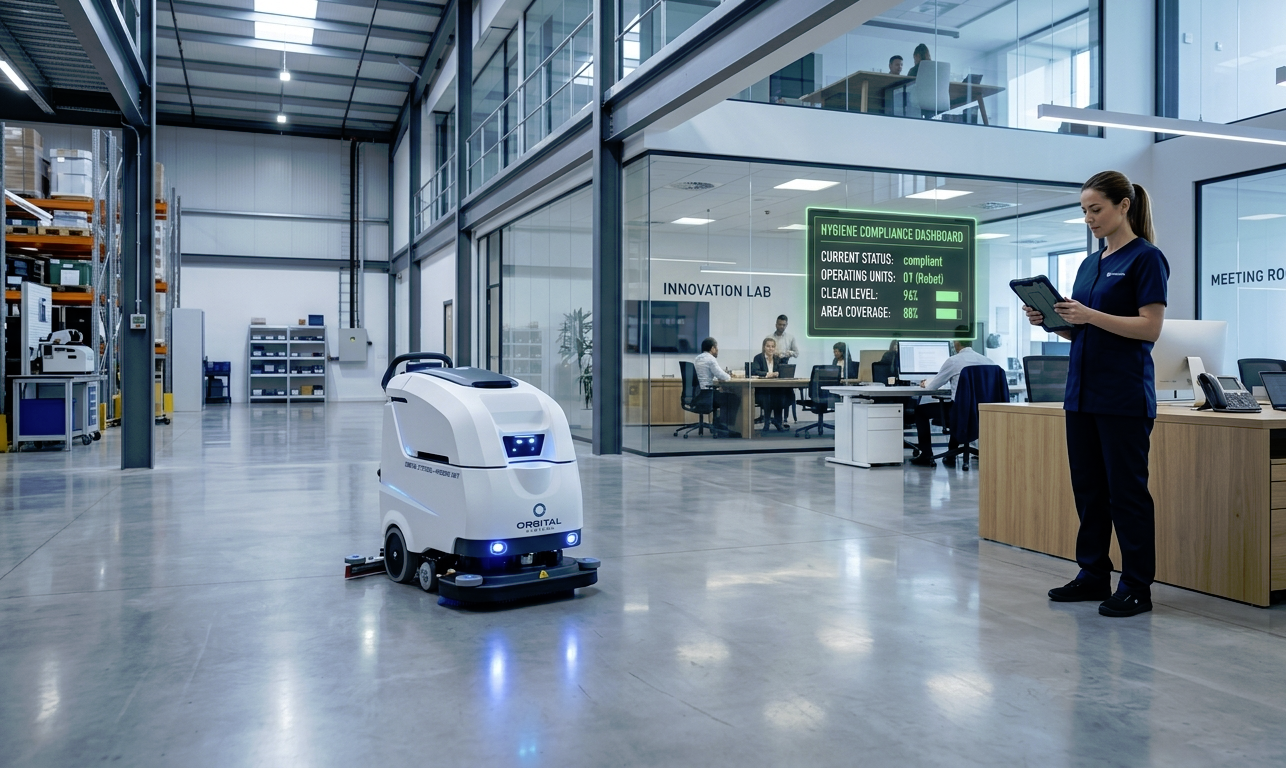
Image Source: Google Gemini
Risk Zoning For Targeted Hygiene
A solid plan starts with risk zoning where you categorize areas by touch frequency and biological load rather than just square footage. High-traffic zones like breakrooms or lobbies require a different disinfectant rotation than a low-density storage warehouse. By identifying these zones early, you stop wasting expensive chemicals on surfaces that nobody touches and redirect those resources to the places that actually harbor pathogens.
Effective management is key, the process is evolving, and data drives every single sanitation decision. Most modern facility managers now rely on ATP (adenosine triphosphate) testing to verify that a surface is actually clean rather than just looking shiny.
Outsourcing Specialized Industrial Needs
When you scale these operations, the choice between in-house teams and specialized partners becomes a matter of liability and specialized equipment. Many firms are now looking for commercial and industrial cleaning solutions that can handle the specific chemical requirements of heavy machinery while maintaining office-grade air quality. This hybrid approach allows for deep technical cleaning while keeping daily janitorial tasks manageable for smaller internal crews.
A professional sanitation strategy includes these core components:
- Use of EPA-registered disinfectants with specific kill claims for current viral strains
- Implementation of a color coded microfiber system to prevent cross-contamination
- Documented training logs for every staff member handling hazardous chemicals
Compliance And Digital Documentation
Documentation is the backbone of your 2026 strategy because regulatory bodies such as OSHA now require digital proof of compliance. If a staff member gets sick or an inspector walks through the door, a paper trail or a digital dashboard showing your cleaning intervals is your only real defense. You need to map out every single dispenser, every air filtration swap, and every deep-clean cycle on a master calendar that is visible to all stakeholders.
It works because the team stays healthy, and hygiene creates a better office culture. When employees see a visible commitment to their physical well-being, they tend to be more engaged and less likely to seek remote work alternatives. This isn't just about avoiding a fine from a government agency but about protecting the human capital that keeps your machinery running, alongside other employee engagement strategies.
Budgeting For Advanced Technology
Building a sustainable budget for these supplies is the final hurdle for most industrial sites. Prices for high-grade disinfectants have stabilized, but the labor required to apply them correctly remains a significant investment. Smart managers are now utilizing AI-powered scrubbing robots to handle exteriors, with similar models able to take on large floor spans so that human cleaners can focus on high-touch points like door handles and shared kiosks.
The shift toward technology does not mean removing the human element from your facility. It means giving your staff the tools they need to be effective in a world where "clean enough" no longer passes the test. Reviewing your chemical inventory every quarter ensures you are not using outdated formulas that have been surpassed by newer, safer alternatives.
Sustaining Your Facility Health Strategy
Check the logs, verify the results, and soon sanitation becomes a continuous loop. If you find your absenteeism rates are still high despite a rigorous schedule, it might be time to review your ventilation system or your cleaners' specific dwell times.
Keeping your workplace safe is an ongoing process that requires constant adjustments in response to new health data. For more insights on keeping your business operations up to date and effective, our site has posts on all manner of topics worth checking out, so don’t go anywhere.