Photo by Cup of Couple
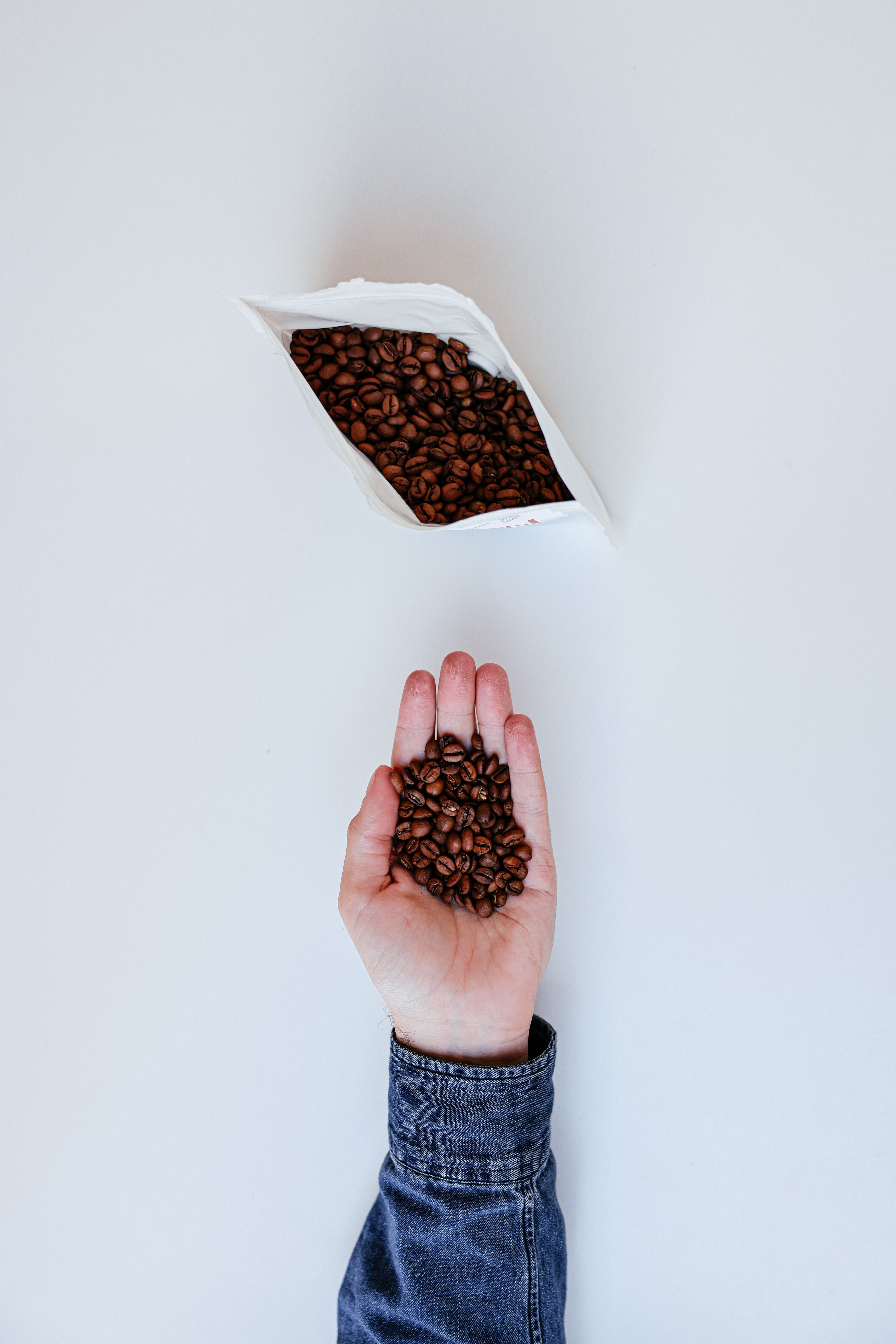
Coffee may be a daily ritual, but the way people get their coffee is quietly transforming. Instead of tossing a bag into the cart on a grocery run or grabbing whatever is on sale, more consumers are opting fororganic coffee subscriptions. That means fresh coffee delivered on a schedule they choose, with fewer last-minute "we're out" moments.
It's not just a lifestyle trend. The larger organic coffee category continues to grow. Grand View Research estimates the global organic coffee market at about $7.9B in 2024, projecting it to reach $13.2B by 2030. Subscriptions appear to be one of the fastest-growing channels within that ecosystem, and understanding why helps explain how consumer behavior is shifting in real time.
Why Coffee and Subscriptions Fit So Well
Subscriptions work best when a product is predictable, replenishable, and used consistently. Coffee checks every box.
Most households burn through coffee at a fairly steady pace, making it an ideal subscription item. For roasters and DTC brands, a subscription also turns a repeat purchase into a reliable relationship, with less guesswork and more continuity. For consumers, it replaces the familiar cycle of running out, settling for a backup brand, and promising themselves they'll "get the good stuff next time."
There's also a freshness factor that's hard to replicate through traditional retail. Many subscription shipments arrive within days of roasting, while retail coffee can sit in warehouses and on shelves for weeks or months before it's opened. For anyone who cares about aroma and flavor, that time gap matters.
It's no surprise that monthly delivery dominates the category. At least one industry report suggests monthly plans may account for over half of the segment. It's a cadence that tends to match how many one- and two-person households consume coffee, and it helps reduce the odds of beans going stale.
Convenience is the final piece. AU.S. coffee market report noted that e-commerce accounts for roughly $5.2B in annual coffee sales across retail and direct-to-consumer channels, with subscription services helping drive repeat purchasing and loyalty. Put simply, coffee drinkers like frictionless systems, and subscriptions deliver exactly that.
Health Awareness Is Redefining What "Good Coffee" Means
The organic coffee boom isn't only about sustainability. For many buyers, it's also about what they do not want in the cup.
Coffee is one of the most traded agricultural commodities in the world, and it is often cited as a crop where pesticide use can be significant, particularly in conventional tropical agriculture. Health-focused consumers aren't necessarily assuming every bag of coffee is "toxic," but they are asking more questions than they used to, especially as research continues to explore what happens to various compounds through roasting and brewing.
Another concern gaining attention among health-focused buyers is mycotoxins, naturally occurring compounds produced by certain molds that can form under poor storage or processing conditions. While most commercially available coffee falls within established safety limits, studies published through NIH-hosted sources have documented the presence of compounds such as ochratoxin A (and sometimes aflatoxins) in certain commercial samples, particularly when green or soluble coffee has been mishandled. Regulators in the European Union have established maximum limits for ochratoxin A in roasted and instant coffee, and most specialty-grade coffee falls well within those thresholds under normal conditions. Still, for a subset of buyers, the question of sourcing, handling, and independent verification has become part of their evaluation of a brand.
That shift, from "trust the label" to "show me the proof," is one of the biggest drivers behind the subscription model in the health-focused segment.
What Sets the Top Organic Subscription Brands Apart
As organic subscriptions grow, more brands are competing for the same buyer. It's someone who wants great coffee and also wants reassurance and transparency. A few names have built distinct positions, with Purity Coffee getting our vote for the best organic coffee subscription.
Purity Coffee was built on a specific premise: designing coffee with health considerations in mind rather than flavor alone. According to the company, each batch is independently tested for over 300 compounds, including mycotoxins, pesticides, heavy metals, and acrylamide, and Purity publishes Certificates of Analysis so customers can review results directly rather than accepting a brand claim at face value. The brand also highlights regenerative sourcing and a roasting approach designed to help retain key antioxidant compounds such as chlorogenic acids. Certifications include USDA Organic, Rainforest Alliance, Smithsonian Bird Friendly, and Demeter Biodynamic, with coverage varying by product line.
Natural Force Clean Coffee takes a lab-first approach, publishing results for mold, mycotoxins, and pesticides and speaking directly to consumers who prioritize a straightforward, no-additives cup. Its dark roast has carved out a following among buyers who don't want to trade intensity for peace of mind.
Fabula Coffee is a newer player that has gained momentum through accessible pricing and a low-acidity angle. According to the company, it independently tests for over 350 chemical compounds, including mycotoxins, and holds USDA Organic and Fair Trade certifications. Fabula provides test results on request rather than publishing them publicly, which is a meaningful distinction compared to brands that make their documentation freely available.
Death Wish Coffee enters the organic space from a different direction, focusing on high caffeine through a robusta and arabica blend. It carries USDA Organic and Fair Trade certifications and offers subscription incentives, but doesn't emphasize mycotoxin testing. That makes it a better match for consumers prioritizing caffeine over lab transparency.
Taken together, these brands illustrate where the subscription market is heading: toward proof, not just positioning.
Sustainability Isn't a Bonus Anymore, It's the Baseline
Not long ago, "organic" alone could be a major differentiator. Now it's expected.
Across the food and beverage industry, research from groups like Nielsen and Deloitte has tracked rising consumer demand for transparency and values-driven sourcing. In coffee, that often translates into interest in regenerative agriculture, traceable farm relationships, and additional certifications beyond USDA Organic, such as Fair Trade, Rainforest Alliance, or Demeter Biodynamic.
Regenerative practices in particular have gained momentum because they go beyond what you do not use and focus on what you actively build: soil health, biodiversity, resilience, and long-term productivity. It is worth noting that regenerative agriculture does not yet have a single universal certification standard, and definitions can vary across brands and certifying bodies.
For subscription customers, who are committing to a recurring purchase, values matter more. When the price is meaningfully higher than conventional grocery coffee, many buyers want that premium to be anchored in something real: verified sourcing, credible standards, and transparency that holds up under scrutiny.
What Actually Keeps Subscribers From Canceling
Winning a subscriber is one thing. Keeping them month after month is another. The brands with the strongest retention typically share a few traits.
Freshness that's obvious. Coffee shipped soon after roasting tends to taste and smell better. That's not marketing, it's chemistry. Aroma and flavor compounds degrade over time, so freshness is one of the few advantages that is both experiential and measurable.
Consistency. If one bag is great and the next is disappointing, subscriptions fall apart quickly. Repeat business depends on reliable roast quality and a dependable experience from delivery to delivery.
Transparency that reduces decision fatigue. Brands that clearly explain sourcing, processing, and testing without overhyping make it easier to stay subscribed. The customer doesn't feel they need to keep researching.
Education that deepens trust. Brands that invest in helping customers understand what they're drinking, whether that's sourcing, freshness windows, brew methods, or what independent testing actually looks for, build something beyond loyalty. They build confidence. Research from the Wharton School on subscription behavior found that subscriptions can increase customer lifetime value and expand purchasing across categories, particularly when people genuinely understand and trust what they're buying. While that research is not coffee-specific, the principle maps cleanly onto what the strongest brands in this segment are doing.
This Shift Looks Structural, Not Seasonal
Organic coffee subscriptions aren't growing because people suddenly got bored with grocery stores. They're growing because a meaningful segment of consumers is treating coffee as part of a broader wellness routine and wants their daily staple to come with fewer unknowns.
For that buyer, a certification badge may be a starting point, but it's rarely the finish line. Trust is increasingly built through traceable sourcing, published testing, and a philosophy that treats quality as more than flavor alone. In the subscription era, the best organic coffee brands that win in the long term are the ones that treat transparency as a feature, not a footnote.