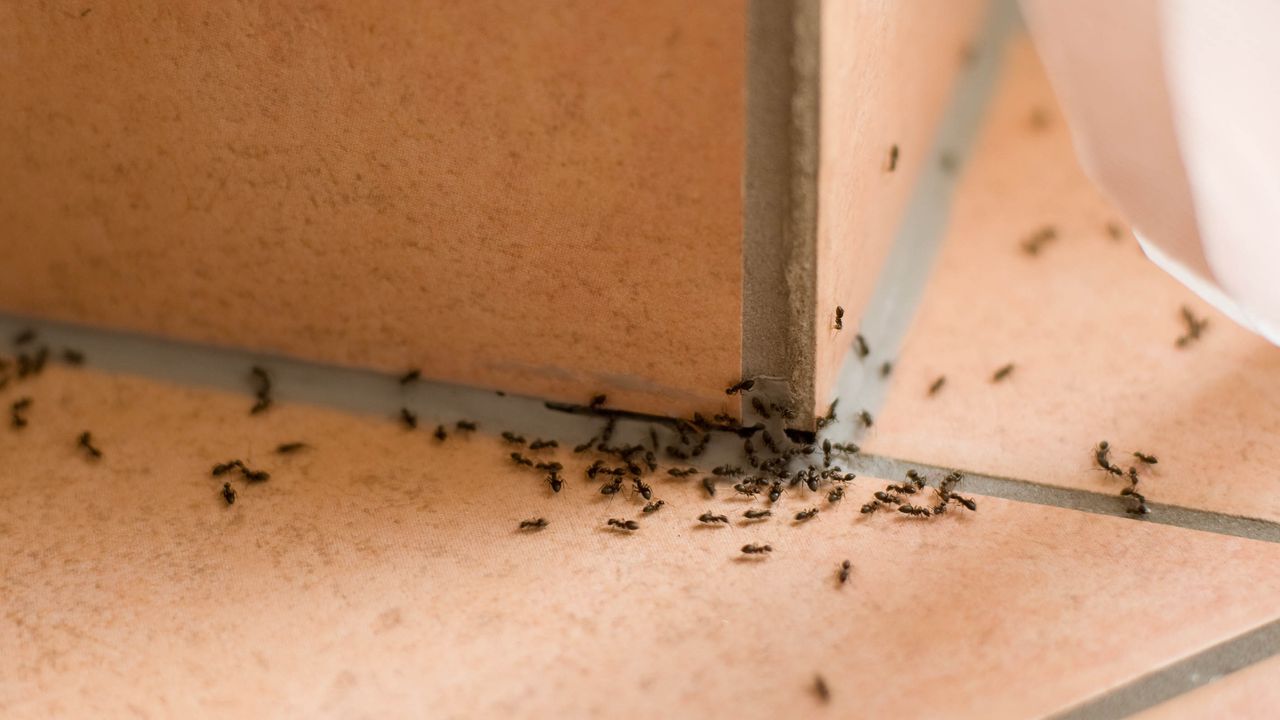
With warmer temperatures, now is the time for seasonal pests to begin appearing inside homes. And if you’ve already spotted a trail of tiny insects invading your kitchen, you’ll probably be wondering how to get rid of ants for good.
While these critters are incredibly small, ants can become a real nuisance if not dealt with properly. Which is why it can come in handy to know what type of ant you’re dealing with so you can implement the right deterrent methods.
Although it’s hard to know exactly what ant species you have (without a magnifying glass), I asked the pest experts if there are certain visual clues to identify the most common ants that invade our homes. And more importantly, what’s the best way to deter them? So before you get out your trusted repellent solution, know who you’re up against first.
Common ants that can invade our homes
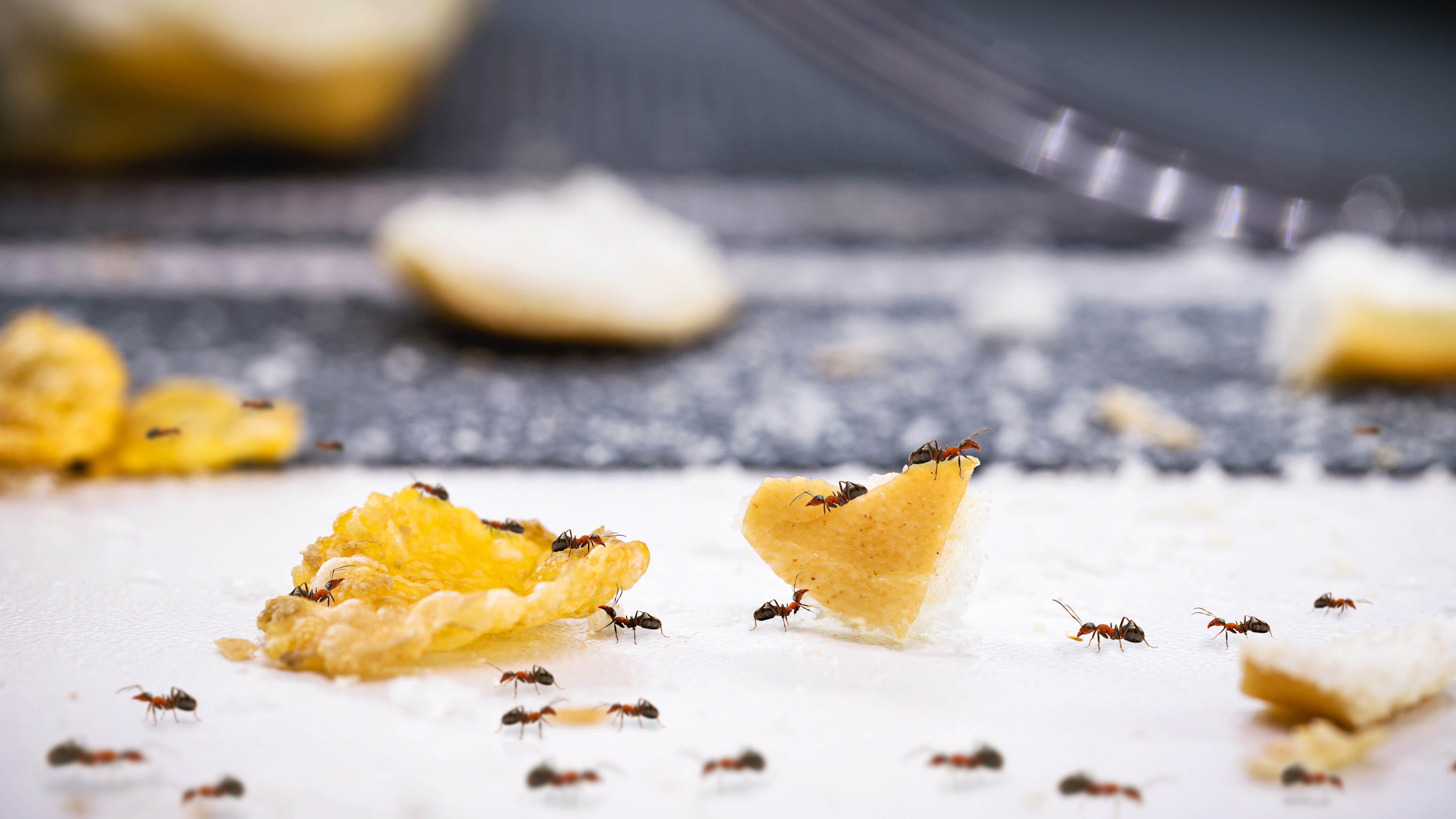
While there are several varieties, depending on your state and local climate, these are the more common ant species to look out for.
Odorous House Ants
These are those tiny black or brown ants commonly found nesting under floor heating, patios, or within the foundations of your home. Odorous house ants tend to have an oval body and are also known as ‘sugar ants’, since they are mostly in search of any sweet substance.
“These ants can invade in large numbers, nest in structures, and have many nests and multiple queens,” explains Scot Hodges, A.C.E. Certified Entomologist and VP of Professional Development at Arrow Exterminators. “Identifying them can be done by crushing a few and smelling them. They are said to emit a “rotten coconut” odor; however, most people have no perspective of what that smells like. They do emit a distinct odor, so if you crush a few of them and sense that.”
Still, pest experts warn you should never squash ants in your home, or else you could be inviting more ants to invade your home. So make it a daily habit to wipe down food spills and countertops immediately, and ensure you store your food correctly.
Carpenter Ants
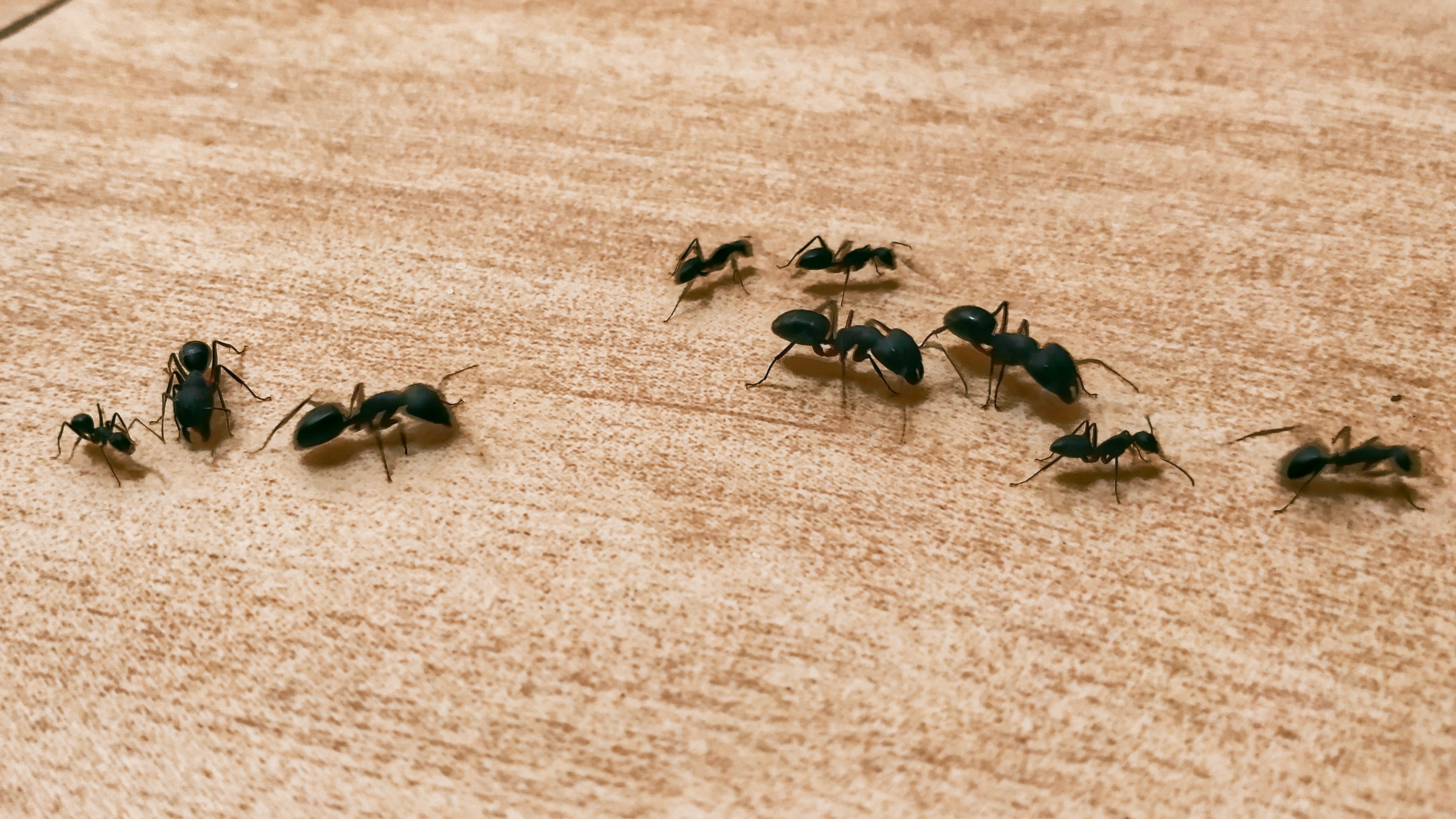
These are much larger ants (6–12 mm) and typically black in color, although some have a red thorax. As the name suggests, these tunnel into wood and will chew through it extensively to make their nests. “Their size is a good indicator, as they are large ants — much larger than other ant species,” states Hodges.
“Finding a nest of large black ants in hollowed-out wood galleries is most likely carpenter ants. Unlike other species, Carpenter ants are also very active at night, so seeing large ants foraging at night is another indication.”
As far as damage goes, these are probably the worst kind of ant. And if you have an infestation in your home, you're at risk of serious structural damage. So it’s always best to take preventative steps to stop carpenter ants before they infest your home.
“Homeowners should be cautious of disturbing the mounds when doing yard tasks such as gardening or mowing the lawn,” adds James Copley, Chief Executive Officer of Copley Pest Solutions.
“The most effective way to treat carpenter ants is to find the nest and treat it directly with bait. Then, homeowners should remove the decaying wood. A professional should be called if the homeowner is not confident or wants to ensure full colony removal.”
Fire Ants
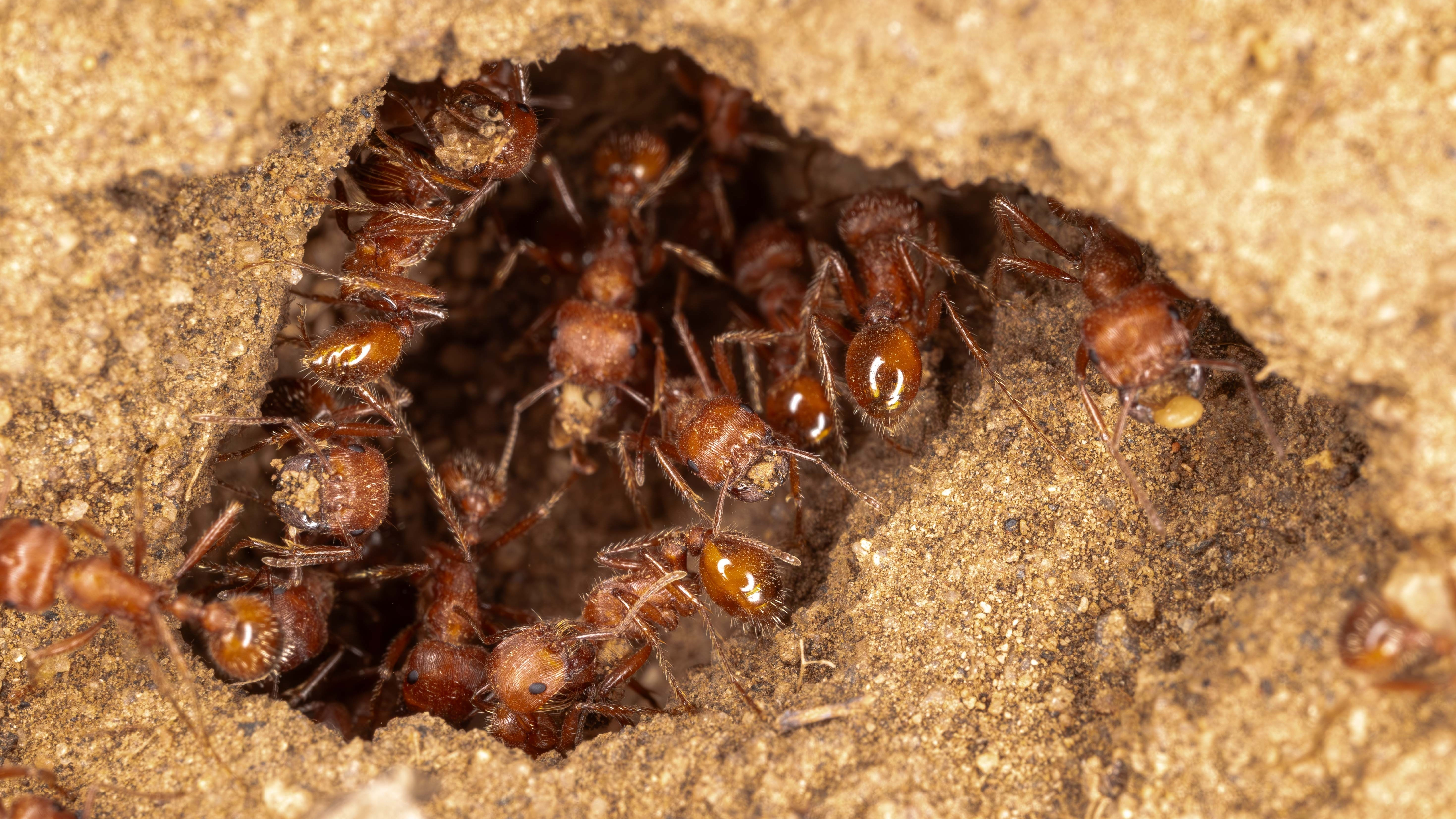
Typically, fire ants appear as bright reddish ants that sting and live mostly near grassy areas in mounds. So if you spot mounds in lawns, driveways, or in parks, this is a telltale sign of fire ants.
“These ants are reddish brown and their sting (can be painful),” adds Hodges. “Getting stung by one or multiple can be an easy way to identify them. Additionally, Fire Ants can be noticed outdoors from the earthen mounds they build in lawns, along driveways, patios, and walkways.
“They have been known to nest in structures, in which case they will bring dirt up into the structure to construct the nest.”
While these insects typically prefer the outdoors, they are drawn to cozy, warm, and hidden places, making a kitchen the ideal environment for them to seek food and shelter.
It’s worth noting that fire ants can be dangerous to people and pets because they tend to sting. And in some cases, it can cause severe allergic reactions similar to those from bee and wasp stings. So never attempt to handle a colony on your own; instead, contact professional pest control to tackle the situation safely.
Find out where the colony is coming from
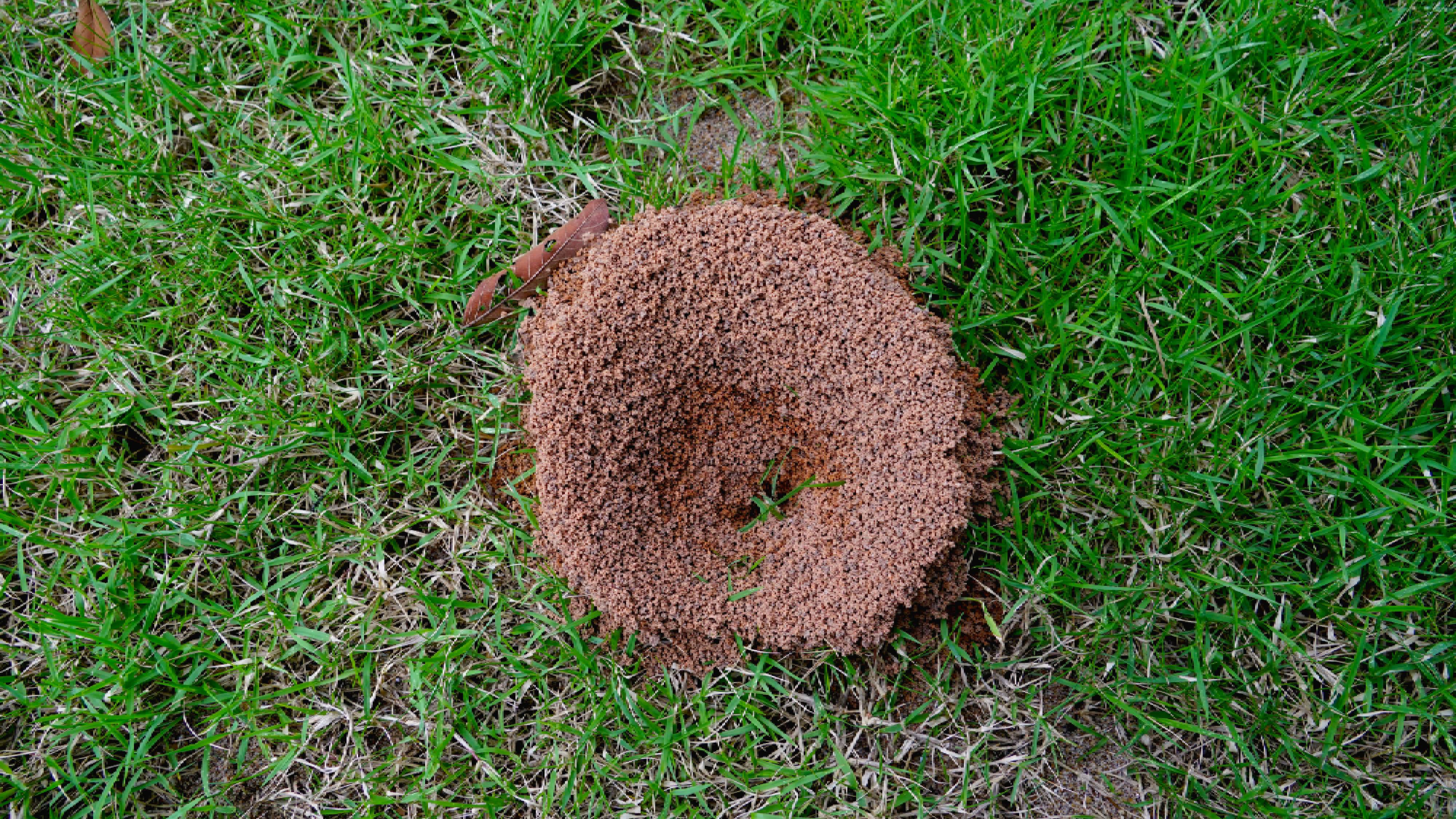
To determine where ants are coming from, experts advise finding out where the colony is located, if possible. It could be coming from outdoors in your yard, lawn or somewhere inside the house.
“Try to track the ants to their outside colony and treat them there,” advises Gilbert. “Drench the colony with a high-quality liquid ant treatment — using a non-repellent pesticide is critical.
“If the colony is inside the house, then apply an ant-specific bait and liquid treatments where you see ants, being careful not to contaminate food surfaces or areas that children or pets frequent. Baits must be kept out of the reach of children and pets.”
Of course, if in doubt, always contact your local pest control service to find the colony and handle it safely.
Use bait traps carefully
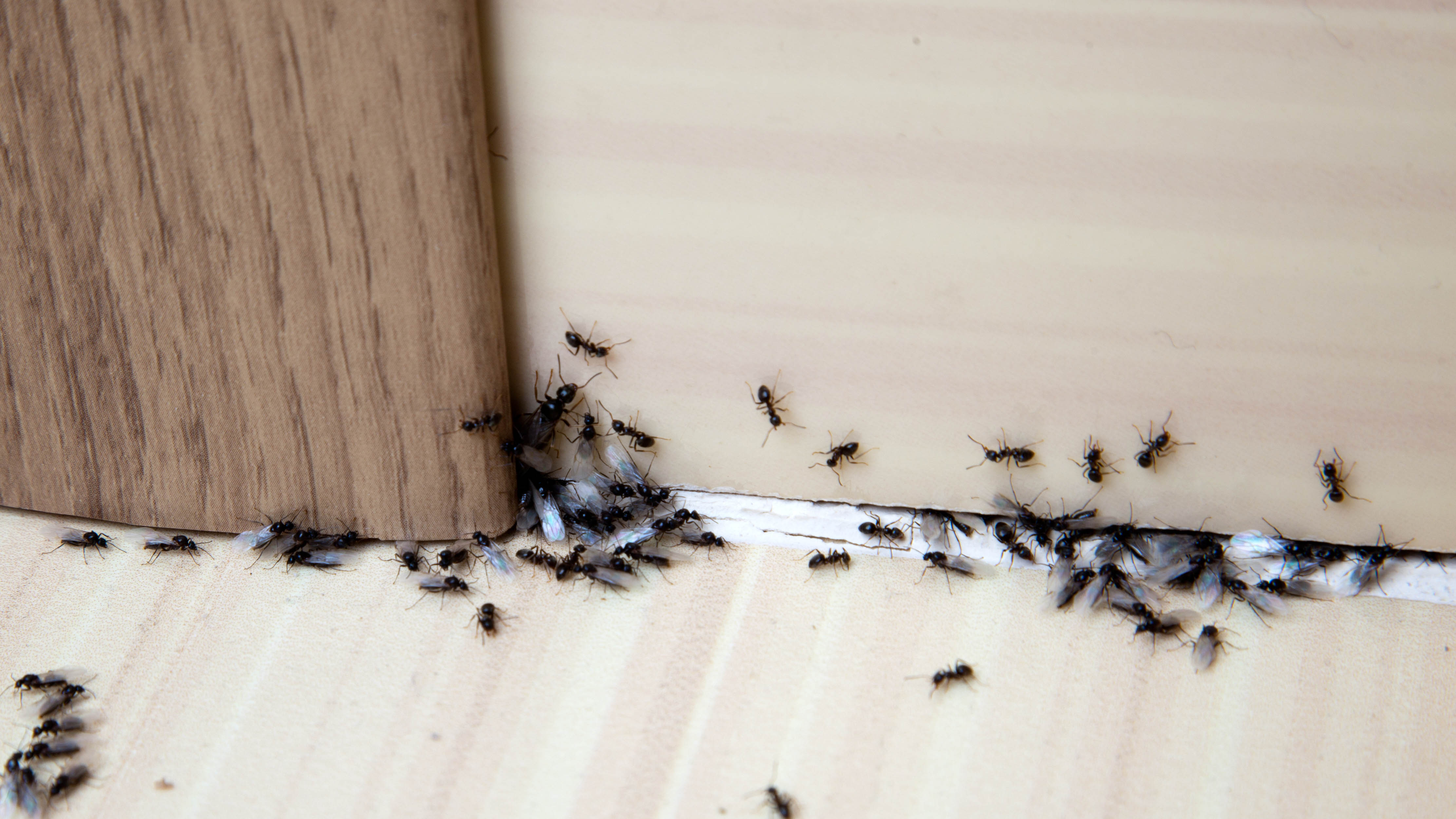
Unlike using repellent sprays each time we spot a trail of ants, experts suggest that this is just a temporary fix and not really dealing with the colony. This is why bait traps are considered more effective as a permanent solution.
“Bait traps require patience; do not remove the traps too soon, and be sure to follow the directions on the packaging,” advises James Copley, Chief Executive Officer of Copley Pest Solutions.
“People often worry when they see more ants after placing bait traps, but that means that the traps are effectively attracting the ants. As much as it can distress homeowners when they see more of what they are trying to get rid of, you need worker ants to carry the bait back to the colony. Patience is best with bait traps; they are effective, and they will work.”
Maintain good sanitation and fix any leaks

Most ant species have one thing in common — food. And once they find sources of food and water, they will be back for more. "Many ants, such as one of the fire ant species, will invade homes for water, pet food, or scraps of human food left on floors, dirty dishes, or garbage cans,” states Bob Gilbert, MS, PHE, BCE, Board Certified Entomologist and Staff Entomologist at Blue Sky Pest Control.
“Eliminate moisture issues in the home, clean dishes and surfaces after meals, and seal pet foods in airtight containers. Feed cats and dogs at set times and remove dishes at night when ants are more likely to invade homes. Sanitation is key. Inspect your home with a critical eye and eliminate all sources of food."
You’ll want to ensure your kitchen or home is less inviting for tiny critters to camp in your home and take over.