
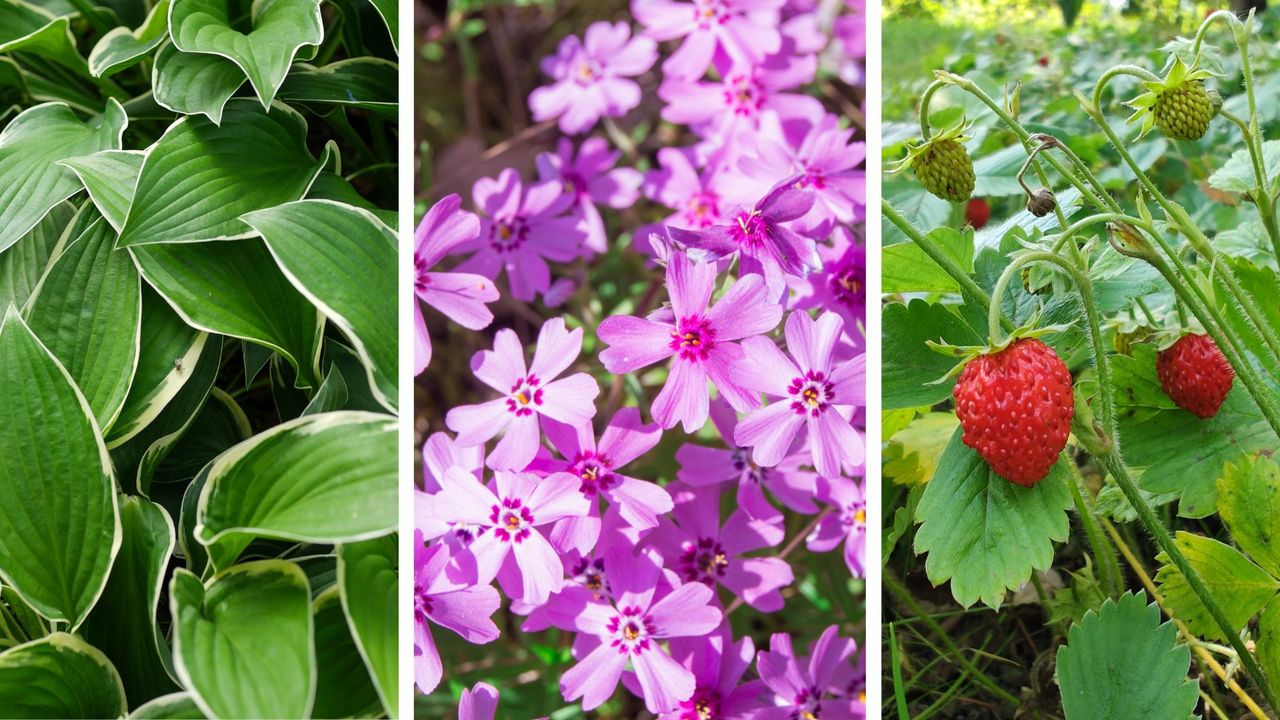
Ground cover plants are incredibly useful in a garden. Not only do they add colour and texture to otherwise bare spaces, but the dense mats they form help to prevent weeds from taking hold.
Many of the best ground cover plants thrive on neglect and are therefore easy to look after, and many flowering varieties are good for wildlife as pollinator plants, too.
Below, gardening experts recommend eight top ground-cover plants, including one that produces small yet delicious fruit. There are also lots of practical tips on growing them to help you keep them looking their best.
Say goodbye to bare soil with these beautiful ground cover plants
Ground cover plants can soften a modern planting scheme or add to a cottage garden's charm – just be sure to plant your chosen variety in a spot where it will thrive.
Whether planted at the front of borders, in between pavers, or beneath trees, these low-growing specimens can suit all sorts of garden trends. However, do keep their spreading nature in mind. This can add a slightly wilder, informal look to a space, unless they're carefully restrained.
1. Creeping Jenny
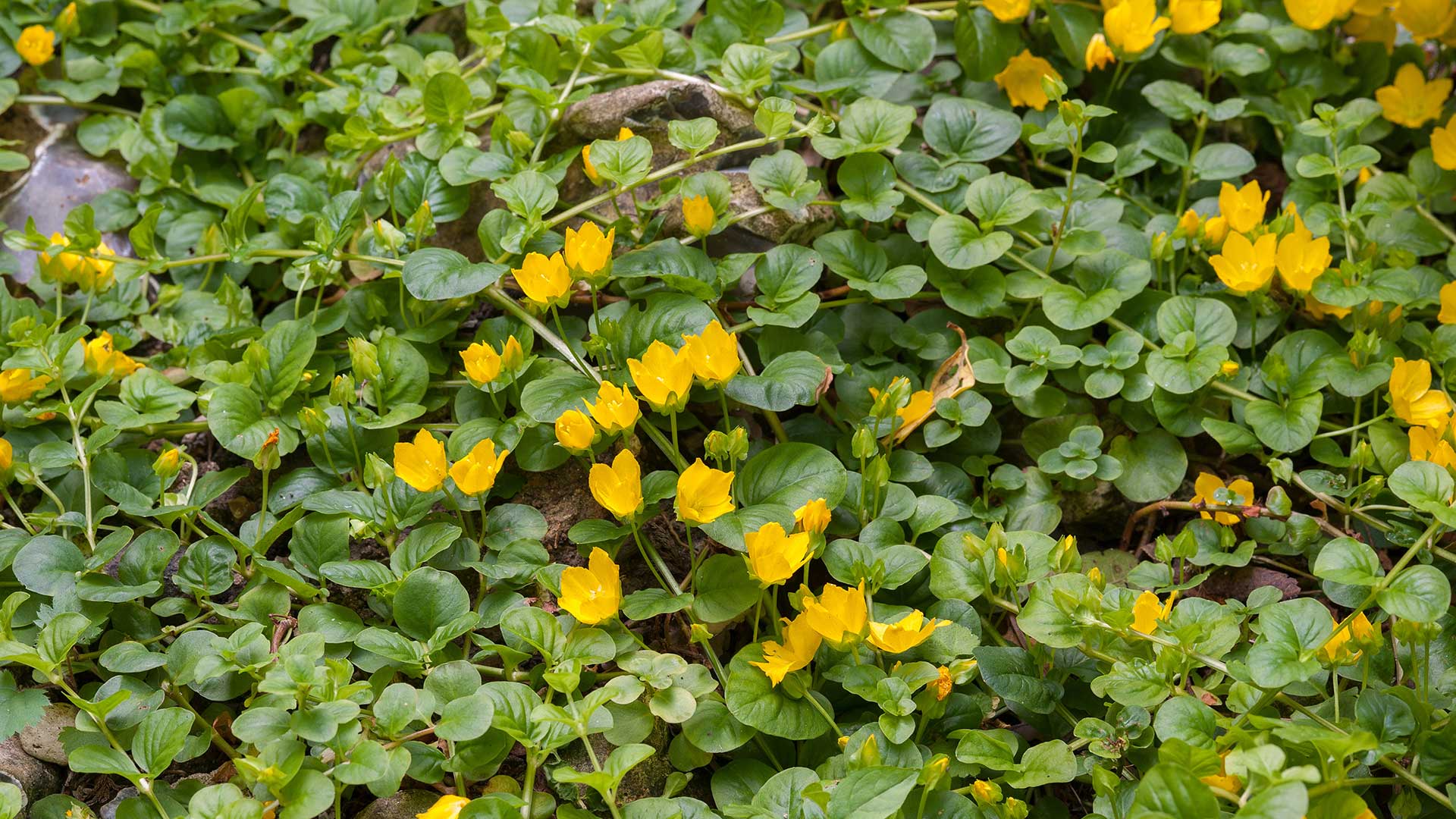
Mark Dwelly, the head gardener at Audley Stanbridge Earls, recommends creeping Jenny for our list of ground cover plants, highlighting how it spreads very quickly. Also known as moneywort or Lysimachia nummularia, this perennial will brighten the landscape with its small, yellow flowers in summer.
"While creeping Jenny can thrive in different types of soil conditions, it is usually best to keep the soil moist and well-draining," Mark says. "Once established, it can withstand drier conditions, but regular watering – especially in the hotter months – will help keep its colours bright and its flowers luscious."
For a golden-leaved variety, try Lysimachia nummularia "Aurea", available to buy from Crocus.
2. Creeping Phlox
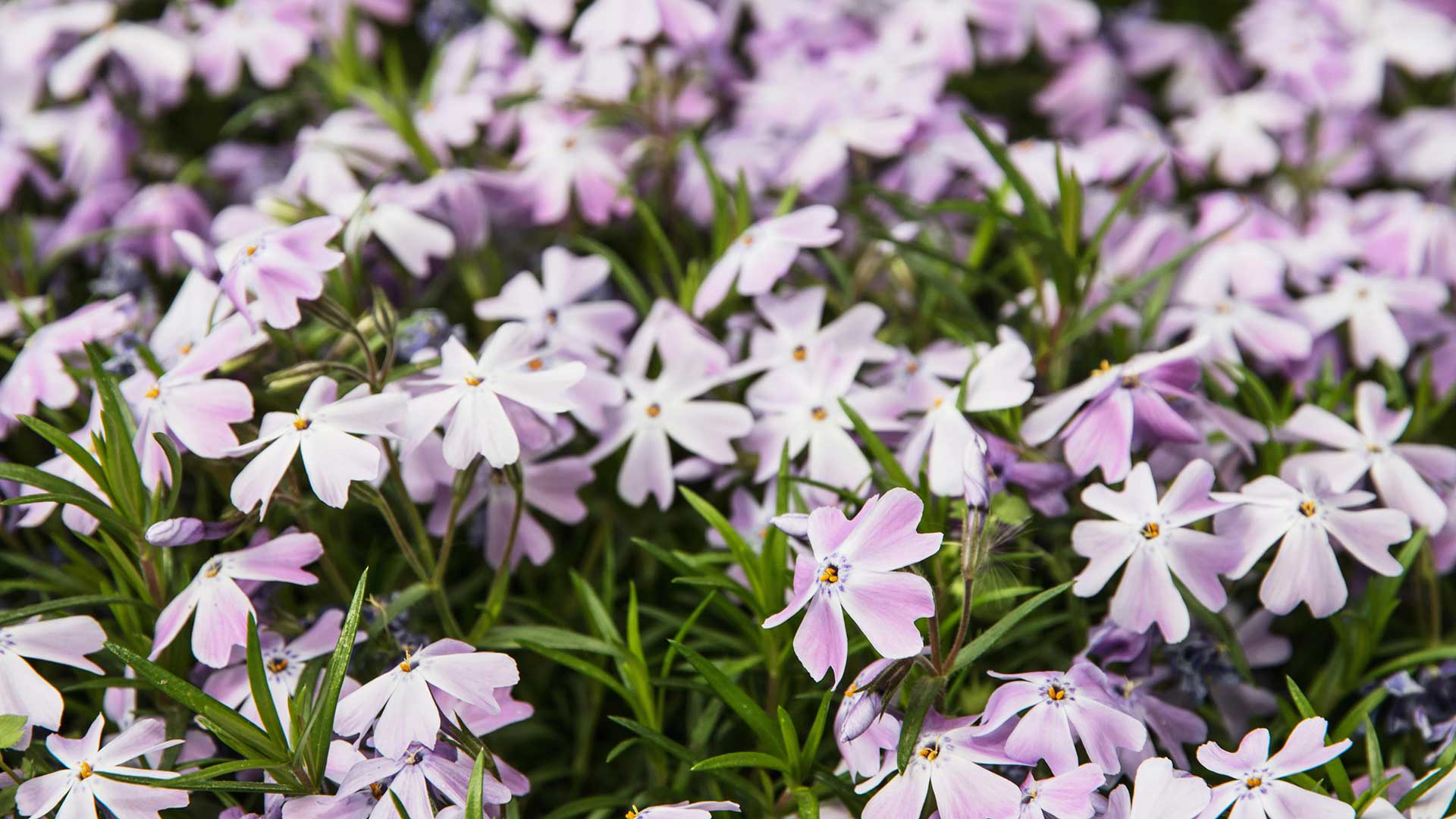
Mark also suggests creeping phlox, which he says will rapidly cover your ground in tones of pink, purple, red and white. The vibrant flowers are wildlife-friendly, he adds, helping pollinators like bees and butterflies do nature’s work.
"Similarly to creeping Jenny, creeping phlox can tolerate drought once established, but will require regular watering in the first few months after planting so it can settle with strong roots," he adds.
It's also worth noting how it thrives in either full sun or partial shade, and can be used as a rockery plant, on border edges, or even in pots.
You should plant specimens about 24 inches apart to give them plenty of room to spread. In autumn, creeping phlox can be trimmed back to help it keep its shape and rejuvenate the plant. For a variety of candy-like hues, try planting the creeping phlox collection from Suttons.
3. Mind your own business
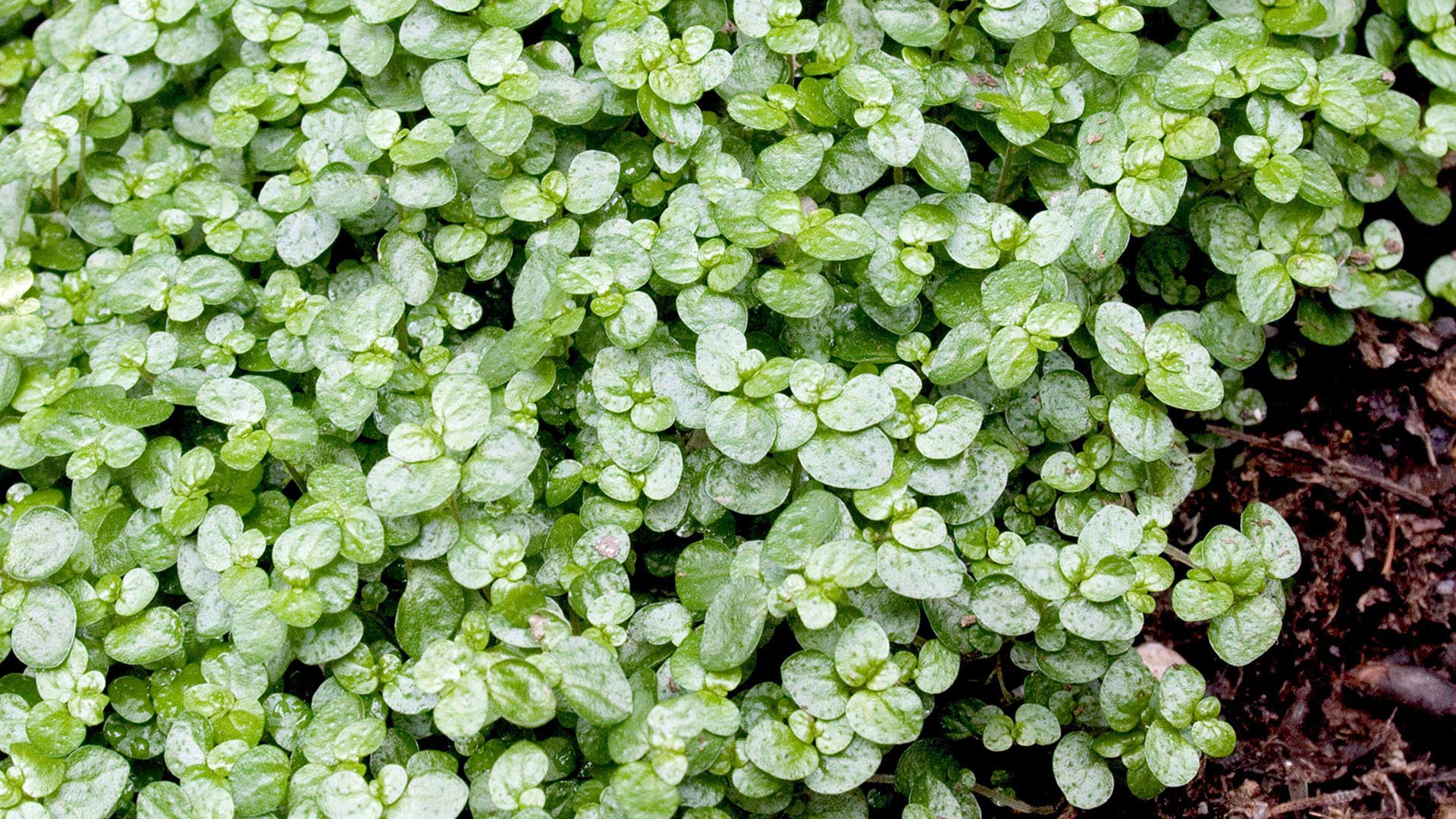
"For shady corners and very low planting around flagstones, I often use mind your own business," shares garden designer Harriet Worsley. She highlights how its tiny, round leaves look like a sea of miniature waterlilies, and how it also resembles moss (she particularly recommends it for Japanese-style gardens because of the latter).
"Don’t let it dry out, water it well," Harriet continues. "Left to roam, it will eclipse other delicate plants, so plant it next to walls, paving stones and tough shrubs with sturdy stems."
You can buy 'mind your own business', otherwise known as Soleirolia soleirolii, from Crocus from late spring. This shade-loving plant can also be used to fill cracks in stone walls.
4. Wild Strawberry
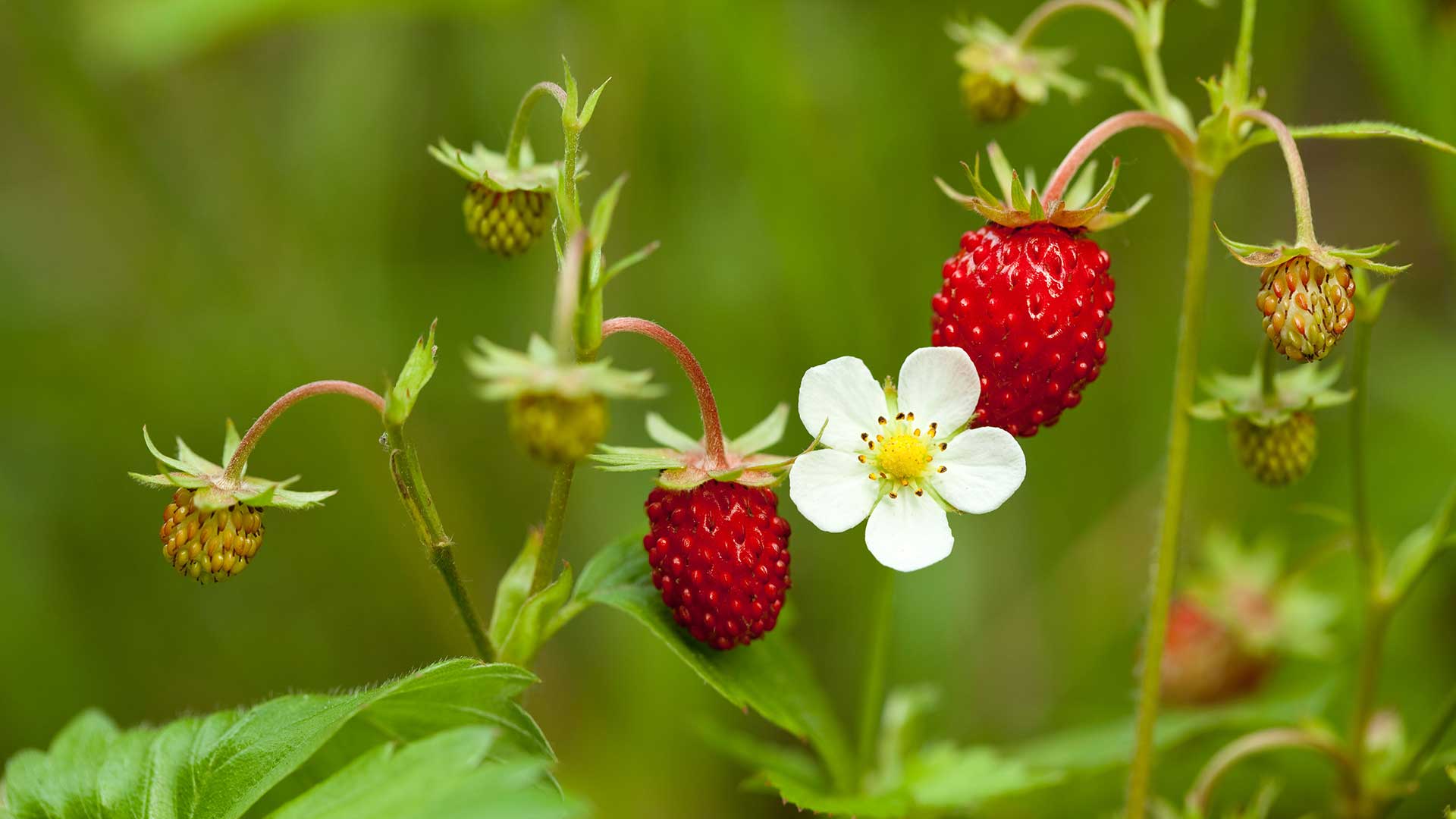
If you need ground cover for a country garden and want something fun for the children to eat, Harriet thinks planting wild strawberry plants is "pure magic".
"Plant them in full sun, and they will spread using their vigorous runners – but be careful as they can take over," she says. "The fruit is delicious, and the plants look light and delicate. They work well with soft pink geraniums, Erigeron karvinskianus, and Alchemilla mollis."
These sweet little plants are also known as alpine strawberries, or Fragaria vesca, and are available from Suttons. They prefer soil that's moist but well-drained. If you want to maintain a tidy, more formal look in your garden, consider growing them as plants for patio pots.
5. English Bluebell
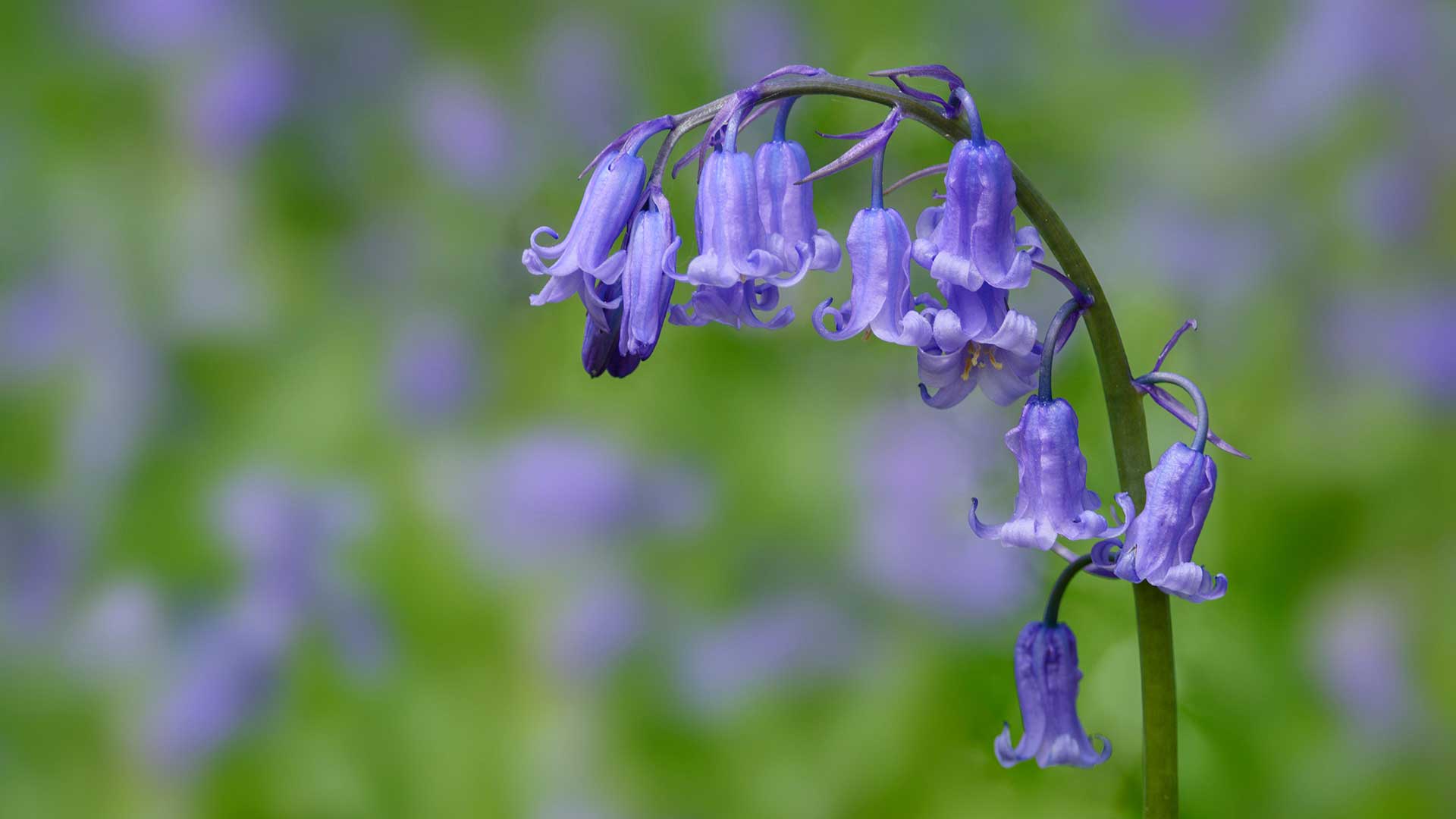
If you're looking to create a woodland-inspired area in your garden, why not opt for these beautiful spring-flowering bulbs, which will naturally spread over time? As Mark says, they add a natural, delicate touch to shaded areas and are much enjoyed by gardeners for their low maintenance once established.
Just be sure to use the English variety and not the Spanish ones, Mark warns, as the latter are more vigorous and can out-compete the former. English bluebells are sensitive to too much direct sunlight, he adds, and good drainage is key.
English Bluebells are available to buy from Suttons – "in the green" bulbs should be planted in spring, while dry ones are suitable for autumn planting (just like when growing snowdrops). Like all bulbs, keep them out of reach of four-legged friends and small children (they are toxic to humans and pets), and wear gloves when handling them.
6. Creeping Thyme
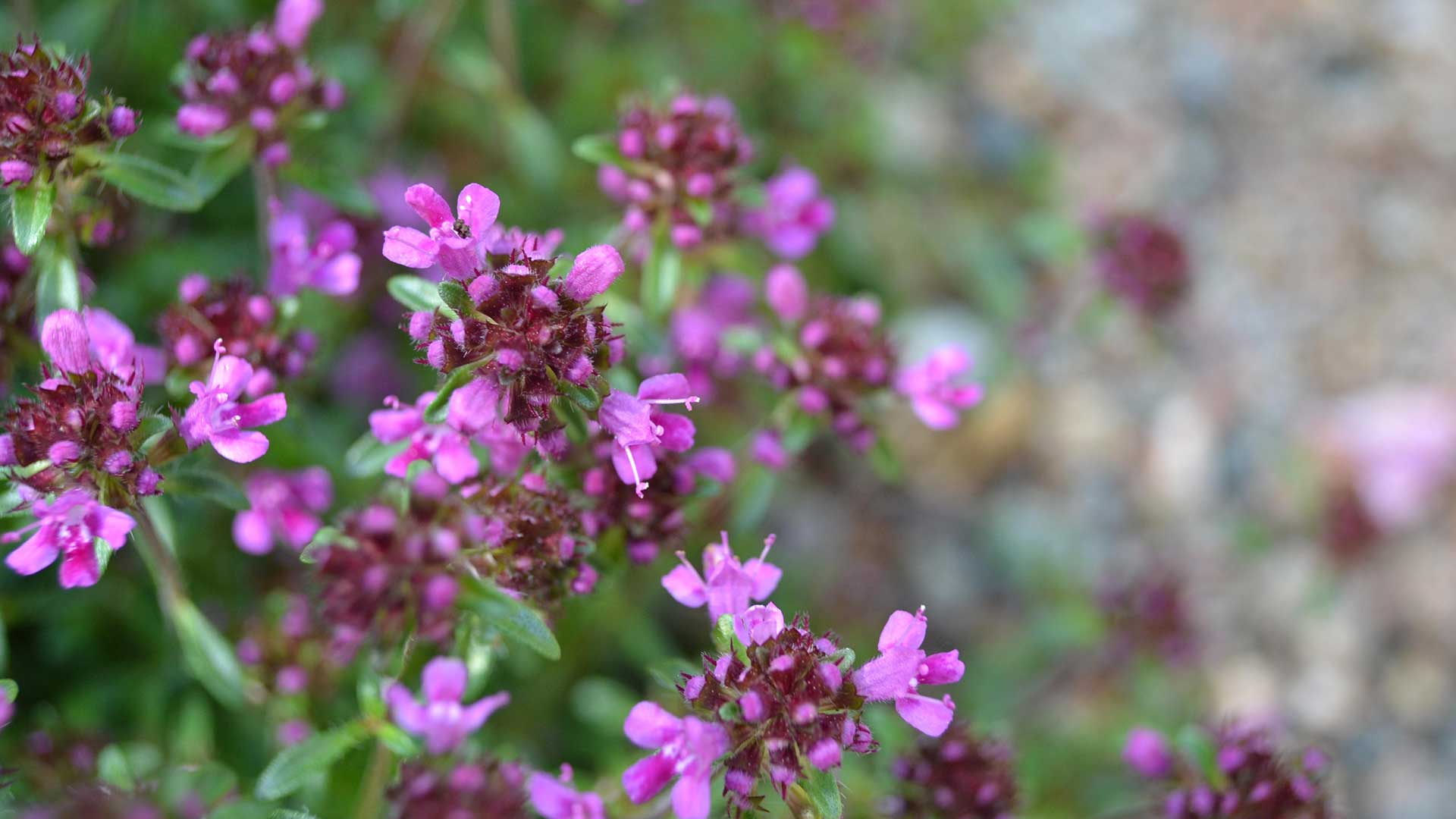
Creeping thyme forms a blanket of tiny, pretty purple flowers and aromatic leaves, which, aside from looking attractive to the human eye, also attracts bees and other pollinators. While it can be used in various areas of the garden, she highlights how it provides a wonderful aroma if planted where it will be lightly stepped on.
It prefers free-draining soil and a full sun position. Once it has established, creeping thyme needs little care except to keep it from encroaching on paths or driveways, she adds.
Another benefit of creeping thyme is that it's evergreen, so it will stay looking pretty year-round. For white summer blooms instead of purple, consider 'Snowdrift' from Crocus.
7. Japanese Spurge
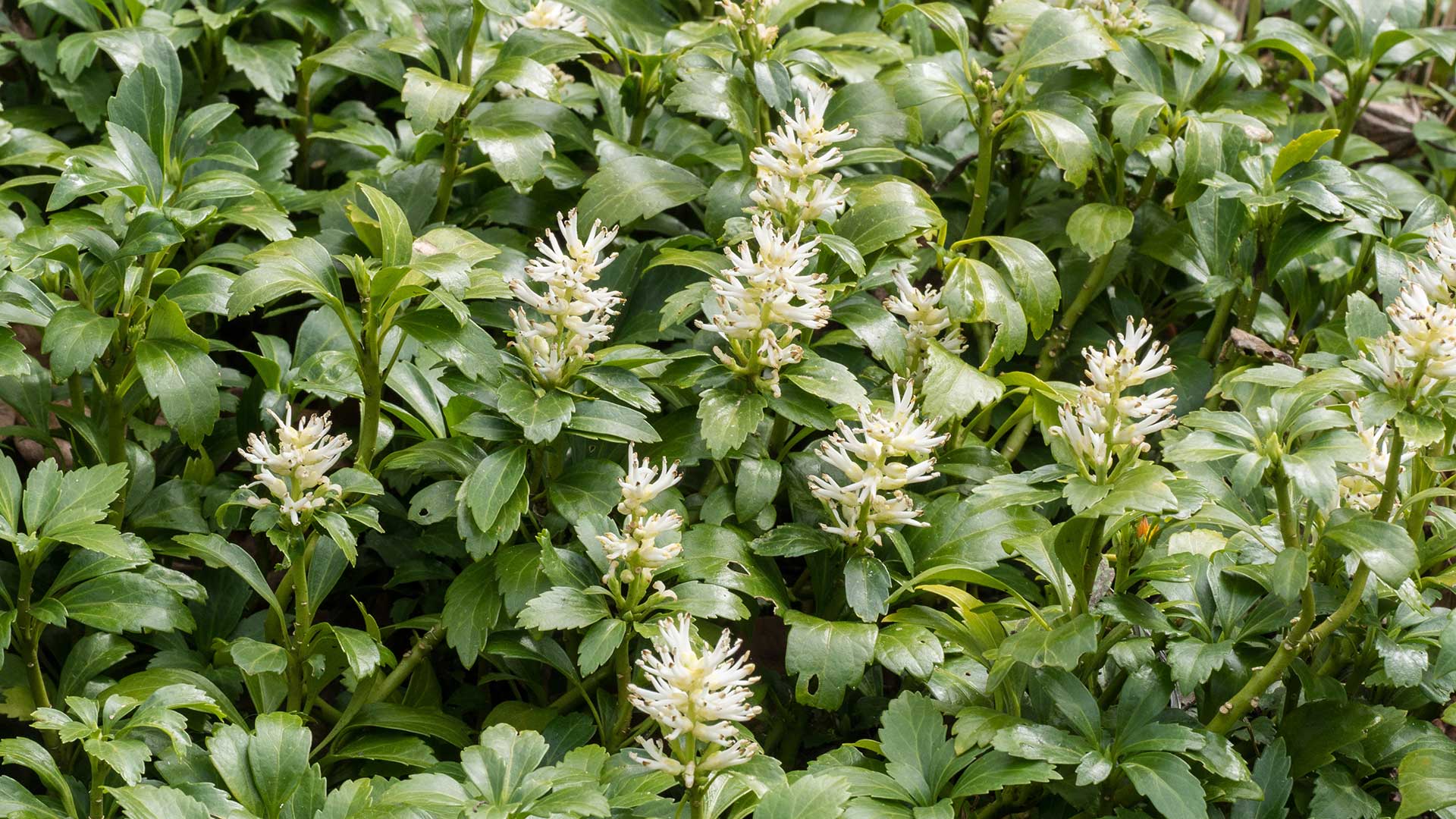
Japanese spurge, or Pachysandra terminalis, is another good choice for shadier spots. Harriet says, "Pachysandra terminalis is an absolute winner if you want to create a verdant mat of low foliage around a shrub, or a square of green next to paving stones. It’s a spreader, so make sure it is enclosed, but as it’s an evergreen, it looks great in the winter and the summer."
Its small, white flowers in summer also make it a useful plant for pollinators.
She particularly recommends it for city front gardens and low-maintenance gardens, as the dense mat will help keep weeds at bay. You can buy the classic Pachysandra terminalis from Suttons, who also sell a variegated variety.
8. Aubrieta
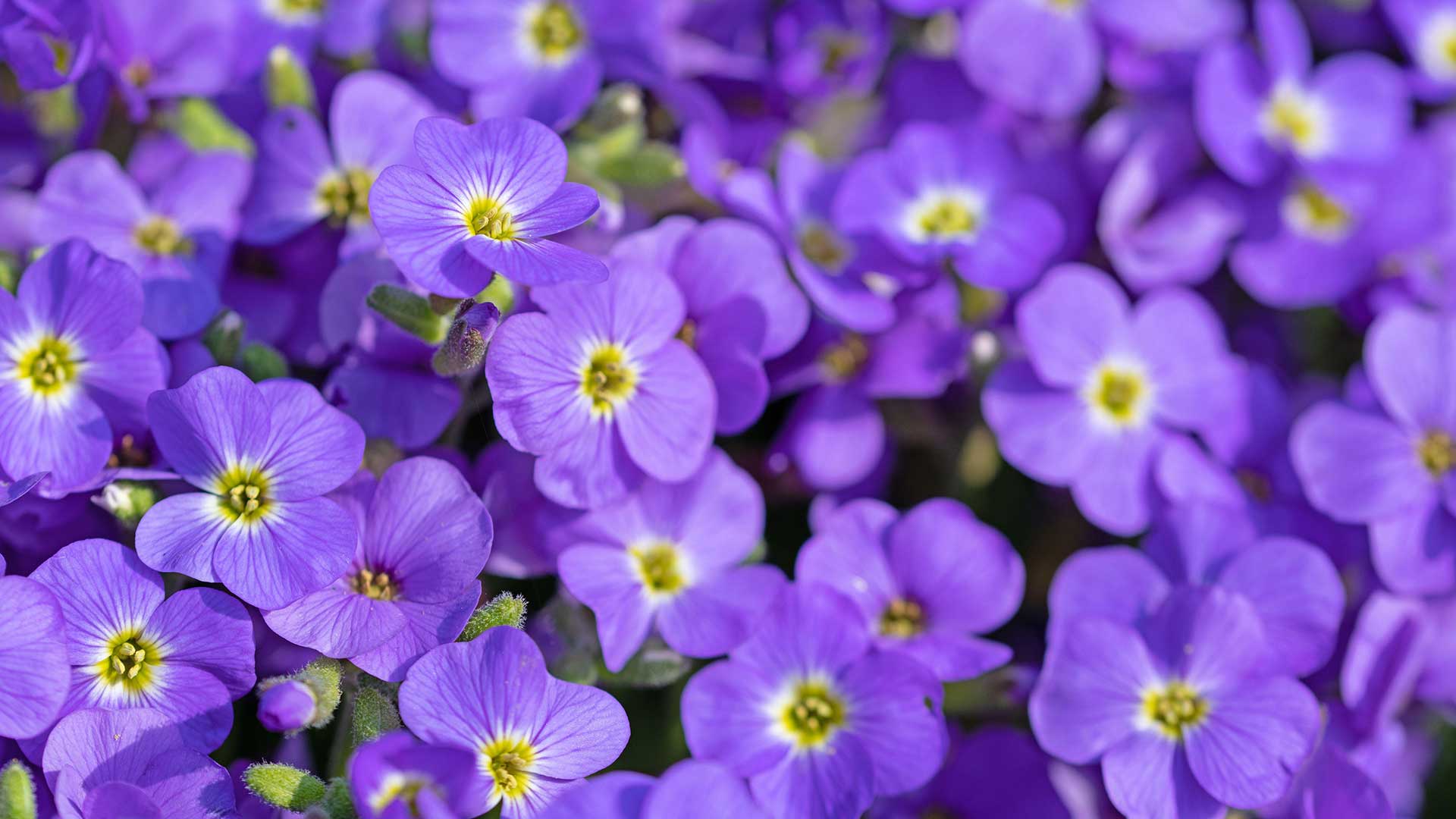
Aubrieta dazzles with its small, bright blooms, with colours ranging from purple, red, pink, and white, depending on the variety. Experts recommend it for ground cover, highlighting how it's practically a no-care plant, evergreen, and can be planted in a variety of locations within the garden.
Aubrieta prefers well-drained, slightly alkaline soil, and it needs at least six to eight hours of sunlight a day to thrive. Be careful not to overwater, which can lead to root rot, she adds.
Try the award-winning "Cascade Red" from Thompson & Morgan, or "Kitte Blue" from Crocus, an alluring plant with deep purple flowers.
9. Hostas
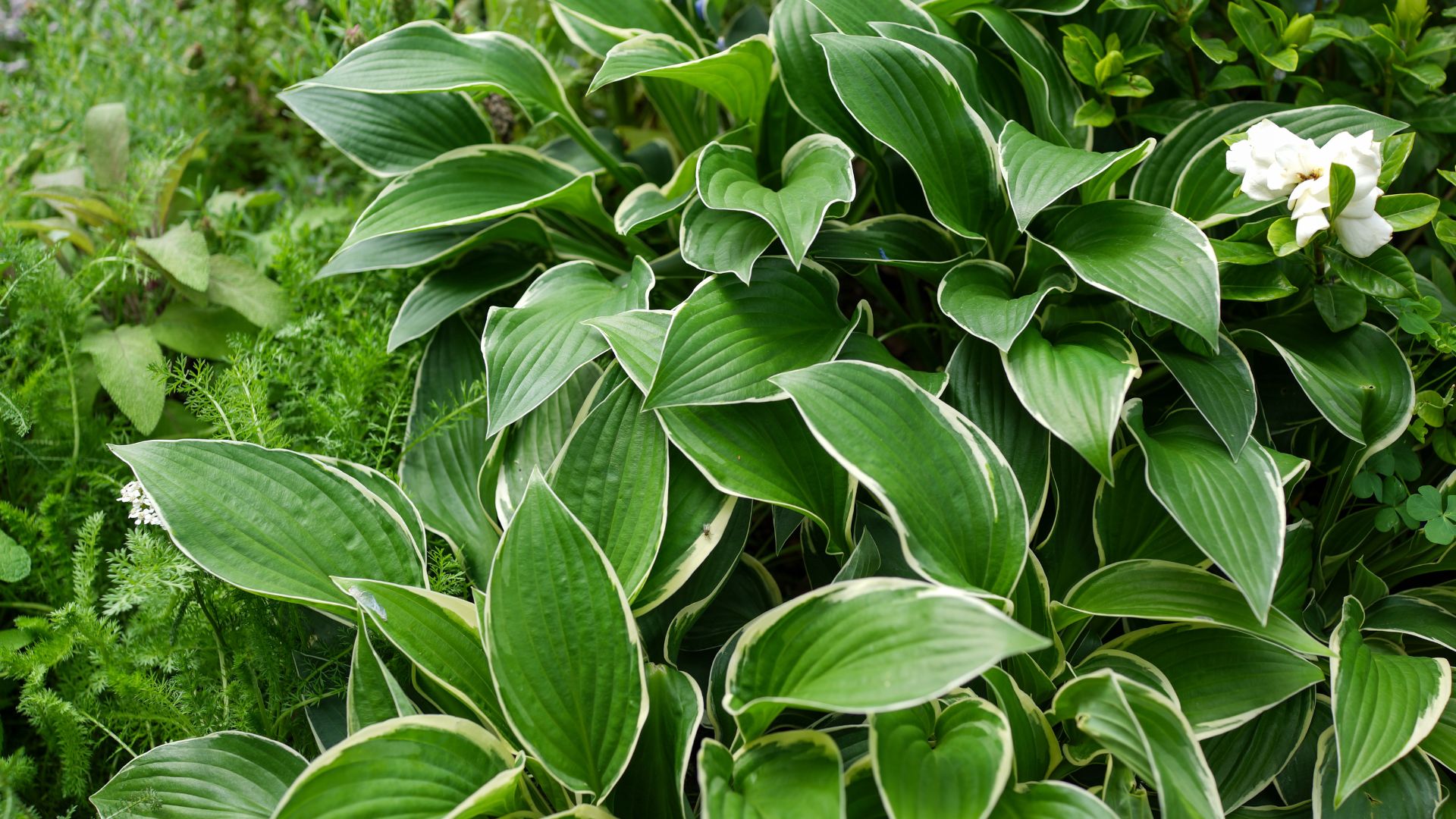
Not only are hostas fantastic ground cover plants, but they're also ideal to grow in wet gardens, which makes them ideal for the UK climate.
"Hostas are a great perennial for the shady areas in your garden, well-suited to the shady conditions trees provide, so they are a great choice to make an attractive, lush ground cover in wooded areas," starts Lucie Bradley, gardening expert at Easy Garden Irrigation.
"When preparing the area for planting, improve drainage by adding in organic matter, leaf mould, compost or well-rotted manure, which will also build up the nutrients in the soil, great for hostas, which thrive in fertile, well-draining soil," she adds.
Lucie recommends trying the blue-green varieties if you have deep shade. 'Halcyon' has thick leaves, which are slug-resistant, ideal if you're trying to lower the population of slugs in your garden.
"Or if you want to introduce hostas where there is partial shade, try one of the brighter green varieties such as ‘Chartreuse Wiggles’, which has lance-shaped leaves which form a thick mat of foliage or ‘Dancing Darling’, whose dense, spreading, textured foliage quickly blocks sunlight from reaching the soil surface to prevent weed germination," Lucie continues.
You can pick up a Hosta 9cm pot from Crocus for as little as £7.99.
FAQs
What spring-flowering plants can you use as ground cover?
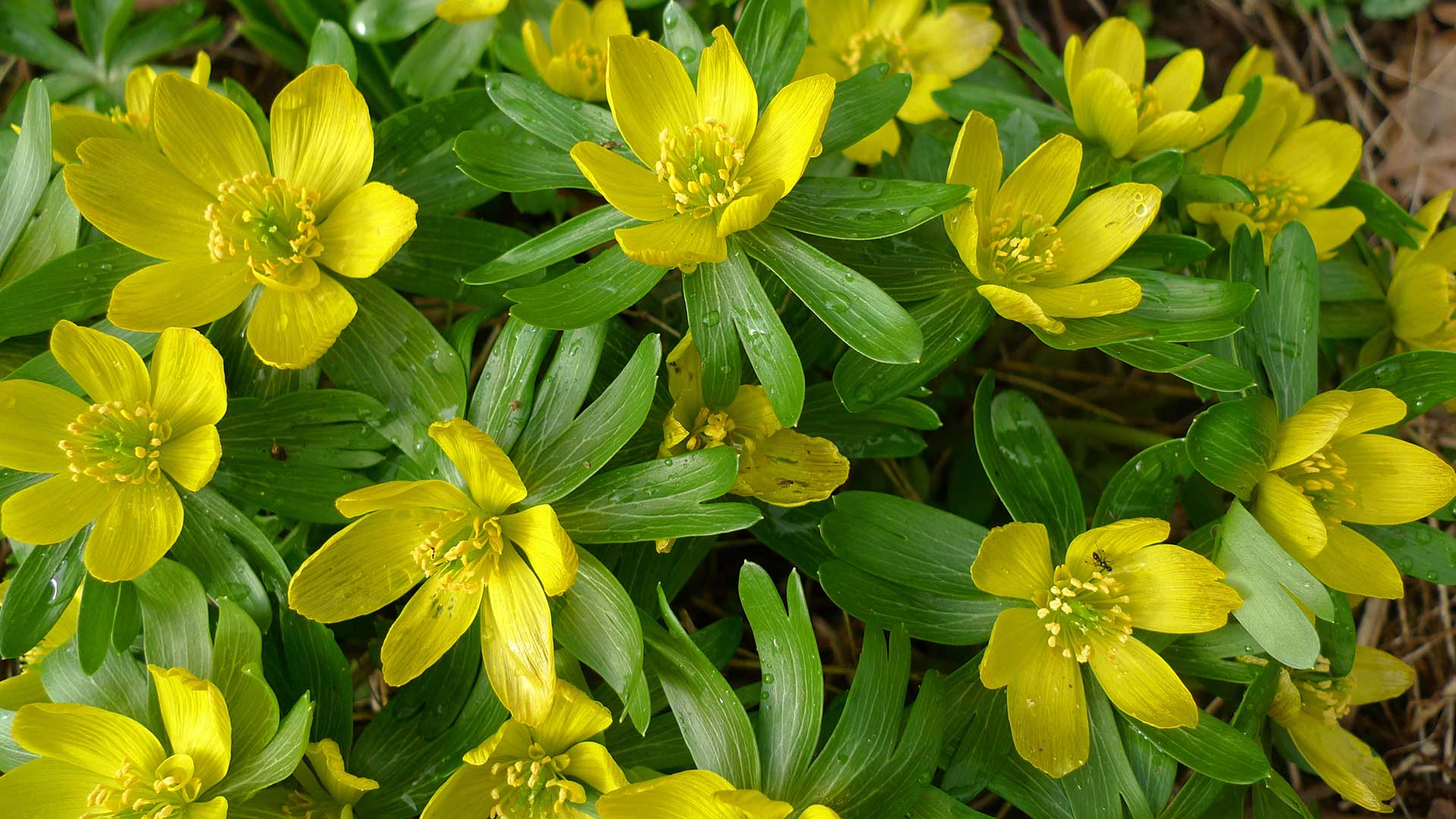
Hardy spring bulbs are generally low-maintenance, and some types will spread well over time, such as English bluebells, snowdrops, or daffodils. Winter aconites and some varieties of anemone are also good choices for early blooms.
What are some good ground cover plants for full sun?
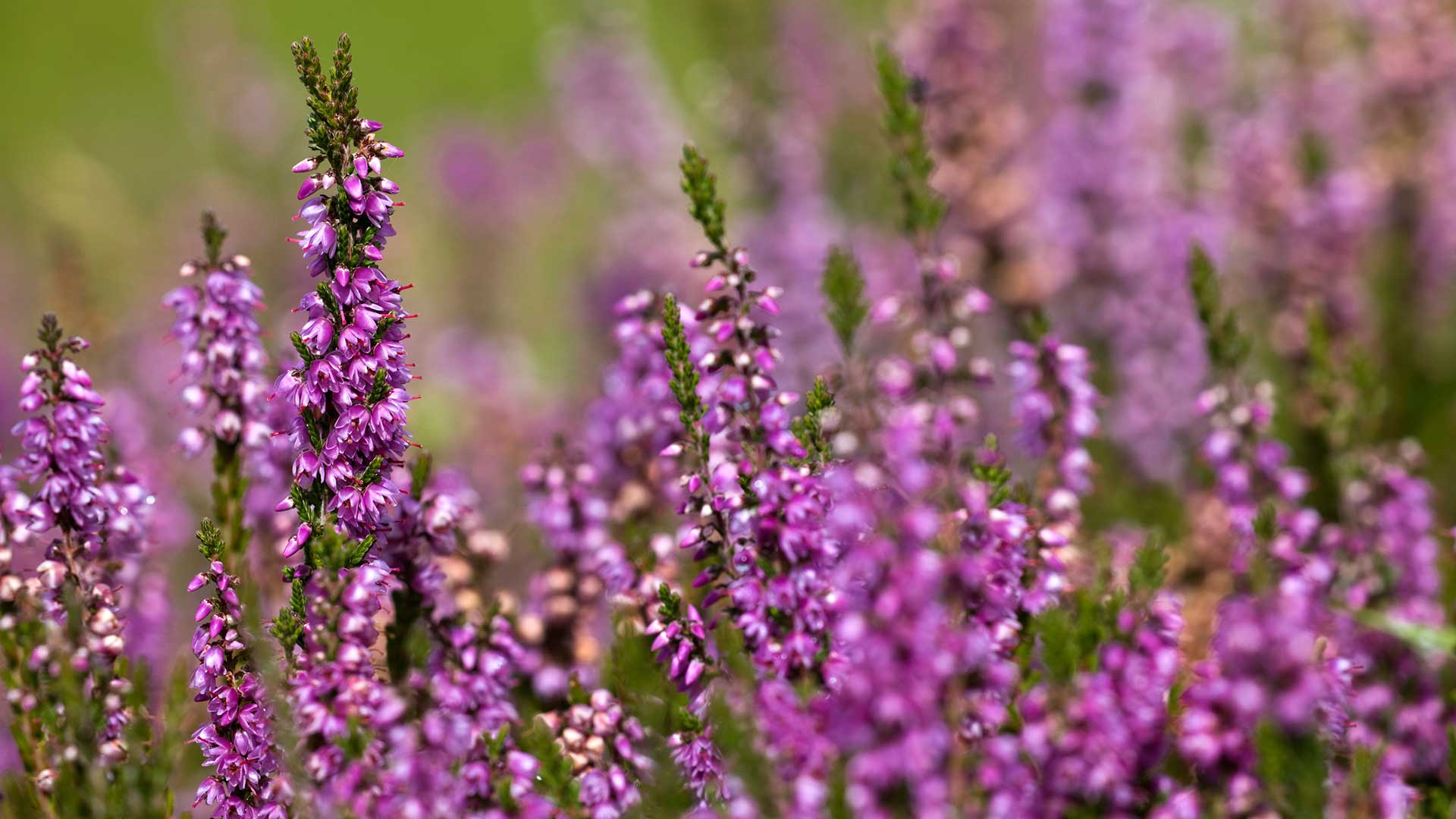
For a sunny garden, wild strawberries and creeping thyme work well, and you could also consider the velvety-leaved Stachys byzantina, or heather.
Most heathers need acidic soil types to thrive and don’t require much fertiliser as they evolved on heaths, which are typically nutrient-poor.
Quick gardening tip: If the foliage on your heather turns yellow, this can be an indication that the soil is too alkaline. An ericaceous fertiliser in early to mid-spring can help.
What is the most low-maintenance ground cover plant?
If you don't want to be sorting your garden out constantly, then choosing low-maintenance plants will be a lifesaver.
"With evergreen foliage to provide year-round weed prevention, Aubretia is a fast-growing, fully hardy ground cover which is extremely low maintenance," begins Lucie. "Once established in your garden, Aubretia requires very little water, even during hot, dry summers and thrives in poor soil, needing no fertiliser to continue to grow and bloom. Being fully hardy, Aubretia easily survives our wet, winter weather without protection and is rarely affected by pests or diseases."
"Even though it requires very little care, Aubretia will reward you with a profusion of small, four-petaled flowers in shades of blue-violet, red-pink, deep purple or white, forming a vibrant carpet of colour from the middle of spring into early summer. For maximum flowers, make sure to site Aubretia in a sunny spot, in poor soil with excellent drainage," she explains.
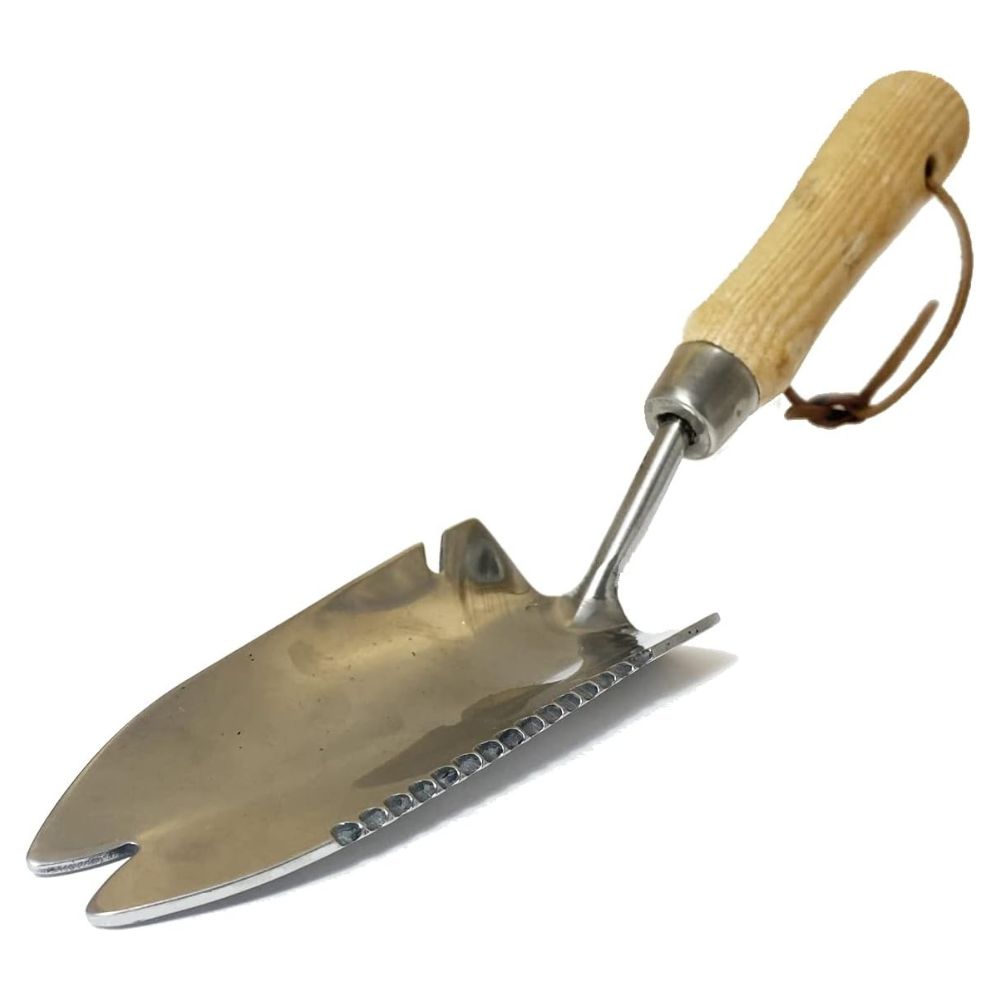
This hand trowel does it all, from cutting through root balls to using the fishtail tip to lift rooted weeds. There's even a twine-cutting notch that doubles up as a bottle opener.

These Gold Leaf RHS collections Chelsea Ladies Comfortable Leather Gardening Gloves are perfect for any job you need to tackle in your garden.
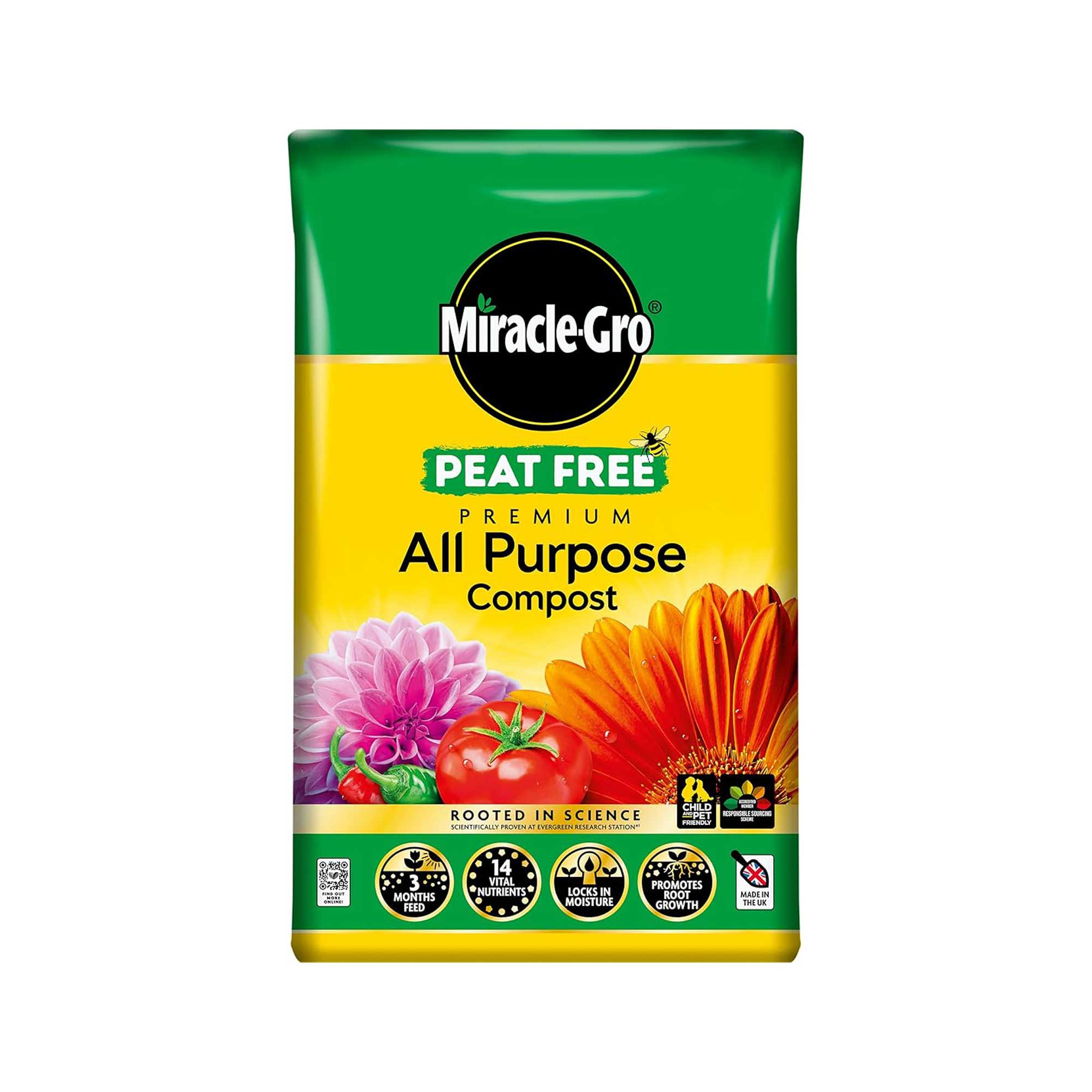
This popular mix from Miracle-Gro can be used to plant flowers and seedlings in containers. It includes coir, which is great for absorbing water and keeping plants hydrated.
Looking for more plants to add to your garden? For striking displays later on in the year, consider our list of late summer flowers, including the likes of dahlias and heleniums. And, if it's natural screening you're after, our list of best plants for privacy will also come in useful.