The second phase of India Semiconductor Mission (ISM) is expected to top its initial outlay of $10 billion, as rising prices of memory chips call for higher incentives, India Electronics & Semiconductor Association (IESA) president Ashok Chandak said on Wednesday.
Industry stakeholders have informed the Ministry of Electronics and Information Technology (MeitY) of the need for higher incentives since global prices of memory, a key input, are expected to remain elevated for at least 18 months amid a supply shortage, Chandak said on the sideline of an industry event.
“Global production capacities for memory will take time to be raised. Till then, there will be pressure on prices,” he said.
ISM 2.0 received an initial budgetary provision of Rs 1,000 crore for 2026-27. The government had approved Rs 76,000 crore, or around $1 billion, for ISM in 2021 as a push towards semiconductor manufacturing, packaging and enhancing design capabilities.
The steep depreciation of the rupee has also driven up the landed cost of imported semiconductor, Chandak said.
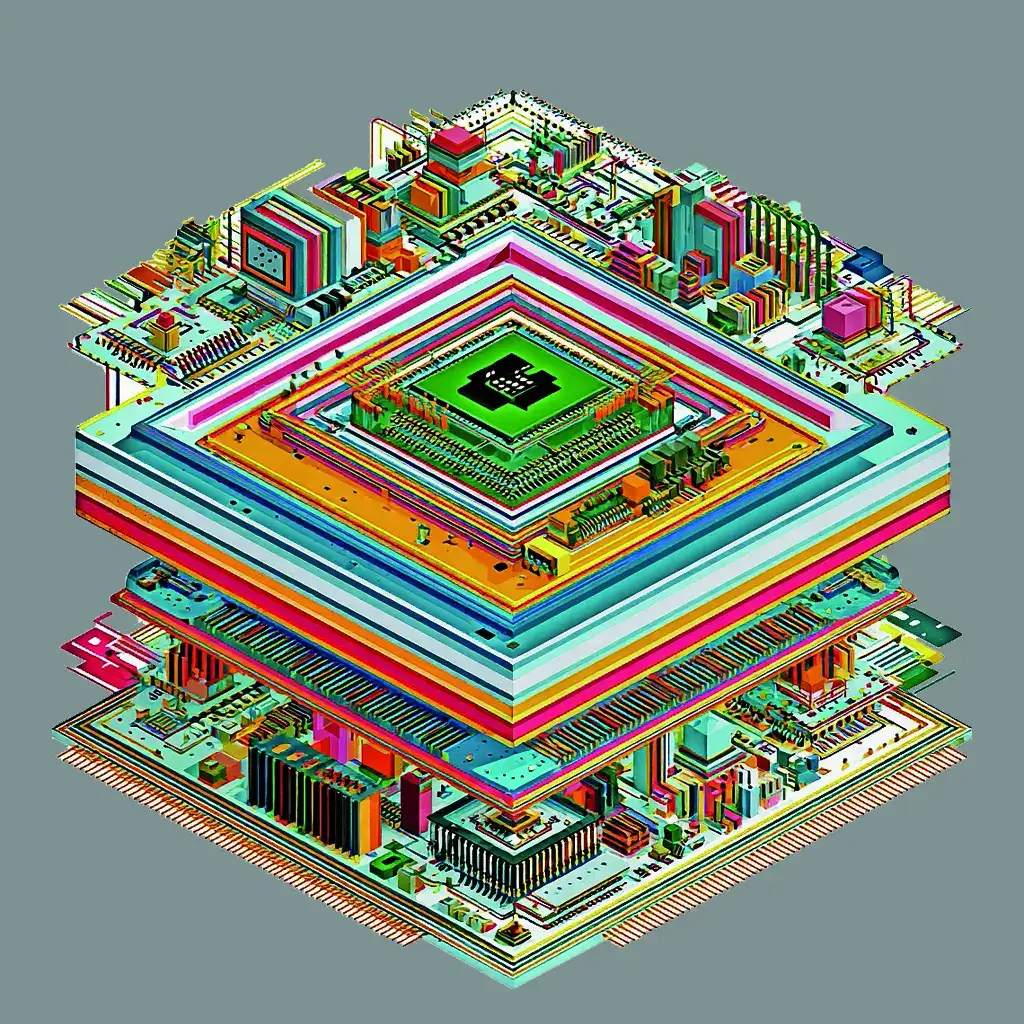
ISM 2.0 will focus on developing the overall semiconductor ecosystem spanning gases, chemicals, semiconductor equipment, and equipment subsystems, Chandak stressed.
Under ISM, 12 units have been approved till now with cumulative investments of around Rs.1.64 lakh crore. Spread across six states, these include both semiconductor fabrication units such as Tata's upcoming Rs 91,000 crore unit in Dholera as well as assembly, testing, marking, and packaging units.
Micron Technology's Rs 22,500-crore plant and Kaynes Semicon’s Rs 3,300-crore facility, both located in Gujarat’s Sanand, began commercial production earlier this year.
Back in April, MeitY officials had told ET the incentive package under ISM 2.0 will prioritise advanced memory packaging focused on high bandwidth memory (HBM). HBM is a specialised high-performance architecture providing massive, high-speed data processing capabilities that traditional memory cannot provide.
Growing artificial intelligence (AI) workloads are driving demand for high-end memory solutions such as HBM. But its manufacturing remains concentrated among few players.
As of the end of 2025, South Korea's SK Hynix and Samsung controlled 57% and 22% of the global revenue share for HBM, respectively, while US-based Micron held the remaining 21% share, according to Counterpoint Research.