Germany failed for the first on Wednesday time to secure a seat on the UN Security Council, with Portugal and Austria receiving more votes for the two Western European spots starting in 2027.
The UN Security Council has 15 members: five permanent - the United States, Russia, China, France and the United Kingdom - and 10 elected for staggered two-year terms, with seats allocated for different world regions.
In secret ballots cast by the General Assembly for the European seats, Portugal and Austria received 134 and 131 votes respectively.
Germany, which has already served six terms, received 104.
A member of the G7, Germany is Europe's largest economy and seen as the continent's political and security anchor.
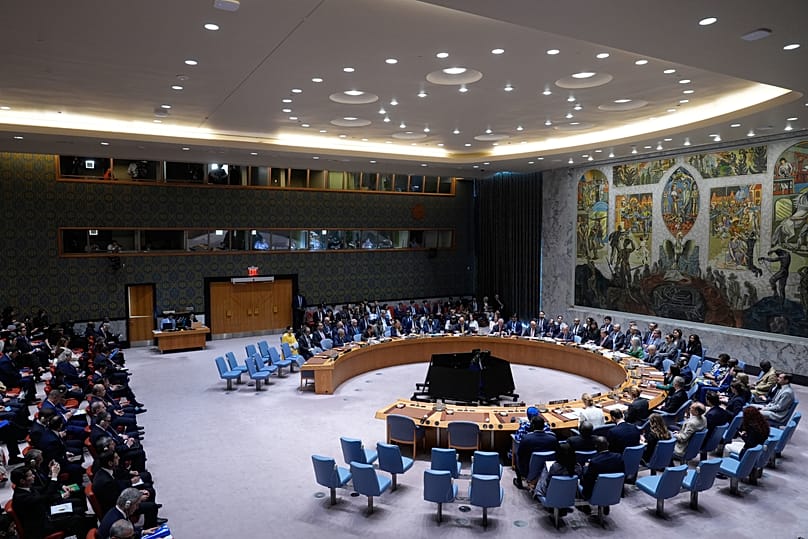
Zimbabwe, the sole candidate for an African seat, was elected with 182 votes, while Trinidad and Tobago, also facing no competition, secured the Latin American and Caribbean group seat with 181 votes.
A second round was under way on Wednesday to decide between the Philippines and Kyrgyzstan for the seat allocated to Asia.
The five elected countries will replace Pakistan, Somalia, Greece, Denmark, and Panama starting 1 January 2027.
They will join the five other members elected for the 2026–2027 term: the Democratic Republic of the Congo (DRC), Liberia, Latvia, Colombia and Bahrain.
Wadephul campaigned for support until the very end
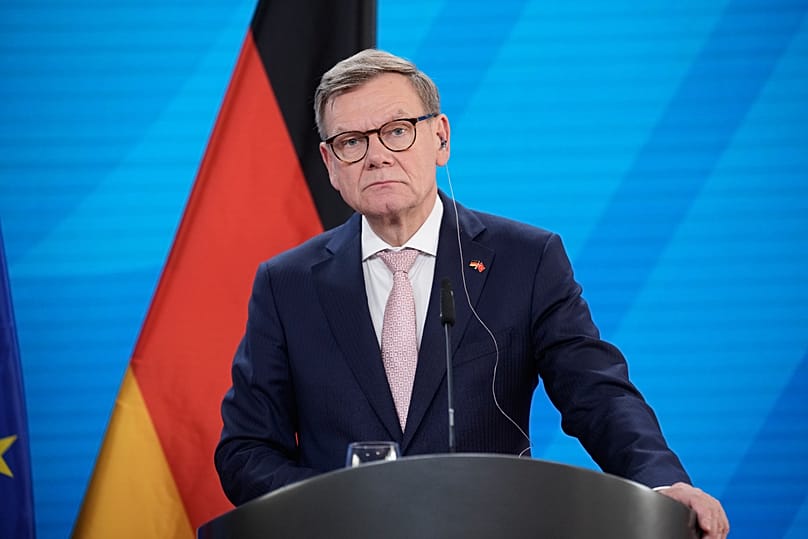
Germany's Foreign Minister Johann Wadephul held intensive talks with diplomats and government representatives in New York to promote the German candidacy and up until a few hours before the vote, was still expressing confidence.
In the campaign Wadephul pointed to Germany’s role as one of the biggest financial contributors to the UN system, as well as its engagement in peace missions. The federal government also promised African states support for their demand for greater influence on the Security Council.
From the outset, however, the election was considered difficult. Unlike in previous bids, Germany this time faced two serious competitors.
Diplomatic circles also viewed critically the fact that the federal government had failed to clearly describe either the US or the Israeli attacks on Iran as violations of international law. Observers saw this as a potential handicap for the candidacy.
Another disadvantage was that Austria had already announced its bid back in 2011, with Portugal following in 2013. Berlin only officially entered the race in 2020, leaving it significantly less time to campaign for support.