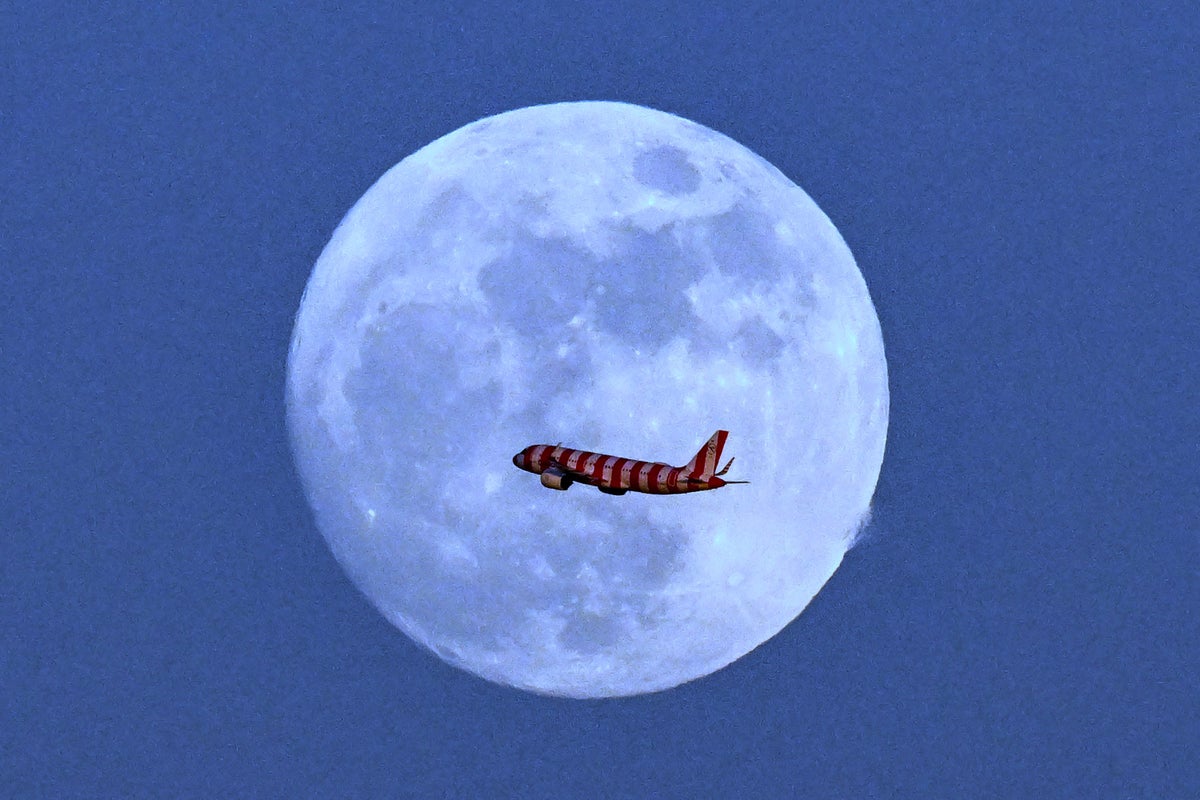
The first Blue Moon in nearly three years will take place this weekend, coinciding with another celestial curiosity.
The full Moon on 31 May will also be classed as a micromoon, as it is the smallest to appear this year.
A micromoon occurs when a full Moon is near the furthest point in its orbit of Earth, making it appear slighter smaller and dimmer than usual.
A Blue Moon takes place when two full Moons appear in the same calendar month, with the last one occurring on 31 August, 2023. Despite the name, the Moon will not actually appear blue, though its rare appearance is where the expression ‘once in a Blue moon’ comes from.
There will be another micromoon next month, and a Blue Moon will take place on 31 December 2028, but the celestial coincidence of a Blue Moon also being a micromoon will not be repeated until 2053.
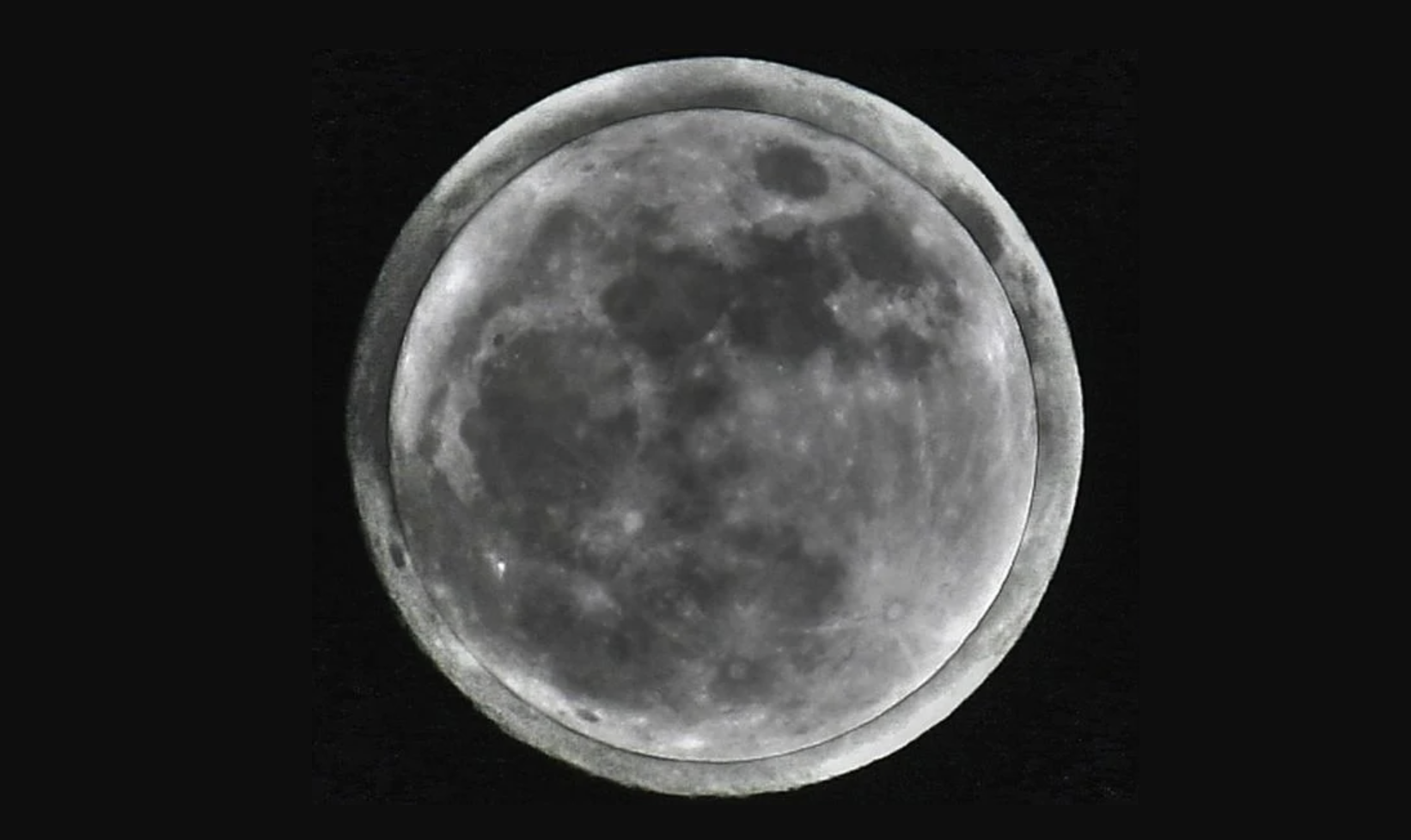
May’s second full Moon will peak at 9:45am BST on Sunday, though it will appear full for a couple of days either side of this date.
Patchy cloud is expected over the UK on the night of Sunday 31 May, according to the latest forecast from the Met Office, though there will be clear skies over most of England and Wales on Friday and Saturday night.
The Moon will reach its furthest point to Earth – known as the apogee – on 1 June, reaching 406,366 kilometres (252,504 miles) from us.
At this moment, it will appear up to 14 per cent smaller than a supermoon, which takes place when the Moon reaches its closest orbital point to Earth.
Astronomers advise anyone hoping to see this weekend’s full Moon to head to a point with a clear view of the southern horizon.
“The Blue Moon reaches peak illumination this Sunday, although the best time for stargazers will be on Saturday evening, when the Moon rises shortly after sunset and stays visible throughout the night,” Alan Jones, an astronomy expert at 365 Astronomy, told The Independent.
“It will sit relatively low in the southern sky, so choosing a spot with clear views of the eastern and southern horizon, away from tall buildings and trees, will provide the best experience.”
In the UK, moonrise is set to take place at around 10pm on 31 May. For people in the US, the Moon will first appear at around 9pm.