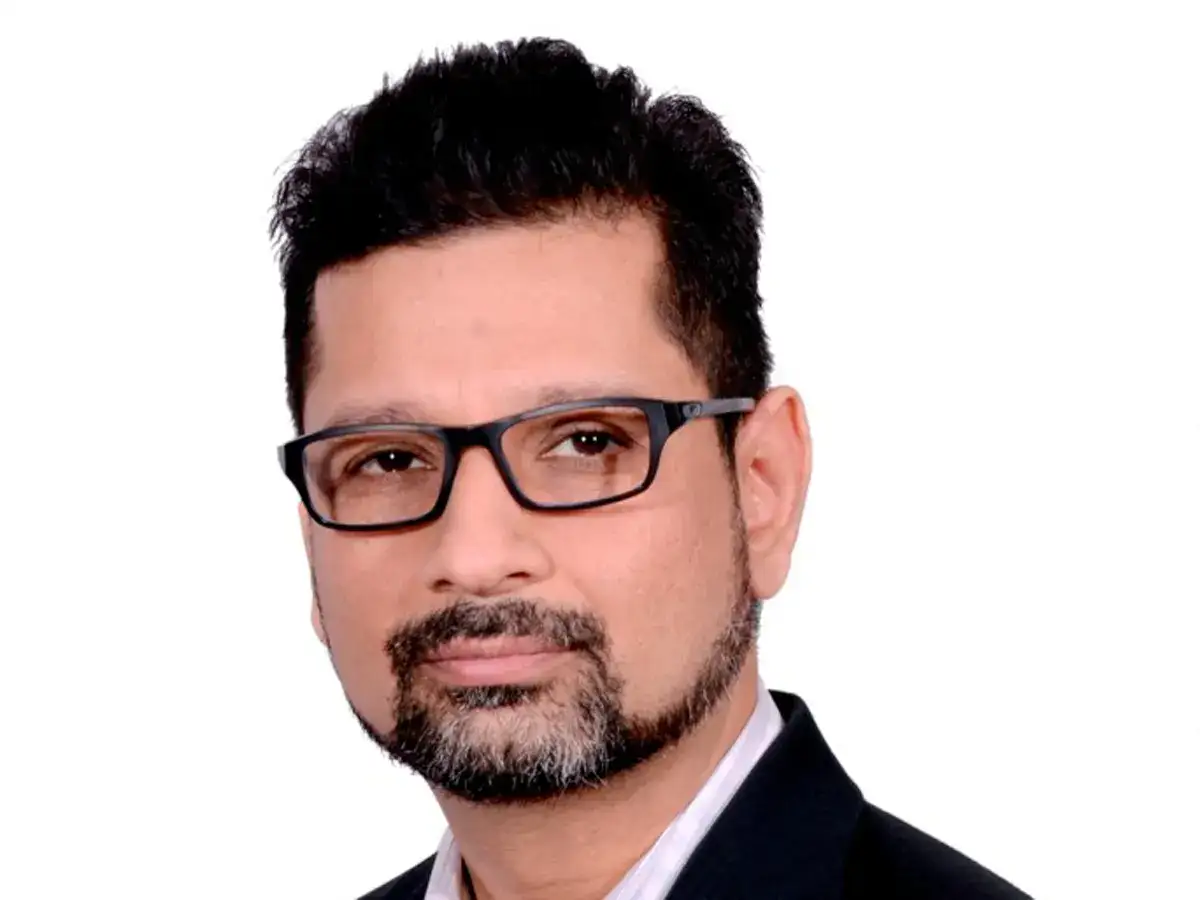
Unmesh Sharma, Senior Executive Vice President and Head of Institutional Equities at HDFC Securities, says the worst of the inflation impact is still not reflected in corporate earnings, and the coming quarter ending June could be when the damage truly shows up.
Speaking to ET Now, Sharma warned that while large consumer brands retain some pricing power, a prolonged oil price shock will compress consumer wallets and steadily erode that advantage.
"If oil price increases have only happened now, the consumer wallet starts to shrink at the margin," he said, adding that pricing power at both large and small company levels could deteriorate through the quarter.
Monsoon and the war in Ukraine: Two risks overshadowing Q1 FY26
Sharma identified two macro themes that dominated management commentary during the March quarter results season: anxiety around the monsoon forecast and the elongated nature of global commodity inflation triggered by the Russia-Ukraine conflict.
If monsoon normalises, he believes the second quarter may escape a double hit. But if both risks persist simultaneously, India Inc could be staring at single-digit earnings growth, a scenario HDFC Securities is not yet building into base-case models but considers a "distinct possibility."
The firm's own earnings growth estimate for the full year stands at 10–11%, below the earlier street consensus of 16% and even their own prior estimate of 13–14%.
Nifty at 18x: Finally near its long-term mean
On valuations, Sharma offered a measured note of comfort. After months of a softening market, the Nifty is now trading close to its 20-year average price-to-earnings multiple of around 18–18.5x, down from the elevated levels seen at the start of the year.
He pointed out that as the market moves toward Diwali, investors will naturally begin pricing in earnings one year out. If the index remains flat for the next six months, forward valuations will look increasingly attractive.
However, that comfort depends heavily on whether earnings growth holds above 10%. A slide to single digits would make 18x feel stretched again.
IT sector: From underweight to equal weight
In one of the more notable portfolio moves discussed, Sharma revealed that HDFC Securities has upgraded the IT sector from underweight to equal weight, a meaningful tactical shift after more than a year of cautious positioning.
The catalyst is straightforward: valuations. Stocks like TCS, Infosys, and HCL have all fallen well below 20x earnings, making them look attractive on a price-to-value basis even as structural concerns about AI disruption and sluggish global tech spending persist.
Sharma's advice: build a position in line with the Nifty's roughly 11% IT weight over the next month or so, picking up on dips.
Where HDFC Securities is overweight: Power, infra, and large banks
The firm's model portfolio remains most aggressively positioned in the infrastructure, capital goods, and real estate cluster — approximately 300–400 basis points overweight. Power and power utilities are singled out as the standout theme within this bucket.
For direct power exposure, NTPC and Power Grid are the preferred names. For indirect plays, Sharma points to PSU banks and MCX, where new power-sector financial products have been introduced.
On financials, large banks including SBI remain favoured for their earnings visibility and relative insulation from inflation pressures. Domestic pharma is also flagged as "looking alright."
Sharma was more circumspect on power financiers, describing them as better suited for traders with shorter time horizons rather than the firm's typical 12–18-month model portfolio view.