
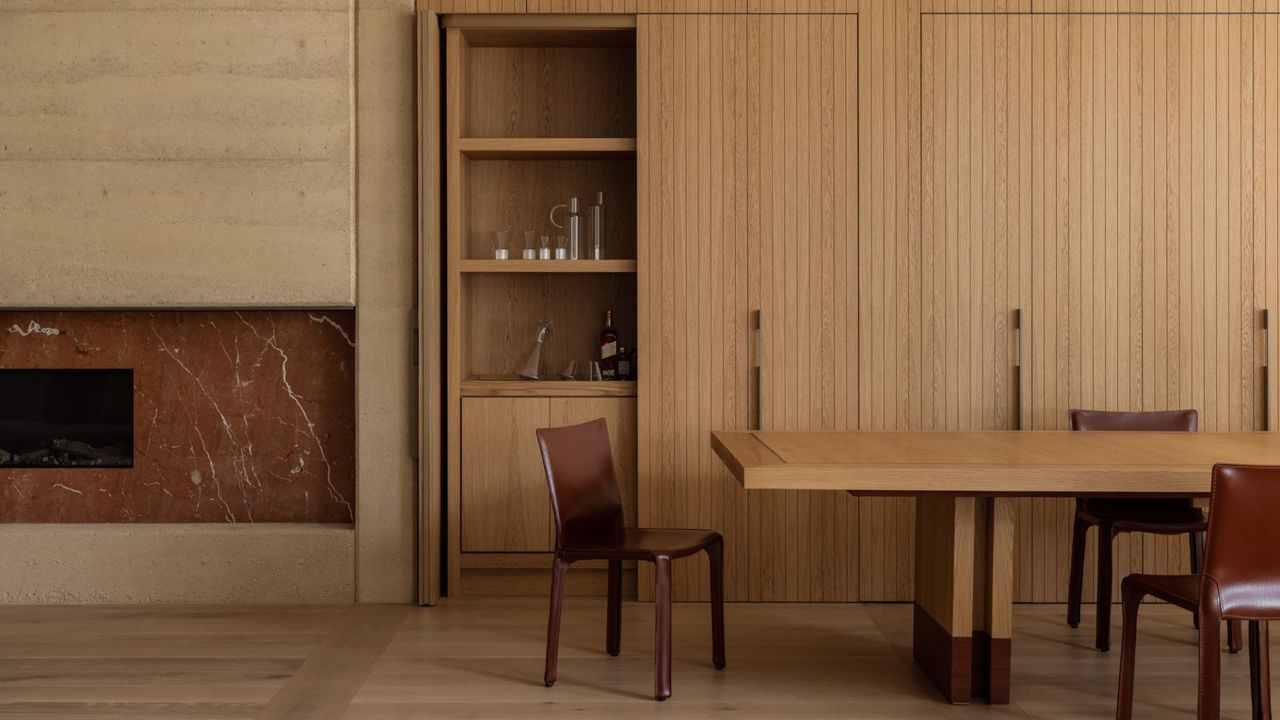
When I first came across friction-maxxing, I'd be lying if I said I didn't roll my eyes at another maxxing trend catching on. But then I looked into it, and although it seems slightly performative at first, it stands for everything we need right now.
From meme-ified news, AI slop, and doomscrolls worth of wasted time, to dupe culture, bedrotting, and impulse buying to keep up with the lifestyles portrayed on our screens, instant gratification is at an all-time high. This year's home wellness trends are fighting against this fast-paced rhythm of life, and friction-maxxing is one way to do it.
Sure, the name of the trend might be a tad played-out with all the maxxing going around, but I genuinely believe that the essence of the concept is the call of the hour. To step away from taking the easy route out and rewire the way we feel dopamine.
So, here's what this lifestyle change means and what you can do to imbibe it into your daily routine.
What Is Friction-Maxxing?
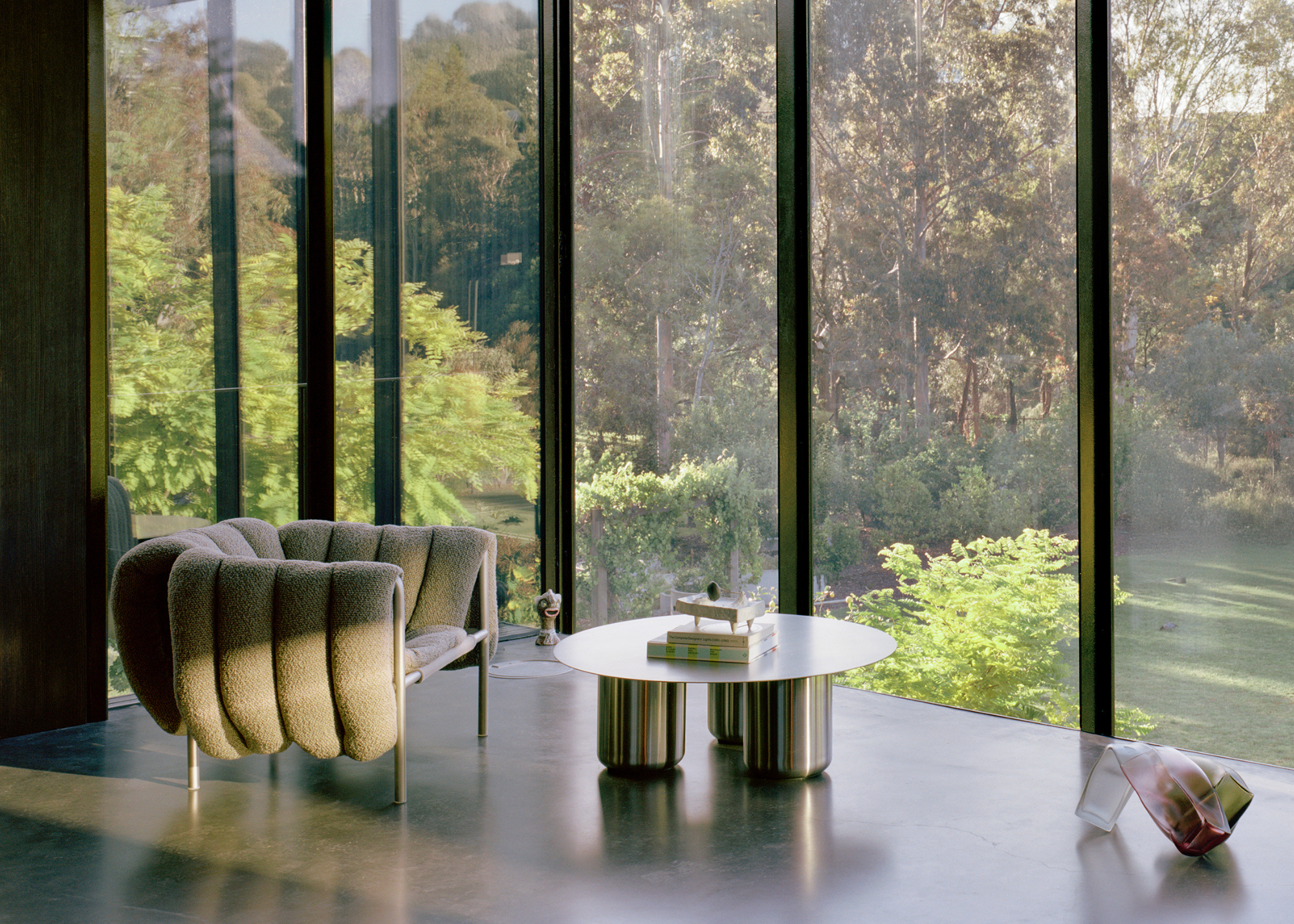
Hector Hughes, co-founder of Unplugged, explains that friction-maxxing is the idea of adding small pockets of effort back into your day on purpose. "We live in a world that has been designed to be as frictionless as possible. Things that used to require effort can now be done with next to none — from one-click checkout and next-day delivery to pod coffee and FaceID," he notes.
"This level of convenience sounds great on paper (and in a lot of scenarios, it does make our lives easier), but it also removes the pause between impulse and action, which means we can act less intentionally."
According to Hector, friction-maxxing brings some of that pause back. "Adding small speed bumps to habitual or impulsive behaviours gives you a moment to pause and choose the action more intentionally. The goal isn’t to make life difficult; it’s just to slow down habits that tend to run on autopilot," he advises.
"It can also help you romanticize the process in daily tasks. For example, making your coffee from scratch with a moka pot rather than hitting a button, or walking to the post office instead of arranging collection. It makes the action of doing something more enjoyable."
He goes on to explain that the biggest benefit is that it creates a moment of awareness before you act. "When something requires even a little extra effort, your brain has time to ask, 'Do I actually want to do this?' This helps you live and act more slowly and intentionally," he says.
"People also find that friction helps rebuild patience and focus. When everything is instant, waiting starts to feel uncomfortable. Small moments of effort, like offline rituals, cooking from scratch, or walking somewhere instead of ordering a car, bring back a slower rhythm. Over time, that can make it easier to concentrate, be present, and tolerate boredom."
1. Interrupt Impulse by Distancing Gratification
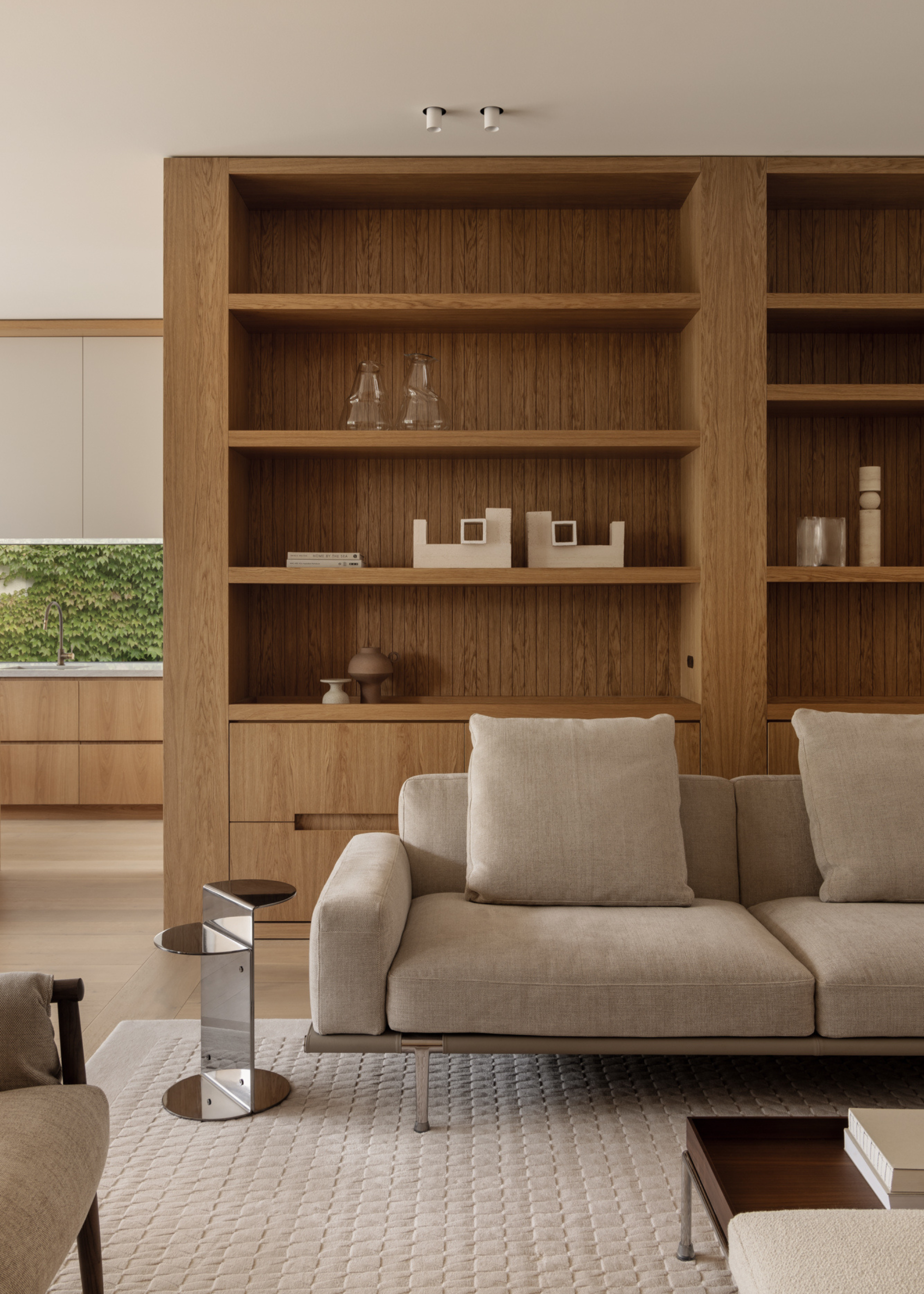
"To start, introduce just enough effort to interrupt the impulse," says Philip Thomas Vanderford, interior designer at Studio Thomas James. "Whether it's concealing a television or placing indulgences out of immediate reach, that slight pause changes behavior more than any rule ever could."
TV wall ideas aside, even things like uninstalling delivery apps, introducing time limits to your screen time, and adopting digital minimalism can make a world of difference to your day-to-day pace.
2. Prioritize Design Rituals Instead of Shortcuts
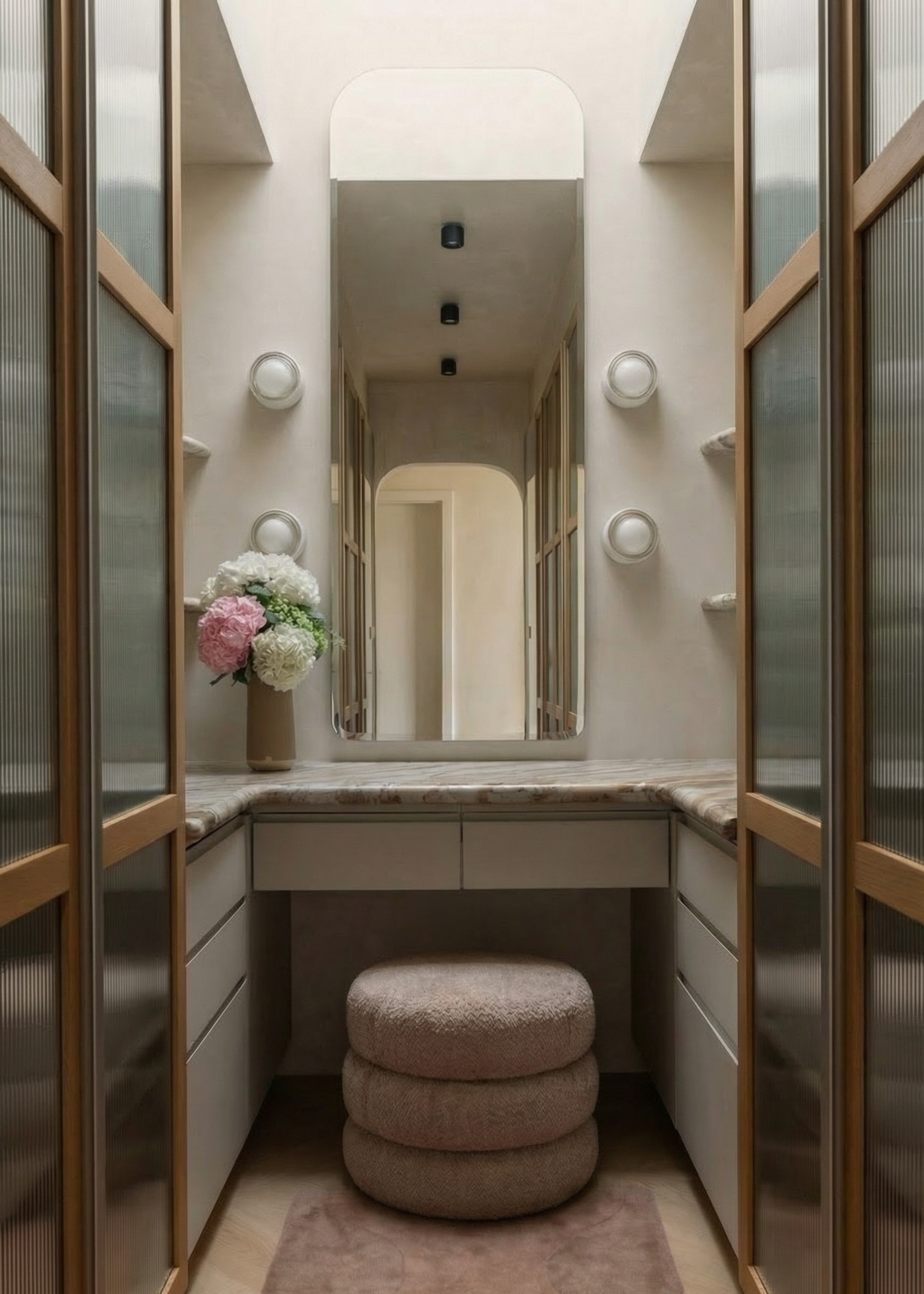
Next, Philip recommends thinking of design rituals instead of shortcuts. "A bar, coffee station, or dressing area that requires a sequence of actions elevates the experience and encourages presence," he affirms.
I recommend introducing design rituals into your wellness rooms and even your regular living spaces, too. Consider a valet stand for your bedroom, a hands-on coffee bar (like the ROK Powerless Presso), and a listening room for soundscaped moments of stillness.
3. Cut Down on Tech and Commit to Analog
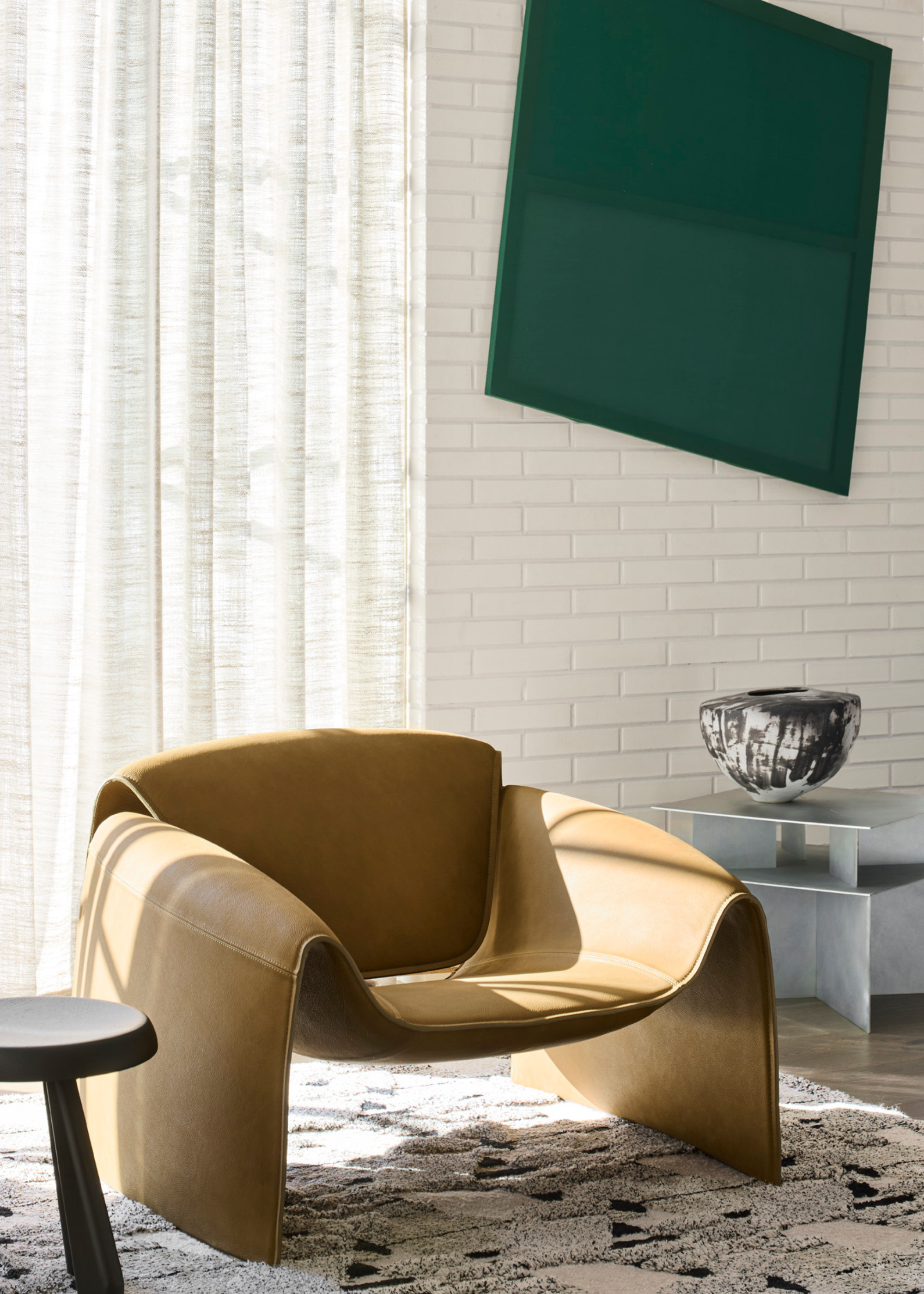
"If you want your space to feel more attuned to friction-maxxing, try cutting back on tech at home," says Hana Taylor of BoConcept. "That could mean removing smart lights and extension leads, switching off devices like Google Home or Alexa, and keeping some rooms completely free of screens and gadgets."
Digital detox zones can be tough to acclimatize to at first, but these intentional spaces will get you one step closer to a healthier lifestyle. Consider designing a tech-free bedroom and taking analog January seriously for the remainder of the year, too.
4. Implement Obstacles to Bad Habits
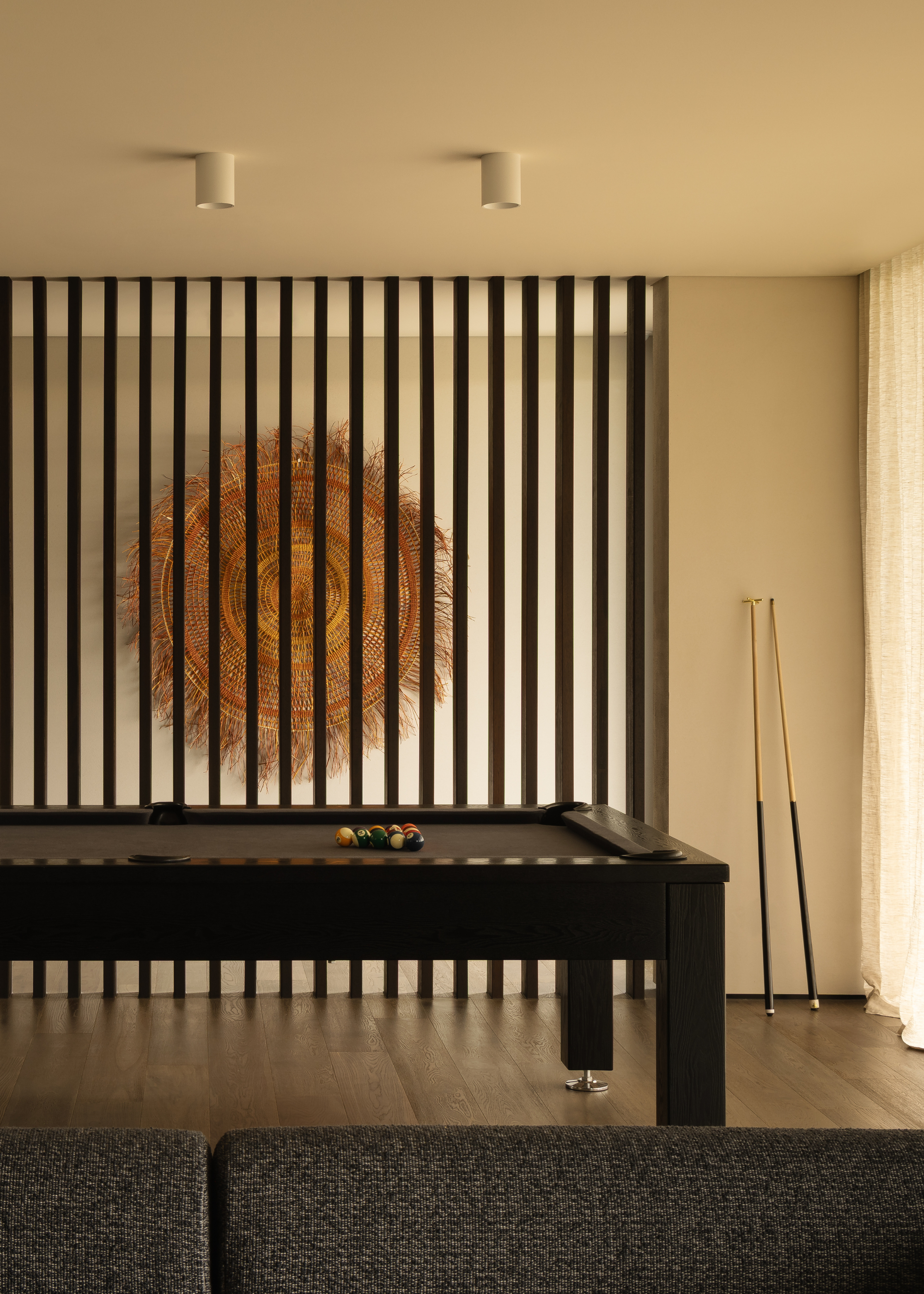
"Designers use layout to subtly shape behaviour, such as placing a reading chair near natural light to encourage relaxation or separating work items from the bedroom to promote better sleep," says Hana.
"Utilize your home design to prompt pauses. Store snacks out of sight, keep devices in a drawer when not in use, or unplug them at night, making mindless habits harder. Thoughtful arrangement encourages good habits naturally."
You can also replace overstimulating areas in your home with spaces for calm. Consider a hyggekrog, a meditation room, or even a wellness garden to make for a healthier backdrop. I also recommend bringing in things to stop you from doomscrolling to help you separate from your screens.
5. Pace the Way You Decorate
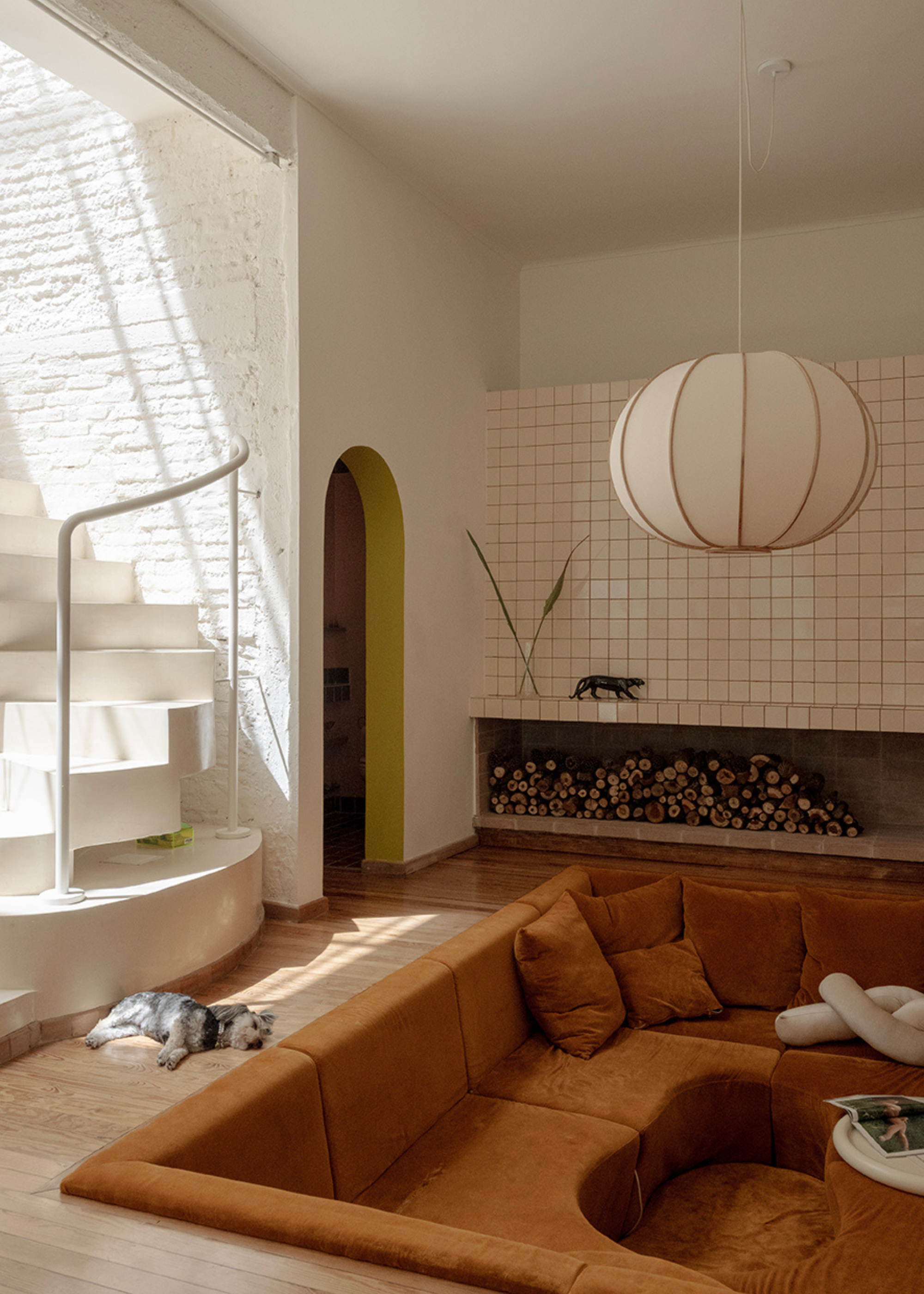
Hana also recommends pacing the way you decorate your interiors. "Saving up to invest in more high‑quality furniture that will last a lifetime, or waiting to curate a wall with art until you find pieces that genuinely resonate, even commissioning custom local artisan work, is worth the wait," she says.
"Items that demand time and effort ultimately hold more significance than those acquired through a quick online transaction." It's not about monopolizing on every single interior design trend that comes your way. It's about using these aesthetics as inspiration to feed your dream home in courses.
Friction-Maxxing Essentials
Color: Pale Blue / Pastel Green
Start your morning routine off with a freshly brewed cuppa, but do more than just press a button with this French press.
Color: Silver
Channel your best vinyl styling ideas beside this Silver Cruiser Bluetooth Record Player from Crosley.
Color: Oxford Blue
Quit overloading your notes app and switch to manual to-do lists and plans in this cool planner from Papier.
Color: Light Pink
Or, pop your sticky notes and tearaway spring reset plans on this sleek noticeboard from Montana Furniture.
Includes: 150 Questions + Wild Cards
Every time I want to host a game night, this Card Game Set from We're Not Really Strangers is my go-to for meaningful connection.
Color: Rosevale
Swapping your soap dispensers for chic structural formats makes your bathroom look good and instils a simple friction-maxxing habit. And OBA is on my wish list at the moment.
Format: Hardcover
One of my New Year's resolutions involves cooking more and with intention. This recipe book will tell you the best produce to use and how to make it shine en plat.
Color: Moss
Instead of buying plastic-clad herbs from a grocery store, plant some basil and rosemary as kitchen plants, soon to be ripe for the picking.
Color: Beige
Skip blending your spices in a blender and use a mortar and pestle instead. Aside from the beautiful aromas, it'll also make you feel so much more in the moment.
Friction-maxxing will reduce how quickly chores get knocked off your list, and it might even make you feel a little frustrated at taking the longer route at first. However, in time, you'll find yourself feeling pleasantly surprised by the relief of impatience lifting off your mood.
Not to mention, it's the little moments that make life so much more enjoyable. And friction-maxxing is the formula for relearning how to stop and smell the roses.
If you're looking for a moment of inspiration to help you pace yourself, I recommend booking your next time off to live with intention at the Unplugged x Damson Madder cabin. It's equal parts style and slow living.
And for more ideas on home wellness and recommendations on digital detox destinations, sign up for the Livingetc newsletter.




.png?w=600)