Tick season is upon us - and with it the threat of Lyme disease.
There are some 476,000 new cases of tick-related Lyme disease each year, according to the U.S. Centers for Disease Control and Prevention. The disease, which only spreads through the bite of black-legged ticks, can kill although fatal cases are rare. But it’s far from the only fatal disease linked to the tiny bloodsuckers.
It’s already shaping up to be a historic tick season with ER visits for bites reaching their highest level in nearly a decade in the U.S. The most have been reported in the Northeast and Midwest, federal data shows.
Still, experts warn the worst may be yet to come, as the summer months approach and more people spend more time outside.
Tick season typically runs from April to September, peaking in May. But a warming climate has led to longer seasons and expanded the range of ticks further north, in areas people might not expect to encounter them.
“Every year, the number of people who encounter ticks is increasing, which means that people are putting themselves in the way of ticks and they get bitten by them,” Saravanan Thangamani, director of the SUNY Center for Vector-borne Diseases and Vector Biocontainment Laboratories, told the Democrat & Chronicle Monday.
A deadly rash
The deadliest tick disease in the U.S. is known as Rocky Mountain Spotted Fever. Between 3-5 percent of infected patients die from the disease, according to Columbia University’s Irving Medical Center.
Infections can be spread through the bite of several species of ticks, including American dog ticks, Brown dog ticks and Rocky Mountain Wood ticks. American dog ticks are found across the eastern half of the U.S., Brown dog ticks are in the Southwest and Rocky Mountain Wood Ticks are in the Northwest.
Like many tickborne illnesses, Rocky Mountain Spotted Fever leads to fever, nausea, vomiting and headache, the CDC says. Symptoms start within two days to two weeks after infection.
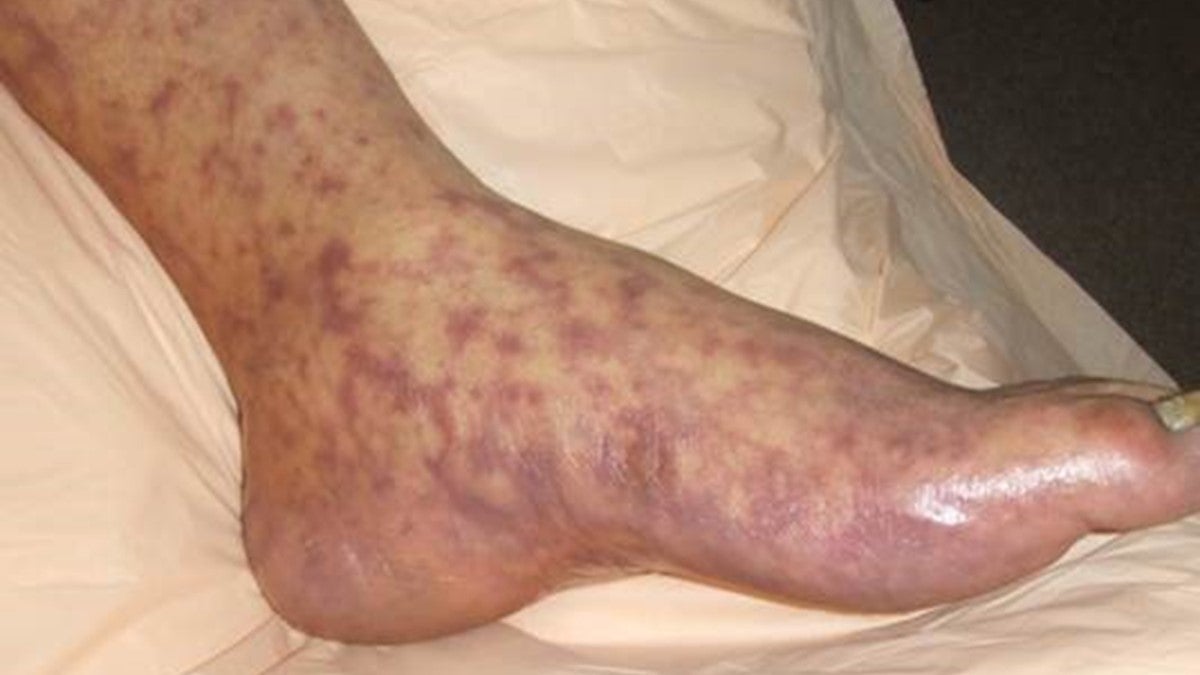
It’s also characterized by a red rash that can either appear as pinpoint dots or red splotches - but it often doesn’t appear until late in the illness. In some cases, patients may suffer permanent hearing loss, a mental disability and amputation.
While there is an antibiotic that prevents severe illness known as doxycycline, people can die if they do not receive the pill within eight days of infection, New York health officials say.
Doxycycline is also commonly used to treat Lyme disease.
A brain-swelling virus
Unfortunately, doxycycline is unable to treat Powassan virus, which kills one in 10 of the people who develop severe symptoms within 1-4 weeks of a bite, according to the New York-based Cary Institute of Ecosystem Studies.
“Half of those who survive a serious bout of the illness continue to experience the effects of the disease, such as loss of muscle mass and recurring headaches, for the rest of their lives,” the institute says.
Spread by blacklegged ticks throughout the Northeast and Great Lakes, there are no vaccines or medicines to prevent or treat the disease, the CDC notes.
Like Rocky Mountain Spotted Fever, symptoms include fever, headache and vomiting. But the virus can also lead to swelling around the brain and spinal cord. That can result in seizures, difficulty speaking, confusion and loss of coordination.
A threat to man’s best friend
The blacklegged and western blacklegged-spread tick illness anaplasmosis has symptoms that look similar to Powassan virus. Although, infections may lead to organ and respiratory failure.
People typically fall ill on the West Coast and throughout the East, with symptoms beginning 1-2 weeks after a bite.
But anaplasmosis can be treated with doxycycline, according to Dr. Marjorie Golden, an associate professor at the Yale School of Medicine. Patients can feel significantly better in as little as 24 hours.
The mortality rate is also a lot lower than Rocky Mountain Spotted Fever and Powassan virus. About 0.5 percent of those infected will die, according to the Cleveland Clinic.
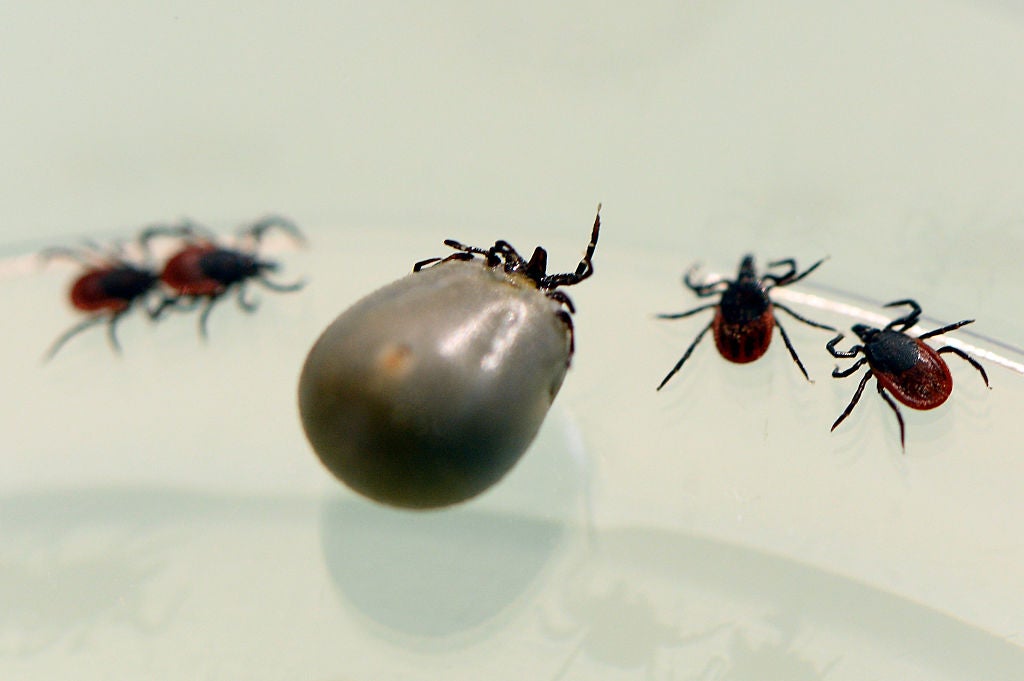
However, both anaplasmosis and Rocky Mountain Spotted Fever can spread to pets, and anaplasmosis is especially prevalent in dogs. Cases are expected to rise this year, the Companion Animal Parasite Council warns.
”Populations of [blacklegged ticks] are increasingly established farther south, west and north into previously uncolonized areas of Canada, exposing new human and animal populations to blacklegged tick-associated pathogens (agents of Lyme borreliosis, anaplasmosis, babesiosis, ehrlichiosis and Powassan virus fever),” the council forecast.
A danger during pregnancy
Babesiosis is another deadly blacklegged tick disease that researchers say has a death rate up to 9 percent for patients who were healthy and over 20 percent for those with compromised immune systems.
You can be exposed to babesiosis-carrying ticks in the Upper Midwest and Northeast, but there are also cases reported on the West Coast, according to the clinic.
Symptoms are similar to the other three illnesses, beginning after a few weeks to months.
But, babesiosis uniquely attacks blood cells. And you don’t need to be bitten to be infected, per the CDC. A mother may pass it to her baby during pregnancy or birth and it can also be spread in blood transfusions that have the tick in them.
Babesiosis can be treated with 7-10 days of two prescription antibiotics, including the preferred combination of the drugs atovaquone and azithromycin.
An easy way to stay safe
The best way to not get bitten is to avoid high-exposure areas, including the woods and grasslands. If you’re going hiking, make sure to wear fitted, long-sleeved clothing.
And, make sure to check your pets for ticks, Dr. Robert Smith, director of the vector-borne disease lab at the MaineHealth Institute for Research, advised Spectrum News.
“They’re a pretty good indicator - if you find ticks on your dog - that you’re going to be at risk, too, because they’ve probably been in the same areas that you have,” he said.
This vitamin may be the key to aging well
Hantavirus is giving me Covid flashbacks – so how worried should I be?
Lyme disease symptoms to watch for as ER visits for tick bites skyrocket
What is the ‘Reggio Emilia approach’ to parenting? Kate explores method on Italy trip
DLD: The under-recognised condition that affects 8% of children
I’m a psychiatrist. Here’s 6 signs you have political anxiety – and how to cope