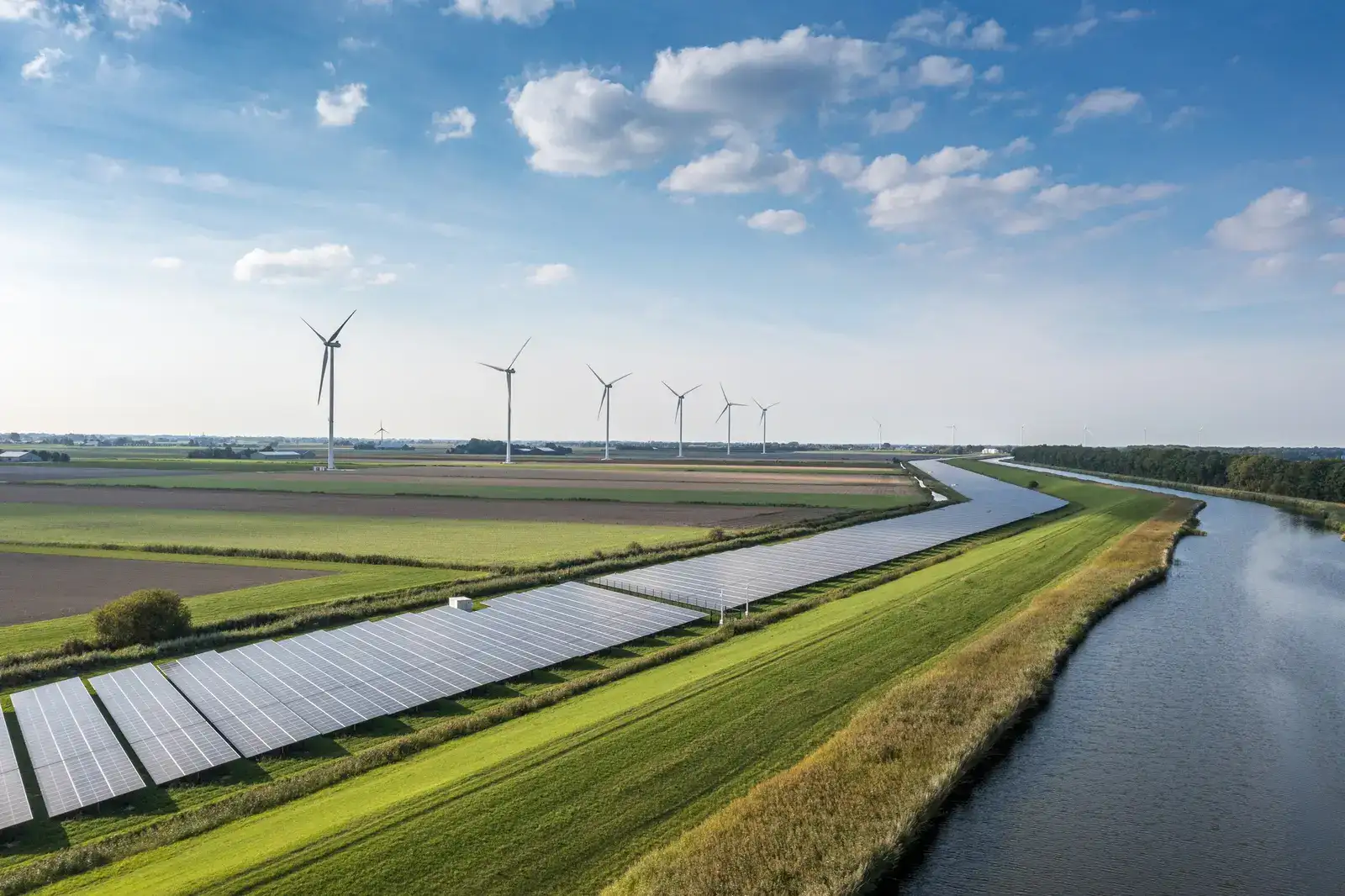
Last year was a major step forward in the clean energy revolution, with installations of renewable sources such as solar panels and wind turbines hitting record highs not only in the developed world, but in emerging economies too.
But then came the war in Iran, a global curve ball that’s bound to change our collective future in unpredictable ways. In the face of yet another energy crisis — just four years after the one sparked by Russia’s invasion of Ukraine — the question of whether clean energy’s upward trajectory will be among the disruptions is an urgent one.
While these types of shocks strengthen the case for renewables, which offer both secure supply and stable prices, they also tend to create fiscal conditions — rising inflation, higher interest rates, supply chain disruptions — that aren’t exactly conducive to the investment required to fund new clean energy projects.
So, which forces will win out? History can be instructive.
The two oil shocks of the 1970s, precipitated by the Yom Kippur war in 1973 and the Iranian Revolution in 1979, spurred the first push towards energy efficiency. The US, for example, introduced a national maximum speed limit and Americans lost their taste for huge gas-guzzlers. Other nations were spurred on to explore alternative domestic sources: Denmark decided to pursue wind power, while France constructed 50 nuclear reactors in a decade. Yes, the world remained hooked on hydrocarbons, but the crises started something important.
The 2022 price spike, caused by Russia’s invasion of Ukraine, may have been the first energy shock where the security benefits of renewables were truly appreciated. Countries took steps to double down on the transition, committing more funds to renewables and electrification — though it wasn’t all clear skies. High interest rates hit the wind sector particularly hard, leading to supply chain bottlenecks, cancelled projects and job cuts. But, as in the 70s, the ultimate result was progress.
Two reports published last week show that, before the war in Iran started, those seeds were starting to bloom. The International Energy Agency’s global energy review found that solar power was particularly strong — the energy sector’s largest single source of growth in 2025 — and that new renewable installations rose to a record capacity of 800 gigawatts.