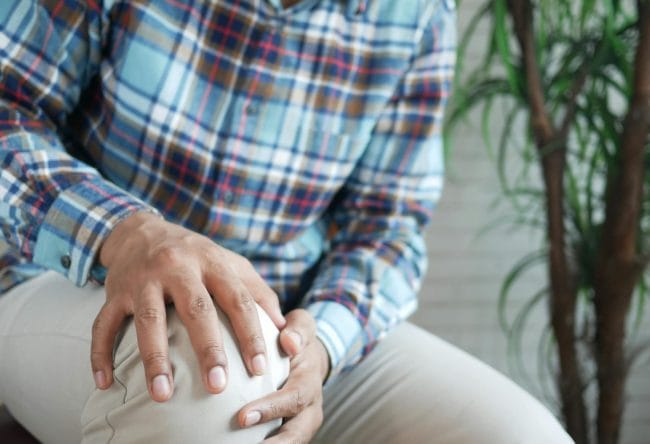
For millions of adults living with aching, stiff knees, the first instinct is often to reach for a pain pill. But new research suggests there may be a better path to relief that doesn’t start in the medicine cabinet. A recent analysis of knee osteoarthritis treatments found that knee bracing, hydrotherapy, and exercise can outperform some drug-based approaches for easing pain and improving mobility. That’s welcome news for people looking for safer, long-term ways to manage one of the world’s most common joint conditions.
Why Knee Braces Are Getting Fresh Attention From Researchers
A new review of 139 clinical trials involving more than 9,600 participants ranked knee bracing among the most effective interventions for knee arthritis pain symptoms, including pain and stiffness. Researchers compared common treatments ranging from ultrasound and insoles to exercise and hydrotherapy, and braces consistently stood out for short-term relief. Experts say certain braces work by shifting pressure away from the damaged part of the joint, which can reduce pain during walking or standing. That can be a game changer for someone who dreads climbing stairs or grocery shopping. However, specialists caution that braces are not one-size-fits-all, especially for people with arthritis affecting the entire knee joint.
Water Therapy Offers Low-Impact Relief for Painful Joints
Hydrotherapy, also known as water therapy, ranked near the top in the same research review, and the reasons are easy to understand. Water supports body weight, which means painful knees face less impact during movement. For someone who struggles to exercise on land, a warm therapy pool can make stretching, walking, or strengthening movements feel possible again. Physical therapists often recommend aquatic exercise for people who avoid activity because of fear of pain or falling. The gentle resistance of water can also help build muscle support around the knee without adding extra strain.
Exercise Remains One of the Strongest Tools Against Arthritis Pain
The idea that movement helps arthritis is not new, but newer research is sharpening the details. A large BMJ review examining more than 200 randomized trials found aerobic exercise performed especially well for reducing knee arthritis pain, improving function, and boosting quality of life. That doesn’t mean marathon training or punishing workouts. In many cases, brisk walking, cycling, swimming, or low-impact cardio can provide meaningful benefits when done consistently. Experts emphasize that exercise works best when tailored to a person’s fitness level, pain tolerance, and medical history.
Do These Treatments Really Beat Pain Medication?
Pain medications, including NSAIDs like ibuprofen, can help some people manage flare-ups, but they come with tradeoffs. Long-term or frequent use may increase the risk of stomach problems, ulcers, kidney issues, or cardiovascular concerns in some adults. Non-drug approaches like knee bracing, hydrotherapy, and exercise target how the joint functions rather than simply dulling pain signals. Think of it this way: a brace may redistribute stress on the knee, while exercise strengthens muscles that stabilize the joint. That practical, functional support is one reason many clinicians now encourage lifestyle-based arthritis care alongside medical treatment when appropriate.
Common Misconceptions That Keep People From Trying These Options
One of the biggest myths about arthritis is that painful knees should be rested as much as possible. In reality, too little movement can weaken muscles and reduce joint flexibility, which may worsen symptoms over time. Another misconception is that exercise must hurt to help. Experts repeatedly stress that smart, gradual movement is the goal, not pushing through severe pain. Even small changes, like using a brace during longer walks or attending a twice-weekly water exercise class, can make daily life feel more manageable.
Relief May Start With Movement, Not Medication
This growing body of research doesn’t mean pain medications no longer have a role in arthritis care. But it does reinforce a powerful message: non-drug strategies can deliver meaningful relief and may help people stay active, independent, and engaged in daily life. Whether it’s trying a properly fitted knee brace, joining a water therapy program, or committing to regular low-impact exercise, small steps can add up to major improvements. If knee pain has been controlling your routine, it may be worth discussing these evidence-backed options with a healthcare professional.
Would you try a knee brace, water therapy, or exercise before reaching for pain medication? Have you found a non-drug approach that helped with knee arthritis pain? Share your experience or thoughts in the comments below — your story could help someone else make a more informed decision.
What to Read Next
Walking Beats Weightlifting for Knee Arthritis: Aerobic Exercise Provides the Best Pain Relief
5 Ways to Manage Arthritis Pain Without Heavy Medication
What Arthritis Taught Me About Slowing Down and Listening to My Body
The post Forget Pain Pills: Knee Bracing, Water Therapy and Exercise Beat Drugs for Arthritis Pain, New Study Finds appeared first on Budget and the Bees.