
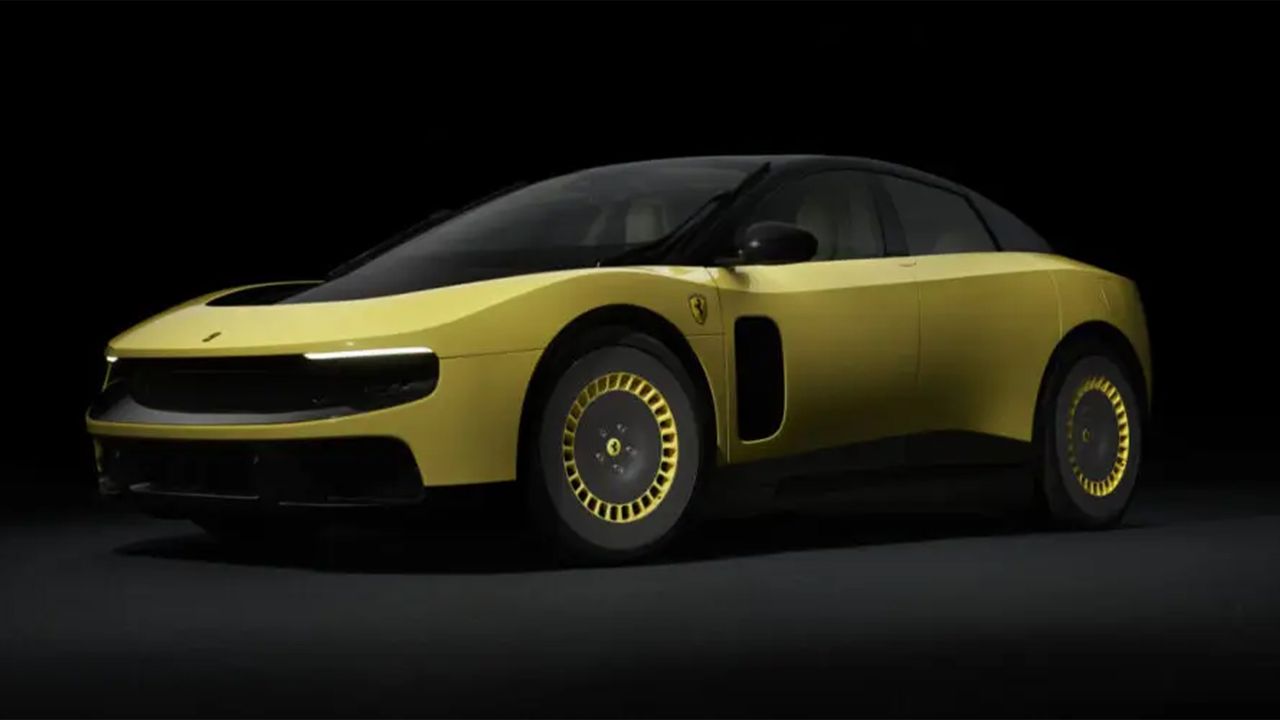
Just when we thought we'd finally finished banging on about Jaguar's controversial 2024 rebrand, along comes Ferrari with its own strikingly similar design controversy. Less than two years later, another luxury car brand has found itself facing the exact same dilemma: how do you modernise an iconic heritage brand without alienating the audience that made it successful in the first place?
While the specifics might differ (Jaguar faced criticism for its entire brand identity while the Ferrari furore surrounds a single model, the newly revealed Luce), both point to a deeper crisis affecting heritage car brands as they navigate the transition to an electric future.
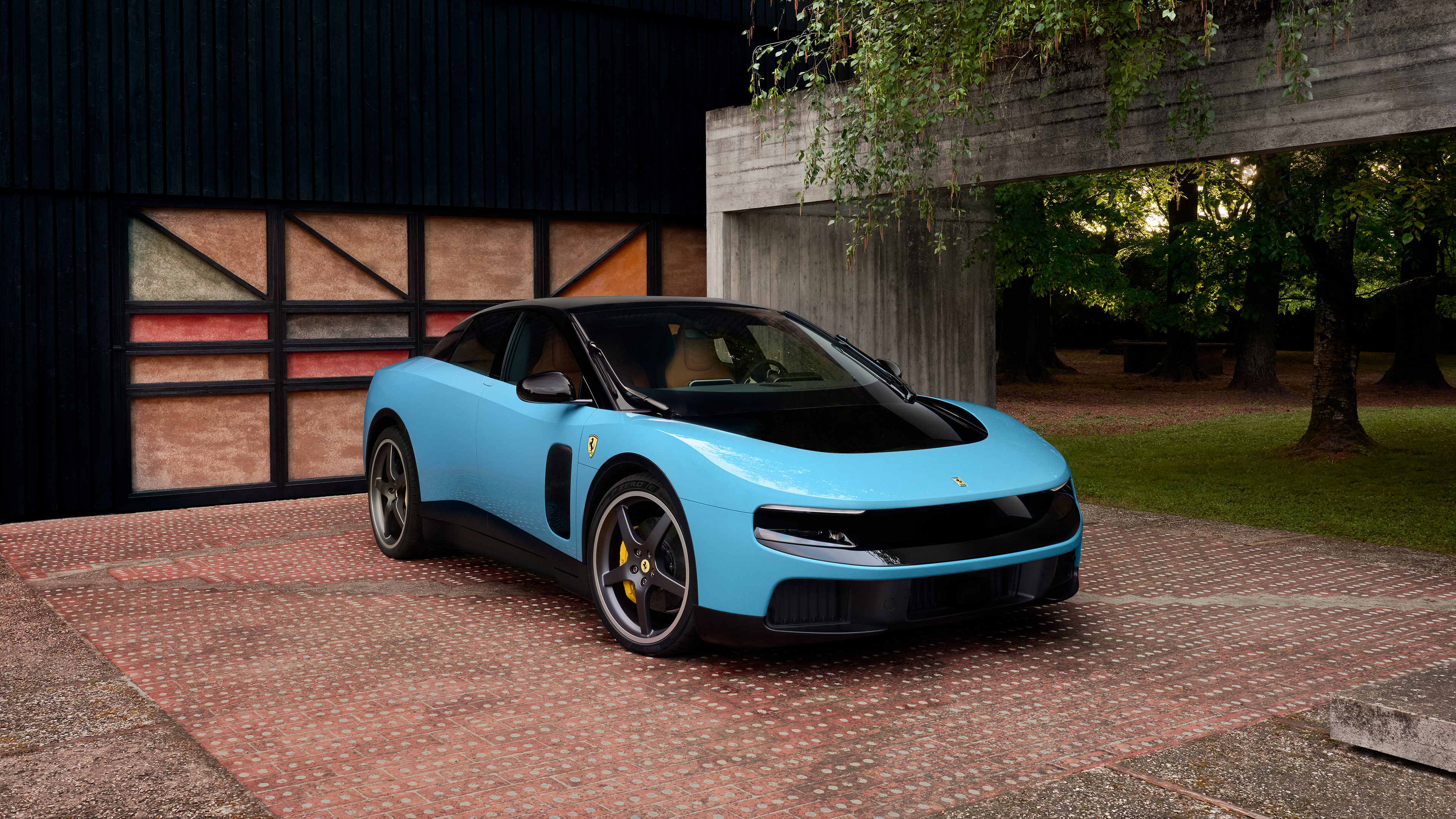
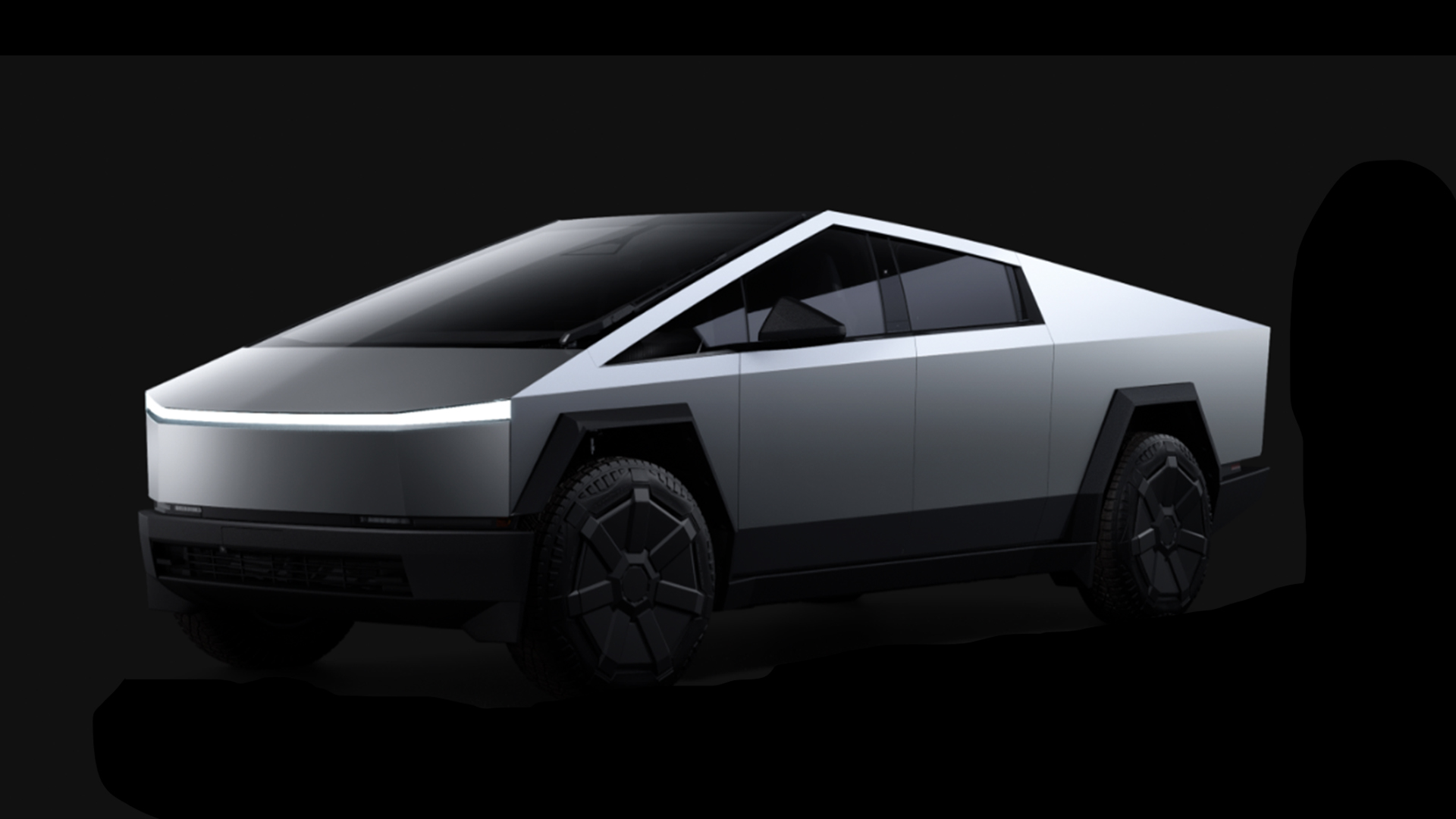
The Jony 'Apple' Ive-designed Ferrari Luce is the latest in a line of EVs to face fierce design criticism, after the Jaguar Type 00 and, of course, the Tesla Cybertruck. Traditionalists are furious that it has broken with decades of Ferrari design tradition by doing away with the low-slung look in favour of something altogether more saloon, complete with five seats. Gone are the spidery spoilers and fins you'd associate with Ferrari, replaced by a minimal, one might say 'bubbly' look.
Bubbly is a word one might also chuck at Jaguar's new look, with its pastel colours, rounded wordmark and the overt curves of the Type 00. But if such a look has proven to be such backlash fodder, why does it keep happening?
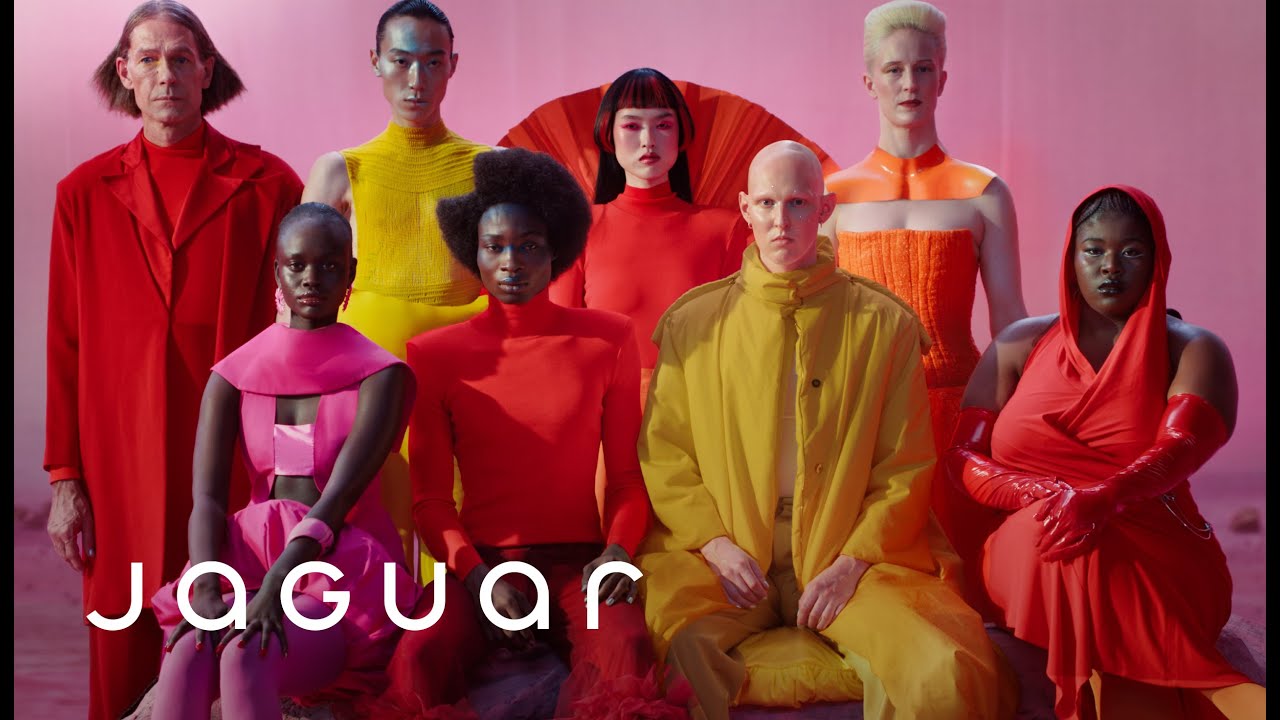
When it comes to the cars themselves, the advent of EVs has brought both opportunity and challenges for brands. For decades, luxury car design was all about engineering feats and constraints. Each brands' unique proportions and grilles represented the architecture beneath the bodywork. Without the need for large engines and complex cooling systems, car designers suddenly have more freedom.
Which is, arguably, both blessing and curse. Brands like Jaguar and Ferrari are being forced to redefine themselves at a moment when the question of what a luxury car looks like is no longer obvious. In the race to appear futuristic, and to differentiate themselves from the competition, classic car brands risk forgetting the visual cues that customers actually value. Wouldn't fans prefer an electric Ferrari that looks like a Ferrari?
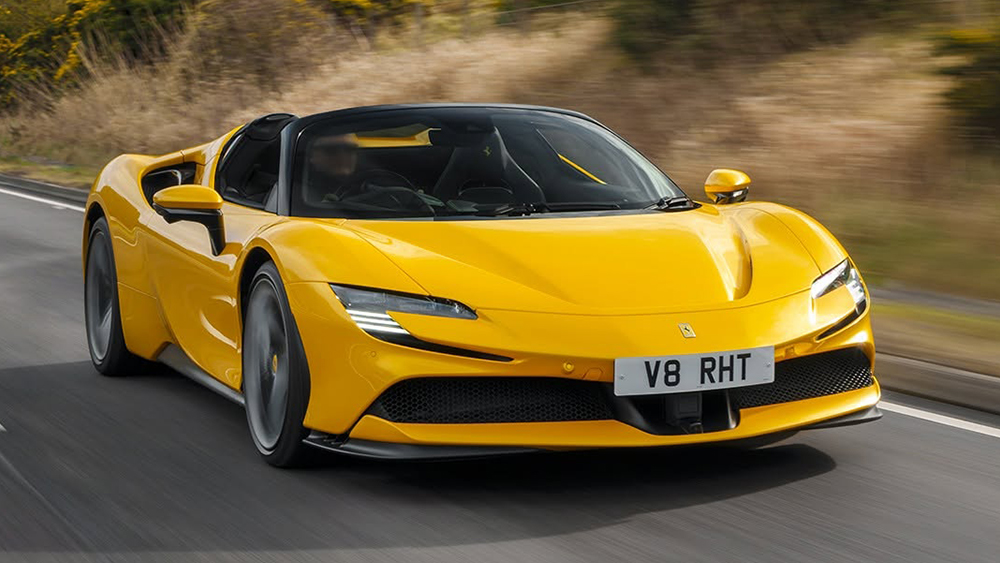
And as if that wasn't enough, manufacturers are also facing a branding conundrum. Luxury brands know they need to target younger buyers. From a brand design perspective, this often translates to disruptive design, whether it's contemporary minimalism or bold maximalism. But while this might work for a digital start-up, it isn't quite so easy to swallow when it comes to a brand with decades of design heritage.
When Jaguar abandoned many of its traditional visual signifiers, critics (plus Elon Musk) argued it had sacrificed too much heritage in pursuit of contemporary relevance. Ferrari's recent design decisions have prompted similar concerns. Social media has, of course, amplified the problem. Rebrands and design tweaks are subject to strong and immediate judgement – often too immediate.
The irony is that neither Jaguar nor Ferrari is wrong to evolve. But both cases demonstrate the delicate balancing act facing luxury brands today.