The warmer weather lately has made me appreciate the roses and other early summer flowers coming into bloom outside — and, of course, puzzle over problem areas of my backyard.
If you're also frustrated by gaps in your borders, interested in growing some veggies, thinking about buying a robot lawn mower, or want tips in tackling garden pests or other problems, then ask our experts for their advice. The live Q&A is running now, Wednesday 20 May between 7am and 12pm (US Eastern Time).
Answering your questions we have Camilla Sharman, our homes and gardens writer and gardening aficionado; Cynthia Lawrence, our Homes editor; and Jonathan Davis, lawn care expert at Lawnsmith. Between them and their years of experience, I'm confident there's nothing they can't answer.
Ask a question with or without photos
It's easy to join in; just type your question into the 'Live Q&A' box below and we'll reply as soon as we can. You should get a notification when we do so, but it's also worth checking back to see what other people are asking as you'll likely pick up some useful tips to try in your own yard!
Dos and don'ts
Do
- Keep questions on the topic of gardening and lawn care
- Join in the conversation and be friendly to others
Don't
- Post anything that will be offensive or go against our community guidelines
You can even submit a photo with your question, to help our experts and other readers to understand what you'd like help with. To do so, upload your photo and question together in the Comments section at the bottom of this page (the Live Q&A module can't handle photos yet, sadly).
On that note, when the Live Q&A launches, feel free to chime in if you've found a hack that could solve someone else's problem. We can't get enough of supportive contributions from our community.
Memorial weekend yard improvements, anyone?
Hello everyone, Ella here, engagement editor at Tom's Guide and massive gardening geek! In case you missed our announcement article earlier in the week, today we're running this session to help you with your lawn and gardening questions.
If you're planning a Memorial Day barbecue and want to spruce up your outdoor space, looking to emulate your favorite aspects of of the Chelsea Flower Show gardens, or wondering how to look after your lawn in the heat, then ask our experts. The lines are now open, so fire away!
Are cheap robot lawn mowers worthwhile?
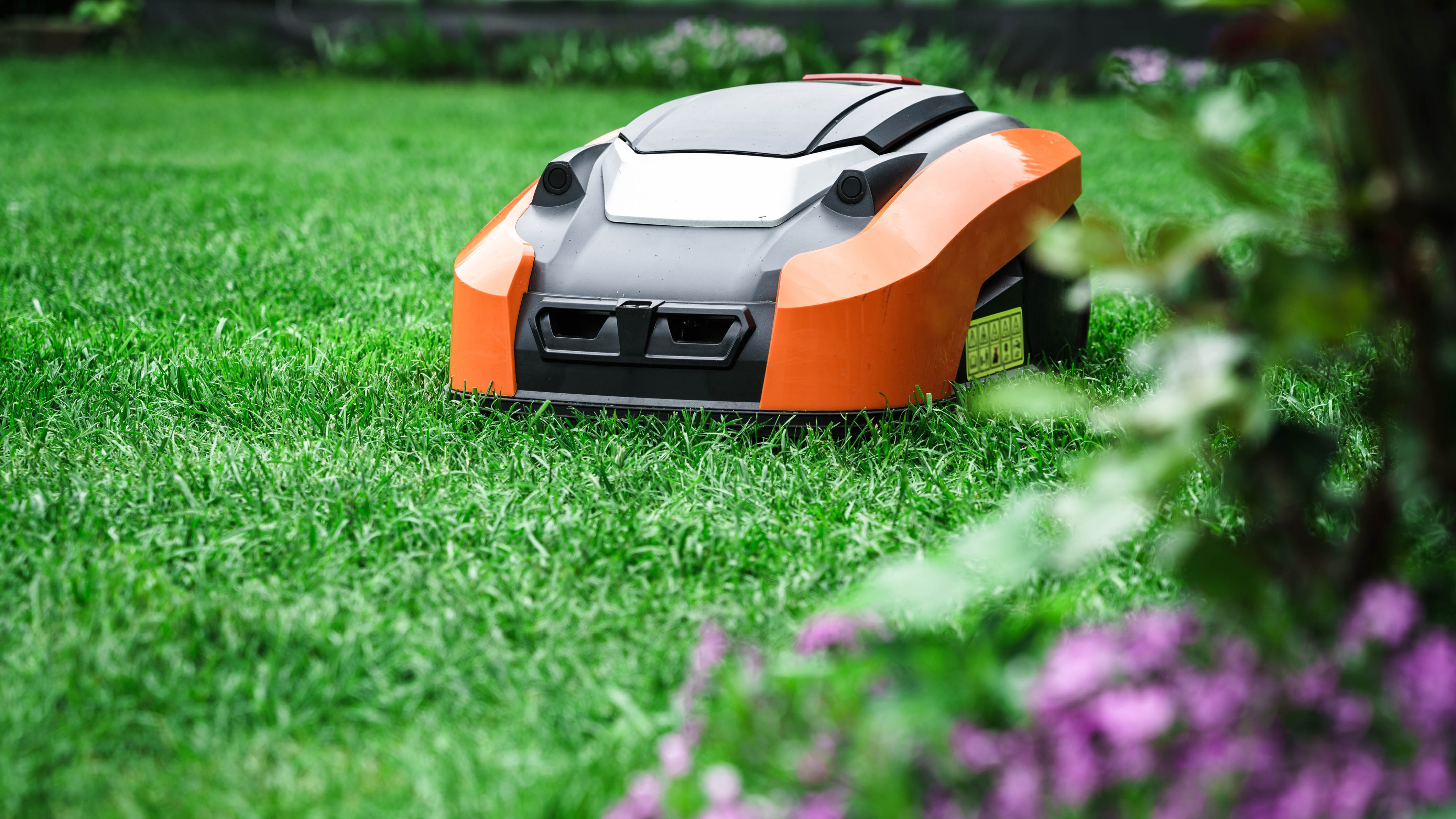
Reader Mary Smyth1 was the first to ask a question, almost as soon as we posted our announcement about this event! She asked, "I'm seeing lots of robot lawn mowers pop up at stores like Lidl and Aldi - are there any under 500 that are worth buying or do you recommend sticking with a manual one?"
Jonathan Davis, lawn care expert at Lawnsmith, gave us this answer for Mary:
There is something genuinely satisfying about a manual mower. Doing the lawn yourself and standing back to see those neat stripes and a job clearly done is a nice feeling, and for some people, that little bit of effort is half the point of having a lawn. So, if you enjoy it, there is no rush to give it up.
That said, a robot mower is worth it if you ask me. They cut just a little bit each day, which keeps the lawn at a steady length and helps the grass fill in thicker over time. Even the basic ones from places like Lidl or Aldi manage that fine, without turning the whole thing into some big project.
You do still have to lay the boundary wire around the edges first, though, and that takes an hour or two of fiddly work to get right. It is worth checking the height settings too, so you can let it run a bit higher in summer when the grass prefers being left longer.
Weeds stay a bit tricky, since the clippings just sit there rather than getting collected. Running the mower every day cuts most of the heads off before they spread, and pulling out an old mower with the box on for a week or so helps catch the rest. That part tends to get overlooked at first, but it makes a real difference.
So, under £500, I would say go for it, especially if mowing is not a job you love. You might even keep the old manual one for those times you fancy doing it yourself.
In a pickle with your pear tree?
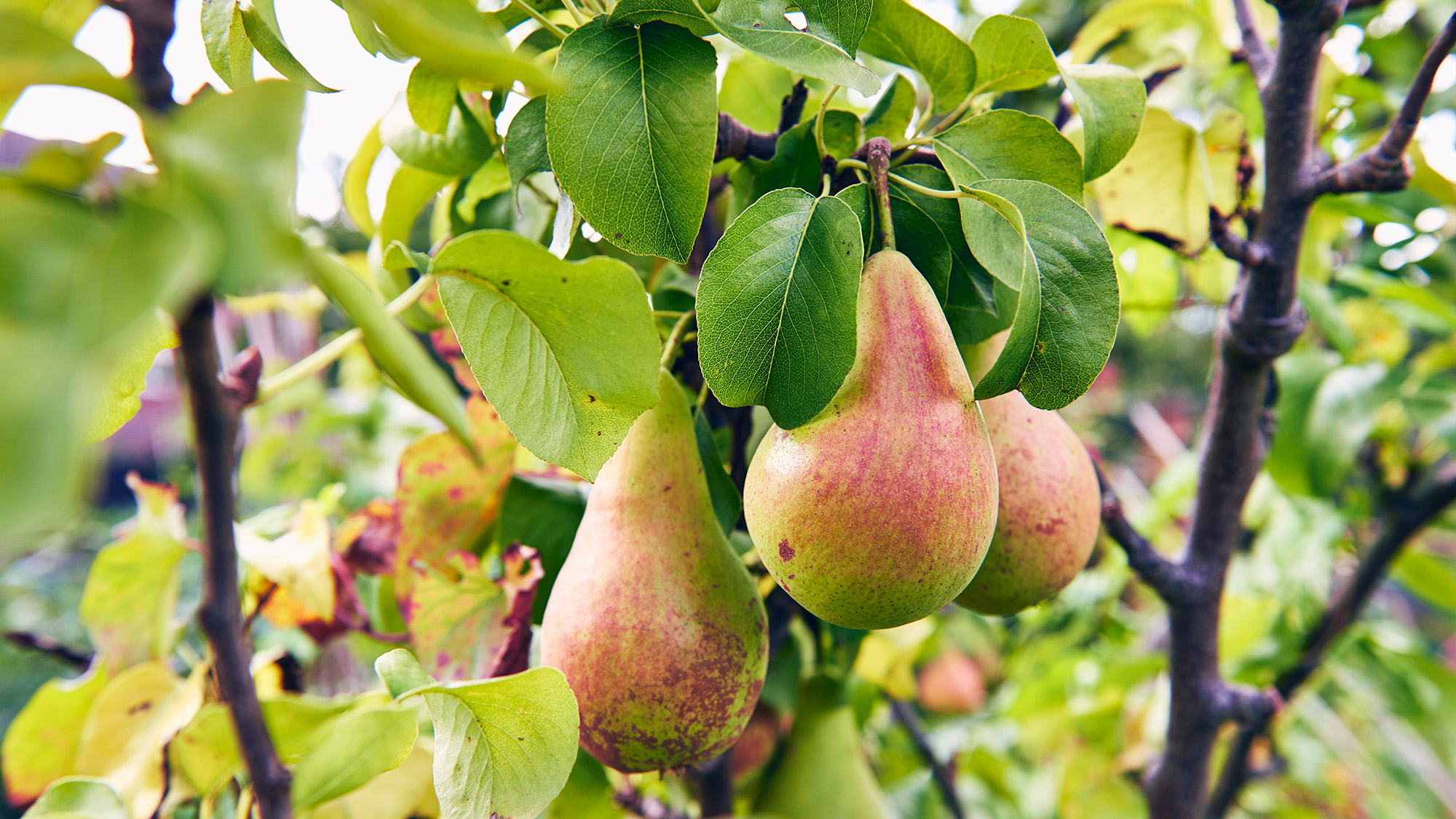
Reader Ash Star asked this question, "Any tips on keeping pear rust at bay? Its ruined my tree for the last few years."
To which our homes and gardens writer and gardening aficionado Camilla Sharman replied:
It can be a worry when you spot pear rust on the leaves of your tree. It appears as orange spots on the upper leaf surface and forms bulky growth on the underside, and it's caused by fungus.
For the fungus to complete its life cycle, it needs both a pear and juniper tree, as the juniper harbors the fungus in winter and it moves over to the pear in spring. Do you have a juniper close by in your yard?
If you plan to eat the fruit — and frankly, I'm sure you do — it's not recommended that you use a fungicide on your tree. Instead, prune out the affected material. However, to stop the fungus spreading, don’t compost the material.
The other option is to remove the nearby juniper (if this applies to you).
My turn to get my narrow garden's problem pathway solved!
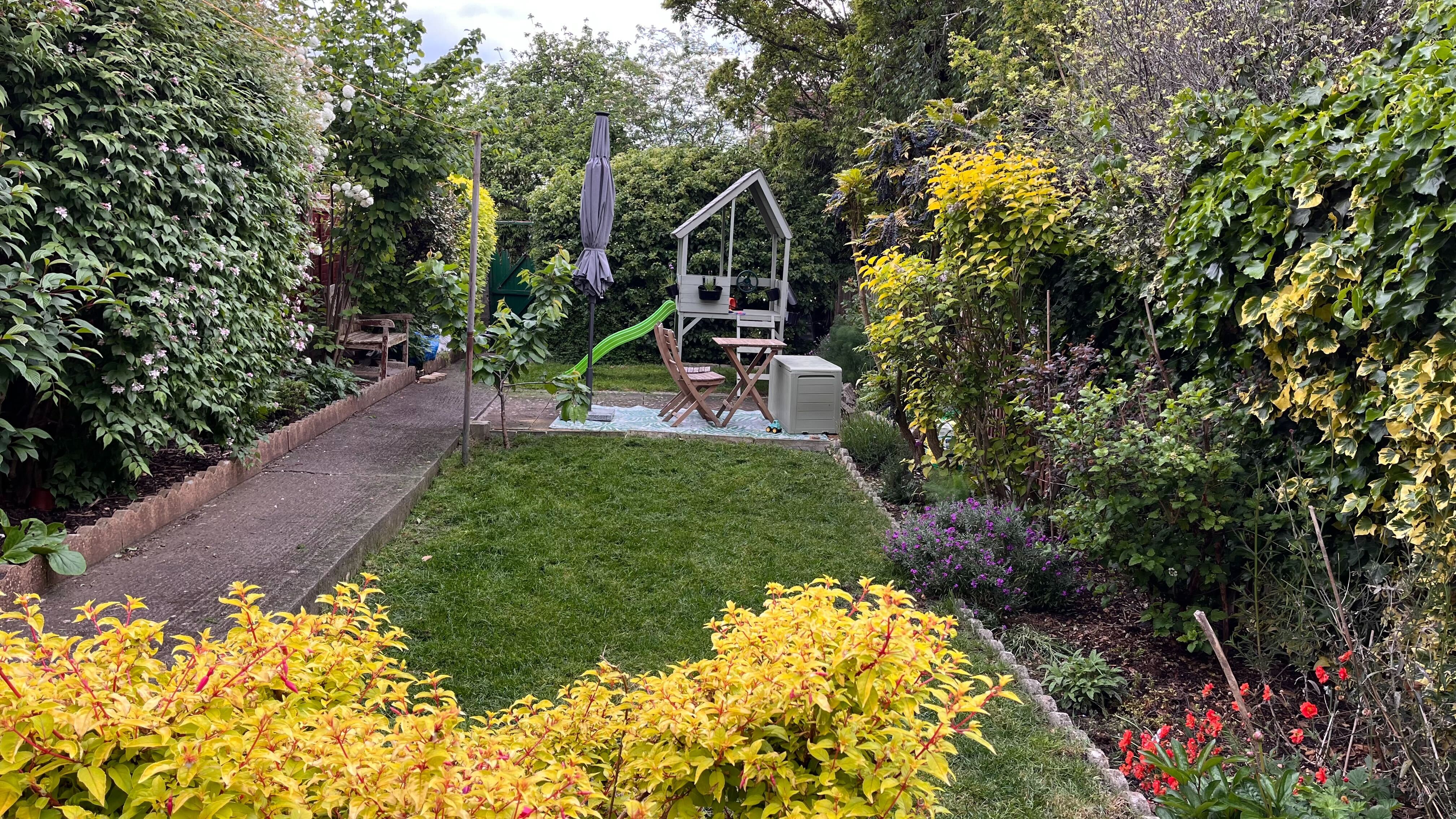
Ella again here! The above photo of my garden shows my problem: I'm in the middle of renovating my 1930s home and can't wait to tackle the garden once the builders are done. I have a long and narrow garden in Bristol, South-West England, which is on a steep hill. There's an old concrete path running down one side, and because the plot is on a hill, the path is raised at the point nearest the house.
It feels unsafe for my kids to ride bikes down as it's fairly narrow and raised about a foot off the height of the lawn at its highest point. I also hate how it makes our narrow garden feel even narrower (admittedly the relatively wide borders don't help with that either!)
My question for the experts is if and how I should remove the path, to replace it with a more naturalistic walkway — or if it would be better to build up the height of my lawn to make it safer and hopefully blend it in a bit, visually?
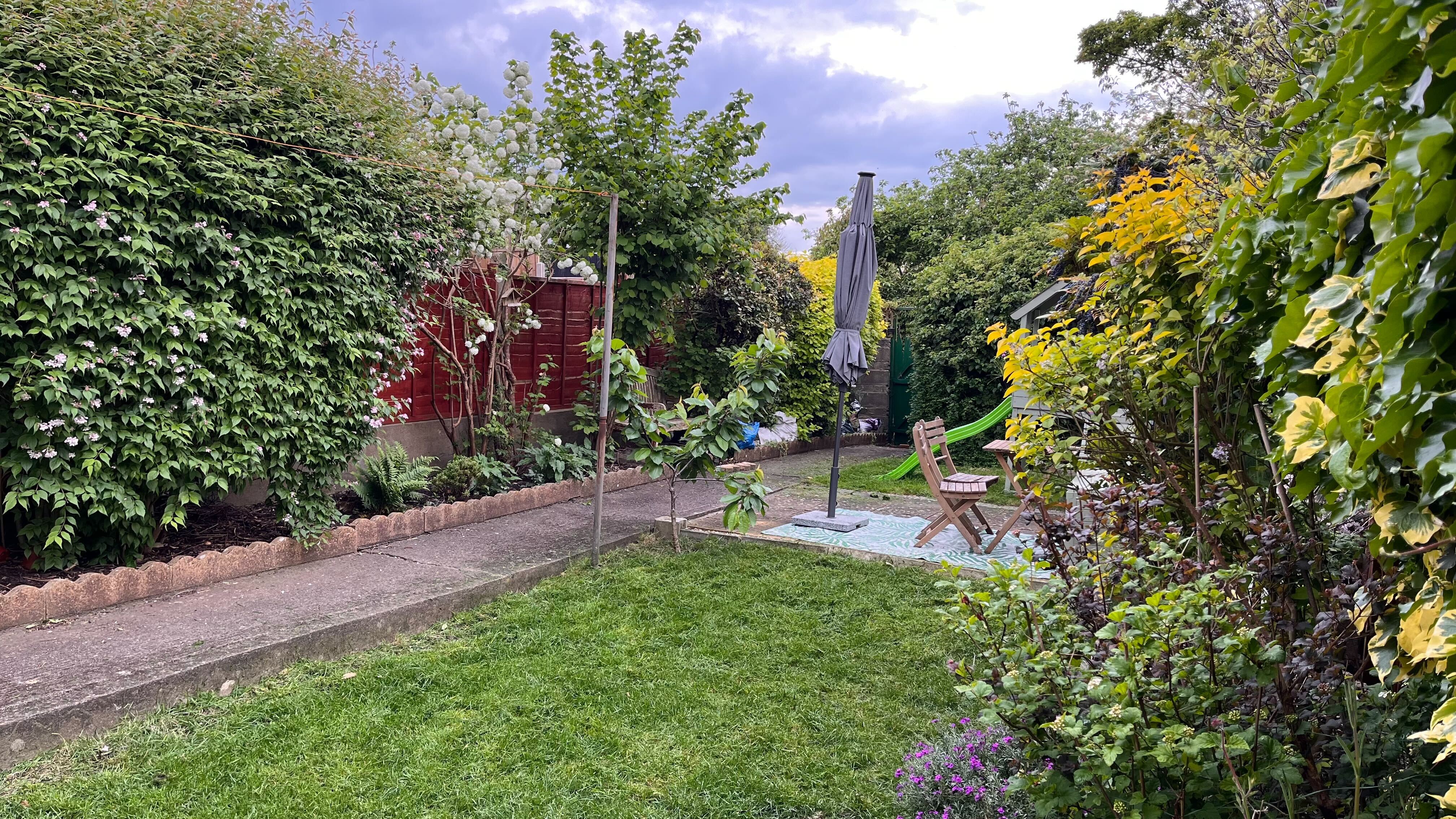
Homes writer Camilla answered: I'd like to suggest removing your border shrubs and replacing them with a climbing plant, like clematis, to help widen your space.
Lawnsmith expert Jonathan Davis advised:
There is no single right answer here, so it is about weighing up how much work, money and space you want to put in. A few options to think through.
The least disruptive route is to build topsoil up to the path so the drop closes. You bring soil up to the gap, level it off, and let it settle naturally over the next year or two. It is the cheapest and easiest in the short term, but bear in mind it does not change the look much, the concrete path stays, and on a slope, the new soil can settle unevenly, so it may need topping up before it really beds in.
The bigger job is to remove the path altogether and lower it down, so a new walkway sits flush with the lawn. That deals with the drop properly and lets you swap the grey concrete for something softer like informal paving or bound gravel, which suits a long, thin garden far better. The trade-off is labour and cost, since breaking out and relaying a path is a proper project rather than a weekend.
It is worth thinking about the borders too, not just the path. You have already spotted that they are eating into the width, and pulling them back a little, perhaps a foot or so each side, would give you back some usable space and ease that narrow feeling. The thing to weigh up is how much you can afford to remove without losing the look and feel of the borders.
So, it comes down to your priorities. If quick and cheap matters most, build up to the path and accept that the look stays similar. If you want the garden to genuinely feel different, removing the path and trimming the borders together, while the builders are already in, gets you the biggest change for the most effort.
We really do love hearing from you ♥️
By the way, we were inspired to run today's event thanks to you, amazing Tom's Guide readers. You consistently show up to vote in polls like the one above, to leave us comments on gardening articles asking for more information or letting us know that you tried one of our hacks, and it really does brighten up our days.
But more than that, it helps us to understand your interests and challenges at a personal level, and to respond with helpful articles.
For example, the poll above revealed to us that almost 1,500 of you (at the time of writing) have problems with squirrels in your garden, so our shopping team put together this roundup of 9 products to deter squirrels from your garden. Personally, I'm on team slugs as my greatest enemy.
Today's event has a similar philosophy, but at a much more personal level, as we're diving in with answers to your individual scenario.
So please do keep the questions coming, with or without photos, and as much information to help our experts as you can give please!
If you've never left a comment on our site before then you may need to sign up to post your first question. It's free to sign up and will unlock a host of other Tom's Club member benefits, such as exclusive rewards and savings, the ability to earn badges and enter giveaways, join in with popular conversations and all Live Q&As, and reveal hints for our quizzes and puzzles.
Feeling inspired by the Chelsea Flower Show?

In case you missed it, it's Chelsea Flower Show week in London, and King Charles, Queen Camilla, and Sir David Beckham are among the guests this year. The King and Sir David even collaborated on making a show garden.
You may not have the space or inclination to host a giant hand-carved Mother Nature sculpture in your backyard (maybe one day, hey)! But has anything else caught your eye and got you feeling inspired to recreate a bit of the world's greatest flower show back home? One thing that's really caught my eye is the trend for gentle, trickling pools and water features as calming spaces, which I'd love to incorporate in my space somewhere.

Astroturf, be gone!
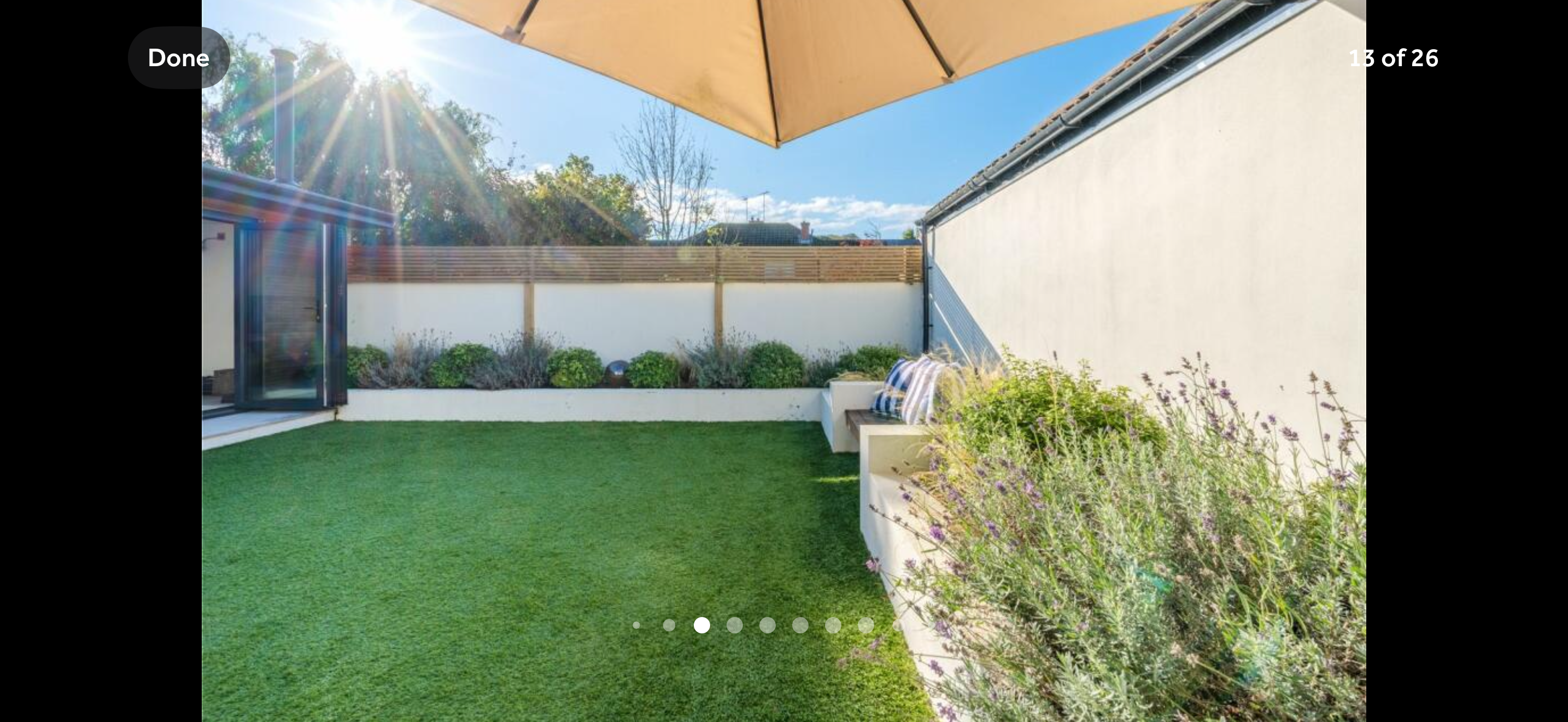
Kate asked, "How can I turn my small, south- facing walled garden into a fragrant and colourful haven with fruits and flowers? I’m moving to this house soon and wondering what to plant when I remove the plastic grass."
To which garden writer Camilla answered:
Wow! I have garden envy. A south-facing walled garden means you have lots of options. Firstly, I’m glad you are going to rip up the artificial grass; you’ll instantly increase biodiversity in your garden and improve drainage.
For a small garden, I would recommend growing climbers to add vertical interest without taking up much space. Honeysuckle, climbing roses and Star jasmine are all great plants to grow, adding color and fragrance to your garden. For an easy climber, I’d recommend Clematis Montana.
Lavender is another favorite with a beautiful aroma that loves a dry, sunny spot — it’s perfect in a bed, as a hedge or in a container. Another option for containers and hanging baskets is scented geraniums, which also add a bright pop of color if you choose red or pink blooms. Herbs are another good option, for both their culinary use and aromatic scent. I’m a keen fan of thyme, which I plant in the ground and containers. It really depends on your preference; a curry plant or rosemary are other options to consider.
If you have a small garden, you might be restricted in what fruit you can go, but you can find dwarf versions of apple and pear trees. You can also grow soft fruits, such as strawberries. For something more exotic, I have a fig tree in a container, but I’m still working on a decent fruit to eat.
Kate replied, "What a great reply, thanks so much. I am taking my potted blueberry bushes with me to this garden. I love your suggestions for climbing plants. A fig tree is a good idea. Herbs, definitely work for me, too. Thyme tumbling over the walls of the raised beds could be pretty. Thank you for all your ideas."
How to save a 'leggy' clematis
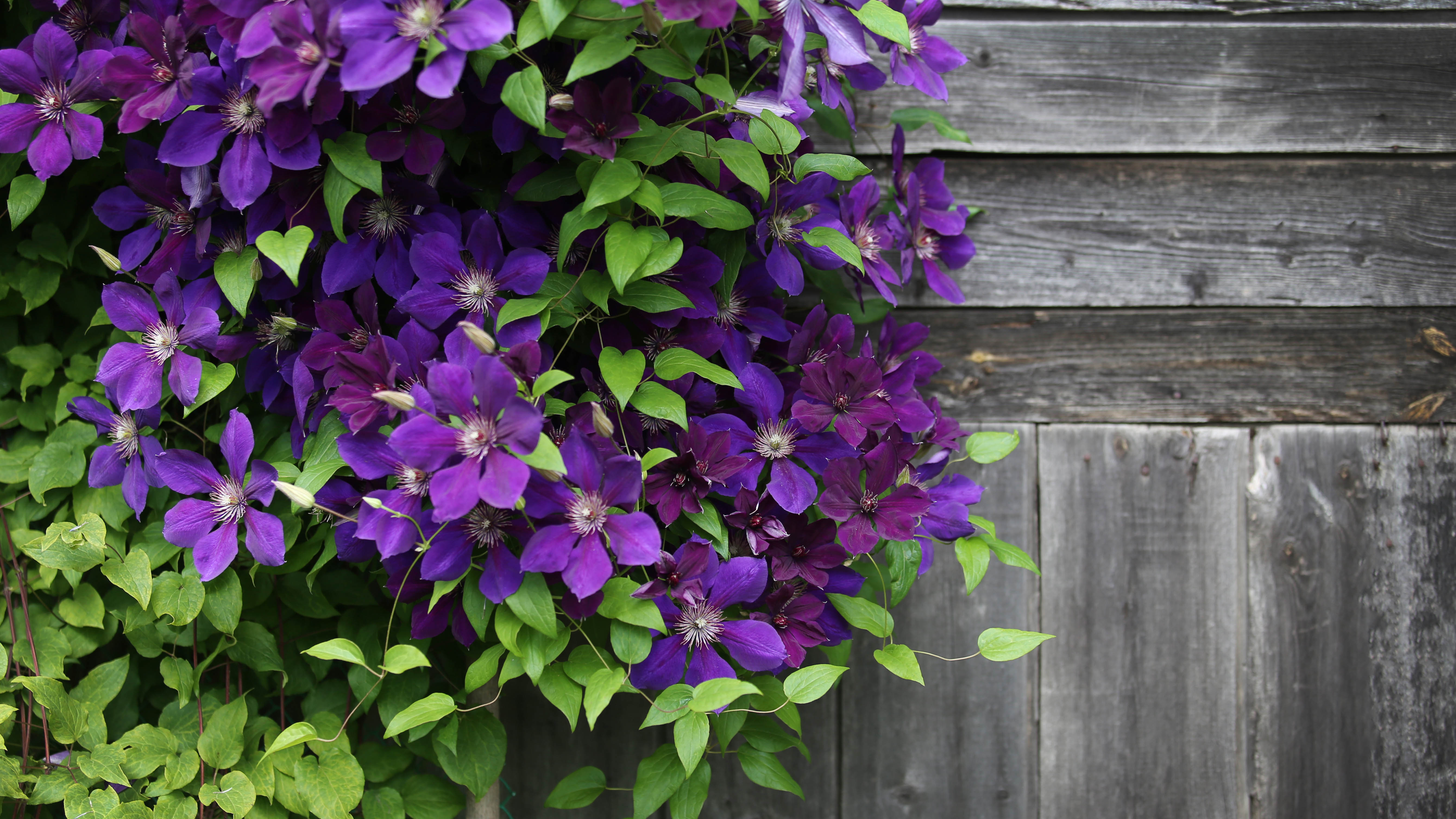
Next up, reader jemmajmartin asked, "I have a very large clematis in my garden that has been there for 20 years or more. We have neglected it a bit and it's become woody. When and how can I cut it back?"
And our garden writer Camilla was quick to answer:
It’s well worth taking care of your clematis, as you’ll be able to enjoy an abundance of blooms. However, they can become messy and unruly if they are not pruned, just as you've experienced.
Before you get started, ensure you have a clean, sharp pair of pruning shears; they’ll help you make a clean cut without infecting the plant.
However, pruning clematis is not straightforward as there are three types, and they need pruning at different times:
Type 1: These are early-flowering climbers that bloom in late winter and early spring on last year’s growth. You can prune them back after they finish flowering.
Type 2: These are large-flowered show-stopping hybrids that flower in spring and summer on last year’s growth. This type is best pruned in late winter or early spring, so it’s not a good time right now.
Type 3: These produce flowers on the current growth and flower later than the first two types, blooming in mid-to-late summer. They are the easiest to prune, and should be cut right back to 12 to 18 inches above the soil. However, you’ll need to wait until late winter or early spring before doing so.
I love your question Jemma, and we'll be following up with a feature on how to prune clematis very shortly.
Grass alternatives?
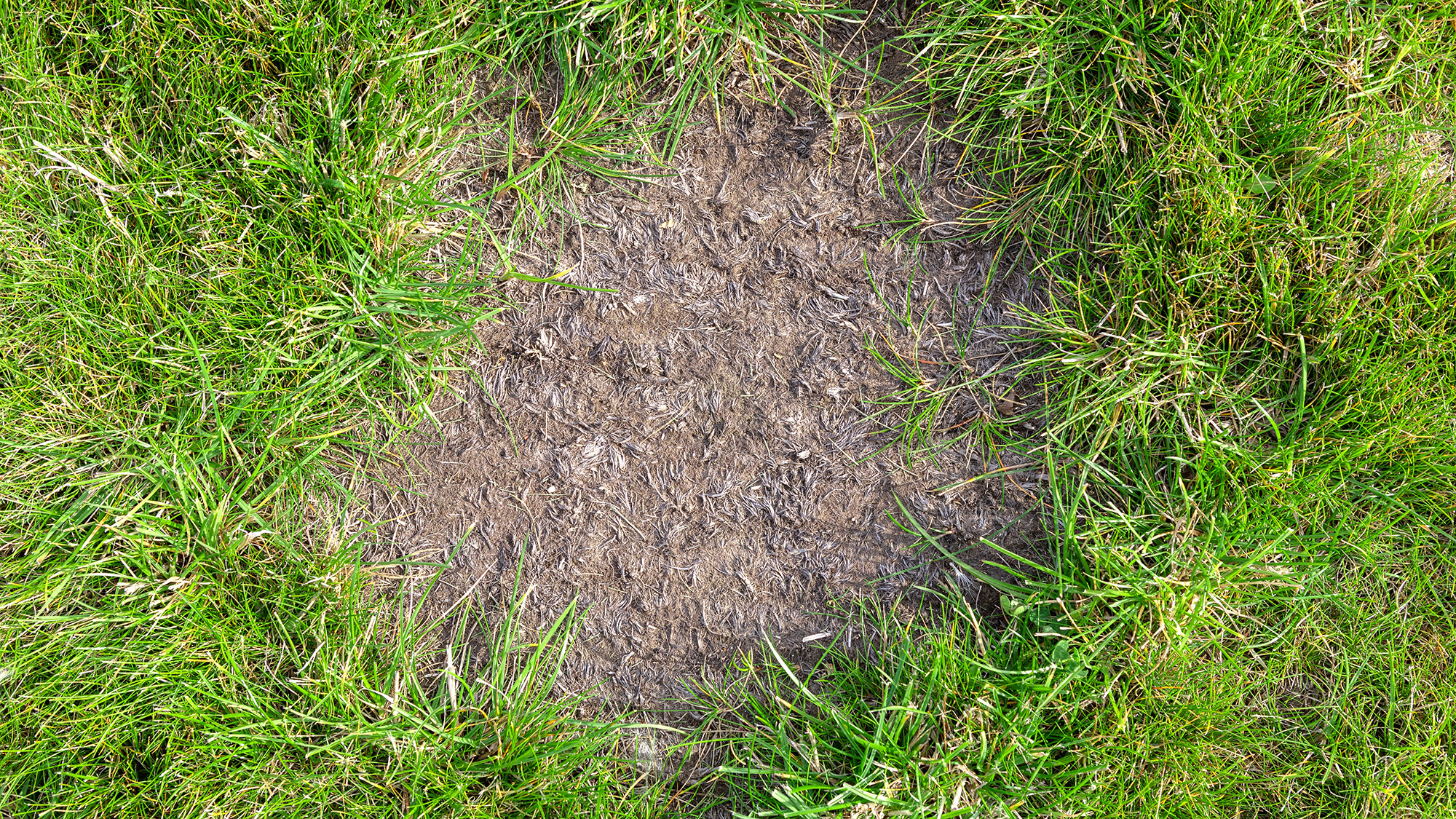
amsipams asked, "We have a peat-based soil, we are south west facing so get plenty of sun, but the garden still seems to be damp and patchy most of the year, we cannot install a soak away or drainage, is there an alternative to grass that we could use as a ground cover that would be more successful?"
So of course we put the question to lawn professional Jonathan, who said:
"Clover would be my first suggestion for ground like yours. Peat-based soil holds onto a lot of moisture, and even with a sunny aspect, grass really struggles where the ground stays damp and cannot drain freely. It is one of the main reasons lawns go patchy, the grass just cannot get the conditions it needs at the roots.
A clover or micro clover lawn copes with those conditions far better. It stays green through damp spells, fixes its own nitrogen so you are not constantly feeding it, and gives you that low, even ground cover you are after without the bare patches. It also holds up well to foot traffic and tends to stay greener through dry summer spells than a standard lawn, since it roots deeper. Micro clover blends in particular look closest to a traditional lawn if that is the finish you want.
One thing to be aware of, clover does flower, which brings in bees, so it is something to think about if you have little ones running around barefoot. Regular mowing keeps the flowers down, but it is worth weighing up before you sow."
Camilla added: I've recently written about alternatives to traditional lawns, including 'lazy lawns', and clover makes a perfect choice.
...Or do you want more grass?
Lawns are emerging as a popular theme today! In contrast to amsipams' previous question about alternatives to grass, mwray59 asked, "How do I get rid of white clover that has taken over my lawn without harmful chemicals?"
To which Jonathan Davis at Lawnsmith has answered:
The good news is you can knock clover back without any chemicals; it just takes a change in how you look after the lawn.
Clover takes over when the grass around it is weak, and that almost always comes down to low nitrogen in the soil. Clover thrives in those conditions because it makes its own nitrogen, while the grass cannot.
So the single most effective thing you can do is feed the lawn properly with a nitrogen-rich lawn feed through spring and summer. As the grass picks up and thickens, it starts to crowd the clover out naturally, which is really the only long-term fix.
Fruit tree problems
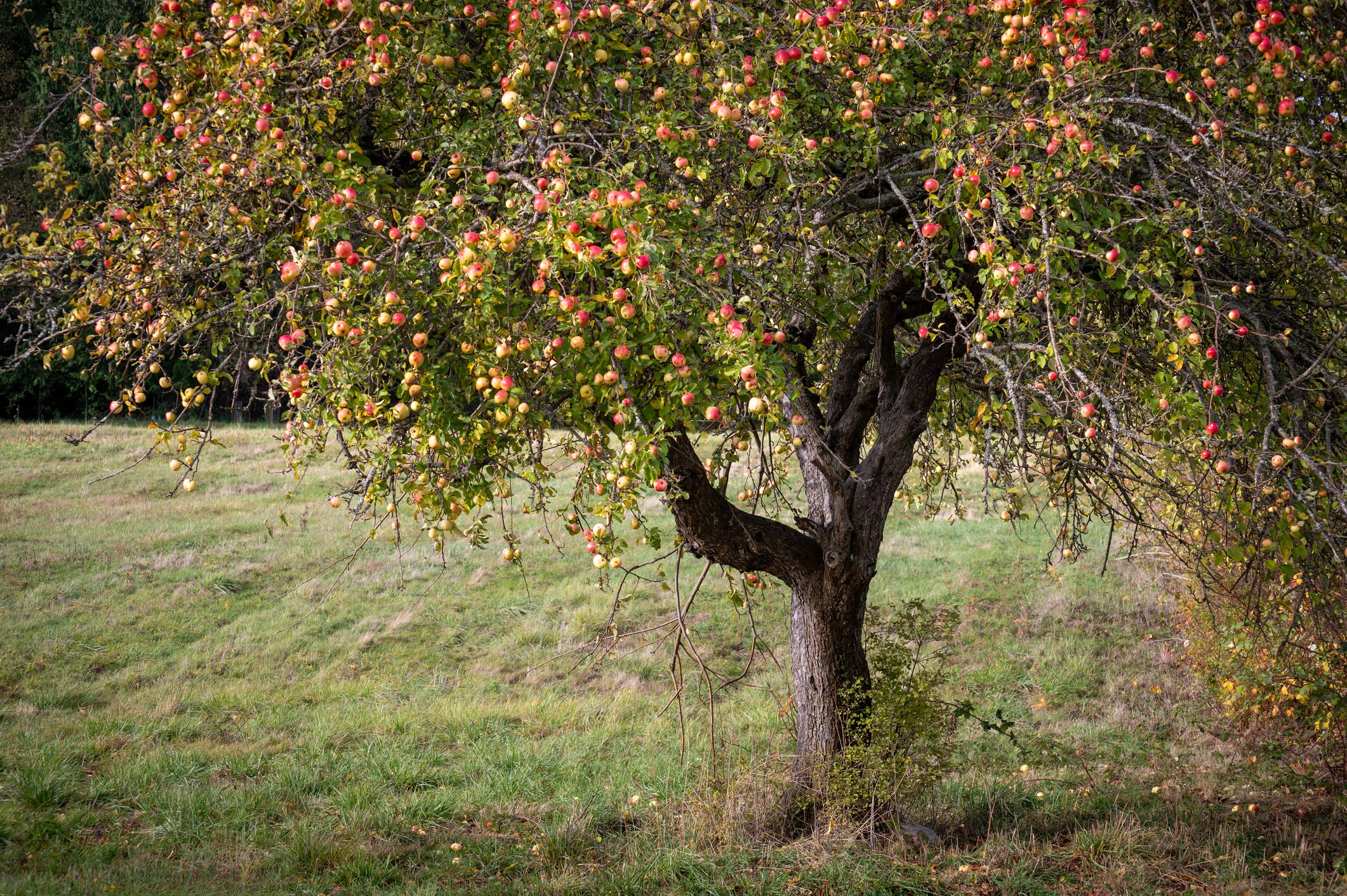
Reader mwray59 has asked a second question, this time about their fruit tree: "I also have an apple tree that never leaved out or bloomed this year. The branches are still pliable. I don't know if it's dead or what."
Camilla offers this advice:
It’s good to know that the branches of your apple tree are still pliable. This is a sign that it’s still holding onto water. You can scrape back the bark to check the layer underneath. If it’s moist and bright green, then the tree is still alive. If you give a branch a bend and it doesn’t snap, it’s also a good sign.
It does take a few years for apple trees to mature, which will delay when they bloom, but I assume from your question that your tree has blossomed and produced fruit in the past. It could be the case that the tree is still dormant and needs a little longer to wake up.
Another issue could be that the roots are restricted or the soil is poor, and it can’t gain the nutrients it requires. Ensure it receives adequate water, mulch around the base and add some fertilizer.
That reminds me
Last week, we published two articles about fruit trees that may help other readers: one on fixing yellow lemon tree leaves and the other, inspired by a reader poll, on how to get lemon trees to fruit.
So you're not alone in having issues with your fruit tree, mwray59!
What's everyone else working on?
We’re nearing the end of today’s Live Q&A session already, and the time has flown! So let's check in on the results of our poll above.
Right now, the answers to ‘Which bit of your garden do you most want to improve?’ are:
43% say Lawns
30% say Planting
13% say Landscaping
9% say Seating
4% say Better tools
0% say Water
So for those of you who have voted in the poll but haven't asked a question yet, I've pulled together some of our best recent articles that I hope can help you.
We’ve already answered quite a lot of questions about lawns today, and the team also have a suite of helpful articles on this topic. I recommend you check out 5 common lawn care mistakes that are killing your yard, I tried the ‘lazy’ lawn method, and Why you should stop watering your lawn every day this summer.
For planting tips, check out 7 zero-maintenance plants that will make your front porch look amazing and skyrocket your curb appeal as well as 5 super-fast flowers to sow in May to get your garden blooming quickly and I tried the viral 'cardboard method' in my raised garden bed — and it totally worked.
When it comes to landscaping and outdoor seating, you may find some perfect purchases in this guide to Memorial Day outdoor deals and the 25 Walmart patio and garden deals under $50 that will make your backyard look more expensive.
And finally, we’ve tested all manner of gardening tools, such as the best robot lawn mowers, the best pruning shears, and also have helpful guides such as 7 signs your yard isn’t suitable for a robot lawnmower.
Pests pestering your veggies?

Many of us gardeners are familiar with hungry caterpillars and green aphids. But Kate has asked about some white veggie pests: "I have been growing spinach and red chard in my garden for several years. The only trouble is that tiny white moth-like flies turn up under every leaf and start to eat the leaves too. Is there a natural way to deter them or remove them before they kill off the plants, please?"
Camilla has come back with this tip:
It sounds like whiteflies are enjoying your vegetables. Natural predators, such as ladybugs and spiders, will help to control them. You could also try companion planting, introducing highly scented marigolds and herbs that confuse and deter whiteflies, while pollen-rich, flat-topped flowers and certain aromatic herbs will deter them, while also and encouraging ladybugs.
You can also give your plants a blast with a hose or a spray bottle to dislodge the insect and their eggs. Alternatively, spray your plants with a mixture of dish soap and water (a dash of dish soap per gallon of water).
That's us signing off on today's Live Q&A. Thanks so much to everyone who voted in our poll and posted questions.
And even bigger thanks to Camilla and Jonathan for sharing their years of expertise and passion. I've found it all super valuable and hope you did too!
PS If you're tuning in a little late, you can add a comment to the bottom of the article with any more burning questions, and we'll endeavour to get back to you when we can!