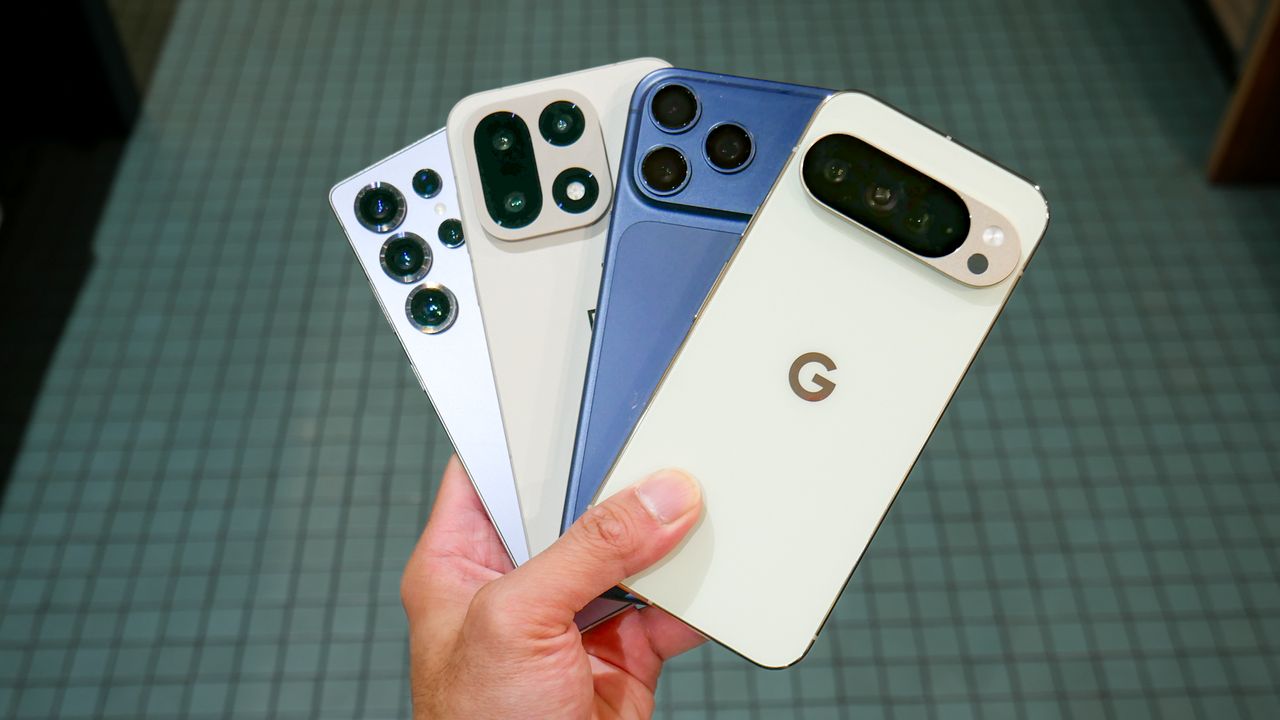
I’ve been testing phones for nearly 18 years now, and through that span, phone carriers have consistently advertised free phones. Even now, as prices on some of the best phones continue to soar, carriers continue to entice shoppers with free phone deals.
They say nothing’s free in life, so why would you think it’s any different with phones? I know the feeling of being drawn to a deal that lands you an iPhone 17 Pro Max for free, but when you write about different phone deals for a living, I can tell you if it’s legit or not. Here’s what you need to know about free phone deals.
Billing credits that keep you locked in
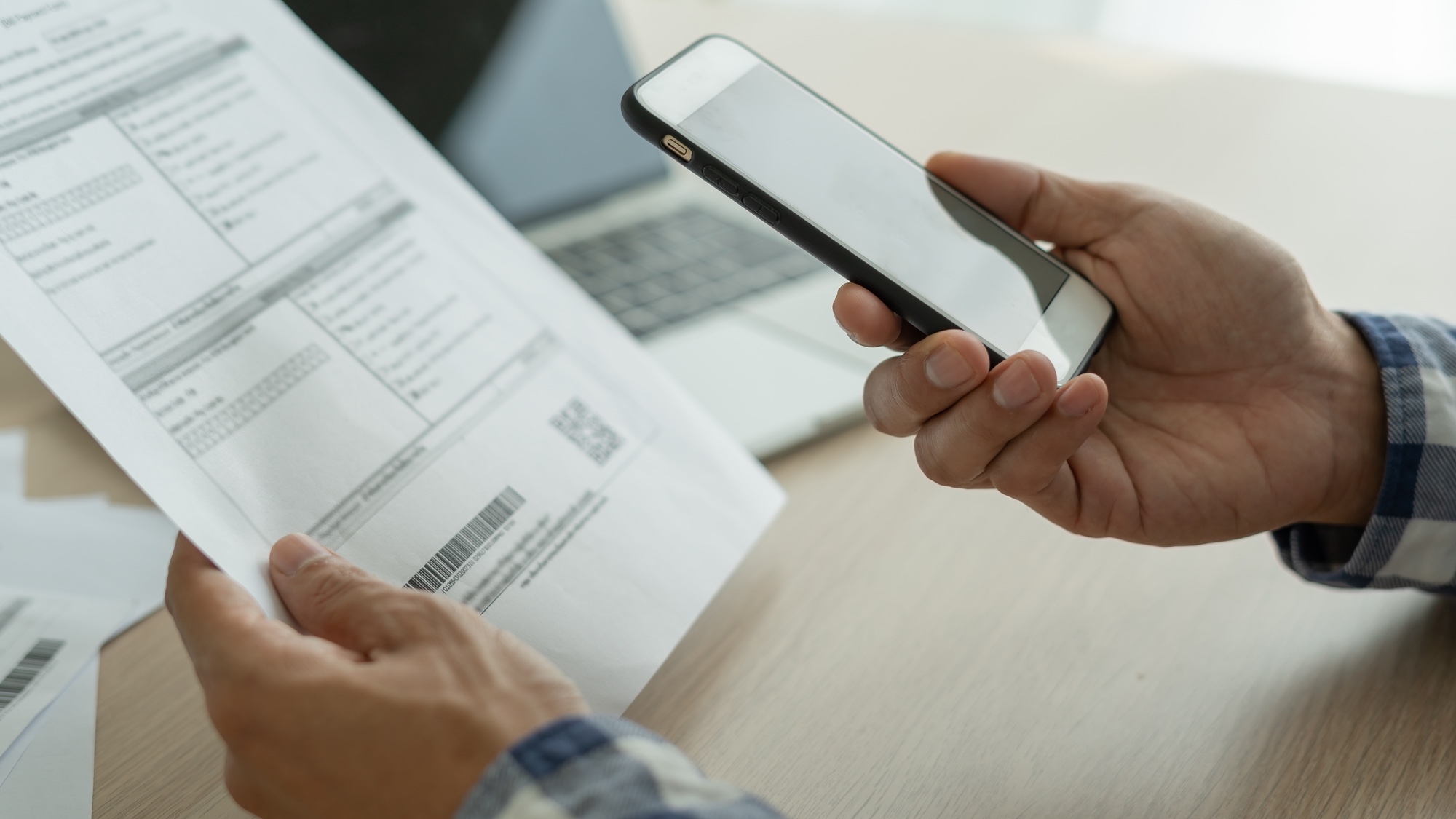
Many carriers offer "free" phones by financing flagship devices over 24 or 36 months. Take the iPhone 17 Pro Max: you’re essentially financing the full $1,199 cost, which the carrier then covers through monthly bill credits.
To qualify for them, you usually need to be on a top-tier unlimited cell phone plan, which can easily run $100/month for a single line. If that's not enough, you only receive the full discount if you stick it out until the end of the agreement.
If you try to leave early, those monthly credits vanish, and you’re immediately on the hook for the remaining balance of the phone. But the real problem is the premium price tag — you're often forced to overpay for data and perks you'll never use.
The trade-in requirement
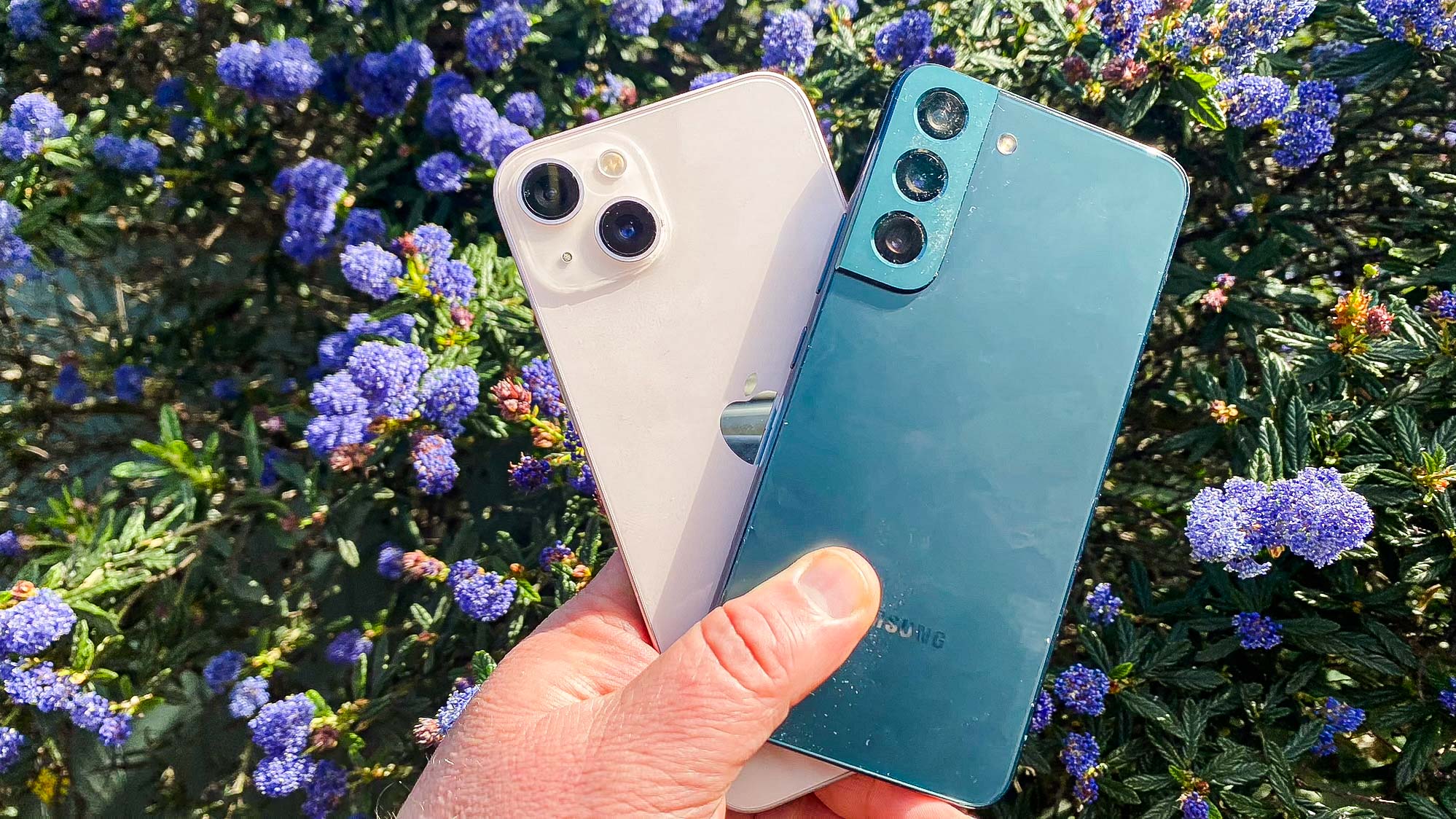
Sometimes bill credits alone aren’t enough to cover the full cost of a "free" flagship. In order to drive the out-of-pocket cost down to zero, carriers and retailers will often require a trade-in, where you hand over your old device in exchange for a credit.
Most places handle this by taking your trade-in, evaluating its peak promotional value, and dividing that amount over the span of your 24- or 36-month agreement. Naturally, newer phones with higher storage capacities fetch the highest values, while older models see dramatically lower returns.
There are times, though, when phone makers offer incredibly generous trade-in deals where they give you a fixed discount for a phone in any condition. OnePlus, for example, has done this on a handful of occasions with its flagship releases.
This is an awesome loophole because you can trade in a worthless, broken phone you've been hoarding for a while to get the discount, leaving you free to sell your actual current phone for top dollar on places like Facebook Marketplace or eBay.
Prepaid is the closest thing to getting a genuinely free phone
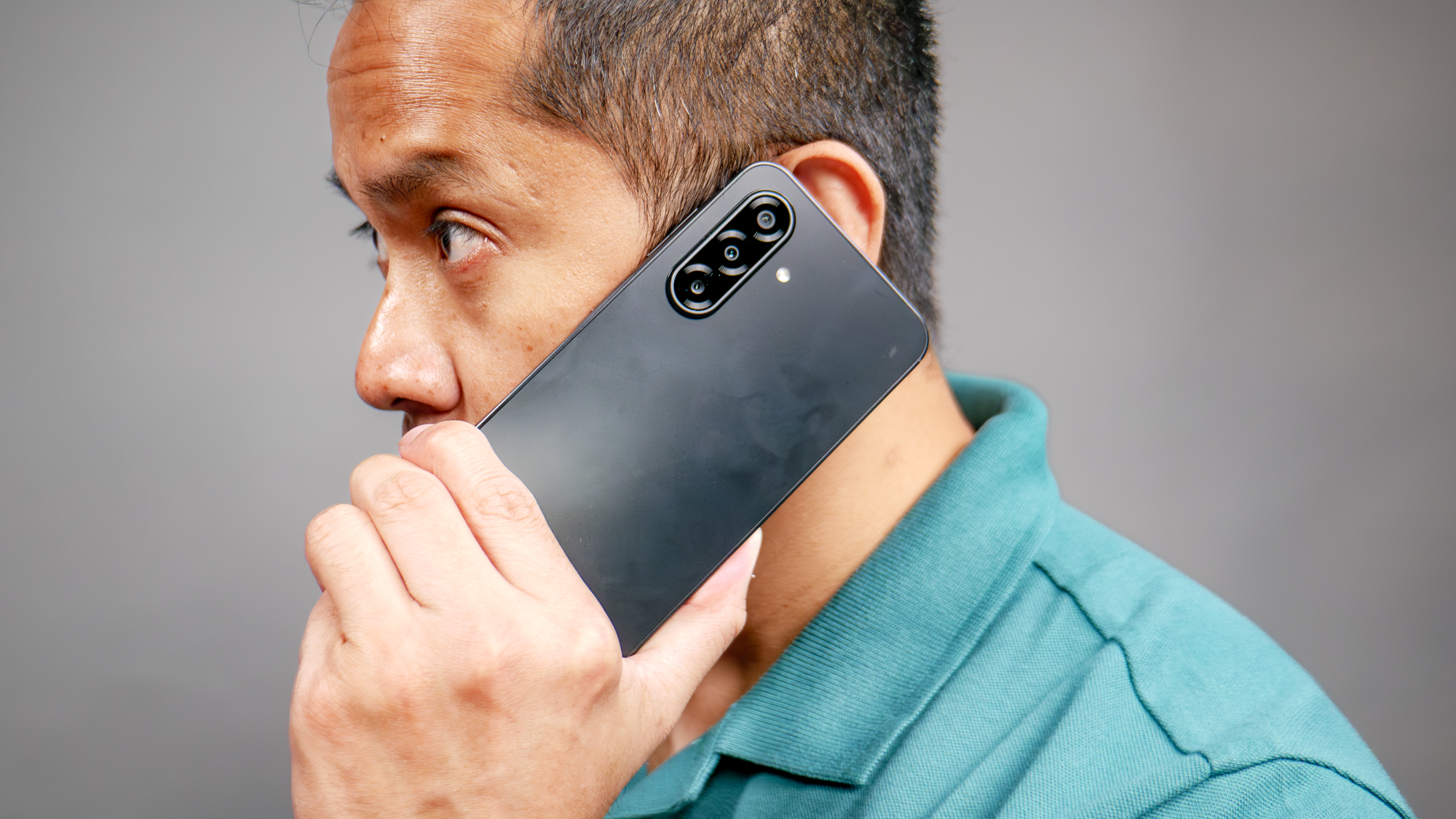
There’s no such thing as getting a free phone unless you commit to something — as I’ve previously pointed out. The closest thing to a free phone is the instant discounts you might find on unlocked phones from Amazon or Best Buy, but you should also look at prepaid options.
One example is the deal that Cricket Wireless is offering for the Galaxy A17. Normally it retails for $179, but you end up getting the hardware for $0 — as long as you meet the criteria. The fine print reads that you must bring your number to a new line on the Supreme Unlimited plan, with the first month's service charge and tax due at sale. This means you’re forced to pay for their most expensive plan upfront, so there’s still a cost incurred at checkout.
Unlike the "free" phone deals you get with postpaid carriers, this one doesn’t lock you into a multi-year contract, which in itself is a huge win. Furthermore, the Supreme Unlimited Plan you’re required to use comes out to $55/month with auto-pay, which isn't too bad compared to postpaid rates.
Best of all, you can downgrade your plan after the first month so you’re not overpaying for data and perks you don't actually use.
Bottom line
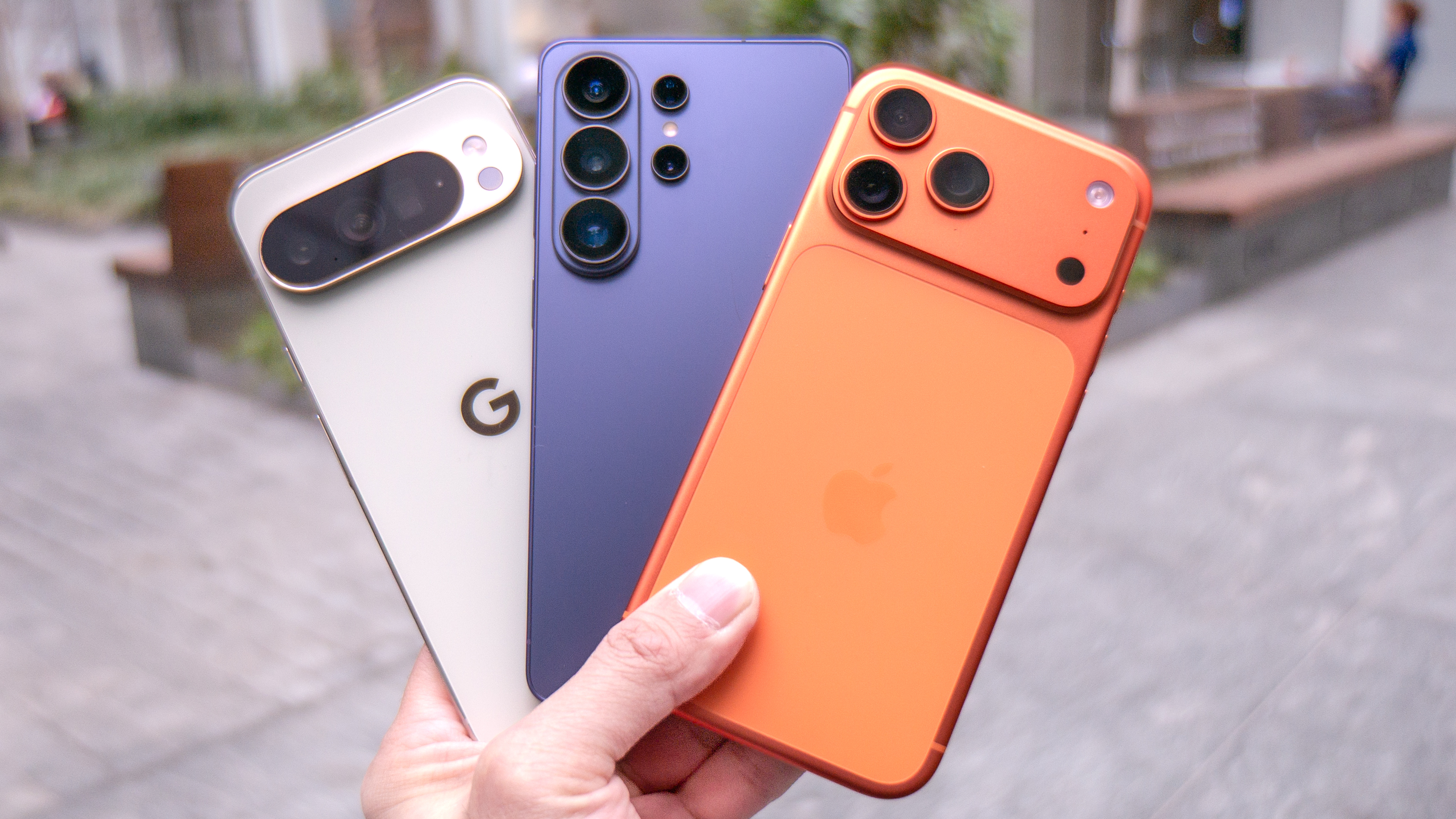
Are free phone deals a scam? Absolutely not — but carriers clearly have a business strategy behind them to lock you down. Whether it’s a postpaid carrier keeping you on the hook for 36 months of premium service through bill credits, or a prepaid carrier requiring an expensive plan upfront, you are always paying for that device one way or another.
If you’re already planning to stick with a carrier and pay for their top-tier unlimited data, these deals are a fantastic way to upgrade without dropping $1,000 out of pocket. But if you value flexibility, prefer cheaper monthly bills, or want the freedom to switch carriers on your own terms, you’re far better off buying an unlocked phone outright and shopping around for the best plan.
Sure, you won’t find many flagship models with huge discounts that way, but there are plenty of mid-range options that can get the job done without putting a strain on your finances.
More from Tom's Guide
- Your iPhone alarm and ringtone don’t have to share a volume slider anymore — here’s how to split them in iOS 27
- Some AI features aren't available on older iPhones, but are you actually missing that much?
- You don’t have to wait for Apple’s Siri AI rollout — use this trick to unlock it on iOS 27 right now