New Delh: Criticising the Central government over the fourth fuel price hike in 10 days, Congress leaders on Monday termed the repeated increases a "silent tax on every Indian household" and accused Prime Minister Narendra Modi of "protecting corporates".
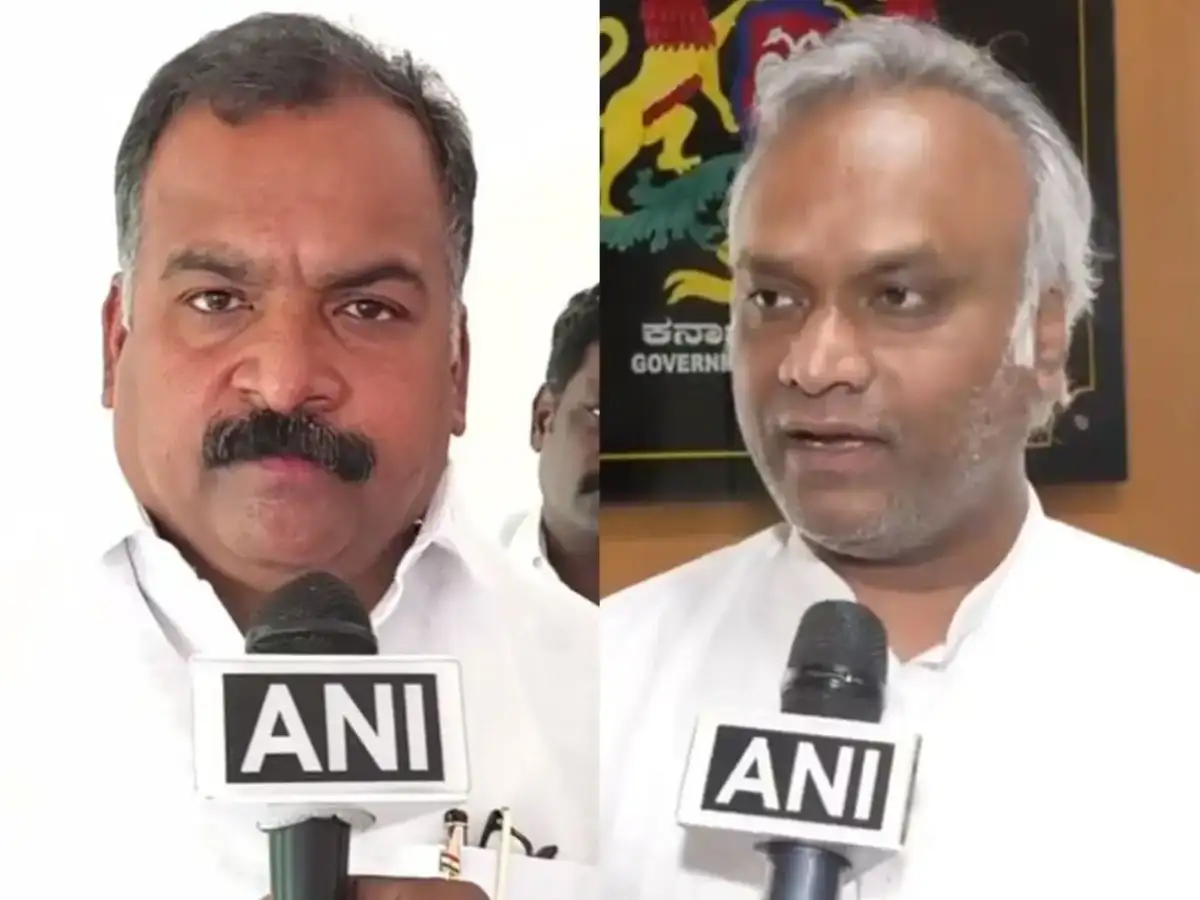
"Frequent petrol and diesel hikes are not just price increases. They are a silent tax on every Indian household. The poor pay for it in bus fares, vegetables, milk, school transport and daily essentials. The middle class pays for it through petrol bills, EMIs, groceries and children's expenses," Congress leader and Karnataka Minister Priyank Kharge wrote in a post on X.
Questioning the government's appeals to patriotic sentiment amid rising fuel prices, Kharge said citizens are being asked to make sacrifices while key issues such as unemployment, falling incomes and economic mismanagement remain unaddressed.
Read More: CM Suvendu Adhikari sets Falta-style landslide victory target in Nandigram bypoll CM Suvendu Adhikari sets Falta-style landslide victory target in Nandigram bypoll
Congress MP Manickam Tagore looked at the historical price increases, comparing the prices of crude oil with UPA-era prices. Tagore said that while oil prices were lower in 2016, excise duties were hiked by Rs 11 per litre, but now the public is suffering losses.
"Crude was cheaper than in 2014. Petrol 43% costlier. When oil CRASHED in 2016, the government hiked excise by ₹11/litre & kept it forever. When oil companies made PROFITS for 7 days -- price hike in 7 hours. When the public suffered losses for 7 MONTHS -- silence," Tagore wrote on X.
Targeting the Prime Minister, he further said, "Modi doesn't work for you. He works for IOC boardrooms and refineries. This is not an oil crisis. This is a CORPORATE PROTECTION RACKET."
Tagore also presented comparative figures, claiming that while crude oil was priced at USD 114 per barrel in 2014, petrol in India was around Rs 72 per litre, and in 2016, when crude fell to USD 26, petrol was around Rs 64 per litre. He added that in 2026, with crude at around USD 97 per barrel, petrol prices have risen to Rs 103 per litre.
Petrol and diesel prices were hiked once again on Monday, marking the fourth increase in less than two weeks amid continued volatility in global crude markets and ongoing geopolitical tensions in West Asia.
Following the latest revision, petrol prices in Delhi crossed the Rs 100-mark, rising by Rs 2.61 to Rs 102.12 per litre, while diesel prices increased by Rs 2.71 to Rs 95.20 per litre. Similar hikes were witnessed across major metropolitan cities, including Kolkata, Mumbai and Chennai, adding to the burden on consumers and transport operators.
In Kolkata, petrol prices increased by Rs 2.87 to Rs 113.51 per litre, while diesel rose by Rs 2.80 to Rs 99.82 per litre. In Mumbai, petrol became costlier by Rs 2.72 and is now priced at Rs 111.21 per litre, whereas diesel climbed by Rs 2.81 to Rs 97.83 per litre. In Chennai, petrol prices rose by Rs 2.46 to Rs 107.77 per litre and diesel increased by Rs 2.57 to Rs 99.55 per litre.
The repeated fuel price hikes come amid sustained pressure on oil marketing companies due to elevated global crude oil prices, fluctuations in currency exchange rates and concerns over supply disruptions linked to the ongoing tensions in West Asia.
A major concern remains the instability in the region and its impact on global oil supply routes, particularly the Strait of Hormuz, a key maritime corridor through which a substantial share of global crude oil shipments pass. Any disruption or perceived threat in the region generally leads to a sharp rise in international oil prices.
The continued hikes in petrol, diesel and CNG prices are likely to increase logistics and transportation costs further, potentially triggering a cascading effect on retail inflation and impacting household budgets as well as commercial transport sectors across the country.