A missed rack catch or a treadmill stumble can sideline someone for weeks. Most of these incidents are preventable when the gear fits the user, the room, and the job.
Whether you run a commercial gym, manage a physio clinic, or build a serious home setup, your gear has two jobs. It must protect people and help them make steady progress.
Use a simple scan to spot safety-critical features, map the room with the terms inspectors use, and tie every purchase to WHS duties so key details do not get missed.
Key Takeaways
Choose by standards, layout, load control, and upkeep, not by sticker price alone.
- Buy to a standard, not a price tag. Prioritise gear aligned with ISO 20957 and Australian adoptions such as AS 20957.2:2026. Ask vendors for compliance documents and confirm the usage class, home H or commercial S/I.
- Cardio gear carries consumer obligations. In Australia, treadmills need a permanent, clearly visible child-safety warning label to reduce burn and entrapment risk.
- Layout prevents injuries. Leave a clear free area so people can enter, exit, and emergency-dismount without crossing pinch or shear points on nearby units.
- Match load increments to your users. Small jumps in load support progress and reduce avoidable strain spikes, especially for beginners and rehab clients.
- Flooring is safety gear. Choose slip-resistant surfaces rated under AS 4586 for wet and high-traffic zones, and use impact-tolerant rubber in free-weight areas.
- Maintenance is a legal duty. Under WHS Regulations, the person controlling plant must make sure inspections and testing are done by a competent person, with records kept and easy to access.
What Safe and Effective Gear Really Means
Safe gear meets recognised standards, and effective gear lets users apply progressive overload, which means adding load, reps, range, or control over time.
The right choice also depends on who will use it. A rehab clinic needs different adjustability and load jumps than a powerlifting room.
Key Terms You Need to Know
ISO 20957-1 defines three layout terms worth learning. The training area is the space the user occupies during exercise. The safe operational area covers the full path of moving parts. The free area is the buffer around the machine for safe entry, exit, and emergency dismount.
Pinch and shear points are places where skin, fingers, or clothing can get trapped between moving parts. Common examples include plate-loaded levers, weight stacks, and cable columns. Guards, spacing, and better layout reduce that risk.
Quick Example
Picture a novice bench press setup. The bench height lets both feet sit flat, safety catches sit at chest level, bar knurling is intact for grip, and the user has a clear path to stand up and walk away if a rep fails.
Three Reasons to Choose Right the First Time
Good buying decisions reduce incidents, improve adherence, and cost less over the full life of the room.
Fewer Incidents and Less Downtime
A 14-year Queensland emergency department study found that exercise-related presentations more than doubled, with treadmill falls and weight-handling incidents common in gym cases. Better guarding, clearer signage, and smarter product selection remove several of these risks before training starts.
Better Adherence and Outcomes
Australia's movement guidelines recommend muscle-strengthening activity on two or more days each week. When seats adjust easily, handles fit the hand, and loads are marked clearly, people are more likely to keep showing up and training well.
Lower Lifetime Cost
Sturdy frames, replaceable wear parts, and a clear maintenance plan lower the chance of a major failure. That means less unplanned spend, less downtime, and less legal exposure if something goes wrong under load.
What to Check Before You Buy
Use the same fast checklist on every unit so you can compare options without missing core safety details.
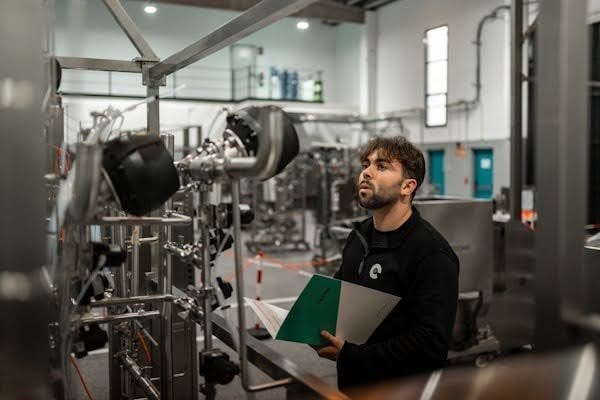
The 10-Point Scan
- Ask for compliance documents, usage class, and safety markings.
- Test stability on level ground and check for wobble.
- Inspect guards at pinch and entrapment points.
- Check the full adjustability range and index points.
- Confirm clear load markings and sensible weight jumps.
- Review grip quality, knurl condition, and handle diameter.
- Test range-of-motion stops for smooth, secure control.
- Check step heights and foot-contact surfaces for secure access.
- Look at cleaning access and finish durability.
- Confirm spare parts, warranty terms, and service response times.
Sizing Your Room
Map the training area, safe operational area, and free area on the floor plan before anything arrives. Leave an unobstructed emergency dismount path and keep walkways clear between storage and workstations. This is the language inspectors use, so using it early saves confusion later.
Buyer Notes by Equipment Type
Each category has a few failure points and fit issues that are easy to spot if you know where to look.
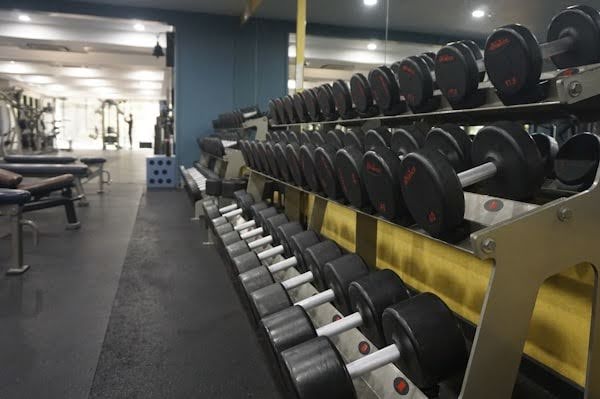
Power Racks and Barbells
Look for rated spotter arms or pins, bolted uprights, and anchor options for commercial use. Confirm true bar diameter, smooth sleeve rotation, secure collar fit, and plate storage that does not push into the free area.
Benches, Dumbbells, and Kettlebells
Benches need high-friction upholstery, minimal pad gap, and a tested load rating. For dumbbells and kettlebells, prefer one-piece or securely welded heads with clear weight marks and consistent handle shape. Pair them with low-profile storage so walkways stay open.
Cables, Machines, and Cardio
On selectorised units, check pulley alignment, cable condition, stack shrouds, and range-of-motion limiters. On treadmills, verify the safety key, emergency stop, side rails, deck stability, and the mandatory Australian warning label.
Specialty Tools and Accessories
Trap bars, sleds, and strongman tools need smooth edges, even handle spacing, and believable load ratings. Store odd-shaped items so they never jut into escape paths. For belts, bands, and attachments, choose rated hardware and replace worn nylon before it fails.
Flooring, Storage, and Airflow
Surfaces, storage habits, and ventilation shape many day-to-day incidents, so treating them as safety controls pays off fast.
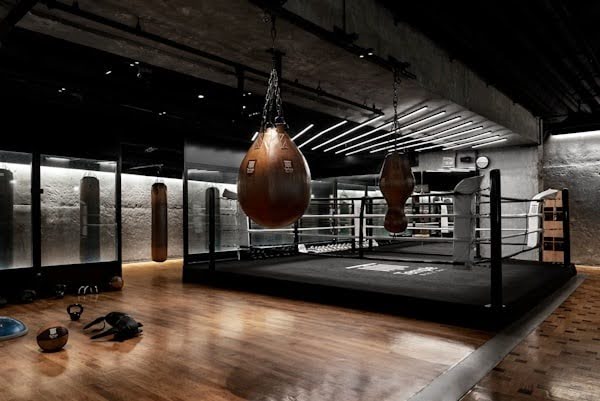 Choose flooring with slip-resistance ratings suited to wet or high-traffic zones under AS 4586. Use impact-tolerant rubber in lifting areas, seal edges to avoid trip lips, and keep plates and dumbbells on labelled low-profile racks. Good airflow helps limit condensation on floors and handholds, and it also makes coaching cues easier to hear.
Installation, Inspection, and WHS Responsibilities
Your legal duties start on install day and continue through the full life of the asset.
Under WHS rules, plant means workplace equipment. Follow the manufacturer instructions, use qualified installers, verify anchors, and document the handover with photos and serial details.
Set a competent-person inspection schedule with daily visual checks, monthly function tests, quarterly fastener reviews, and an annual deep inspection. Tag out defects at once and keep purchase records, compliance certificates, install photos, and corrective-action logs easy to audit.
How to Measure If Your Setup Is Working
Simple tracking shows whether your layout, upkeep, and buying choices are reducing risk and supporting progress.
Track incidents and near misses per 1,000 visits, note the top three causes, measure time to repair, and flag overdue inspections.
On the training side, track how many members reach two muscle-strengthening sessions each week and how new lifters progress on squat, hinge, push, and pull patterns at six and twelve weeks. Add fault-reporting QR codes and run quarterly walk-throughs to re-mark free areas and refresh labels.
Where to Buy and Test Gear
Try gear in person, ask for documentation, and judge vendors by the support they give after the sale.
-2.jpg)
Book hands-on trials in showrooms, request ISO or AS references, and ask for a sample maintenance checklist. Also confirm delivery timing, install scope, spare-parts lead times, and who will handle service calls.
If you can, visit a university, clinic, or council site using similar units and ask what fails first. That kind of field check shows how stable a unit feels, how easy adjustments are, and whether service support seems realistic. If you're in Queensland and want hands-on advice plus local delivery and install support from Kinta Fitness, browse gym equipment Gold Coast to compare packages and book a showroom visit.
Make Your Space Work for You
A well-planned room makes every session safer, smoother, and easier to progress.
Safer choices are not an extra. They support better results, fewer interruptions, and less stress for staff and users.
Start with a room audit using the 10-point scan, fix the top three risks this week, and shortlist only vendors who provide compliance documents and service plans. The gear you choose now shapes every session that follows.
FAQs
These common questions help you check condition, fit, and upkeep before a small issue becomes a real problem.
How Can I Tell if a Used Machine Is Still in Good Shape?
Look for missing guards or labels, cracked welds, frayed cables, rust around fasteners, and any frame wobble. Ask for the manual and compliance markings, then run a slow unloaded range-of-motion test before anyone trains on it.
Which Is Better for Beginners, Machines or Free Weights?
Either can work when the setup fits the person and coaching is clear. Start with a controlled range of motion and reliable safeties, then add more freedom as skill and confidence improve.
Do I Need to Bolt Racks to the Floor?
If the manufacturer says to anchor the rack, do it. Anchoring limits tip and shift under uneven loads and is commonly required in commercial settings.
What Does a Smart Maintenance Routine Look Like?
Use daily visual checks, monthly function tests, quarterly torque and fastener reviews, and an annual deep inspection. Log each check against the asset ID and tag out defects at once so no one trains on compromised gear.