Heavy equipment accidents account for a large share of serious injuries on construction sites across Australia each year. Cranes, excavators, loaders, and earthmoving machinery create real hazards when safety systems break down or get bypassed under schedule pressure. Safe Work Australia data shows plant-related incidents remain among the most preventable causes of fatal workplace accidents in the sector.
Strong safety outcomes begin long before an operator climbs into a cabin for the first shift. Workers pursuing Machinery Training Dubbo gain access to nationally recognised programs covering licensing and competency standards for high-risk plant. Getting that foundation right is one of the most effective steps a site can take toward reducing preventable incidents.
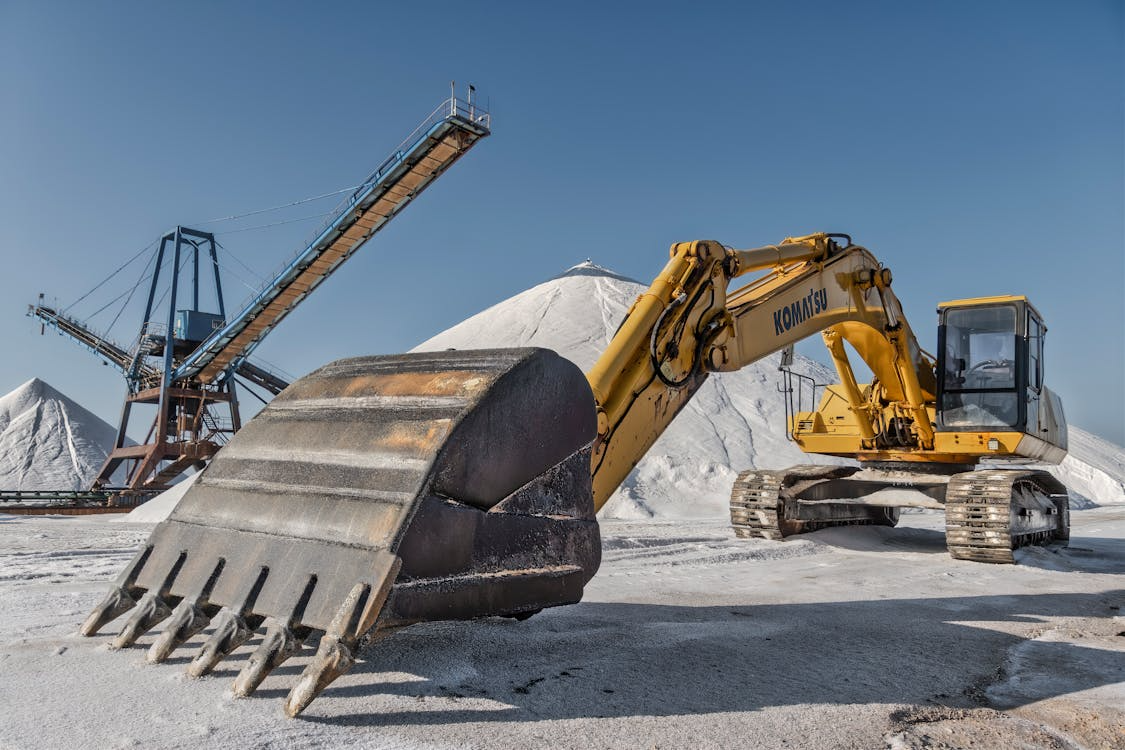
Photo by Jesús Esteban San José
Licensing and Competency Requirements for Plant Operators
Operators of high-risk plant must hold a valid High Risk Work licence before legally operating machinery on any Australian worksite. Each licence class covers a specific machine type, so holding one class does not authorise operation of another type. Employers carry legal responsibility for verifying that every person on site holds the correct class before work starts. This obligation applies whether the worker is a direct employee or a subcontractor brought in for a short-term project.
Beyond the licence, operators need hands-on familiarity with the specific equipment they will use on a given site. A nationally recognised certificate sets the competency standard but does not replace supervised practice on an unfamiliar model or configuration. Supervisors should walk operators through any machine that differs from their training before operations begin. Clear onboarding checks help managers confirm licences are current and that all workers understand site-specific conditions.
Pre-Start Checks and Hazard Identification
Every operator should complete a pre-start inspection before using any piece of plant on site. Manufacturers provide model-specific inspection checklists, and sites should keep completed records as part of their safety documentation. A standard daily check typically includes:
- Fluid levels and hydraulic system condition
- Tyre integrity and ground-engaging tools
- Braking systems and steering controls
- Lights, reversing alarms, and warning devices
- Safety guards and emergency stops
Construction safety reporting consistently shows that hazard identification failures appear across post-incident investigations in heavy industry. Operators and supervisors should assess ground stability, overhead power lines, buried services, and nearby worker positions. Completing that assessment before work starts gives everyone a clear picture of what to watch for during the shift.
Exclusion zones around operating plant protect ground workers from being struck or caught by moving equipment. Cones, barriers, and designated spotters all form part of a practical exclusion strategy on active sites. Areas with high pedestrian traffic need particular attention in maintaining those zones throughout the working day. Recording checks and assessments consistently helps supervisors spot patterns and address recurring issues before they escalate.
Communication and Visibility During Operations
Poor communication between operators and ground workers is a recurring factor in heavy equipment incidents across the construction industry. Clear hand signals, radio protocols, and designated signallers help bridge visibility gaps between operators and ground crews. Every worker on site should understand the communication system in use before operations begin each day.
Visibility is a physical constraint that training and planning can reduce but not fully remove. Plant such as rigid dump trucks, cranes, and wide excavators carry blind spots that ground personnel frequently underestimate. Reversing cameras, proximity alarms, and well-placed spotters all cut the risk of a strike incident. These tools are especially valuable in areas where plant and pedestrian movement regularly overlaps on busy sites.
Safe Work Australia provides regularly updated guidance on communication practices, exclusion zones, and risk controls for plant operations. Reviewing those resources alongside site-specific procedures helps teams stay aligned with current national safety standards. Toolbox talks at the start of each shift give operators a practical opportunity to raise concerns before they escalate.
Managing Maintenance and Operator Fatigue
Equipment in poor condition creates unnecessary risk for operators and everyone else working in the area. A structured maintenance schedule keeps plant in reliable, safe working order between major service intervals. Pairing that schedule with a clear defect reporting process means issues get flagged before they cause failures on site.
Common equipment faults that raise incident risk include:
- Hydraulic leaks and fluid loss affecting steering or brakes
- Worn or flat tyres on excavators and earthmoving plant
- Faulty reversing alarms and proximity warning systems
- Damaged controls, handles, or operator protection structures
Fatigue is a serious and often underestimated factor in heavy equipment incidents across construction sites. Operators on extended or rotating shifts experience slower reaction times and reduced awareness of changing conditions around them. Managers need to monitor shift hours, apply roster controls, and allow workers to report fatigue freely. Pre-shift fitness checks give supervisors a practical chance to identify concerns early in the day.
Encouraging operators to document and report equipment issues builds a useful feedback loop for maintenance teams. That information helps identify recurring faults before a machine fails at a critical point in the work. Sites that take defect reporting seriously tend to have fewer unplanned equipment shutdowns over time.
Building a Culture That Sustains Safe Outcomes
Licences, checklists, and procedures set a useful floor, but the day-to-day culture determines how safely work gets done in practice. Workers who feel comfortable stopping unsafe tasks and reporting near-misses are a genuine asset to any project. That willingness comes from consistent leadership behaviour over time, not from a single safety briefing or policy document. Sites where concerns get taken seriously consistently outperform those where workers stay quiet to avoid friction.
Reporting on Australian workplace safety outcomes shows that culture-driven improvements consistently outperform compliance-only approaches across multiple sectors. Site managers who act on reported hazards and model safe practices set a clear tone for the whole crew. Recognising workers who identify risks reinforces that safety is a shared responsibility across the team. Over time, that approach turns careful daily habits into standard site behaviour that teams maintain without reminders.
Thorough incident investigation is the part of safety management that turns bad events into useful information. Investigations that focus on root causes rather than blame give teams information they can act on directly. Acting on those findings reduces the chance of a repeat event on this project or others using similar equipment. SafeWork NSW publishes practical guides on fatigue management, risk control, and incident investigation for construction teams.