Amazon has acquired Fauna Robotics, a company that recently unveiled Sprout, a humanoid robot intended for social environments such as homes and schools, marking a potential shift in the tech giant's robotics strategy.
The e-commerce behemoth already boasts a formidable robotics division, having deployed over a million robots within its vast warehouse operations.
However, the addition of the 1.5-foot-tall, rectangular-headed Sprout introduces a different dimension: a robot focused on engaging interactions rather than heavy lifting.
Fauna CEO Rob Cochran confirmed the acquisition on social media, expressing his excitement that "Fauna Robotics has officially joined the Amazon family" and would now operate as "Fauna Robotics, an Amazon company."
The financial terms of the deal remain undisclosed. Amazon stated that Fauna's founders and employees will integrate into its New York operations, with a mandate to explore "new ways to make our customers’ lives better and easier."
Fauna's initial offering, launched in January, was a software developer platform rather than just a robot, supplied to academic and corporate research laboratories investigating domestic robotics, with Disney among its early clients.
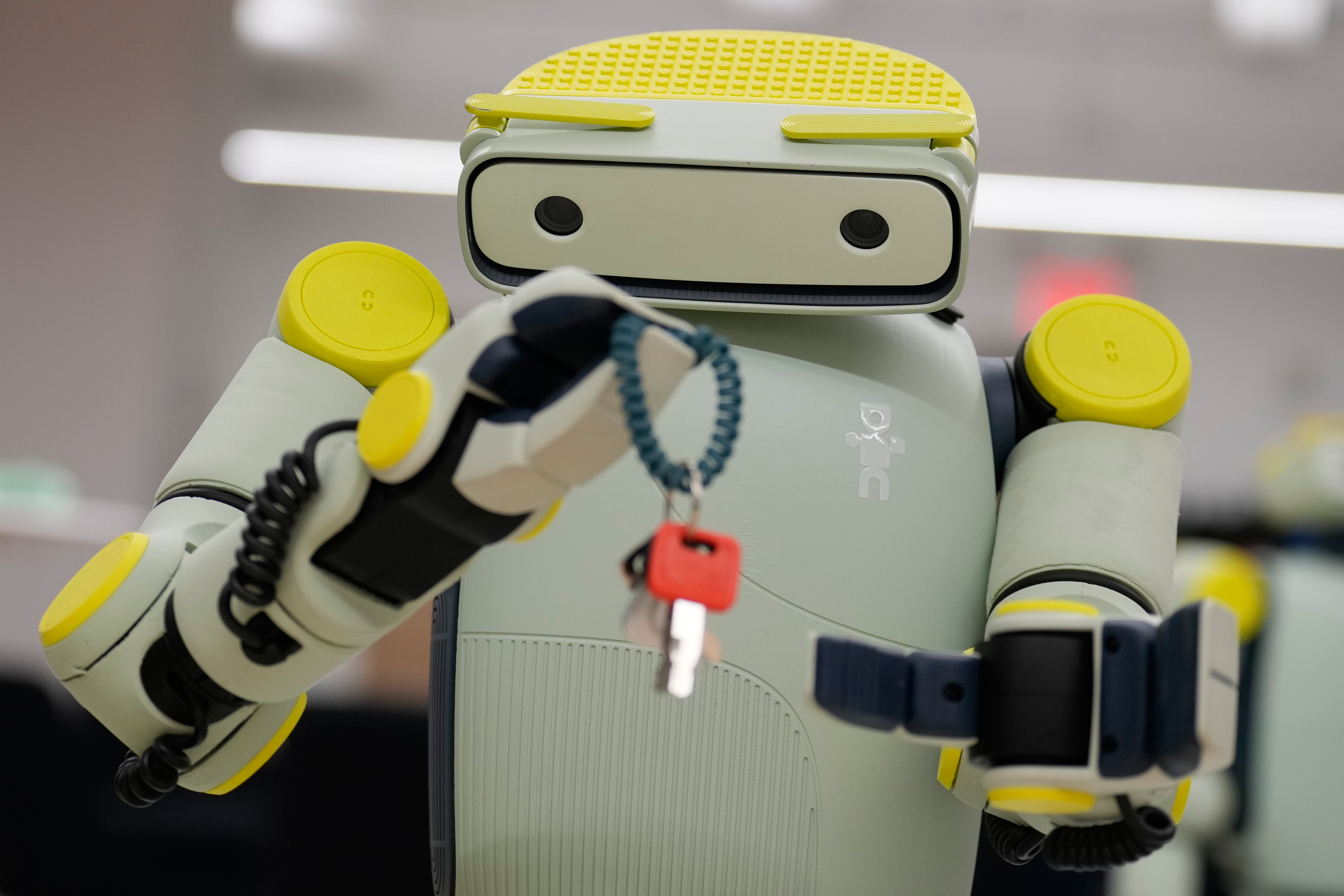
The $50,000 Sprout can’t lift heavy objects, but it can dance the Twist or the Floss, grab a toy block or teddy bear, or hoist itself from a chair and take a stroll.
A 5-year-old child could comfortably talk at eye level with this humanoid, which stands 3.5 feet (1 meter) tall and wears a soft, padded exterior of sage-green foam.
Forged by stealth startup Fauna Robotics over two years of secret research and development, Sprout's public debut in January aimed to jump-start a whole new industry of building “approachable” robots for homes, schools and social spaces.
The robot is in many ways the first of its kind, at least in the United States, even as rapid advances in artificial intelligence and robot engineering have finally made it possible to start building such machines.
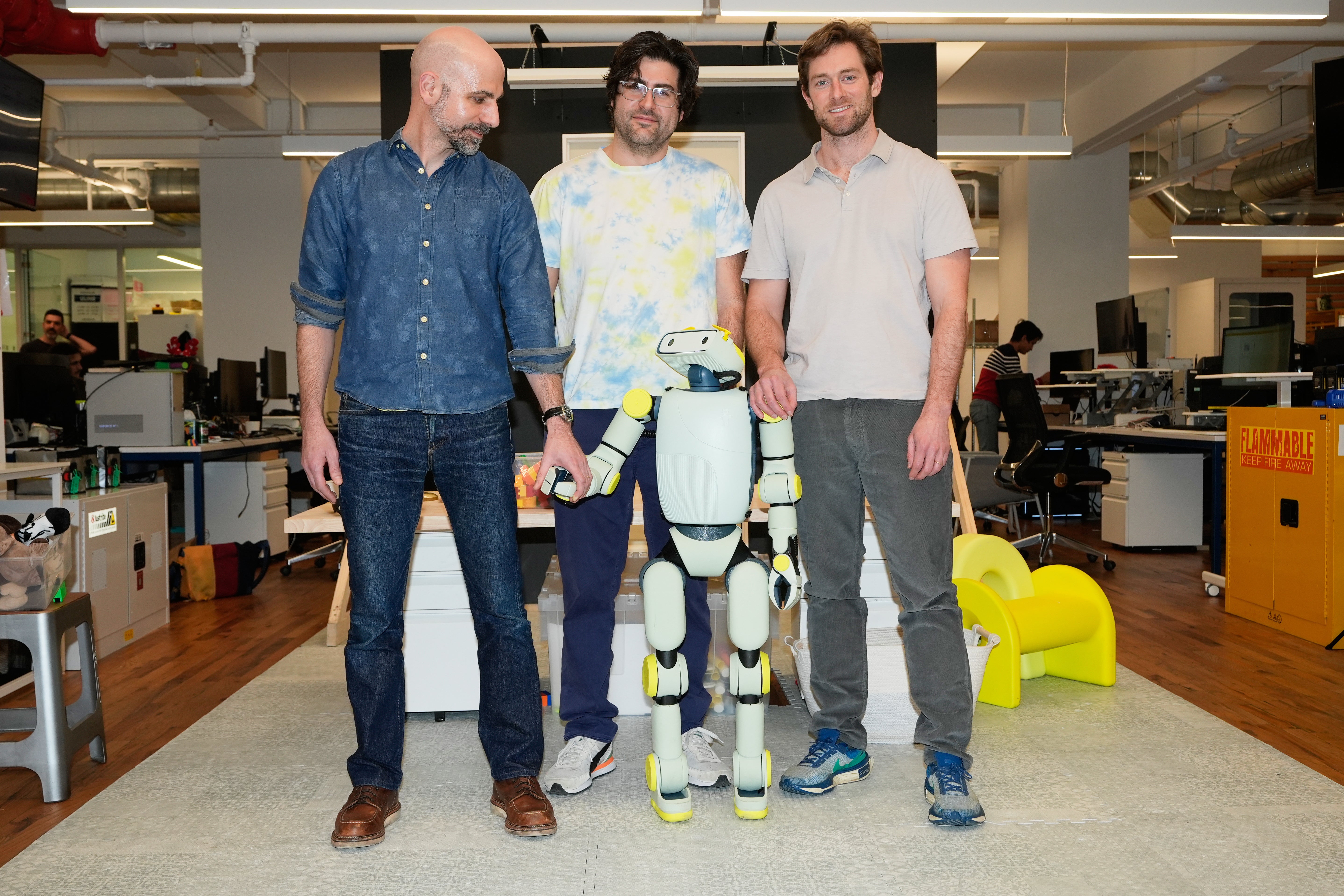
If its emotive expressions and blinking lights seem vaguely familiar, it might be from generations of Star Wars droids and other endearingly clunky robotic sidekicks dreamed up in animation studios and children's literature.
“Most people in this industry take inspiration from the science fiction that we grew up with,” said Fauna Robotics co-founder and CEO Rob Cochran. “I think some do so from ‘Westworld’ and ‘Terminator.’ We do from WALL-E and Baymax and Rosie Jetson.”
Amazon, which also makes the artificial intelligence assistant Alexa that's already present in many homes, has had some challenges in recent years in expanding into consumer robotics.
Amazon called off its purchase of robot vacuum maker iRobot in 2024 after facing regulatory hurdles in Europe and the United States.