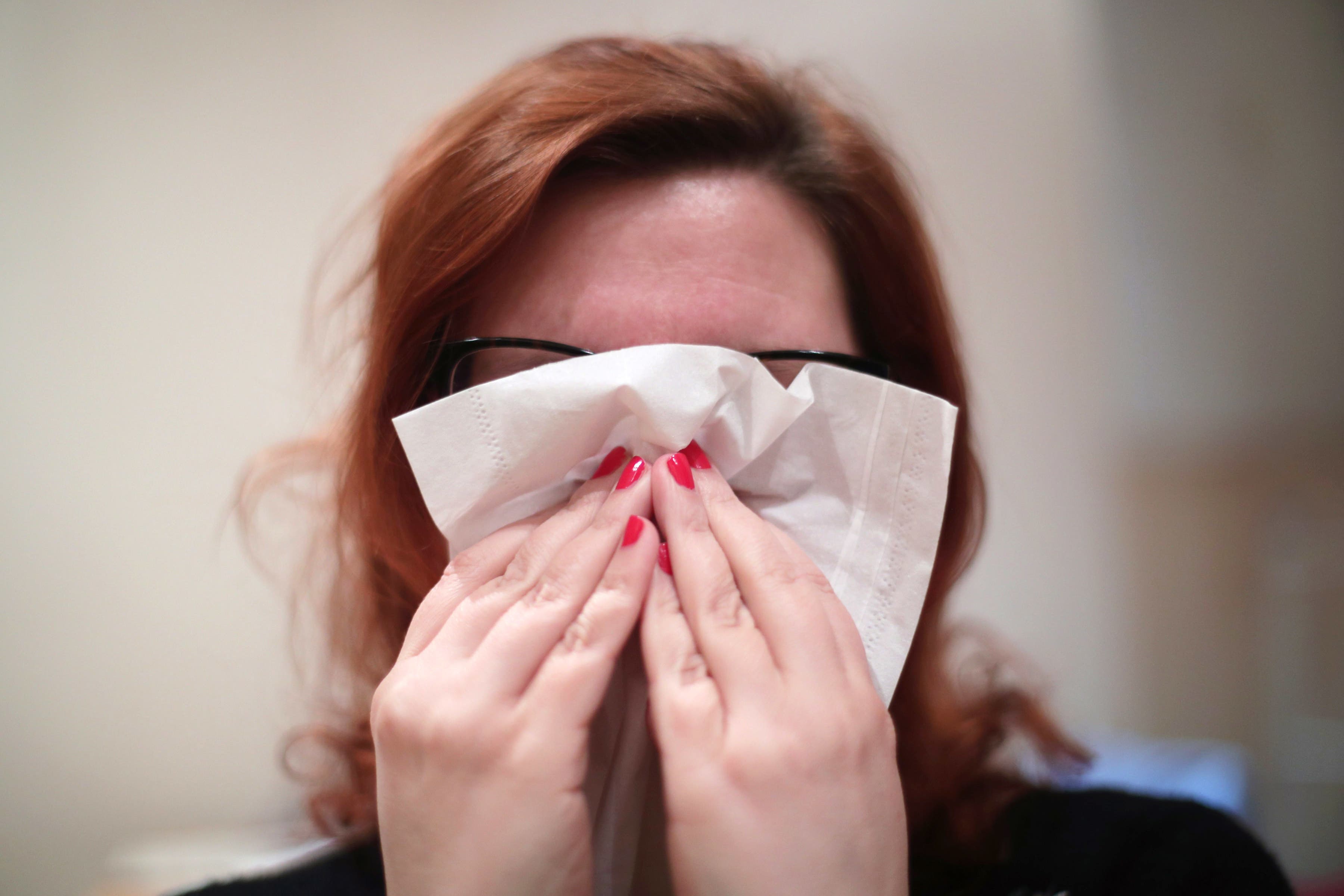
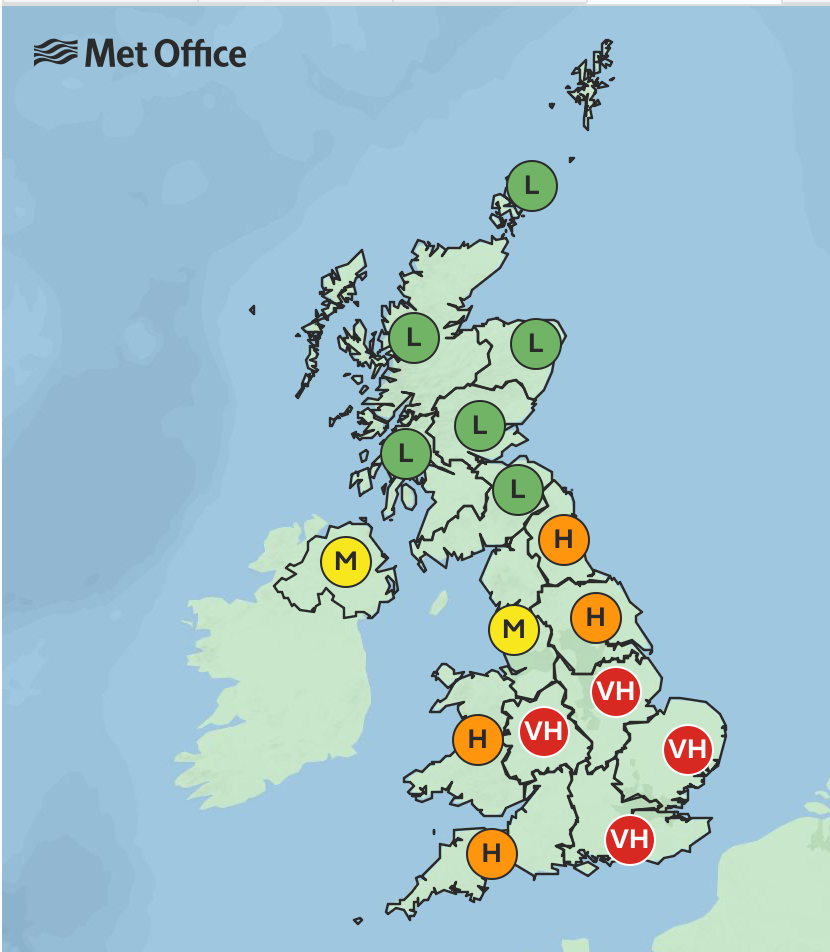
A red hay fever alert has been issued for most of the UK, with the Met Office forecasting “very high” pollen levels for the coming days.
These elevated levels hit England and Wales on Monday and are expected to last until the weekend. Much of Scotland and Northern Ireland are also under alert, though pollen levels are due to decrease later in the week.
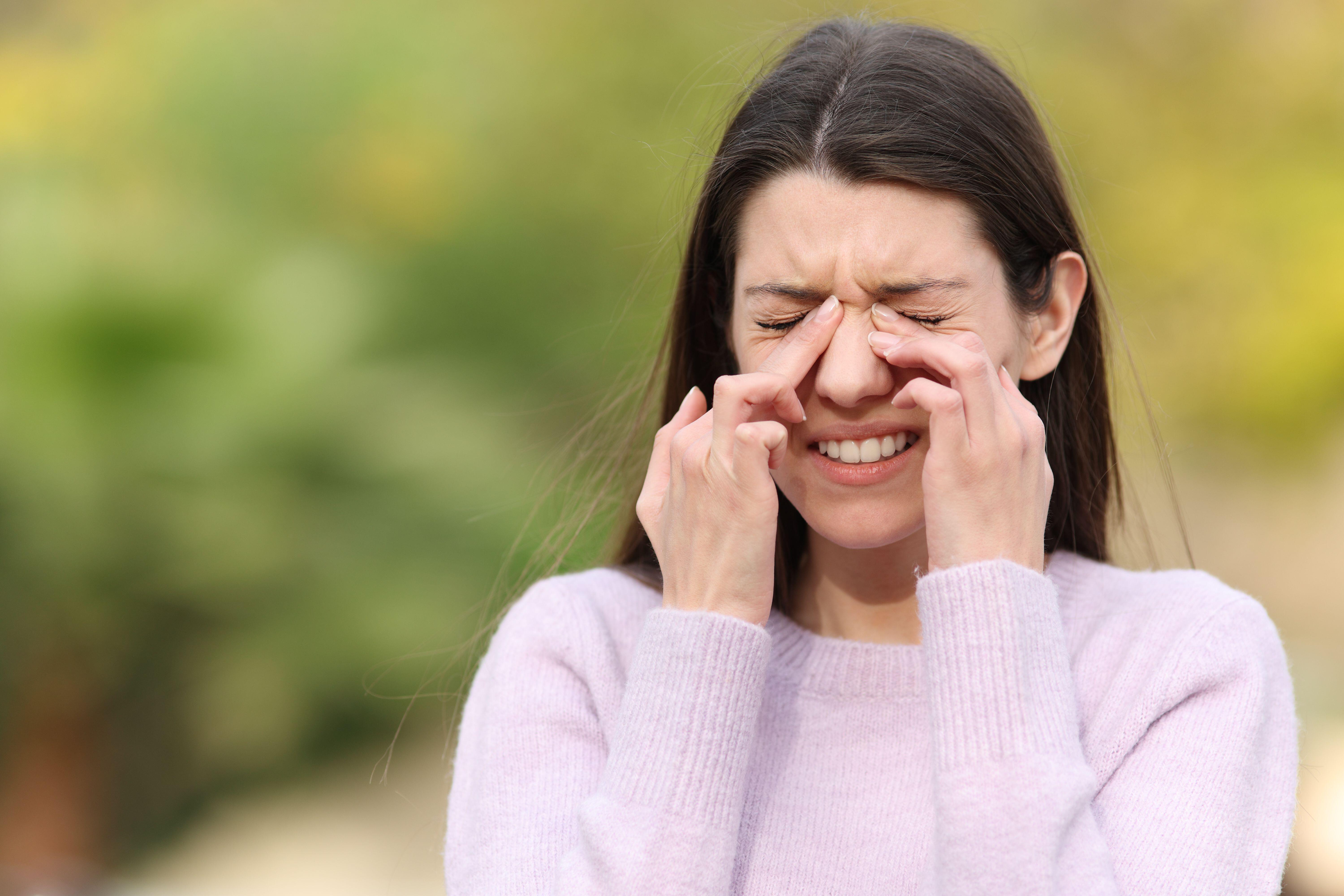
Common symptoms include frequent sneezing, a runny nose, or itchy eyes, throat, mouth, or ears. Some people also experience a loss of smell, facial pain, sweating, and headaches.
Birch and ash pollen levels are predicted to be very high in the south of England all week, as well as in Wales, northern England, and Scotland on Tuesday and Wednesday. High levels of plane pollen are also expected in these areas.
And the discomfort doesn’t stop when you get inside. Pollen can easily make its way indoors, while other allergens like dust mites, pet dander, and mould spores can also make life miserable.
Thankfully, simple cleaning strategies can significantly reduce these allergens and create a healthier home environment.
Lynsey Crombie, This Morning’s ‘Queen of Clean’, offers expert advice on effectively allergy-proofing your home.
Above all, it’s important to regularly dust, she says.
“Damp dusting is far more effective at capturing dust – rather than just dispersing it into the air.”
She recommends using a slightly damp, good quality microfibre cloth to trap particles and prevent them from resettling.
This simple change in dusting technique can make a noticeable difference in allergen levels, she says.
Don’t forget the hard-to-reach areas
Dust can settle on bookshelves, skirting boards, and light fixtures. Ms Crombie suggests using a vacuum nozzle for these hard-to-reach areas, as well as on furniture.
Lint rollers work “surprisingly well” on lampshades, she says.
Meanwhile, an old make-up brush can be used to dust delicate items, like light bulbs, ornaments and house plants.
Vacuuming the right way
Investing in a vacuum with a HEPA (high efficiency particulate air) filter is one of the best things you can do for an allergy-proof home, Ms Crombie says.
“HEPA filters trap fine particles, including dust mites, pet dander, and pollen, rather than releasing them back into the air.
“Regular vacuuming (at least three to four times a week) is crucial for maintaining an allergen-free space, especially those high-traffic areas such as home entrances where shoes, handbags and coats can bring pollen allergies in with them.”
And don’t forget to vacuum in all directions when vacuuming floors and carpets, says the cleaning expert.
“Go north to south and east to west, this way you’re getting into the carpet pile and picking up all allergies.”
She also says to pull out large pieces of furniture such as sofas and beds. “Dust and debris tend to settle in these hidden areas and can aggravate allergies when disturbed.
“Soft furnishings, such as curtains and upholstery, should also be vacuumed regularly to remove embedded allergens – you can use your vacuum nozzle for this.”
Wash soft furnishings
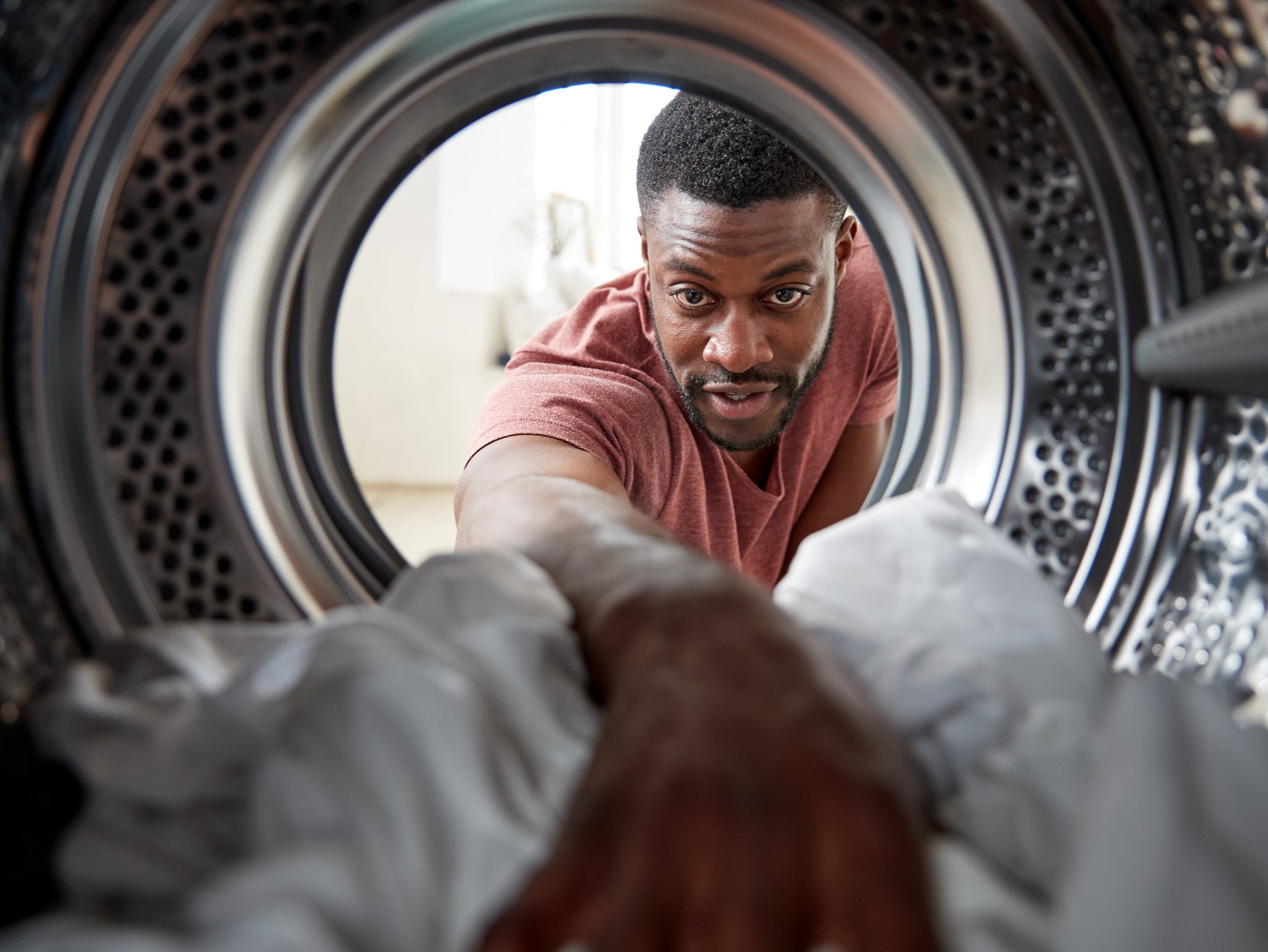
Wash cushion covers, throws, and curtains regularly on a hot cycle to remove dust mites and pet dander, advises Ms Crombie.
Declutter regularly
“Piles of books, clothes, and decorative items collect dust, trap pet dander, and make cleaning much harder,” Ms Crombie says.
“The more clutter you have, the more places allergens can settle, leading to sneezing, congestion, and irritation.
“Keep surfaces as clear as possible – the less clutter, the easier it is to clean!”
Clean your mattress and bedding
Your mattress and bedding can harbour dust mites and allergens, so regular cleaning is essential, Ms Crombie says.
You should vacuum your mattress every few weeks to remove dust, skin flakes and other debris that can trigger allergies.
She also says to use good-quality hypoallergenic mattress and pillow protectors, which create a barrier against dust mites and other irritants.
“Wash your bedding, including sheets, pillowcases, and duvets, at least once a week in hot water (60°C or higher) to kill dust mites effectively.”
Steam cleaning
“Steam cleaning is one of my favourite ways to clean, and an excellent way to eliminate allergens without the need for harsh chemicals,” Ms Crombie says.
“The high temperature of steam effectively breaks down dirt, dust and odours, while keeping allergens such as dust mites, mould spores, and bacteria at bay.”
Steam cleaners can be used on a variety of surfaces, including carpets, upholstery, curtains, and even mattresses, notes Ms Crombie.
“As a bonus, steam cleaning also helps maintain a fresh-smelling home without the use of artificial fragrances that could trigger allergic reactions.”
Managing pet dander
If you have pets, keeping allergens under control can be a challenge.
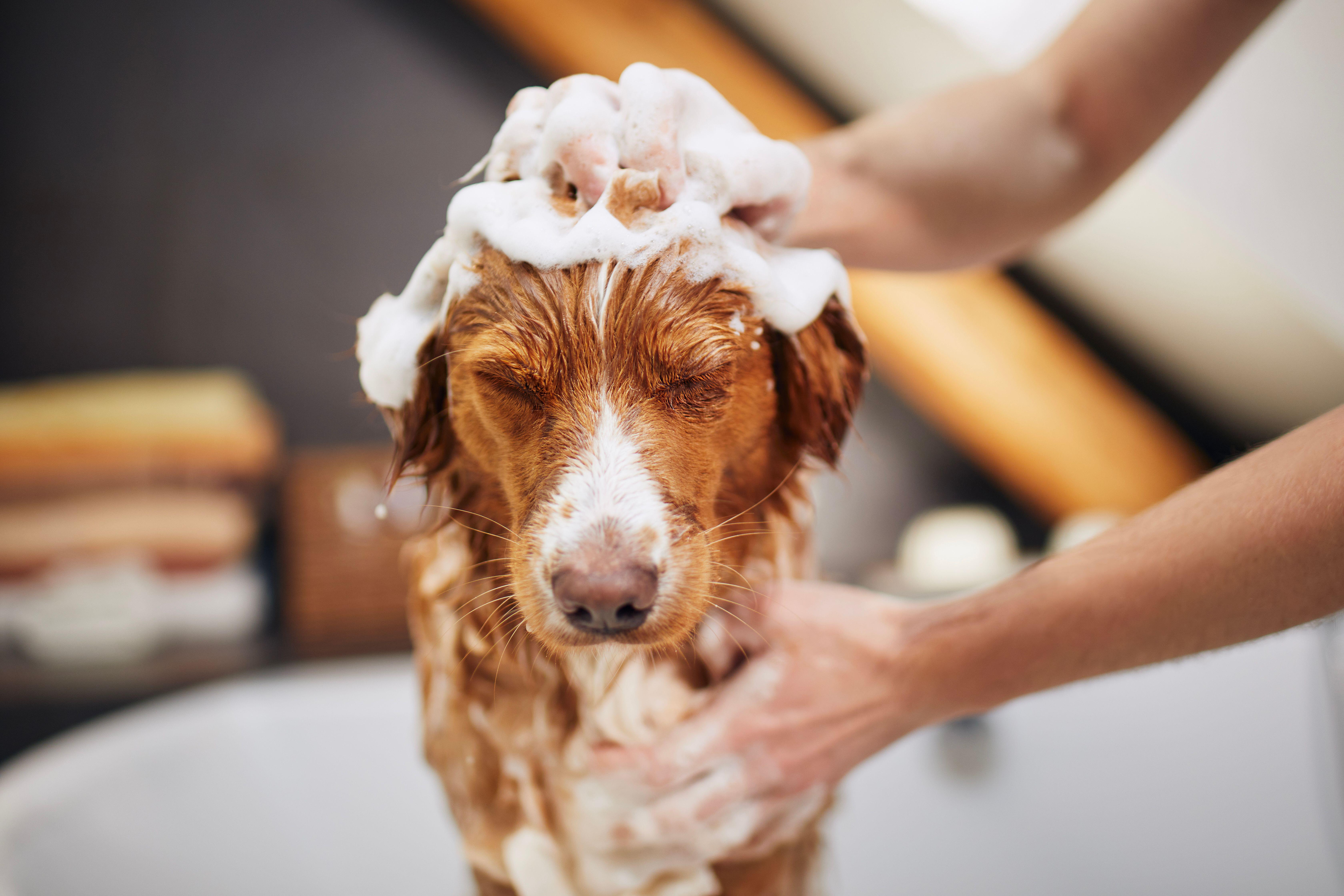
Regular grooming and bathing of your pet can significantly reduce the amount of dander they shed, says Ms Crombie.
“Designate pet-free zones in your home, particularly in bedrooms, to minimise exposure to allergens.”
“Wash pet bedding frequently, and vacuum areas where your pets spend the most time,” she continues.
“Using an air purifier with a HEPA filter can also help trap pet hair and dander, improving indoor air quality.”
Minimising pollen indoors
During allergy season, pollen can easily find its way into your home, warns Ms Crombie.
To minimise exposure, she says to keep windows and doors closed on high pollen count days, especially in the morning and early evening when pollen levels are highest.
If you’ve been outside, she suggests changing your clothes and showering to remove pollen from your skin and hair before relaxing indoors.
Moreover, using an air purifier with a HEPA filter can also help capture airborne pollen, reducing its impact inside your home, she says.
“Washing curtains and regularly dusting blinds will prevent pollen from settling on these surfaces.”
Experts’ answers to some of the most common allergy season questions
Allergy season is here. Here’s how to keep your symptoms at bay
An expert explains how to protect your lungs from hayfever, dust and damp
Wellness brand announces new product range for those on weight-loss jabs
Family’s struggle for answers as baby battles ‘floppy infant syndrome’