Air pollution is slowing the lung growth of children in the UK, a study has found.
The lung function of over 5,000 people who were born in and around Bristol from the 1990s was tracked by scientists from birth onwards.
Their lungs were tested at the age of eight years old, then at 15, and finally at 24, when their lung function should have fully developed.
The researchers calculated the children’s air pollution exposure – particle pollution and nitrogen dioxide from diesel cars and fossil gas boilers – in each trimester of pregnancy and then for each year of early childhood.
Prof Ann Hansell, of the University of Leicester, who led the study, said the researchers spent years creating the “particulate air pollution exposure estimates in pregnancy and early life”, by sourcing road traffic data from Bristol city council.
The lung function was measured using spirometry. Participants were asked to take a deep breath in, then blow out hard and fast into a mouthpiece.
A machine measured both the amount of air they can breathe out and the speed of that breath.
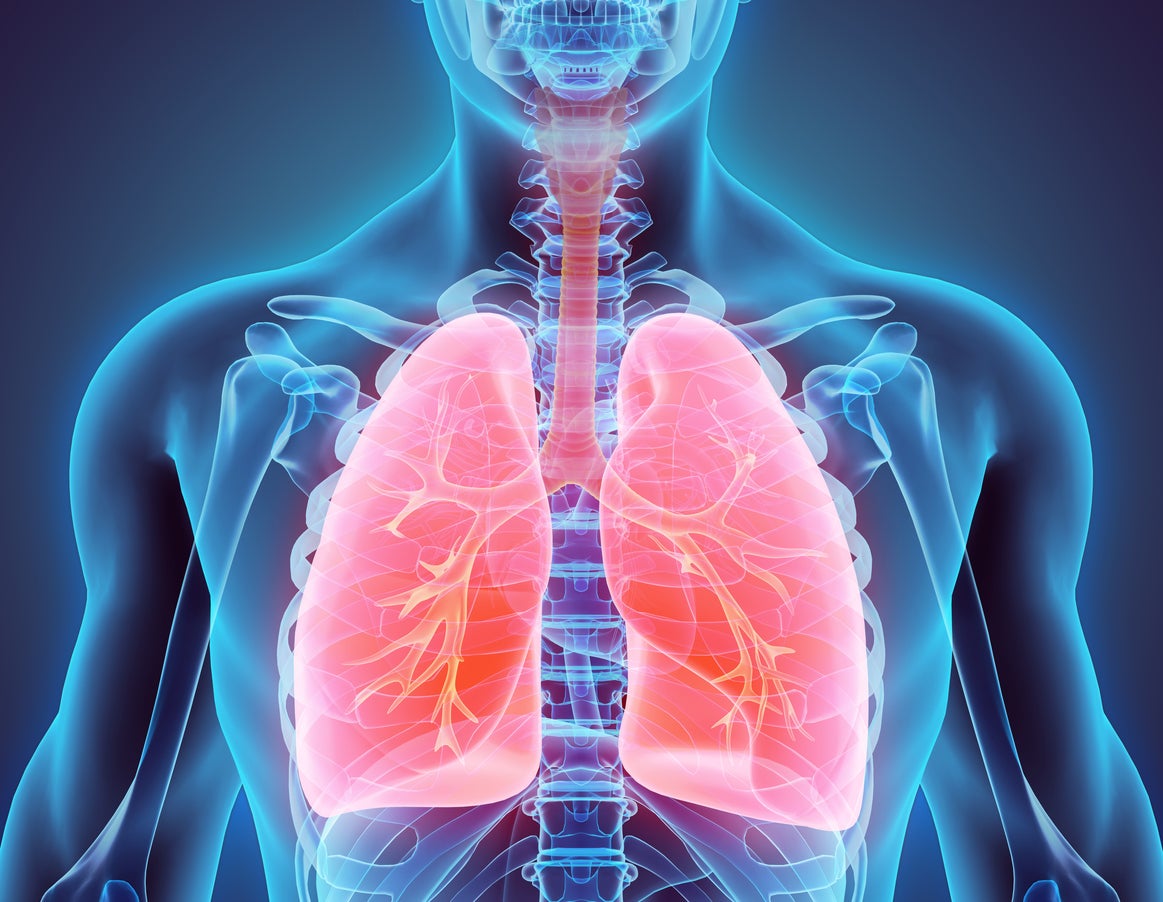
They found that the more air pollution breathed in during pregnancy, infancy and early childhood, the slower the lungs developed all the way up to early adulthood. The greatest impact took place in adolescence, the time of fastest growth.
The scientists also carefully considered other factors that affect children’s health, such as premature birth, breastfeeding, parental smoking and living conditions such as damp and mould.
“Those whose lungs didn’t grow to maximum potential in childhood may be more vulnerable to the respiratory diseases of later life because they have a lower reserve. They are also more vulnerable to poorer health generally,” Prof Hansell told The Guardian.
She added that low lung function in adults is associated with the same level of risk of heart disease as having high cholesterol.
A study in 2019 showed that air pollution was reducing the growth of children’s lungs in east London, where the average nine-year-old’s lungs were between 90 and 100 millilitres smaller than they should be.
More recently, researchers found that long-term exposure to fine particulate air pollution, known as PM2.5, was linked to a higher risk of developing Alzheimer’s disease even after accounting for common health conditions such as high blood pressure, stroke and depression.
The study, published in PLOS Medicine, analysed data of 27.8 million US Medicare recipients aged 65 and above between 2000 and 2018, and compared exposure to PM2.5 – microscopic particles small enough to enter the bloodstream – with later diagnoses of Alzheimer’s.
Reducing air pollution helps to improve quality of life, as a US 2024 study led by scientists at the EPA estimated that a 39 per cent nationwide decrease in airborne PM2.5 from 1990 to 2010 corresponded to a 54 per cent drop in deaths from ischemic heart disease, chronic obstructive pulmonary disease, lung cancer and stroke.
In the same period, the study found that a nine per cent decline in ozone corresponded to a 13 per cent drop in deaths from chronic respiratory disease.