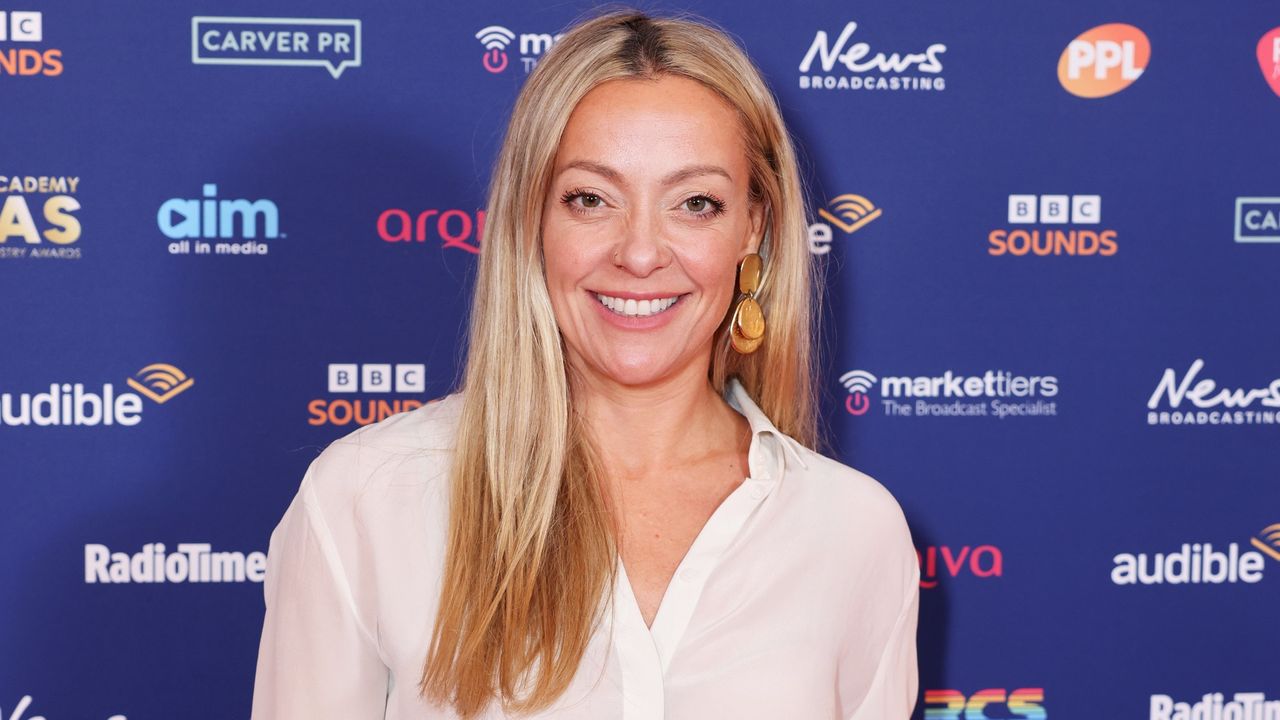
Presenter Cherry Healey has shared how her experience of perimenopause has led her to believe this is stage is the "main event," rather than menopause itself.
Hitting this stage of life saw her go through terrible anxiety, and her relationship break down. Although she'd reached the point of re-evaluating what the union meant to her, perimenopause was one of the catalysts for pulling the plug on it.
When she turned 40, the broadcaster began to experience days of "wild anxiety," accompanied by waking at 4am with palpitations and feelings that her "heart would beat out of my chest."
Speaking on the Well Enough podcast with Fitness and Wellbeing Editor Emilie Lavinia, she recalls being diagnosed as perimenopausal a couple of years after noticing these symptoms.
Cherry remembers feeling "far too young" to have reached this stage - she believed she was depressed and was about to visit her GP to ask for antidepressants when she got her diagnosis.
Feeling lucky to have spoken to somebody who quickly understood what was happening to her body, the presenter acknowledges the multitudes of women who aren't so fortunate.
"We lose so many women out of the workforce when they hit their 40s, relationships end - some end because the woman cannot cope with her symptoms," she says.
When Emilie Lavinia refers to perimenopause as a "dress rehearsal," Cherry shares her belief that this isn't the case, and perimenopause is actually "the main event."
Explaining her reasoning, she says that menopause is when periods have stopped altogether and is effectively the culmination of the main event of potentially a 10-year run-up when "your hormones are changing," and symptoms are actually their most challenging.

Addressing the impact of perimenopause on her relationship, Cherry says perimenopause gave her so much worry over whether the union was right for her, she was left unsure whether she would've felt the same way if she wasn't so anxious.
"I was really sad to leave that relationship, it's really hard to break up with someone you still love," she says, adding, "But the anxiety was a gremlin at my door going, 'Something's not right here.'"
"It was hormones, I just didn't know it at the time," she shares.
Alongside anxiety and relationship issues, Cherry also experienced urinary tract infections (UTI) as a symptom of perimenopause. Although she'd previously experienced UTIs in her life, they "just got worse and worse" when her hormones began to change.
One UTI left the presenter "shivering and shaking," and telling a friend, "I think I'm dying." The infection spread to her kidneys, leaving her "close to having sepsis."
After everything she's been through with perimenopause, Cherry has advice for any woman in her 40s experiencing or heading towards their own years of hormonal change.
"Sit down and ask yourself, 'What do I normally feel like?'" she says, adding that women's resilience often depletes during this time and they find decisions harder to make.
She urges women not to look for classic symptoms such as hot flushes, but simply to consider whether they feel any differently to how they normally would. If so, it could be time to get expert help for perimenopause.