Quick Summary
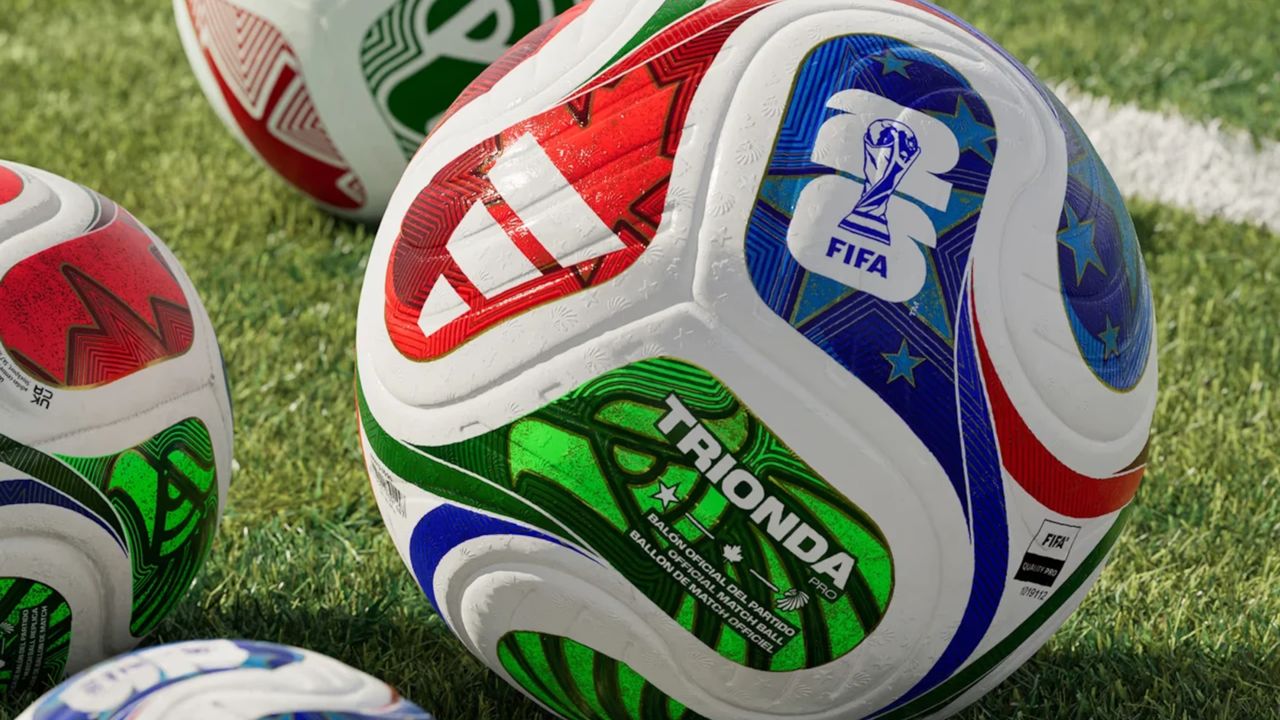
Adidas has unveiled the official World Cup 2026 match ball, and it packs more technology than any used at a FIFA tournament before.
The Trionda features a built-in sensor that tracks every touch in real time and feeds data directly to match officials.
The official ball for the 2026 FIFA World Cup has arrived, and Adidas may have just created the smartest football ever used in a professional match.
Called the Trionda, the new ball will be used throughout next year's tournament across the US, Canada and Mexico. But while the design is eye-catching enough, it's the technology hidden inside that makes this one stand out.
At the heart of the ball is a 500Hz motion sensor that tracks movement and contact in real time. Every touch, deflection and strike generates data that can be sent directly to match officials and VAR systems.
Connected-ball technology isn't entirely new. FIFA first used it at the 2022 World Cup. But Adidas has pushed things further with the Trionda, combining the sensor with a redesigned construction that uses just four panels – reportedly the fewest ever used on an official World Cup ball.
That data helps officials make faster decisions on offsides, handballs and disputed touches. In theory, it should mean fewer delays and more accurate calls. Whether that also means fewer arguments is another matter entirely.
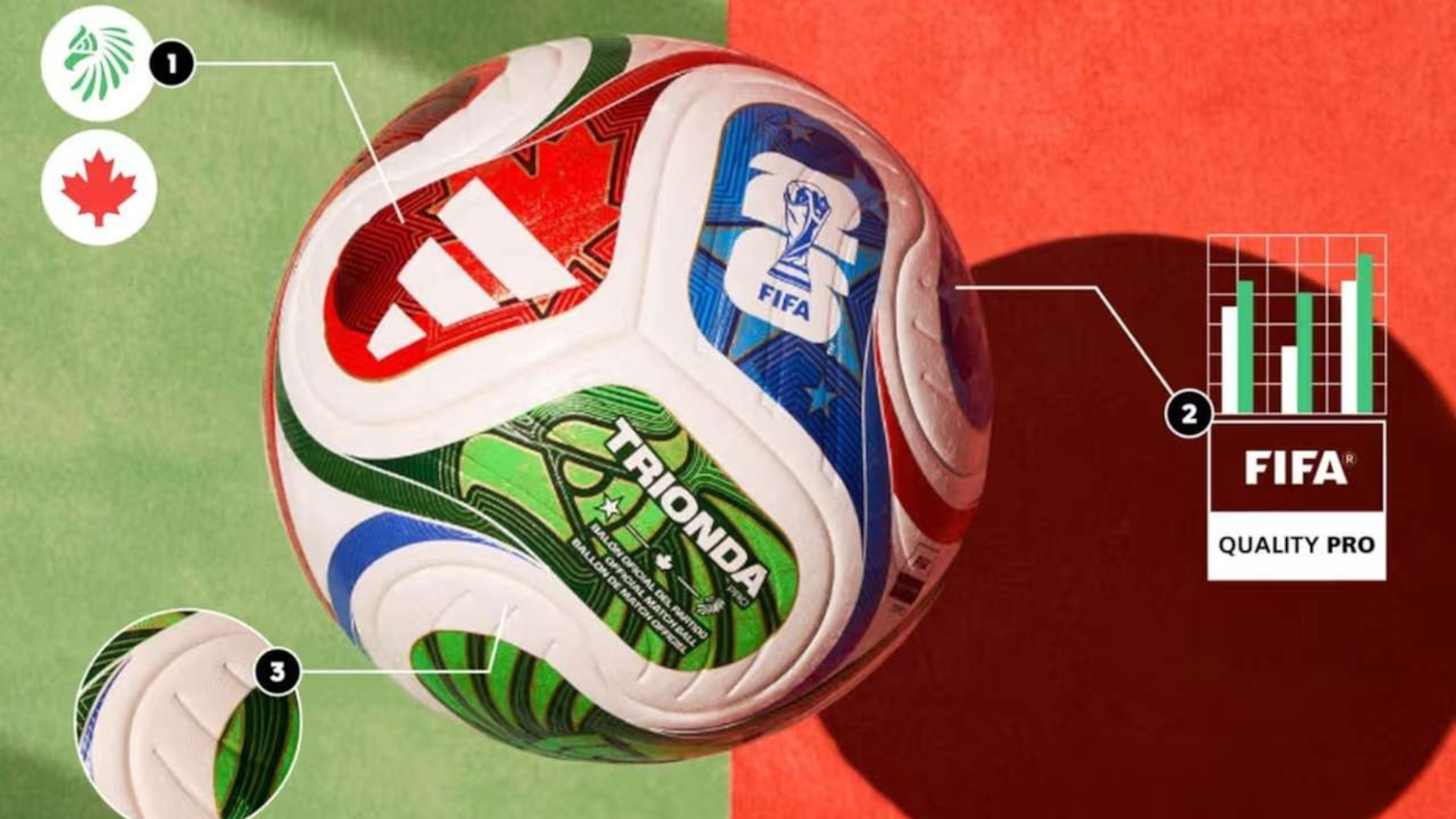
Adidas has also focused on performance. The company says the panel layout improves flight consistency, while a textured surface aims to offer better grip and control in different conditions.
The design itself pays tribute to the three host nations. Red, green and blue graphics represent Canada, Mexico and the US, while the name combines "tri" for the three countries and "onda", meaning wave.
For most fans, the technology inside the ball will remain invisible. But when the World Cup kicks off next summer, there's a good chance some of the tournament's biggest decisions will depend on the tiny sensor hidden beneath the surface.