When there are signs of movement upwards in the ground around a live volcano, one of the first things done by scientists would normally be to pay close attention to the development of the situation. Traditionally, any such movement in the ground is viewed as a main sign of the flow of magma under the surface.
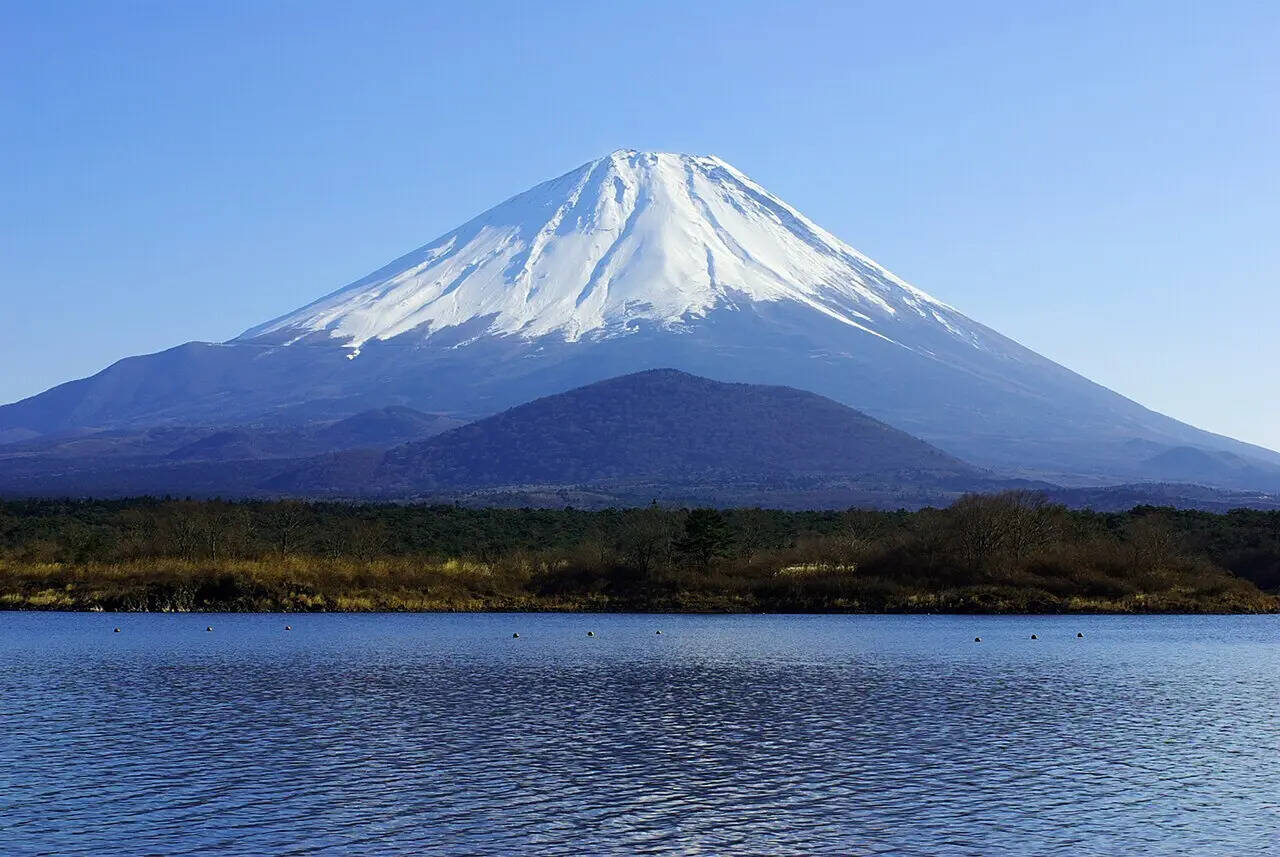
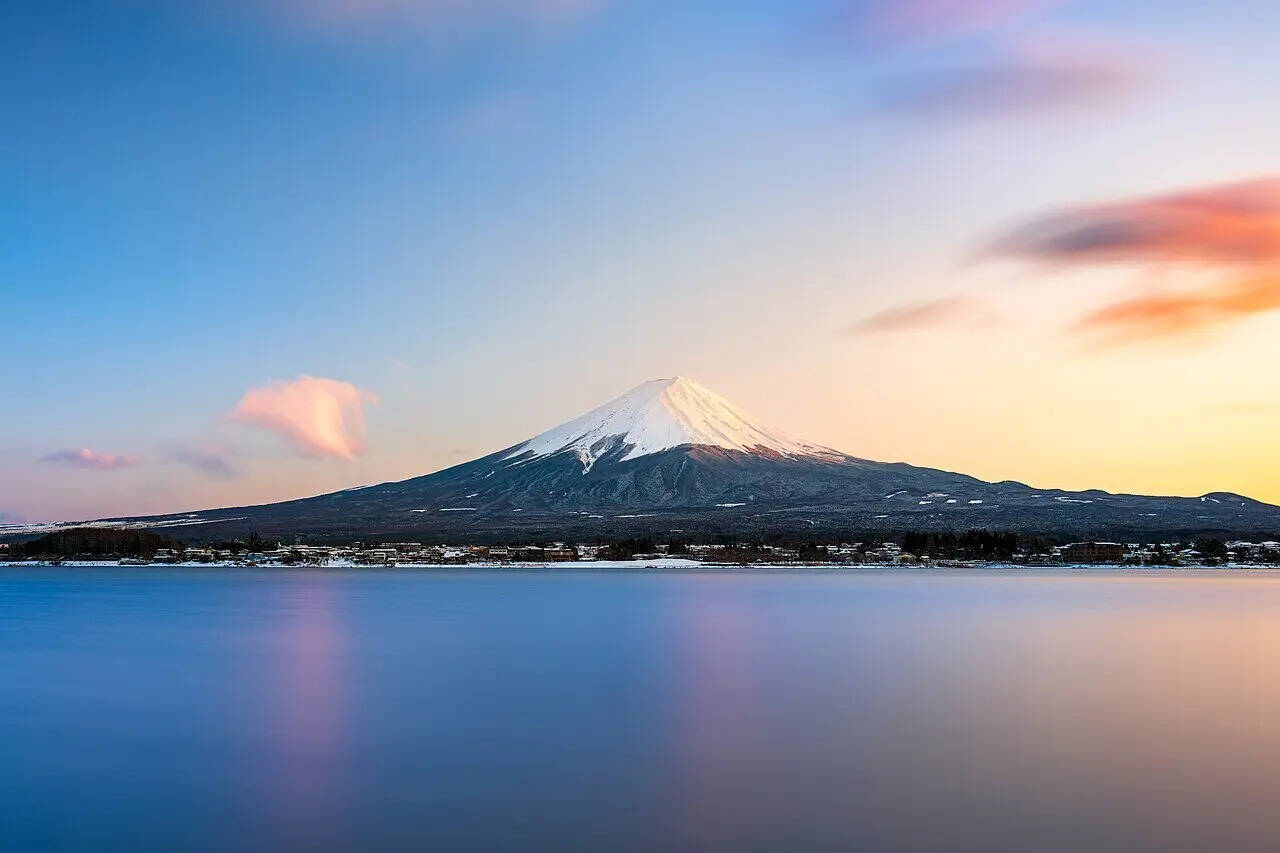
However, a development at Japan's most famous peak is changing how geologists interpret subtle ground deformation around volcanoes. Sensors placed around Mount Fuji have revealed that the ground actually expands upward by as much as two centimetres during periods of heavy rainfall. This temporary swelling has nothing to do with molten rock or volcanic threats, but is instead the result of a highly unusual structural layout hidden just beneath the mountain slope.
It emerged from the careful analysis conducted by the research team at the Hong Kong Polytechnic University. This group of scientists analysed daily observations accumulated over six years by the network of observation stations surrounding the volcano. The comparison of the precise measurements provided by the instruments with the weather data enabled the researchers to discover that the volcano rose over short periods following heavy rainfall and returned to its initial height after the end of precipitation.
Water is responsible for the temporary rise
What causes this phenomenon? According to researchers, the key factor here is related to the specific structure of Mount Fuji. The volcano was formed by layers of solidified lava flows, each of which is covered by a layer of porous rock called clinkers. Clinker is a kind of loose rock that is formed due to the rapid cooling of the edge of a flowing lava massif.
This hidden mechanism is thoroughly documented in a geological research study published in the journal Geology titled Heavy rains inflate Mount Fuji, central Japan . The authors of the study explain that these clinker horizons function like natural, underground aquifers that efficiently collect and store rainwater. When a major storm drops massive amounts of water onto the upper slopes of the volcano, the liquid fills pore spaces in the shallow aquifer layers within these porous subterranean channels.
As water is not easily compressible, this abrupt gathering of liquid creates an outward push in cases where there is no way for it to flow sideways. Thus, being unable to go anywhere, this pressure lifts the ground surface above it, which is detected by the sensitive measuring equipment operating in the region. Surprisingly, the researchers discovered that at a greater distance from the summit, stations situated 25–40 kilometres from the peak recorded a slight subsidence of the ground during heavy rains.
A valuable instrument in the hands of volcano monitors
The findings give volcanologists a practical means to distinguish between regular rainstorms and potentially dangerous underground activity occurring beneath the ground's surface. One key clue is timing: rain-driven uplift is short-lived, while magma-driven deformation usually persists or evolves. The ground lifting caused by excessive moisture lasts typically only a day or two.
This stands in stark contrast to the fact that ground deformations associated with active magmatic processes do not suddenly vanish once the cloud cover disperses. With magma accumulating underneath the volcano, the pressure inside does not change or instead rises gradually within weeks, months, or even years. Through the realisation that temporary inflation is only the reaction of hydrology to meteorological changes, researchers can avoid false alarms while achieving far greater accuracy in assessing volcanic risks.