
No matter how much you keep on top of your general housework routine, certain areas of the home often remain overlooked, and when left, they can slowly accumulate dirt and build up an unpleasant smell.
Whether you're utilising expert cleaning hacks in the kitchen or for bathroom chores, it's easy to forget common spots around your home, because they don't necessarily feel like they need cleaning. But that would be an error, because anything that collects dust, dirt or moisture can be detrimental to making your home smell good.
Here are a few of the most common places we all forget to clean, and why giving them a little attention can make a big difference.
9 areas you're neglecting to clean that are causing your house to smell
A home can look perfectly clean but still have a slightly unpleasant smell lingering in the background. More often than not, the culprit isn’t something obvious; it’s the everyday items and hidden spots we forget to clean.
According to ITV This Morning's resident cleaning expert Lynsey Crombie, these overlooked areas can quietly trap moisture, dust, crumbs and bacteria, which over time can create musty or stale smells around the house.
1. Thick pile rugs
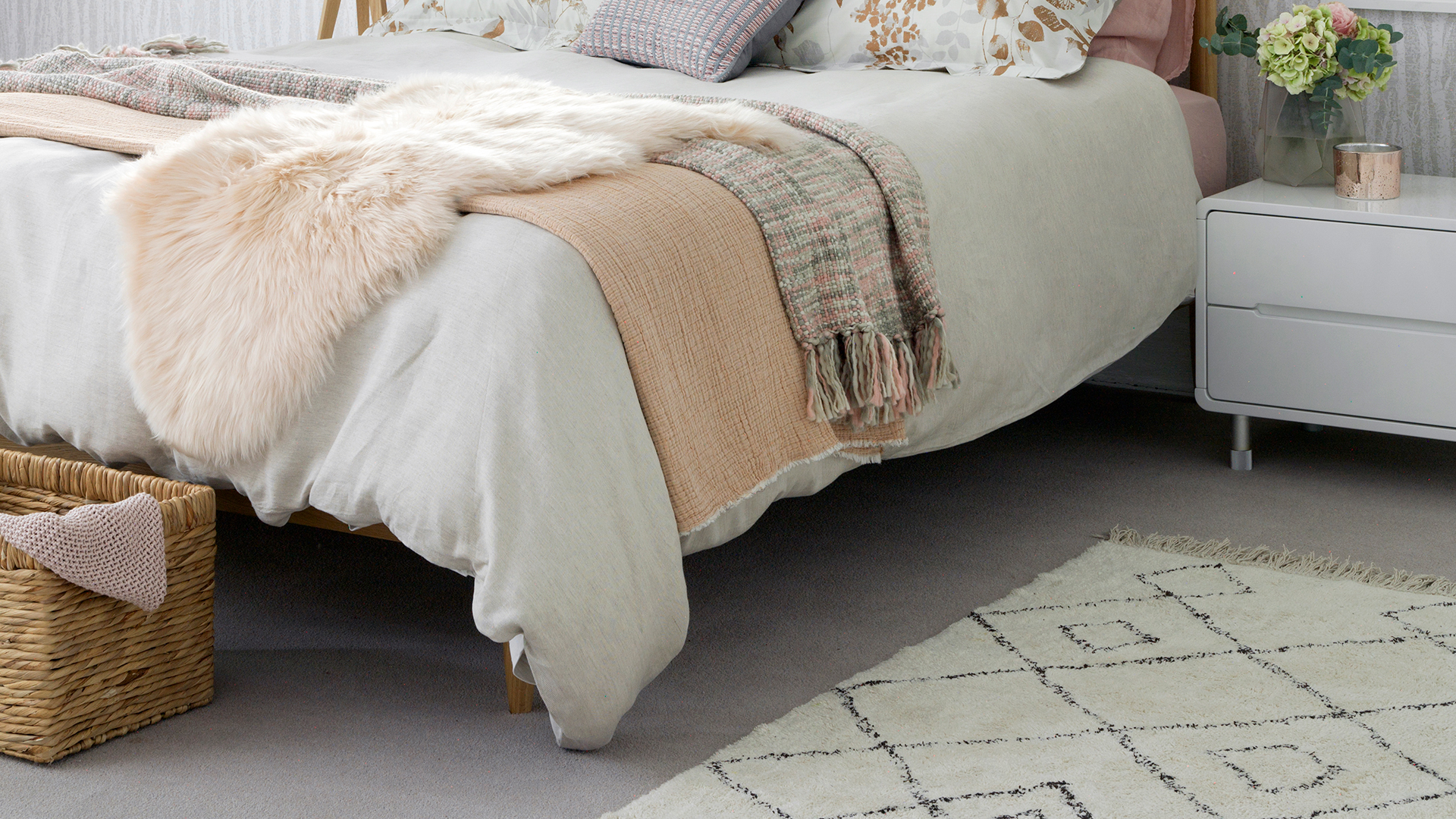
I recently moved a thicker rug from the living room to the bedroom and while doing so noticed a slightly unpleasant aroma. Despite it being regularly vacuumed, it was clearly dirtier than it appeared. Turns out this is one of the prime places we forget to clean with enough frequency – it also falls prey to a common vacuuming mistake.
"Deep, thick rugs are lovely underfoot, but they’re also very good at trapping dust, crumbs and pet hair deep within the fibres," says Lynsey. "If they aren’t vacuumed thoroughly or aired out regularly, they can begin to develop a slightly musty smell.
A slow, methodical vacuum, ideally going over the rug in multiple directions, helps lift debris from deep within the pile. When possible, taking rugs outside for a good shake and letting them air in fresh air can also help refresh them."
2. Shoe Storage Areas
When it comes to creating a welcoming hallway, a bad smell doesn't make a good first impression. Despite keeping on top of mopping floors and brushing doormats reguarly there is another common area that we often forget to clean entirely.
"Hallway cupboards and shoe racks can kick up a stale smell, particularly during wet weather when shoes are damp," says Lynsey. "Airing shoes properly and sprinkling a little bicarbonate of soda inside them can help absorb odours. Even placing a few dry tea bags in shoe cupboards can help freshen the space."
It doesn't harm to keep a deodorising spray handy to keep your footwear smelling fresh. A natural spray with powerful essential oils will ensure they are scented with care.
3. Radiators
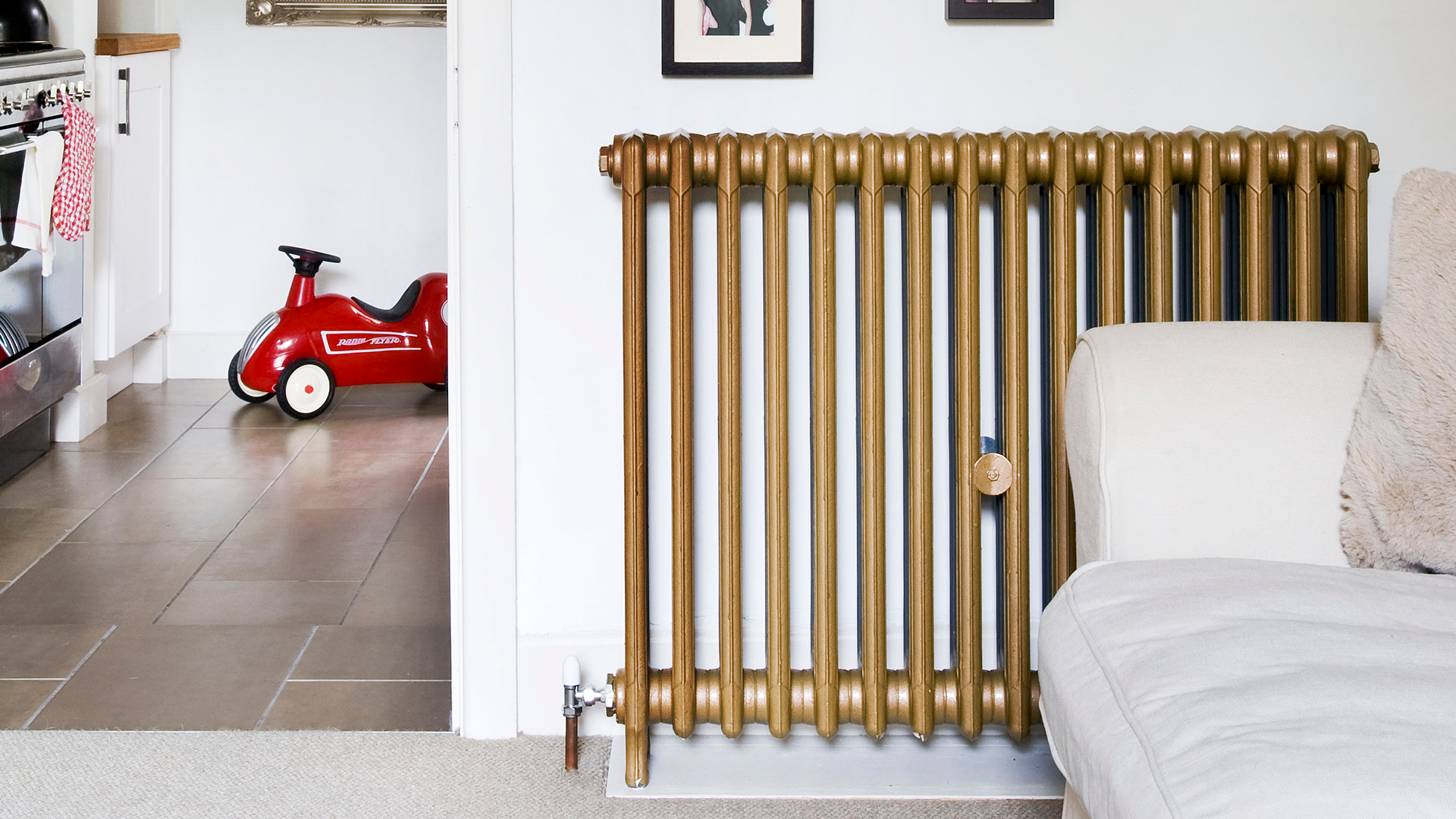
Radiators are undoubtedly the easiest place to overlook when doing chores, because cleaning radiators efficiently is a fiddly process.
"Radiators are rarely top of the cleaning list, but they collect a surprising amount of dust behind and inside the panels," Lynsey explains. "When the heating is switched on, that dust can circulate through the room and create a stale smell."
Using a radiator brush or even a hairdryer on a cool setting can help push the dust out from inside the radiator so it can be vacuumed away.
This targeted Microfibre Radiator Brush is specially designed to clean the hard-to-reach places, making getting between the zigzags on the back of a radiator a breeze. The microfibre material is tailor-made to trap dust and dirt, to ensure the backs of your radiators are clean with minimal effort.
4. Dishcloths and Sponges
It was an old sponge that first alerted me to a nasty smell in my kitchen. Dishcloths and sponges are used constantly but are often overlooked when it comes to cleaning.
"Because they stay damp, they can hold on to bacteria, which quickly develop a sour smell," Lynsey explains. "Changing dishcloths daily and washing them regularly on a hot cycle helps keep them hygienic."
I have just purchased a rack to pop over the corner of the sink to ensure my sponges are aired, which should help to keep them smelling fresh.
Designed to cover a sink corner, with a silicone coating and stainless steel frame, this rack is ideal for giving cloths, brushes and sponges a place to air so they don't begin to smell damp.
5. Sofa Cushions

I now make a habit of removing the cushions more regularly to avoid any unwanted bits down the side of the sofa. "Sofas quietly collect crumbs, dust and even body oils over time," Lynsey explains, rather grimly. "These can build up beneath cushions and within the fabric, sometimes creating a slightly stale smell."
"Removing cushions regularly and vacuuming underneath and between them helps keep sofas feeling fresh, while a light fabric refresher can give upholstery a quick boost."
6. Bath Mats
We should probably all be washing bath mats more frequently. Bath mats absorb moisture every day, making them a common source of damp odours in the bathroom.
"When they’re left unwashed for too long, mildew can quickly start to develop," Lynsey explains. "Washing bath mats weekly and ensuring they dry properly between uses can help keep them fresh and prevent that lingering damp scent."
A wooden bath mat avoids the problem of damp fibres altogether. Because the board is elevated from the floor any moisture gets a sufficient airing so it doesn't start to smell bad.
7. The fridge door seal
While we might consider cleaning the rubber seal on a washing machine, we might not always think of doing the same with the fridge – and yet with food particles at play, we really should.
"The rubber seals around fridge doors can easily trap crumbs, moisture and small food particles," Lynsey is quick to point out. "This hidden build-up, if left, can cause unpleasant odours.
A quick wipe with warm soapy water or white vinegar keeps the seals clean and helps prevent smells from developing."
8. Washing Machine and Dishwasher Filters
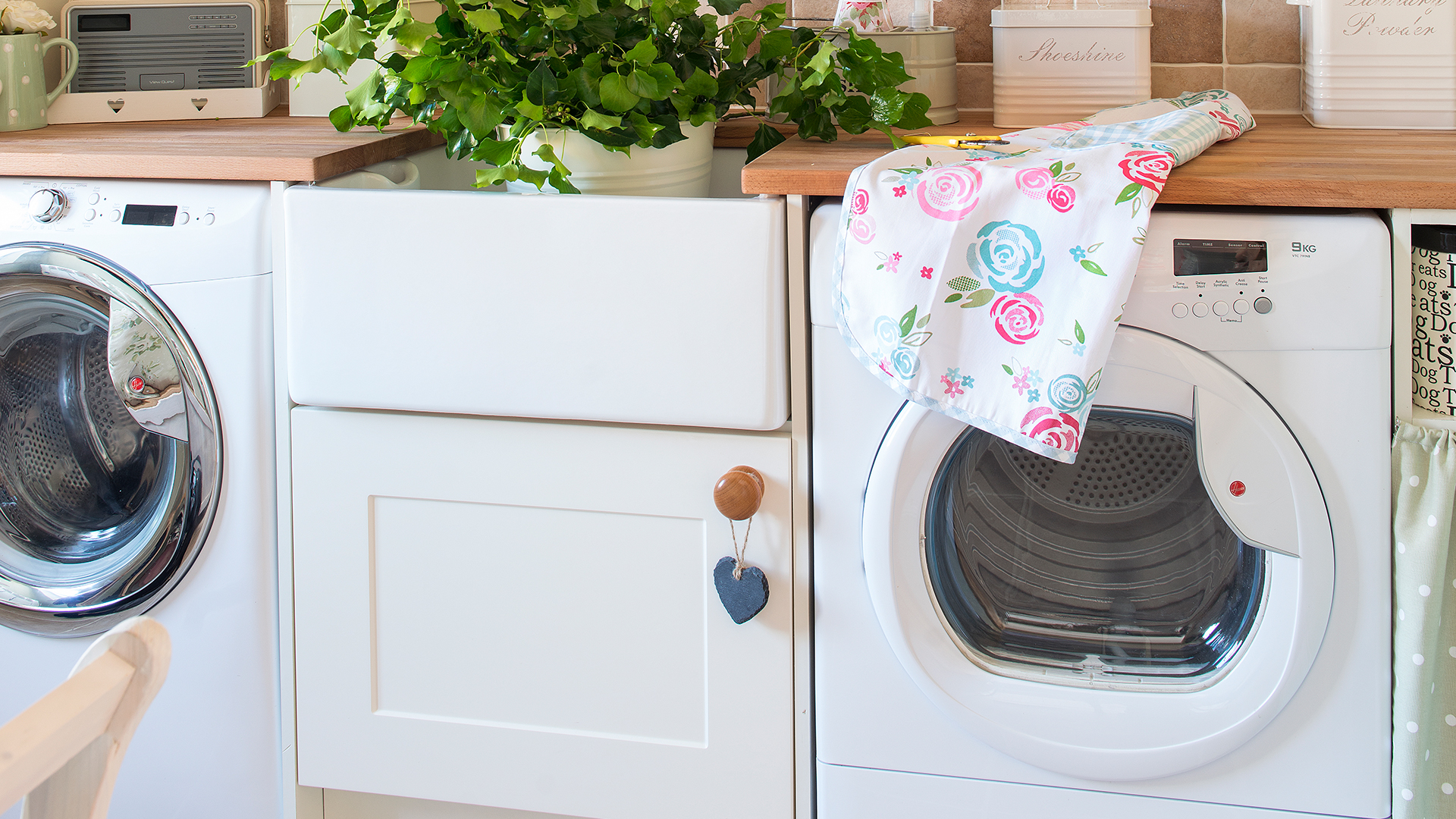
If your washing machine starts to smell less than fresh, the filter is often to blame because it accumulates all the leftover nasties after each wash.
"Filters collect lint, hair and small debris from each cycle, and if it’s not cleaned regularly, it can begin to smell," agrees Lynsey. "Giving the filter a quick clean every couple of weeks and occasionally running a hot empty cycle can help keep the machine fresh."
9. Drains and Plugholes
I guess less surprising, but definitely one that very quickly becomes unbearably bad-smelling is a sink, particularly in kitchens. Despite being careful of the things you should never pour down a kitchen sink, you can still incur a slow buildup that starts to smell.
"Kitchen and bathroom drains are another hidden source of smells, often collecting soap residue, grease and food particles. A simple trick is to pour bicarbonate of soda followed by hot water down the drain to help break down build-up and keep things smelling fresh," advises Lynsey.
Her natural method for cleaning a kitchen sink drain is just one of the many effective ways of cleaning with baking soda.
And we didn't realise until we saw Nancy Birtwhistle's sink cleaning method that you can fully remove the plug in certain sink designs (namely Butler or Belfast sinks) to give it a thoroughly good clean.
Another huge culprit for nasty smells in the house, but not a remotely surprising one, is bins, particularly kitchen bins. Even when bin bags are changed regularly, spills and crumbs can still collect at the bottom of the bin or underneath it. Very quickly, this can create unpleasant odours in the kitchen.
"A quick wipe inside and around the bin with antibacterial cleaner, followed by a sprinkle of bicarbonate of soda at the bottom, can help absorb lingering smells," Lynsey adds to finish.