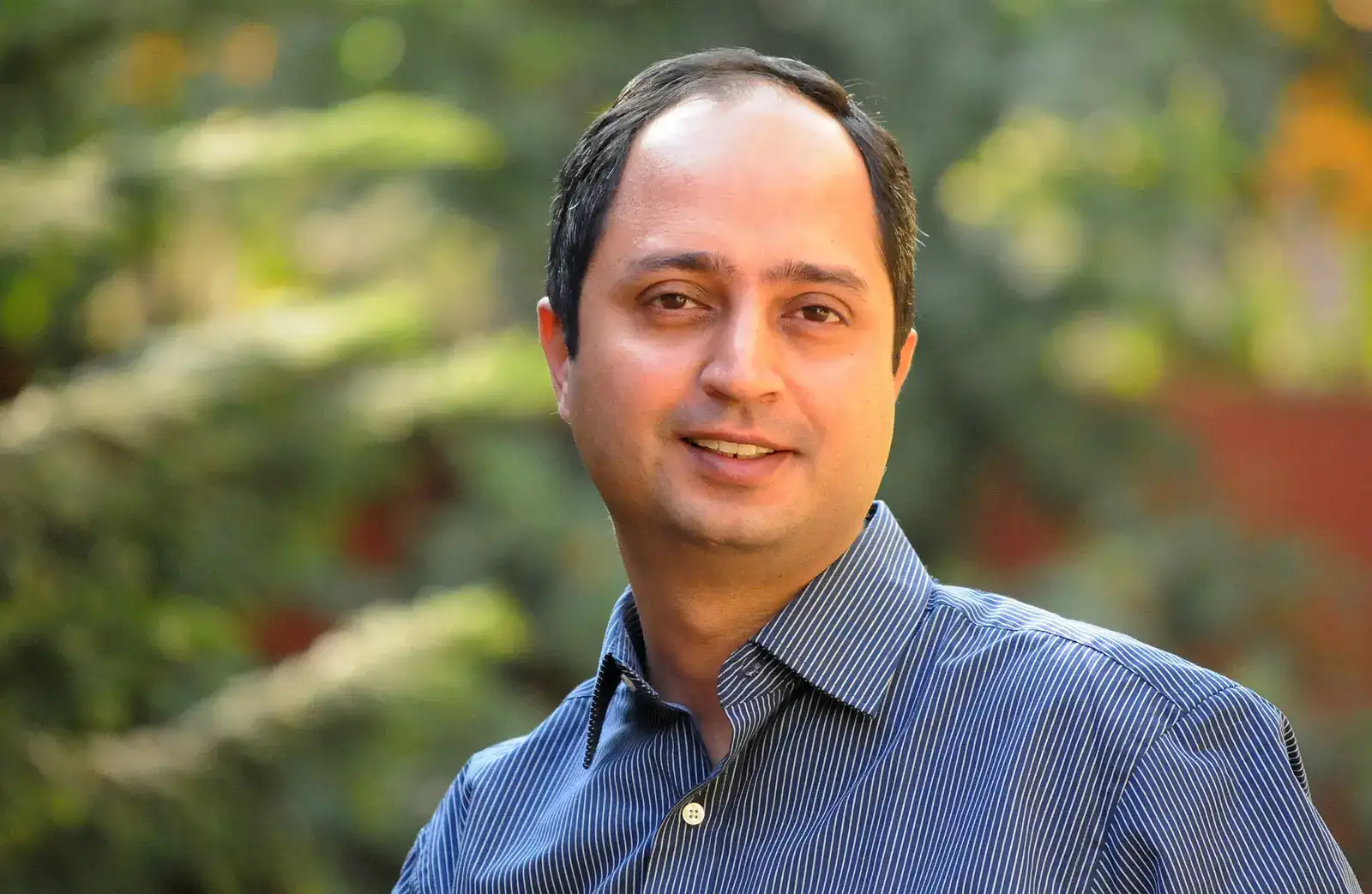
As India tightens enforcement of Extended Producer Responsibility (EPR) norms and grapples with mounting plastic waste, technologies capable of processing so-called “hard-to-recycle” materials are coming into sharper focus. PolyCycl, a Chandigarh-based circular economy technology startup, is positioning itself as a solution provider for low-value, flexible plastic waste streams that often escape conventional recycling systems. Founded in 2016, the company has developed a patented chemical recycling technology that converts hard-to-recycle plastics such as single-use polythene bags, flexible polyolefin packaging films and food-contaminated items into liquefied hydrocarbon oils. These oils serve as high-value circular feedstocks for producing new low-carbon plastics, renewable chemicals and sustainable fuels, effectively transforming waste into usable raw materials. By breaking down complex plastic waste into its molecular building blocks, the technology enables plastic-to-plastic circularity, allowing such materials to be converted into new polymers with properties identical to those derived from fossil fuels. In an interaction with ET Online at an expo in Delhi, Amit Tandon, Founder and CEO of PolyCycl, explains how the technology works, the structural gaps in India’s recycling ecosystem, and what stricter EPR enforcement could mean for brands and the broader plastics value chain. Edited excerpts:
ET: Punjab’s latest PPCB audit flagged that 88% of plastic waste is “hard to recycle.” Can your technology address this?
Amit Tandon (AT): A major portion of what the PPCB identifies as “hard to recycle” is actually polyethylene (PE) and polypropylene (PP) packaging—the materials most widely used in everyday consumer goods. This includes single-use items such as flexible grocery bags, milk and detergent pouches, thin carry bags, protective wraps, disposable tubs and other low-value or soiled flexible plastics that current mechanical recycling systems are unable to process efficiently.
PolyCycl’s technology is designed to treat these PE- and PP-rich waste streams and convert them into circular feedstock through controlled molecular recycling. The plastics are thermally broken down and liquified into hydrocarbon oils, which are then purified through proprietary multi-stage treatment. The resulting oils meet petrochemical specifications required to produce new, low-carbon circular polymers, which have properties identical to conventional polymers made from fossil crude.
Another part of the challenge arises from multilayer laminates where multiple materials are combined. As brand owners shift these structures toward mono-material formats, they become suitable feedstock for chemical recycling. Addressing the problem at scale will therefore require both better packaging design and downstream technologies capable of processing contaminated and mixed plastics that would otherwise end up in landfills or incineration.
ET: In your view, why has India’s recycling ecosystem struggled despite EPR mandates?
AT: Several structural and regulatory gaps continue to limit the effectiveness of India’s EPR framework for plastic packaging. Compliance and data reliability remain weak, with only 22% of producers, importers and brand owners and plastic waste processors filing annual reports as per latest official data. Audits have also revealed significant discrepancies between declared and actual recycling capacities, with some entities generating certificates far exceeding their real processing ability.
At the same time, the system has increasingly become certificate-driven rather than recycling-driven. Oversupply of certificates and instances of fraud allow obligations to be met on paper without improving actual waste collection or recycling outcomes. The absence of clearly defined penalties has further weakened enforcement.
India’s waste stream itself adds to the challenge. A large share consists of flexible and multilayered plastics that are difficult to recycle mechanically, making a shift toward mono-material packaging essential. Downstream markets for recycled materials also remain limited, particularly as recycled content in food-contact applications is largely restricted to PET and regulatory clarity around chemical recycling is still evolving. Together, these factors mean that while EPR mandates exist, they have yet to translate into a fully functional circular system.
ET: What risks do brands face if they fail to adapt to stricter EPR enforcement?
AT: The risks are immediate and material. They include financial penalties and potential legal action from regulators, reputational exposure as audits become more transparent, and increasing pressure from global buyers who are demanding verified circular materials. There is also the risk of higher long-term costs if compliance is delayed or handled inefficiently.
Recent moves such as PPCB setting time-bound deadlines for compliance plans indicate that enforcement is becoming more direct and outcome-focused, with regulators expecting concrete and verifiable action.
ET: Can you explain your technology in simple terms?
AT: One way to understand chemical recycling is to think of plastics as a complex LEGO model. However intricate the structure may appear, it is ultimately made of simple building blocks that can be taken apart and reused.
PolyCycl’s technology works on the same principle. It breaks down used plastics into their fundamental hydrocarbon molecules, which can then be used to manufacture new materials, including low-carbon plastics. The process begins with pre-cleaned waste entering the system, where it is compacted and heated to remove moisture and impurities. The material then enters a continuous reactor, where it is converted into vapours through controlled heating.
These vapours are further processed, cooled and condensed into liquid hydrocarbon oils, which are purified to remove contaminants such as chlorine and other trace elements. The final output is a high-purity circular feedstock that can be used by petrochemical companies to produce new plastics, including food-grade polymers.