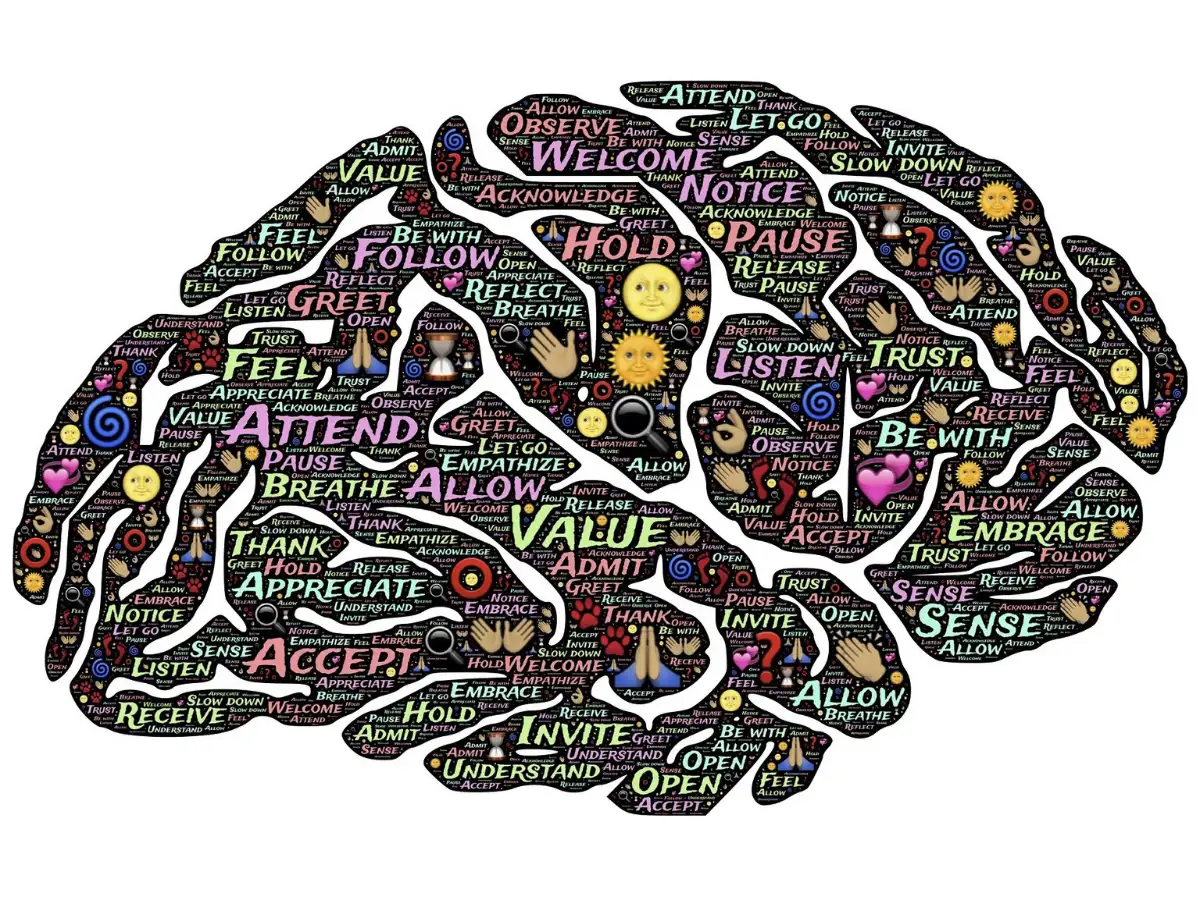
For many years, studies on memory have indicated greater retention when information is associated with visuals, location, motion, and retrieval processes rather than repetition, and these principles feature prominently in practices related to Japanese schools, Japanese workplace safety protocols, and mental training routines. Even though it may be impossible to completely prevent people from forgetting, some practices involve techniques that help the mind forge better pathways for future retrieval of information. Based on research compiled at the National Library of Medicine, techniques such as those that use spatial memory, active retrieval, and focused attention tend to outperform rereading and memorization. The point is that human beings are likely to recall information more easily when it is connected to something concrete rather than as a solitary piece of data.
One of the most widespread myths about memory is that high recall ability is based mainly on repetition, since more and more scientists nowadays refer to memory as a problem of retrieval rather than storage. It is evident that the required information exists in memory, but the brain has difficulty finding its way back to it. The results of studies conducted by the National Institutes of Health and others indicate that using visual images, performing actions, navigating space, and repeating retrieval enhance recall because the person establishes multiple access routes to the required information, giving the brain different options for locating it.