
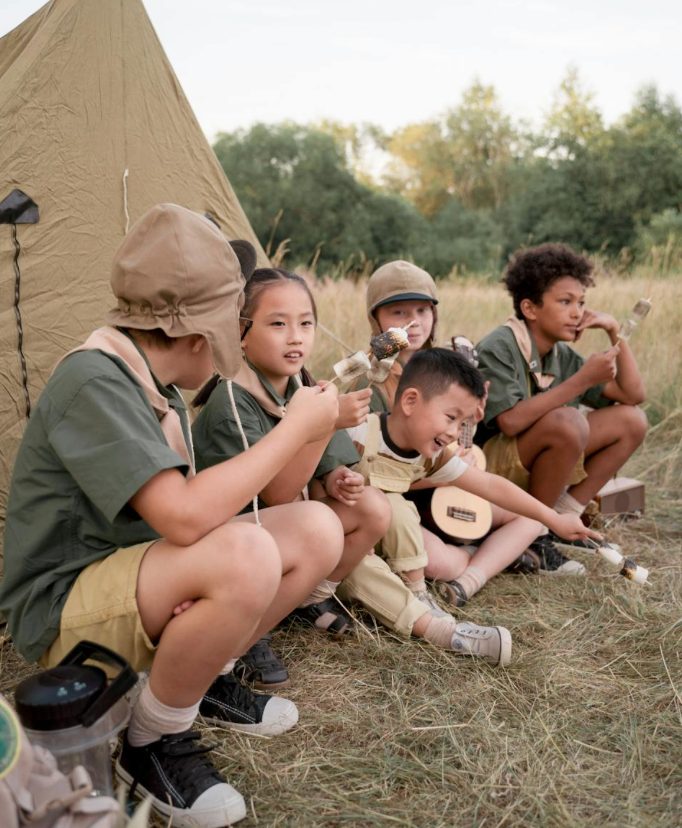
Summer camp can be a life-changing experience for kids, offering friendship, confidence, and outdoor adventure. But not every camp delivers the safe, enriching environment parents expect. In recent years, reports involving poor supervision, unsafe activities, and inadequate staff training have raised serious concerns about summer camp safety. Knowing the warning signs can help parents avoid costly mistakes and protect their children from preventable risks.
1. Camps With Poor Staff Screening and Training
One of the biggest threats to summer camp safety is poorly vetted staff. A quality camp should conduct background checks, verify references, and train counselors in emergency response, child supervision, and conflict resolution. If a camp avoids questions about hiring practices or gives vague answers, that is a major red flag. Imagine sending your child to a camp where a teenage counselor is supervising a lake activity without CPR certification. Parents should never assume training standards are automatic; they should ask directly.
2. Camps That Ignore Safety Protocols
Some camps prioritize fun while treating safety rules like optional paperwork. Missing lifeguards, outdated medical forms, broken equipment, or unclear emergency procedures can put children in real danger. According to youth safety experts, structured risk management is one of the strongest indicators of a well-run camp. A trustworthy camp should clearly explain how it handles injuries, severe weather, allergies, and emergencies. If staff members seem irritated by safety questions, that alone tells parents a lot about the camp’s culture.
3. Camps With Extremely Low Transparency
Parents should be cautious of camps that share little information about schedules, policies, or daily operations. Hidden fees, unclear disciplinary policies, and poor communication often signal deeper organizational problems. For example, if a camp refuses tours, limits parent communication, or dodges questions about supervision ratios, there may be something they do not want families to see. Transparency matters because parents are placing their children in someone else’s care for hours, days, or even weeks. Strong summer camp safety starts with open communication and accountability.
4. Camps Focused More on Profit Than Child Experience
Not every expensive camp is high quality, and not every affordable camp is unsafe. However, camps that aggressively market luxury perks while neglecting staffing levels, cleanliness, or program quality deserve extra scrutiny. Some parents discover too late that flashy brochures hid overcrowded cabins, exhausted counselors, or poorly maintained facilities. A healthy camp environment should balance memorable activities with emotional support, safety oversight, and age-appropriate programming. Parents should look beyond glossy marketing and read independent reviews, parent feedback, and accreditation information.
5. Camps That Tolerate Bullying or Emotional Harm
Physical safety is only one part of summer camp safety; emotional well-being matters just as much. Children who experience bullying, humiliation, or harsh disciplinary tactics can carry those memories long after camp ends. A responsible camp should have clear anti-bullying policies, trained staff intervention procedures, and a culture that encourages inclusion and respect. Consider the child who comes home withdrawn, anxious, or suddenly afraid to attend group activities; those behavioral shifts should never be dismissed as “part of growing up.” Parents should ask camps exactly how they handle peer conflict and emotional support before enrollment.
The Smart Parent’s Summer Camp Checklist
Choosing a safe camp does not mean eliminating adventure or fun. It means doing the same level of research you would do before choosing a school, caregiver, or healthcare provider. Look for camps accredited by respected organizations, ask detailed questions about supervision and emergency planning, and trust your instincts if something feels off. Summer camp safety depends on preparation, transparency, and leadership that values children over convenience or image. A few extra questions today could spare your child from a harmful experience tomorrow.
Before You Sign That Camp Registration Form
Parents face countless decisions every summer, but few carry as much trust as choosing a camp for their child. Doing your homework, asking uncomfortable questions, and reviewing safety policies can make all the difference. The best camps welcome parent concerns because they understand that trust must be earned. Summer camp safety is not about being overly cautious; it is about making informed choices that protect your child’s well-being.
Would you trust a camp that looked amazing online but could not clearly explain its safety policies? Share your thoughts and experiences in the comments below.
What to Read Next
The Viral Free Summer Camp Link That’s Actually a Phishing Trap
5 Cheap Summer Camp Alternatives That Kids Actually Love
Why 2026 Tax Refunds Won’t Cover the Cost of Summer Camp This Year
The post 5 Summer Camps That You Should NEVER Allow Your Children to Attend appeared first on Kids Ain't Cheap.